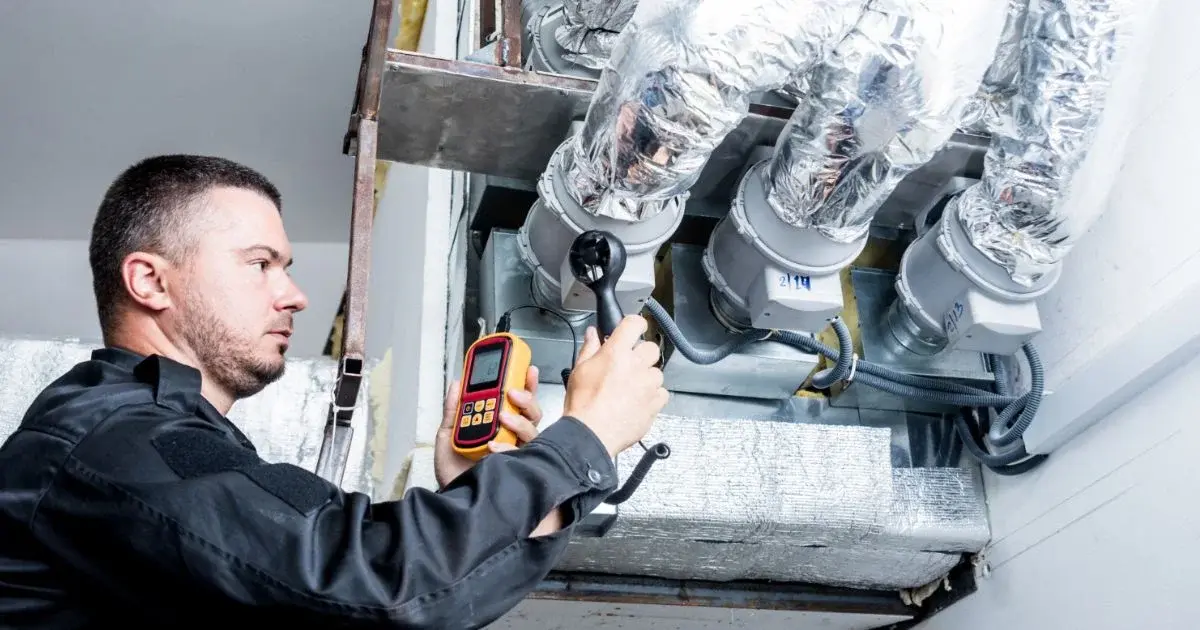
Your home’s HVAC system ensures year-round comfort but needs regular maintenance to run efficiently. Neglecting upkeep can lead to breakdowns, higher energy bills, and a shorter lifespan. Seasonal maintenance acts like a health checkup, addressing small issues early to improve air quality, reduce energy use, and save money.
Spring Checklist: Preparing for the Heat
As the frost melts and flowers bloom, it’s time to shift your focus from heating to cooling. Spring is the perfect time to prep your air conditioning unit before the summer heatwaves arrive.
Inspect the AC Unit
Start by heading outside to inspect your condenser unit. Winter storms often leave debris behind, so clear away any leaves, twigs, or dirt that have accumulated around the base. Ensure there is at least two feet of clearance around the unit to allow for proper airflow. Check the panels for any damage and ensure the unit is sitting level on the ground.
Clean the Coils
Dirty condenser coils force your system to work harder to absorb heat, driving up energy costs. Turn off the power to the unit and gently spray the coils with a garden hose to remove built-up grime. Avoid using a pressure washer, as the high force can bend the delicate fins. If the coils are particularly dirty, you may need a specialized coil cleaner solution.
Replace the Air Filter
This is the simplest yet most impactful task you can do. A clogged filter restricts airflow, reducing efficiency and straining the system. Check your filter monthly and replace it at least every 90 days—or more often if you have pets or allergies. A fresh filter ensures your system breathes easy as it gears up for heavy usage.
Summer Checklist: Maximizing Cooling Efficiency
When the sun is blazing, your AC works overtime. Mid-summer maintenance focuses on monitoring performance and ensuring the system can keep up with the demand. Regularly checking filters, refrigerant levels, and airflow helps prevent breakdowns and keeps cooling efficient. Homeowners looking to manage overall energy costs may also compare rates from the “cheapest gas company in georgia” to reduce their utility bills.
Calibrate the Thermostat
If your thermostat isn’t reading the temperature accurately, your system might run longer than necessary or cycle on and off too frequently. Check your thermostat’s accuracy by placing a portable thermometer next to it. If the readings differ significantly, it might be time to recalibrate or upgrade to a smart thermostat, which offers better control and energy-saving features.
Check Refrigerant Lines
Inspect the refrigerant lines leading into your home. These pipes should be covered with foam insulation to prevent energy loss. If the insulation looks worn or missing, replace it to maintain efficiency. While you can visually inspect the lines, checking actual refrigerant levels requires specific tools and expertise. If your AC isn’t cooling effectively, low refrigerant might be the culprit, often signaling a leak that needs professional attention.
Keep Vents Clear
Walk through your home and ensure all supply and return vents are open and unobstructed. Furniture, curtains, or rugs blocking vents can disrupt airflow and create hot spots in your home. Keeping vents clear allows cool air to circulate freely, reducing the workload on your AC.
Fall Checklist: Getting Ready for the Chill
As temperatures drop, your HVAC system needs to switch gears back to heating. Fall maintenance is crucial to ensure your furnace or heat pump is ready to tackle the cold months ahead.
Inspect the Heating System
Turn on your heating system before the first freeze to ensure it ignites properly. Listen for strange noises like banging or rattling, which could indicate loose parts or mechanical issues. If you have a gas furnace, check the pilot light; a healthy flame should be blue. A yellow or flickering flame can indicate a combustion problem, which requires immediate professional help, like those air conditioning installation services offered in Midvale.
Clean Vents and Ducts
Over the summer, dust and allergens can settle in your ductwork. Vacuum the vents and registers to remove surface dust. If you notice a musty smell when the heat kicks on, it might be time for a professional duct cleaning. Clean ducts improve heating efficiency and prevent allergens from circulating throughout your home.
Check for Leaks and Drafts
Your HVAC system can’t heat your home efficiently if the warm air is escaping. Inspect windows and doors for drafts. Apply weatherstripping or caulk to seal gaps. Also, check accessible ductwork in attics or basements for disconnected sections or holes. Sealing these leaks keeps the warm air where it belongs—inside your living space.
Winter Checklist: Staying Warm and Safe
During the coldest months, your goal is to maintain warmth while managing energy costs. Winter maintenance focuses on safety and humidity control.
Furnace Maintenance
Keep the area around your furnace clear of clutter. Flammable materials like boxes, paint, or cleaning supplies should never be stored near the unit. Check the furnace filter again; heating systems circulate a lot of air, and filters can clog quickly in winter. A clean filter protects the blower motor from overheating.
Adjust Humidifier Settings
Winter air is naturally dry, and heating systems can make it drier, leading to static electricity and dry skin. If you have a whole-home humidifier, check the water panel (evaporator pad) and replace it if it’s clogged with mineral deposits. Adjust the humidity setting to around 35-45% for optimal comfort and to protect wood furniture from cracking.
Monitor Carbon Monoxide Detectors
Gas furnaces produce carbon monoxide (CO), an odorless, colorless gas that can be deadly if it leaks into your home. Ensure you have working CO detectors on every floor, especially near sleeping areas. Test them monthly and replace batteries as needed. This simple step is vital for your family’s safety during heavy heating seasons.
DIY vs. Professional Maintenance
While many checklist items are perfect for a weekend DIY project, knowing when to call a pro is key to HVAC health.
Tasks You Can Handle:
- Replacing air filters.
- Cleaning debris from outdoor units.
- Checking thermostat settings.
- Visual inspections of vents and insulation.
- Sealing minor drafts around windows.
When to Call a Professional:
- Electrical Issues: If the system trips breakers constantly or you suspect wiring issues, do not attempt to fix it yourself.
- Refrigerant Handling: Handling refrigerant requires certification and special equipment. Leaks are environmental hazards and need expert repair.
- Strange Noises or Smells: Grinding sounds, screeching, or smells of burning or rotten eggs indicate internal failures that need expert diagnosis.
- Annual Tune-Ups: A professional tune-up involves detailed checks like testing voltage, lubricating moving parts, and inspecting the heat exchanger for cracks—tasks that go beyond standard homeowner maintenance.
Conclusion
Maintaining your HVAC system isn’t just about preventing a breakdown on the hottest day of the year; it’s about creating a consistent, comfortable, and safe environment for your household. By following these seasonal checklists, you extend the life of your equipment and keep your energy bills in check.
Also Read

Leave a Reply