Category: Education

  • Rethinking the School Library: Furniture Choices That Inspire Curiosity

    Rethinking the School Library: Furniture Choices That Inspire Curiosity

    School libraries shouldn’t be boring.

    But they often are.

    There’s a reason most school libraries look the same. Rows upon rows of hard plastic chairs. Rectangular tables bolted to the floor. That weird brown carpet that’s been there since 1997. And students sighing when asked to go down for library time.

    The problem isn’t biological. It’s fabricational.

    The furniture choices being made in school libraries everywhere are telling students that this isn’t a place for them. That they’re supposed to sit quietly, read if they feel like it, and not disturb anyone.

    Teachers know that’s not true. The library should be the place where curiosity is actively encouraged. Discovery awaits in every corner. Learning is what you do here.

    That’s difficult to achieve when the furniture tells otherwise.

    Everything Changes When You Choose the Right School Library Furniture…

    Okay, so those vibes aren’t going to be achieved by furniture choices alone. But they will negatively impact how your library is used if you don’t get them right.

    Choosing the right school library furniture starts with seats.

    Most school libraries would benefit from investing in some sort of fabric school soft seating. Compared to hard seats and tables, soft seating invites students to use the library. To stay awhile. To explore.

    You might be wondering…

    • Won’t that cost a fortune?
    • What about durability? Messy kids + fabric furniture? These are common concerns.
    • Do I have to stick soft seating in corners? Do I need different types of soft seating?

    Those questions (and more) are answered below…

    Here’s what we’ll cover:

    1. Why Your Library Furniture Is Ruining Your Library
    2. Why Fabric School Soft Seating Works
    3. What Types of Soft Seating Are There?
    4. Using Furniture to “Zone” Your Library
    5. Things to Consider When Choosing Soft Seating

    1. Why Your Library Furniture Is Ruining Your Library

    If you had to sit on a hard plastic chair for an hour, how long do you think you could concentrate on the task in hand?

    Probably not very long.

    Students feel the same discomfort you do. School library chairs aren’t made for leisurely browsing or diving into a good book. They’re made to keep kids still. Preferably facing the front, too.

    What does that tell your students about your library?

    A study of 153 classrooms found that well-designed, student-centred classrooms can improve academic performance by up to 16%. Factors relating to personalisation of the learning environment (flexibility, student ownership of the space etc.) accounted for over a quarter of that increased performance.

    A library is the easiest room at your disposal to incorporate these ideas. If you choose the right furniture.

    2. Why Fabric School Soft Seating Works

    How does furniture make your students feel?

    Comfortable students concentrate for longer. They focus better. They’re more willing to engage with a task and see it through.

    Uncomfortable students will actively avoid activities that require them to sit on hard surfaces for long periods of time. They know how you feel about sitting on a hard chair for an hour.

    88% of students surveyed said that modern comfortable furniture had helped them learn. Two thirds of students said that classroom furniture had had a significant impact on their learning.

    Students know what works for them. It’s worth listening.

    Soft seating sends the subtle message to students that the library belongs to them. It’s a place to relax. A place to feel at ease. Even if it’s just for thirty minutes a day.

    3. What Types of Soft Seating Are There?

    Think about your library. The purpose it serves. How your students will use the space.

    Not all soft seating is created equal. Some seats are better suited to different activities.

    Areas to consider:

    Modular soft seating Ideal for libraries. Can be arranged into different configurations depending on how the room is being used.

    Bean bags/lounge chairs Welcome students to your reading corner. They’re comfy. Kids love them. And they’re great for encouraging students who wouldn’t usually pick up a book to have a go.

    Curved/booth style seating Creates separation from the rest of the library. Ideal for focussed reading.

    Low poufs / floor cushions Perfect for group collaboration. Low-level seating allows students to work together with less risk of disruption to others.

    High-backed reading chairs Ideal for individual reading. High backs limit distractions.

    Ps. All the above seating options are only this comfy because they’re made from FABRIC. Not only does fabric soft seating feel warmer and nicer to touch, it’s also quieter and more durable in the long run.

    4. Using Furniture to “Zone” Your Library

    Here’s the thing.

    Most schools don’t zone their libraries.

    They treat the library as one big space with one purpose.

    But libraries serve many different purposes at once:

    • Quiet reading (+ enclosed, soft seating)
    • Group collaboration (+ round/tabletop soft seating)
    • Book browsing (+ low seating that doesn’t obstruct sightlines)
    • Group discussions (+ soft seating that can be pushed together in a cluster)

    The furniture you choose dictates the zones you can create.

    Using softer furniture textures and different seat sizes allows you to effortlessly “zone” your library without walls.

    Try it. You’ll see.

    5. Things to Consider When Choosing Soft Seating

    If you’ve decided that soft seating could be a good fit for your library, keep the following in mind:

    • Durability is key. Fabric chairs in a school library see a LOT of use. Make sure your chairs are durable and made with thick high-quality foam.
    • Can it be wiped clean? Kids + furniture do not mix unless it’s easy to wipe clean. Water bottles. Packed lunches. Felt-tip pens. You name it. They’ll spill it.
    • Buy different sizes. Libraries are used by students of all shapes and sizes. Make sure you cater for everyone by purchasing seats of different scales.
    • Colour! Colours can affect mood and learning. Stick to calming tones of greens and blues for areas where you want students to focus. Use brighter colours for collaborative spaces.
    • Can it be moved? Is your soft seating lightweight enough to be moved? Lighter seats allow for flexibility in the classroom. Teachers should be able to easily rearrange seating for group work.

    Library Upgrades Don’t Have to Break the Bank

    Soft seating comes in loads of different price ranges. Before you write-off soft seating as ‘too expensive’ have a look around.

    You’d be surprised at how affordable it can be.

    Library furniture can and should make your students feel at ease.

    Throw out the hard chairs. Bring in some soft seating. Your library won’t look the same again.

    Also Read

  • How Future-Ready Middle Grades Teachers Make a Difference

    How Future-Ready Middle Grades Teachers Make a Difference

    Introduction

    Middle grades teachers stand at a pivotal point in the educational journey. They are not just instructors; they are mentors, innovators, and guides who play a vital role in equipping students with the skills and mindset needed for an unpredictable future. The evolving demands of society and technology call for educators prepared to meet the needs of a diverse student population and to harness new tools to enhance learning.

    As the world transforms rapidly, a growing number of educators are pursuing advanced preparation, such as a middle grades education program, to stay ahead of these shifts. Students in this developmental stage benefit from teachers who are adept at integrating meaningful technology and applying forward-thinking instructional approaches, making a real impact on their ability to thrive now and in the future.

    The role of a future-ready educator extends beyond simply delivering content. These teachers actively develop skills such as critical thinking, adaptability, collaboration, and digital fluency. This comprehensive support guides students to become resilient, lifelong learners prepared to navigate the complexity and constant evolution of tomorrow’s job market and society.

    According to research from Education Week, innovative middle grades teachers who embrace evolving technologies and social learning strategies are already seeing dramatic improvements in student engagement, motivation, and academic achievement.

    Embracing Technology in the Classroom

    Technology in the classroom is no longer an enhancement; it is a necessity for preparing students for an interconnected, digital future. Future-ready teachers creatively implement technologies, such as AI-enhanced dashboards and adaptive learning platforms, to monitor student progress in real time, customizing instruction to maximize individual growth. For instance, platforms provide teachers with generative AI capabilities that allow them to identify learning gaps and adjust activities quickly, ensuring personalized learning experiences for each student.

    Beyond AI, technologies such as collaborative digital whiteboards, classroom management apps, and student engagement tools like Poll Everywhere strengthen the teacher-student relationship and foster active participation. When used thoughtfully, these resources create inclusive, interactive environments that empower every learner to contribute and succeed.

    Competency-Based Learning

    Competency-based learning (CBL) fundamentally shifts the focus of education from time-based progression to mastery of skills and concepts. Middle grades teachers leveraging CBL provide students with learning pathways that respect their individuality and allow them to demonstrate understanding at their own pace. This model fosters deeper learning and self-reflection, enabling learners to build confidence as they advance.

    Schools that implement CBL often prioritize projects and real-world applications, offering students opportunities to work on tasks that mirror professional and community challenges. This approach has proven effective in increasing student ownership over their learning and preparing middle schoolers for a world where adaptability and problem-solving are essential traits.

    AI Integration in Education

    Artificial intelligence is rapidly transforming the education landscape. In middle school classrooms, AI can analyze data to help teachers differentiate instruction, recommend appropriate resources, and even forecast which students might need extra support. This technology personalizes learning, making sure that every student has a pathway to growth and success.

    Despite its promise, AI integration requires careful consideration of access and equity. Teachers must be mindful of potential disparities in technology availability and ensure that AI is used to complement, rather than replace, the unique value of human interaction.

    Professional Development and Mentorship

    The rapid pace of educational innovation demands continual professional development. Teachers who participate in ongoing learning opportunities are better prepared to adopt the latest research-backed practices, understand effective technology integration, and respond to evolving student needs. Districts and schools that invest in mentorship programs, pairing new educators with experienced colleagues, build a culture of support and professional growth.

    Peer collaboration and professional learning communities not only improve teacher capacity but also increase teacher retention and satisfaction, which ultimately benefits students’ academic journeys. These programs are especially vital in the middle grades, where teachers must navigate the unique developmental shifts of early adolescence.

    Community Engagement and Real-World Connections

    Future-ready teachers understand that meaningful learning does not occur in isolation. By fostering strong relationships with local businesses, nonprofit organizations, and civic leaders, they bridge the gap between academic content and real-world application. These partnerships provide students with exposure to career paths and real-life challenges, helping them develop a sense of purpose and direction.

    Service learning, internships, and collaborative community projects can anchor classroom instruction in practical, tangible experiences. This connection encourages students to become engaged citizens invested in their communities and futures.

    Addressing Educational Inequality

    Addressing disparities in educational opportunity is a core responsibility of every future-ready teacher. By leveraging inclusive practices and technology, educators can reach learners who may otherwise be left behind. Differentiated instruction, accessibility features, and proactive outreach to families all serve to close achievement gaps and foster equity.

    It is also essential for teachers to advocate for systemic changes that advance educational justice, such as improved funding, access to high-quality instructional materials, and the integration of social-emotional supports. The effectiveness of these efforts is amplified when schools collaborate with community partners who share a commitment to equity and student success.

    Final Thoughts

    Future-ready middle grades teachers are making a tangible difference in the lives of young learners. By embracing technology, championing competency-based learning, investing in their own professional growth, and forming strong community connections, these teachers position students for lifelong success. The proactive efforts of these educators not only elevate academic achievement but also nurture curiosity, confidence, and resilience in the next generation.

    Read more: Stopping Baccarat When You Hit a Set Loss: What It Really Helps (and What It Doesn’t)

    How to Make Your Home Safer and More Efficient

    How to Spot Roof Damage Before It Becomes a Problem

  • How to Prepare for the SAT in a Way That Fits You Best

    How to Prepare for the SAT in a Way That Fits You Best

    Preparing for the SAT can feel confusing at first. There are many books, videos, tests, and opinions. Some students look online for a “tutor for SAT near me”. Others search for SAT prep tutors and still feel unsure where to begin. The truth is simple. SAT preparation works best when the plan fits you. Your strengths. Your weak areas. Your time. Your pace.

    The SAT is not a test of how much you can memorize. It is about understanding patterns, managing time, and staying calm under pressure. A personalized SAT prep plan helps you do exactly that. It keeps your study focused and avoids waste of time.

    Let’s go through it one step at a time.

    Step One: Find Your Starting Point 

    Before you can design any study plan, it’s imperative for you to understand where exactly do you stand in the present. 

    Find a complete SAT diagnostic test. Do it in one sitting. Sit in a quiet room. No phone. No breaks outside the allowed time. This gives you a real picture of your current level.

    Once the test is done, don’t rush to see only the total score. Look deeper. Check each section. See where you lost marks. Were the mistakes because of concepts? Or time pressure? Or where silly errors are?

    This first score is not your final score. It is just your starting line.

    Step Two: Set a Clear and Realistic Goal

    Now that you know your starting point, you need a destination.

    Look at the colleges you want to apply to. Check their average SAT scores. Based on this, decide your target score. Keep it challenging but possible.

    Avoid vague goals like “I want to score high.” Instead, be specific. For example, “I want to improve my Reading score by 80 points in two months.”

    A clear goal gives you direction. It also helps you measure progress.

    Step Three: Understand the SAT Pattern Well

    Many students lose marks because they do not understand the test format properly.

    The SAT has two main parts. One is Reading and Writing. The other is Math. The test is section-adaptive. This means your performance in the first section affects the difficulty of the next one.

    In Math, questions test algebra, advanced math, problem solving and data analysis, geometry and trigonometry.

    In Reading and Writing, questions test grammar, sentence structure, meaning, tone and the ability to understand short passages.

    Once you recognize the pattern, you stop being scared. The exam starts feeling predictable.

    Step Four: Build a Weekly Study Plan That You Can Follow

    A good plan is not a tight plan. It is a realistic one.

    First, decide how many weeks you have before the exam. Then divide your time.

    For example:

    • Three days a week for Reading and Writing
    • Two days a week for Math
    • One day for review
    • One day for rest

    Each study session should be short and focused. Sixty to ninety minutes is enough. Studying for long hours without focus does not help.

    Fix days and times. Treat them like school classes. Consistency matters more than speed.

    Step Five: Study Smart, Not Random

    Do not study everything every day. That causes confusion.

    If grammar is weak, give it more time. If algebra is strong, revise it once a week only. Balance is important.

    Use official-style questions. Stay away from random worksheets that are not aligned to the SAT pattern. 

    If you use a SAT test online, make sure it conforms to the latest SAT format. This allows you to get used reading screens, timing and navigation.

    Step Six: Learn Time Management Early

    In the SAT, time is your biggest problem. Practice with a timer, always. Even while solving single questions. 

    Know when to pass on a question. Do not get stuck. Mark it and move ahead. Come back later if time allows.

    Also, practice accuracy in easy questions. These are your scoring areas. Losing marks here hurts the most.

    Step Seven: Take Practice Tests Regularly

    Practice tests show growth. They also build stamina.

    Take a full test every two or three weeks. After each test, spend more time reviewing than testing.

    Ask yourself:

    • Why was this wrong?
    • Did I misread the question?
    • Did I forget a rule?
    • Was I rushing?

    Write these points down. This becomes your personal error book.

    Step Eight: Review Is More Important Than Practice

    Many students solve hundreds of questions. But they repeat the same mistakes. Review helps you break that cycle.

    Go back to wrong answers. Understand them properly. Even review some correct answers to see if there was a faster method.

    Revise old topics every week. This keeps them fresh.

    Step Nine: Simulate Real Exam Days

    Two weeks before the exam, practice like it is the real day.

    Wake up at the same time. Eat the same breakfast. Sit for the full test without breaks outside the given time.

    This removes fear. On the real exam day, your brain feels familiar with the routine.

    Step Ten: Adjust the Plan When Needed

    No plan is perfect from day one.

    If something is not working, change it. If school exams increase, reduce SAT load for that week. If Math improves faster, shift focus to Reading.

    A personalized plan grows with you.

    Final Thoughts

    SAT preparation is not about copying someone else’s schedule. It is about understanding yourself. When your study plan matches your learning style, improvement becomes natural. Stay patient. Stay consistent. Small steps every day lead to big results.

    Preparing for the SAT becomes easier when you follow a clear and personal plan. Track progress. Fix mistakes. Stay steady. With expert guidance and best sat tutors from Jamboree, students get structured support, smart strategies, and confidence to reach their SAT goals successfully.

    Also Read-Making Eye Exams Smoother With Better Tech

  • Essential Automation Tools Every Modern University Should Consider

    Essential Automation Tools Every Modern University Should Consider

    Universities are dealing with more challenges than ever. Higher student numbers, multiple programs, strict rules, and higher expectations from students have put extra pressure on staff. At the same time, many institutions still rely on manual work, emails, spreadsheets, and systems that do not connect well with each other.

    Automation tools help universities manage these challenges. By handling repetitive and time-consuming tasks, automation allows staff to focus on important work like student support, planning, and maintaining academic quality. Automation does not replace people, it helps them work faster, with fewer errors, and more consistency.

    In this guest post, we look at the best automation tools that can help universities simplify operations, reduce workload, and improve the student experience.

    Why Universities Need Automation Tools

    Universities carry out thousands of repeated tasks every day. From handling applications to answering student questions, much of this work follows the same steps again and again. Some common challenges universities face are:

    • Large numbers of applications and documents
    • Manual data entry and checking
    • Slow replies to student questions
    • Lack of consistent communication between departments
    • Mistakes in records and reports
    • Staff feeling overwhelmed during busy admission periods

    Automation tools help solve these problems by taking care of routine tasks quickly and accurately. This results in faster workflows, fewer errors, and better use of time and resources across the university.

    Application and Admissions Automation Tools

    Admissions is one of the most time-consuming areas in a university. Teams have to review applications, check eligibility, manage documents, and stay in touch with applicants. Admissions automation tools make this work easier by:

    • Collecting application data automatically
    • Checking if applications are complete
    • Highlighting missing documents
    • Assigning applications to the right reviewers
    • Sending regular status updates to applicants

    Some advanced systems also support structured evaluations and summaries for admissions teams. In specific use cases, tools may include features similar to an interview analyzer, helping admissions staff organize and review interview-related inputs efficiently without manual effort.

    These tools reduce processing time and allow institutions to manage higher application volumes without increasing staff workload.

    Document Processing and Verification Tools

    Universities handle a wide range of documents, such as academic transcripts, certificates, identification proofs, recommendation letters, and financial records. Manual document handling is slow and prone to errors.

    Document automation tools use AI and optical character recognition to:

    • Read scanned and digital documents
    • Extract key information accurately
    • Match documents to student profiles
    • Detect missing or duplicate files
    • Flag inconsistencies for review

    By automating document workflows, universities reduce manual data entry and improve processing accuracy, especially during peak admission periods.

    Student Inquiry and Support Automation Tools

    Student support teams often receive thousands of similar questions related to admissions, enrollment, fees, housing, and academic policies. Responding manually to every inquiry can overwhelm staff.

    Student support automation tools can:

    • Provide instant answers to frequently asked questions
    • Route complex queries to the right department
    • Track inquiry status and resolution time
    • Offer consistent information across channels

    These tools improve response times and ensure students receive timely and accurate support, even outside office hours.

    Enrollment and Registration Automation Tools

    Enrollment and registration involve many steps, approvals, and deadlines. When delays or mistakes happen, it can be frustrating for both students and staff.

    Enrollment automation tools make this process easier by:

    • Automating course registration steps
    • Sending reminders for pending tasks
    • Checking eligibility and course prerequisites
    • Updating enrollment status in real time

    By automating these tasks, universities reduce confusion and manual work. This helps students move smoothly from admission to enrollment and allows staff to manage the process more efficiently.

    Finance, Fees, and Billing Automation Tools

    Managing tuition fees, scholarships, refunds, and payment plans needs to be accurate and clear. When financial tasks are handled manually, mistakes can happen and payments may be delayed. Finance automation tools help universities by:

    • Automatically calculating fees and generating invoices
    • Sending payment reminders to students
    • Linking payments to the correct student accounts
    • Spotting errors or unusual transactions

    These tools reduce manual workload for finance teams and provide students with clearer financial information.

    Workflow and Process Automation Platforms

    Universities rely on multiple departments working together, including admissions, academics, finance, and student services. Workflow automation platforms help connect these functions.

    Such platforms allow institutions to:

    • Design automated workflows for approvals
    • Track tasks and responsibilities
    • Reduce dependency on emails and spreadsheets
    • Improve visibility into process status

    By standardizing workflows, universities improve consistency and accountability across departments.

    Data and Reporting Automation Tools

    Universities collect a lot of data, but many find it difficult to use this data in a useful way. Manual reporting takes a lot of time and often leads to errors or inconsistent information.

    Data automation tools make this easier by:

    • Collecting data from different systems in one place
    • Creating real-time dashboards
    • Keeping data accurate and consistent
    • Helping with compliance and accreditation reports

    With automated reports, university leaders can access clear information quickly and make better decisions with confidence.

    Human Resources Automation Tools

    HR teams in universities manage recruitment, onboarding, payroll, performance reviews, and compliance for academic and non-academic staff.

    HR automation tools support these tasks by:

    • Automating onboarding workflows
    • Managing employee records
    • Tracking leave and attendance
    • Supporting performance review cycles

    This reduces administrative overhead and improves the employee experience.

    Alumni and Advancement Automation Tools

    Staying connected with alumni is important for engagement, fundraising, and building a strong university reputation. When outreach is done manually, it is often irregular and hard to manage.

    Alumni automation tools can help by:

    • Grouping alumni based on their interests and past activities
    • Sending automated emails and updates
    • Tracking engagement and donations
    • Giving clear insights into alumni involvement

    With these tools, universities can manage alumni relationships more easily and build stronger, long-term connections.

    Compliance and Policy Management Automation Tools

    Universities need to follow internal policies, accreditation rules, and government regulations. Tracking all of this manually can be slow, difficult, and risky.

    Compliance automation tools make this easier by helping institutions:

    • Track whether policies are being followed
    • Keep clear records for audits
    • Monitor important deadlines and renewals
    • Reduce the risk of compliance issues

    With automation, compliance tasks become more consistent and properly documented, making it easier for universities to stay compliant without extra stress.

    Benefits of Automation for Universities

    When used in the right way, automation offers many clear benefits for universities:

    • Reduces the workload for administrative teams
    • Speeds up processing and approvals
    • Improves accuracy and consistency
    • Creates a better experience for both students and staff
    • Makes it easier to handle high volumes during busy periods

    With automation, universities can grow and manage more work without putting extra pressure on administrative teams.

    Choosing the Right Automation Tools

    Not all automation tools are the same. Universities should consider:

    • Ease of integration with existing systems
    • Data security and privacy standards
    • Scalability and flexibility
    • User-friendliness for staff and students
    • Vendor support and long-term viability

    Starting with high-impact areas such as admissions or student support often delivers the fastest return on investment.

    The Future of Automation in Universities

    Automation in higher education is still developing. In the future, tools will become smarter, more connected, and more personalized. Universities that adopt these technologies early will be better prepared to meet changing student needs and manage daily operations efficiently.

    Instead of seeing automation just as a tech upgrade, universities should treat it as a strategic step that helps them grow and stay sustainable in the long run.

    Conclusion

    Automation tools are becoming essential for universities navigating growing complexity and limited resources. From admissions and document processing to finance, HR, and alumni engagement, automation improves efficiency across the institution.

    By adopting the right tools, universities can reduce manual work, empower staff, and deliver a smoother experience for students. The goal is not to remove the human element, but to support it with smarter, more reliable systems.

    As higher education continues to evolve, automation will play a key role in building resilient, student-focused universities.

    Also Read-What Playtech Slot Has The Biggest Hit Frequency?

  • Preschool Workbook: Engage Young Minds on the Go

    Preschool Workbook: Engage Young Minds on the Go

    Engaging young minds early is important for their growth, and preschool workbooks play a significant role in this journey. Early childhood education builds the base for lifelong learning, helping with thinking and social skills. 

    Preschool workbooks are designed to support this critical phase of learning. They offer activities that help children learn skills like counting, reading, and solving problems. These workbooks are not just about learning; they are about making learning fun and engaging for young children. By using a preschool workbook, parents and educators can give children an early start in learning.

    What Makes a Great Preschool Workbook?

    Choosing the right preschool workbook can greatly impact a child’s learning. Here are some key features to consider:

    • Age-appropriate content: Ensure the workbook is suitable for the child’s age and developmental stage.
    • Engaging activities: Look for workbooks that include a variety of activities such as puzzles, coloring, and matching games.
    • Clear instructions: Simple and easy-to-follow instructions help children work independently.
    • Colorful and appealing design: Bright colors and fun illustrations can capture a child’s attention.

    By choosing the right workbook, parents can ensure their child is both challenged and entertained, setting the stage for a love of learning.

    Exploring Pre K Workbooks and Activity Books

    Pre K workbooks and activity books are essential tools designed to help preschoolers develop foundational skills. These books are made to interest young minds with fun and learning activities. They differ from other preschool learning books by focusing on hands-on tasks that promote active involvement.

    Here are some key benefits of using pre k workbooks and activity books:

    • Skill Development: They help children improve fine motor skills, such as writing and drawing.
    • Critical Thinking: Puzzles and problem-solving tasks enhance cognitive abilities.
    • Creativity: Activities like coloring and crafting boost creativity and imagination.
    • Engagement: Interactive tasks keep children interested and motivated to learn.

    For additional activities that promote creativity and learning in preschoolers, you can explore resources on creative play and activities.

    The Big Preschool Workbook: A Comprehensive Tool

    The big preschool workbook is a comprehensive educational tool that covers a wide range of topics in one convenient package. These workbooks are designed to offer a holistic approach to preschool education, providing many learning chances for young children.

    Advantages of using a big preschool workbook include:

    • All-in-One Learning: They cover various subjects such as math, reading, and science in a single book.
    • Structured Learning: The organized format helps children follow a learning path that builds on previous knowledge.
    • Consistency: Regular use of a single workbook helps establish a consistent learning routine.
    • Variety: These workbooks include diverse activities to cater to different learning styles and interests.

    Topics typically covered in big preschool workbooks include:

    • Alphabet and phonics
    • Numbers and counting
    • Shapes and colors
    • Basic science concepts
    • Simple math problems

    Parents and educators can purchase comprehensive preschool workbooks from School Zone, Priddy Books, or DK Preschool, which publish all-in-one educational resources covering multiple subjects including alphabet and phonics, numbers and counting, shapes, colors, basic science, and simple math in single volumes, organize content in structured learning progressions building on previous knowledge for consistent skill development, incorporate diverse activity types including tracing, matching, coloring, and problem-solving catering to different learning styles and interests, and provide age-appropriate content for preschoolers aged 3-5 establishing well-rounded educational foundations supporting future learning success.

    Preschool Learning Books: Beyond Workbooks

    While preschool workbooks are a valuable tool for early education, they are just one piece of the puzzle. Preschool learning books offer a wide range of content that can improve a child’s learning. Here’s how they complement workbooks:

    • Storybooks: These books help develop language skills and spark imagination. They introduce children to new vocabulary and concepts in an engaging way.
    • Picture Books: Visuals are crucial for young learners. Picture books help children understand stories and concepts through illustrations.
    • Interactive Books: Books with flaps, textures, or sound buttons make learning fun and interactive, keeping children engaged.
    • Themed Books: Books that focus on specific themes like animals, nature, or transportation can deepen a child’s interest in those areas.
    • Activity Books: These books often include puzzles, games, and coloring activities that complement the structured learning in workbooks.

    By integrating these different types of books, parents and educators can create a well-rounded educational experience that supports both learning and creativity.

    Conclusion: The Journey of Preschool Learning

    Preschool workbooks play a vital role in forming the early years of a child’s learning. They offer a structured yet flexible approach to learning, allowing young minds to explore and grow at their own pace. By integrating workbooks with other learning tools such as creative play and activities, parents and educators can create a rich and diverse educational experience.

    As you embark on this exciting journey with your child, remember the importance of choosing resources that align with their interests and learning style. By doing so, you not only support their academic growth but also nurture a lifelong love of learning. Explore various resources and tools to enrich your child’s learning journey and watch them thrive.

    Also Read-Unselect vs Deselect: Which Term Should You Use in Tech? 🖱️💡

  • Why Universities Are Adopting Email Signature Tools for Consistent Communication

    Why Universities Are Adopting Email Signature Tools for Consistent Communication

    Universities are busy ecosystems. On any given day, thousands of emails move between faculty, administrators, students, researchers, alumni, and external partners. These messages range from lecture updates and enrollment notices to grant communications and official announcements.

    With so much happening, consistency can easily slip through the cracks—especially in something as small as an email signature. Yet more universities are realizing that this “small detail” plays a surprisingly big role in how their institution is perceived.

    Email signature tools are increasingly being adopted to bring clarity, consistency, and professionalism to campus-wide communication. And the reasons go far beyond aesthetics.

    The Communication Challenge on Modern Campuses

    Universities are not single, unified teams. They’re collections of departments, faculties, research groups, and administrative units—each with its own priorities and communication style.

    In many institutions, email signatures are left entirely up to individuals. A professor might include their credentials and office hours. A department admin might use a logo. A researcher might forget a phone number altogether. Over time, this creates a patchwork of styles and information.

    For students and external contacts, this inconsistency can be confusing. Who is the official contact? Is this email legitimate? How do I follow up? These small moments of uncertainty add friction to communication that should be clear and supportive.

    Universities are built on trust and credibility. Even subtle inconsistencies can undermine that trust—especially when messages involve deadlines, policies, or official decisions.

    Why Consistency Matters More in Education Than Most Industries

    In higher education, communication isn’t just transactional—it’s instructional, authoritative, and often sensitive. A single email can affect enrollment decisions, academic progress, or research outcomes.

    Consistent email signatures help reinforce legitimacy. When every message clearly identifies the sender, department, and institution in a uniform way, recipients feel more confident engaging with the content.

    This is similar to how official letterheads work. Even before reading the message, people recognize it as authentic. Email signatures serve the same function in a digital environment.

    Consistency also supports accessibility. Clear contact details make it easier for students to ask questions, for parents to follow up, and for partners to reach the right department without unnecessary back-and-forth.

    As universities expand online learning and remote administration, these digital touchpoints become even more important within the broader landscape of higher education.

    Reducing Administrative Burden With Automation

    One of the biggest reasons universities adopt email signature tools is practicality.

    Manually managing signatures across hundreds—or thousands—of staff members is nearly impossible. IT teams often receive requests to fix formatting issues, update titles, or add required disclaimers. Communications teams worry about branding consistency. HR teams struggle with onboarding and offboarding details.

    Email signature tools solve this by centralizing control. Templates can be created once and applied automatically. Names, roles, and departments can be updated dynamically. Required information—such as legal notices or accessibility statements—can be included consistently without relying on individuals to remember them.

    For staff, this removes one more thing from their mental load. For administrators, it saves time and reduces errors. For the institution as a whole, it creates a more polished and reliable communication experience.

    Supporting Branding Without Turning Emails Into Ads

    Universities are careful about branding. Emails are not marketing blasts—but they are still part of the institution’s public presence.

    A well-designed email signature reinforces identity without being intrusive. It might include a logo, official colors, or a link to key resources. Over time, this consistency strengthens recognition and professionalism.

    This approach mirrors how universities standardize signage, websites, and official documents. Email is simply another channel where consistency matters.

    Using an email signature tool for universities enables institutions to carefully manage this balance—supporting brand recognition while keeping communication focused and respectful.

    A Better Experience for Students, Staff, and Partners

    At its core, adopting email signature tools is about improving the experience for everyone involved.

    Students receive clearer, more trustworthy messages. Staff spend less time worrying about formatting or compliance. External partners interact with an institution that feels organized and professional at every touchpoint.

    These tools don’t change how universities communicate—they support it. They remove friction, reduce confusion, and quietly reinforce trust in everyday interactions.

    In an environment where clarity, credibility, and consistency matter deeply, email signature tools are a simple upgrade with lasting impact.

    Read more: From Shower Shelves to Ice Buckets — Stickers That Actually Stick!

    Merging Industrial Hinges and Locks for Maximum Equipment Safety

    Captivating Moments on a Dolphin Cruise Hilton Head Island

  • College Entrance Essay Writing Services, Scholarship Essay Writer – A Complete Guide to Crafting Winning College Essays

    College Entrance Essay Writing Services, Scholarship Essay Writer – A Complete Guide to Crafting Winning College Essays

    Applying to college is one of the most defining moments in a student’s academic journey. The excitement of imagining a new campus, new opportunities, and new challenges is often mixed with the heavy pressure of meeting strict admission requirements. Among these, the personal essay stands out as one of the most decisive components. It is the one place where students can speak directly to the admissions committee and show who they really are beyond grades, test scores, and extracurricular activities. Because of this pressure, many students explore college entrance essay writing services to help them present their stories in the most engaging, compelling, and polished way possible.

    But what exactly does it take to craft a memorable college entrance essay? Why do thousands of students struggle with this piece of writing each year? And how can professional writing support make a meaningful difference? This in-depth guide breaks down everything students and parents should know—from common essay challenges to expert writing strategies that elevate an application from average to exceptional.

    Why the College Essay Matters More Than Ever

    In recent years, competition for admission into reputable colleges has increased dramatically. Many universities receive far more qualified applicants than they can accept. With similar GPAs, similar test scores, and similar lists of activities, admissions officers rely heavily on the personal essay as a differentiator.

    The essay is not simply a writing assignment; it is a portrait. It shows authenticity, maturity, clarity of thought, emotional intelligence, and an applicant’s readiness for campus life. A well-told story can resonate deeply with an admissions officer and leave a lasting impression long after the application is closed.

    The Biggest Challenges Students Face When Writing College Essays

    Despite the importance of the college essay, many students find it extremely difficult to write. Here are some of the most common hurdles:

    1. Choosing the Right Story

    Most students assume they must write about a dramatic life event, but that isn’t true at all. Admissions committees value honesty and reflection more than exaggeration. The challenge is identifying a story that reveals character, values, and personal growth.

    2. Writing in a Natural, Genuine Voice

    Many students either write too formally or try too hard to sound impressive. Others fall into clichés, generic insights, or overly polished language that feels artificial. Finding a sincere voice that still meets academic standards takes practice.

    3. Conveying Depth Within Limited Word Counts

    Most college essays fall between 250 and 650 words. That’s not much space to tell a meaningful story. Students must learn to write concisely while still showing depth, personality, and emotion.

    4. Structuring the Essay Effectively

    A strong essay needs a beginning that hooks the reader, a middle that builds emotion or insight, and an end that leaves the committee thinking. Many students struggle with pacing, flow, and clarity.

    5. Handling the Pressure

    For many applicants, this essay is the most important one they will ever write. That pressure can lead to stress, procrastination, overthinking, or simply freezing up.

    How Professional Essay Support Can Help Students Stand Out

    Because of these challenges, more students each year seek guidance from experienced academic writers and editors who specialize in college application writing. A professional service does not write the student’s life for them—it helps them express their own experiences in a clear, compelling, and meaningful way.

    Here’s how expert support can transform the essay-writing process:

    1. Personalized Story Discovery

    Professional writers help students identify powerful themes or moments that best reflect their strengths, personality, leadership, and resilience. This ensures the essay feels personal and genuine, not generic.

    2. Polished, High-Impact Writing

    A professional ensures that the final essay is well-structured, cleanly written, and free from grammar issues or awkward phrasing. The focus remains on the student’s true voice, but the delivery is enhanced to meet high admission standards.

    3. Ethical and Authentic Guidance

    Trustworthy services do not fabricate stories or misrepresent the applicant. Instead, they help refine real experiences and enhance storytelling while preserving authenticity.

    4. Stress Reduction and Confidence Building

    With expert support, students feel less overwhelmed and more confident. They can focus on their strengths while professionals guide them through the technical writing process.

    5. Strategic Insight From Experienced Writers

    Writers who specialize in admissions essays have reviewed thousands of applications. They understand what admissions officers want to see—and what they avoid.

    Tips for Writing an Essay That Stands Out

    Whether a student works independently or with a professional, these tips significantly improve the quality of any college essay:

    • Be specific. Details bring stories to life and make the writing more memorable.
    • Focus on reflection, not just narration. The admissions committee wants to see what the experience taught you.
    • Avoid clichés. Phrases like “I learned the value of hard work” are too common.
    • Show, don’t tell. Use imagery, dialogue, or emotion to make the story engaging.
    • Keep your voice natural. Write the way you speak, but in a polished manner.
    • Edit multiple times. Great essays go through multiple drafts before they shine.

    The Role of Scholarship Essays in Academic Success

    While college entrance essays determine admission, scholarship essays determine affordability. Many students rely on financial aid, grants, or merit-based scholarships to reduce educational expenses. Scholarship committees also seek authenticity, academic potential, leadership, and impact. A strong scholarship essay demonstrates:

    • motivation
    • commitment to goals
    • community engagement
    • personal values
    • future vision

    Because scholarship competition is also intense, many students look for professional guidance to ensure their submissions reflect their best selves.

    Final Thoughts

    Writing a college entrance or scholarship essay is not just an academic task; it is a process of self-reflection, storytelling, and personal discovery. Students who invest time and effort into crafting meaningful essays stand out in the competitive world of college admissions and financial aid.

    At the end of the journey, many students choose to work with experienced professionals to refine their voice, sharpen their message, and present themselves with clarity and confidence. Brands like Writing Sharks provide expert support to help students navigate the challenges of academic writing and deliver polished, compelling application essays. Whether you are preparing for admission or applying for aid, a skilled scholarship essay writer can make the experience smoother, clearer, and far more effective.

    Also Read-Start Custom Printing Easily With a 15Ă—15 Heat Press and DTF Transfer Printer

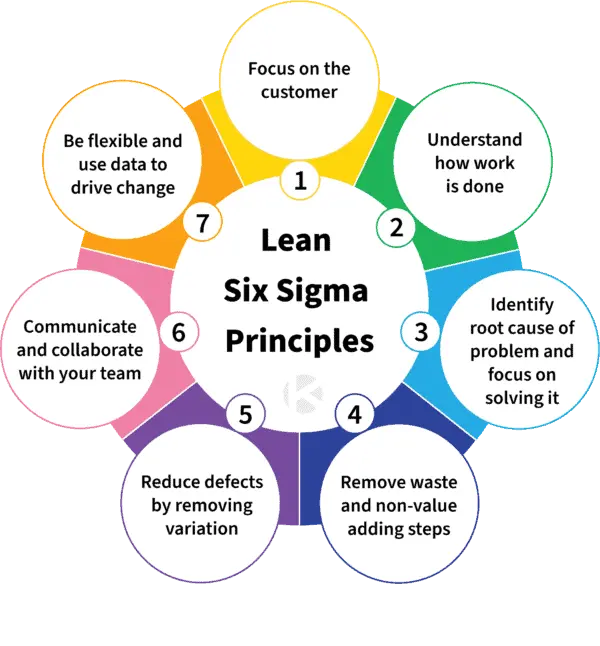
  • What is Lean Six Sigma: Definition, Goals, and Types Explained

    What is Lean Six Sigma: Definition, Goals, and Types Explained

    I started a small manufacturing business a couple of years ago. While it almost took 15 months to reach the breakeven point, my small venture recorded an all-time high in profits last month. Now, you might be wondering how I became profitable in less than two years.

    Well, according to the Small Business Administration, around 20% of small businesses shut down their operations in the first year. So, what did I do differently?

    I reduced operational costs and focused on improving efficiency, productivity, and customer satisfaction. Thanks to Lean Six Sigma (LSS) certifications, which I fortunately had completed during graduation, it was all made possible.

    That said, I’ll explain everything you need to know about Lean Six Sigma in this article. So, let’s start:

    What is Lean Six Sigma?

    LSS is a combination of two processes, Lean and Six Sigma. These two methodologies combine into Lean Six Sigma and ensure that businesses stay efficient, maximize their profitability, and satisfy their customers.

    The concept of Lean solely focuses on reducing a business’s waste, while the goal of Six Sigma is to reduce variations in different operations. The ultimate goal of lean and six sigma is to optimize business operations to achieve maximum efficiency.

    However, Six Sigma specifically focuses on two approaches: DMAIC (Define, Measure, Analyze, Improve, Control) and DMADV (Define, Measure, Analyze, Design, Verify). Depending on what businesses want to achieve, they can use one of these Six Sigma strategies.

    That said, a major difference between lean and six sigma is how they’re used. For instance, Lean takes help from less technical tools such as Kaizen. Whereas Six Sigma relies on statistical data analysis and process control, which might be complex and technical, but at the same time, quite effective in reducing iterations in business operations.

    Now, dozens of online courses and certifications are available that teach Lean Six Sigma. You can thoroughly learn different concepts of Lean Six Sigma through such educational resources. That said, ensure your internet is up for the task, because such courses also test your knowledge with time-bound quizzes and assessments.

    Personally, I’ve completed several Lean Six Sigma courses, and thanks to Verizon Internet, my home internet. Thanks to a reliable and high-speed connection, I’ve never failed any time-bound quiz or assessment. That said, I’ve briefly explained the major goals of Lean Six Sigma below:

    • Eliminate Waste

    Lean Six Sigma aims to eliminate waste in different business operations. By waste, it refers to tools, practices, or efforts that don’t add any value to business or customers.

    • Reduce Variations

    One of the primary factors in achieving high efficiency in business operations is reducing variations. Here, variations refer to inconsistencies and errors that can impact the quality of products or services.

    • Increase Customer Satisfaction

    Lean Six Sigma ensures customer loyalty and retention in the long term. The goal is to offer affordable and quality products/services that cater to customers’ needs.

    • Increase Business Profits

    The focus is to reduce waste, streamline business operations, and achieve the highest possible efficiency, which ultimately will increase business profits.

    Types of Belts in Lean Six Sigma

    Lean Six Sigma uses belts of different colors to represent the expertise of individuals in this methodology. It starts from the beginner level, which is represented by a White belt. And, goes up to expert level, which is denoted by a Master Black belt.

    Below, I’ll explain the types of belts in Lean Six Sigma:

    ·         White Belt

    It is the introductory belt awarded to individuals possessing basic knowledge of Lean Six Sigma. The purpose of the white belt is to offer a surface-level understanding of major concepts and terms involved in Lean Six Sigma.

    ·         Yellow Belt

    This belt is awarded in the second stage, where individuals focus on understanding Lean Six Sigma in depth. Individuals get familiarized with the tools and techniques involved in the Lean Six Sigma process and become an active part of teams implementing such strategies.

    ·         Green Belt

    This is the third stage, designed for individuals who’ve understood and gained hands-on experience with Lean Six Sigma strategies. In this step, they learn to lead different Lean Six Sigma projects and provide training to others.

    ·         Black Belt

    At this step, the focus of an individual is to lead Lean Six Sigma projects full-time. Such people also train individuals pursuing white, yellow, and green belts. Other than this, black belt holders are actively engaged with Lean Six Sigma tools to optimize business operations.

    ·         Master Black

    This is the most advanced stage in Lean Six Sigma. A person having a Master Black Belt is capable of initiating Lean Six Sigma projects on their own, designing strategies, training individuals, and communicating with industry leaders to fill efficiency gaps.

    Frequently Asked Questions

    Are Lean Six Sigma courses and certifications paid?

    Yes, most reputable courses and certifications in Lean Six Sigma are paid.

    Are Lean and Six Sigma strategies always used together?

    No, both strategies don’t always need to be used together.

    Also Read-Why Dubai Residents Love These Smart Box Storage Solutions

  • Best Online Schools: What Makes for a Great Virtual Learning Experience?

    Best Online Schools: What Makes for a Great Virtual Learning Experience?

    Something shifts in a parent when a traditional school stops working for their child. Maybe it’s the third morning of stomach aches before class. Maybe it’s watching a bright kid lose interest in learning altogether.

    The search for alternatives starts quietly. A few Google searches late at night. Conversations with other parents. Questions about whether online learning actually works or if it’s just expensive babysitting with a webcam.

    Here’s the thing about the best online schools. They don’t all work the same way. Some parents discover this the hard way after enrolling their child in a programme that promised flexibility but delivered isolation. Pre-recorded videos and worksheets aren’t teaching. They’re just digital textbooks with fancier packaging.

    Real online education looks different. Students log into actual classes with actual teachers who know their names. Not hundreds of students watching the same video. Eight or ten kids in a virtual classroom where questions get answered immediately, where teachers notice when someone’s struggling.

    Why Small Classes Change Things

    Class size seems like a boring detail until you’ve watched your child disappear in a room of 30 students. Teachers can’t give individual attention when they’re managing that many personalities and learning styles. Something gets missed. Usually, it’s the quiet kid who needs help but won’t raise their hand.

    Online schools can keep classes small because physical space doesn’t limit them. A teacher leading eight students through a lesson can pause when someone’s confused. They can challenge the quick learners while supporting the ones who need extra time. Personal attention stops being a luxury.

    Parents notice the difference within weeks. Kids start asking questions again. They volunteer answers. That shutdown look starts fading. It’s not magic. It’s just what happens when children feel seen.

    The Flexibility Problem

    Flexibility sounds perfect in theory. Learn anytime, anywhere, at your own pace. Freedom from rigid schedules.

    Then reality hits. Some kids thrive with that independence. Most don’t, to be honest. They need structure, deadlines, and routine. Without it, flexible learning becomes no learning. Assignments pile up. Motivation disappears. Parents end up playing truant officer in their own homes, which nobody signed up for.

    Quality online programmes understand this tension. They build structure through scheduled classes and clear expectations. Students know when to show up and what’s expected. But the structure adapts to life.

    A family can travel without their child falling behind. An athlete trains in the morning and attends class in the afternoon. A student struggling with anxiety works from bed on bad days without judgment. The British curriculum offers this balance naturally, providing clear learning objectives and recognised qualifications.

    When Schools Forget What Matters

    Test scores matter. Of course they do. Universities look at grades. Employers care about qualifications.

    But something breaks when academics become everything. A child can ace every exam and still feel worthless. They can memorise facts while losing their curiosity. They can achieve perfect grades while developing anxiety that follows them for years. That’s not success, is it?

    Parents choosing online schools often do so because traditional education damages their child’s mental health. The bullying made school unbearable. The anxiety that turned mornings into battles. The slow erosion of confidence from feeling stupid or different.

    Schools that treat well-being as equally important as academics create different outcomes. Teachers check in on how students feel, not just whether homework got completed. Programmes develop independence and character alongside subject knowledge. Students learn they have value beyond their test scores, which changes everything.

    This approach requires qualified teachers who understand child development, not just subject matter. Teaching through a screen takes different skills from managing a physical classroom. The best online educators train specifically for virtual environments.

    Building Real Connections

    The loneliness question haunts every parent considering online school. Can children really make friends through computers? Will they miss out on social development?

    Fair concerns, actually. Humans need community. Children especially need to feel they belong somewhere. Bad online schools ignore this reality. Students complete work alone and never interact with peers.

    Strong programmes build community deliberately. Group projects force collaboration. Discussion boards encourage conversation. Enrichment programmes bring students together around shared interests. Live classes create daily touchpoints with the same classmates.

    Something interesting happens in these spaces. The kid who felt like an outsider at traditional school finds peers who share their passions across different countries. The anxious student who couldn’t speak in crowded classrooms discovers their voice in smaller groups.

    Some children develop stronger social skills online than they ever did in person. They learn to communicate clearly in writing. They practise active listening. Geography stops limiting friendships when technology connects them properly.

    Teacher Quality Matters Most

    Here’s what keeps parents awake at night. Will my child actually learn anything? Can someone teaching through a screen replace a real classroom teacher?

    Wrong question, perhaps. The screen doesn’t matter. Teacher quality matters. A mediocre teacher delivers mediocre education whether standing in a classroom or sitting at a computer. An excellent teacher educates effectively in any format. That’s just how it works.

    Qualifications separate professionals from amateurs. Years of training and experience teach educators how to explain concepts in multiple ways until understanding clicks. They know how to spot confusion before it becomes a failure.

    Teacher-led instruction through live classes combines the best of both worlds. Students get expert guidance without the chaos of overcrowded buildings. They receive immediate feedback without waiting days for graded work. They can ask questions the moment confusion strikes instead of staying lost.

    Parents should demand transparency. What qualifications do teachers hold? How long have they taught? What training did they receive for virtual instruction? Vague answers signal problems.

    Spotting Quality Programmes

    Shopping for online schools feels overwhelming. Slick websites make promises. Sales representatives push enrollment. Everyone claims to be the best.

    Cut through the noise with specific questions. Does the school offer trial classes or taster sessions? Legitimate programmes let families experience teaching before committing. They match students carefully to appropriate programmes rather than accepting everyone who applies.

    Check accreditation carefully. International qualifications from recognised exam boards matter for university applications and future careers. Ask about support beyond academics. Do students access guidance counselors? University preparation programmes? Enrichment opportunities that develop skills beyond test-taking?

    Red flags include high-pressure sales tactics, reluctance to answer direct questions, or promises that sound unrealistic. Quality schools operate transparently and acknowledge they’re not right for every family. That honesty matters.

    When Everything Falls Into Place

    Online education doesn’t suit everyone. Some children need physical structure. Some families can’t provide adequate home environments for learning. Some students thrive on in-person social interaction in ways virtual communities can’t replicate. That’s fine.

    But for many families, it solves problems traditional schools created or couldn’t address. The bullied child finds safety. The athlete balances passion with academics. The anxious student rediscovers learning without fear.

    Parents know their children better than anyone. That gut feeling that something’s wrong deserves attention. Education should build children up, not break them down. It should open possibilities.

    Great online schools partner with families to create experiences where children actually thrive. Not just survive. Not just pass exams. They grow into capable people ready for futures they get to choose. That’s the real measure of success.

    Also Read-🌟 Anual or Annual: Which Is Correct? The Ultimate Guide for Writers and Learners