Category: Automotive

  • Why Truck Accident Cases Are So Complicated

    Why Truck Accident Cases Are So Complicated

    Truck accidents involve far more than a simple collision between vehicles. The size and weight of trucks, the type of cargo they carry, and the number of parties connected to each vehicle create a complicated web of responsibilities. Drivers, trucking companies, insurers, and contractors can all share liability, making it challenging to determine who is accountable. Navigating insurance rules, federal and state regulations, and evidence collection adds layers of complexity.

    Understanding these factors early is essential for victims to protect their rights, preserve evidence, and seek fair compensation after a serious truck accident.

    Multiple Parties Involved

    One reason truck accident cases are difficult is the number of people who can share responsibility. A crash rarely involves just the truck driver. The trucking company that owns the vehicle, contractors handling the cargo, and even maintenance crews can all be part of the legal picture. Each of these parties brings a separate insurance policy, rules, and obligations.

    Insurance coverage adds another layer of complexity. Commercial trucking policies have higher limits than personal auto insurance, but they often come with strict conditions and exclusions. Determining which policy applies and how liability is shared requires careful review of contracts, policies, and accident reports. Seeking legal help after a truck accident early ensures that no detail is overlooked and the correct parties are held accountable.

    Federal and State Regulations

    Trucking is heavily regulated. Drivers must follow strict hours-of-service rules to prevent fatigue, and vehicles must undergo regular inspections and maintenance. These rules are critical in assigning responsibility, but they also make cases more complicated. Investigators need access to logs, inspection records, and maintenance reports to show whether a driver or company failed to follow the law.

    Any lapse in following these rules can become a key piece of evidence. For example, a missing maintenance record or a violated service hour limit can demonstrate negligence. Understanding these regulations requires experience and careful attention, which is why professional guidance is essential to avoid missing critical information.

    Determining Fault and Negligence

    Assigning fault in truck accidents is rarely straightforward. Large trucks leave behind physical evidence like skid marks and vehicle damage, but interpreting this evidence requires experts. Accident reconstruction specialists examine speed, vehicle weight, and collision patterns to show how the crash occurred.

    Driver behavior also plays a significant role. Fatigue, distraction, or impairment may contribute, but external factors like road conditions, weather, and actions of other vehicles must also be considered. Witness statements and black box data from the truck provide additional insights. All of this evidence needs to be collected and analyzed promptly to build a clear picture of responsibility.

    Complex Legal Procedures

    Truck accident cases follow detailed legal procedures that can overwhelm victims. Accident reports, medical records, and trucking logs are just the beginning. Statutes of limitations set strict deadlines, and missing a filing date can prevent a claim entirely. Comparative negligence rules may assign partial fault to the injured party, reducing compensation if not properly addressed.

    Negotiating with insurance companies is another challenge. Commercial insurers often have teams dedicated to minimizing payouts. Legal support ensures that claims are documented correctly, deadlines are met, and negotiations are handled strategically. Legal professionals help victims focus on recovery rather than becoming lost in paperwork and disputes.

    Financial Stakes and Long-Term Impact

    Truck accidents frequently result in severe injuries, long-term disability, or even fatalities. The financial consequences are substantial, including medical bills, lost income, property damage, and rehabilitation costs. In many cases, the stakes are much higher than in typical car accidents.

    Securing appropriate compensation requires careful calculation and a clear understanding of liability. Negotiations must consider not just immediate costs but future expenses and long-term care. The complexity of these claims makes professional legal guidance essential for protecting victims’ financial stability.

    How Legal Support Can Make a Difference

    Experienced truck accident attorneys provide critical support. They investigate the accident thoroughly, identify responsible parties, gather evidence, and handle communications with insurers. By managing these steps, attorneys allow victims to focus on recovery while ensuring that their claims remain strong.

    Early intervention is particularly important. Preserving evidence, reviewing compliance records, and documenting injuries promptly all strengthen a case. Accessing legal help after a truck accident early increases the chances of fair compensation and reduces the risk of errors that could jeopardize the claim.

    Final Thoughts

    Truck accidents present legal challenges unlike other vehicle crashes. Multiple parties, strict regulations, accident reconstruction, and complex insurance policies all combine to make these cases complicated. Victims face high financial and personal stakes, and navigating this process without guidance can be overwhelming.

    Professional legal support ensures that the right evidence is collected, deadlines are met, and claims are handled strategically. With proper guidance, victims can secure the compensation they need to recover and rebuild. The complexity of truck accident cases is significant, but careful planning and early legal assistance can make the path clearer and more manageable.

    Also Read

  • What Injured Motorcyclists Should Know About Filing Accident Claims

    What Injured Motorcyclists Should Know About Filing Accident Claims

    A motorcycle crash can change the rhythm of everyday life in a way few events can. One moment, the road feels open and familiar, and the next moment, everything is filled with confusion, paperwork, and questions about what to do next.

    Riders often face more than physical injuries after a crash because medical bills, insurance calls, and lost income quickly follow. Filing an accident claim becomes an important step in dealing with these challenges. The process may look simple on paper, yet many riders discover it involves several legal and insurance details that are not always easy to understand.

    Why Motorcycle Accident Claims Can Be Complicated

    Motorcycle accident claims often receive close attention from insurance companies because these crashes frequently lead to serious injuries and costly damages. Riders have less protection compared to people inside cars, which means injuries can be severe and medical expenses may grow quickly.

    Another reason the process becomes complicated is the way the fault is examined. Insurance companies and investigators carefully review how the accident happened, what each driver was doing before the crash, and whether traffic laws were followed. Evidence such as witness statements, photos of the scene, and police reports can all influence the final decision.

    During this stage, many injured riders turn to a motorcycle accident attorney to better understand their rights and the legal steps involved in filing a claim. Legal guidance often helps clarify what documents are needed, how negotiations with insurance companies work, and how to avoid mistakes that might weaken the claim.

    Important Steps to Take After a Motorcycle Accident

    Taking the right actions after a crash can help protect both health and legal rights. Some steps may seem small at the time, yet they play a large role during the claims process.

    • Seek medical care as soon as possible so that injuries are properly recorded and treated.

    • Report the accident to law enforcement so an official report documents what happened.

    • Take photos of the scene, road conditions, and vehicle damage if it is safe to do so.

    • Collect contact details from witnesses who may have seen the accident.

    • Keep records of medical visits, repair estimates, and any costs connected to the crash.

    These simple actions help create a clear picture of the accident, which can support an insurance claim later.

    Seeking Medical Attention Matters

    Medical treatment serves two purposes after a motorcycle accident. The first is protecting health and making sure injuries are treated before they become worse. The second is creating medical records that link those injuries to the accident. Insurance companies often rely on these records while evaluating claims.

    Reporting the Accident

    Police reports often contain valuable information about road conditions, vehicle positions, and statements from people involved in the crash. This document can become an important reference point during insurance investigations and legal discussions.

    The Types of Compensation That May Be Available

    Motorcycle accident claims often include different types of damages. Compensation is designed to help injured riders recover financially after the crash.

    Medical Expenses

    Medical costs often form the largest part of a claim. Emergency care, hospital stays, surgeries, physical therapy, and medication can add up quickly. Some riders may also require long-term treatment or rehabilitation after serious injuries.

    Lost Income

    A crash can interrupt a rider’s ability to work for weeks or even months. Compensation may include income lost during recovery as well as reduced earning ability if the injuries affect future work.

    Pain and Emotional Impact

    Motorcycle accidents often cause physical pain and emotional stress that continue long after the crash. Claims sometimes include compensation for these effects because they influence everyday life and recovery.

    Property Damage

    Damage to the motorcycle itself is also part of many claims. Repair costs or replacement value may be included depending on the severity of the damage.

    The Role of Insurance Companies in Motorcycle Accident Claims

    Insurance companies play a large part in the accident claim process because they evaluate damages and determine how much compensation may be offered. Their investigation often begins with reviewing the police report, medical records, and statements from everyone involved.

    Adjusters may also inspect the damaged motorcycle, speak with witnesses, and review photographs from the accident scene. Their goal is to determine fault and estimate the financial value of the claim.

    However, insurance companies also protect their own financial interests. This means they may question certain expenses or argue that some injuries were not directly caused by the accident. Clear documentation and strong evidence often make a significant difference during these discussions.

    Legal Support and the Claims Process

    Motorcycle accident claims involve deadlines, negotiations, and detailed paperwork. Missing an important step or providing incomplete information can affect the outcome of a claim.

    Legal professionals often assist injured riders by reviewing accident evidence, handling communication with insurance companies, and ensuring that claims are filed correctly. They may also help calculate damages more accurately by reviewing medical records and financial losses.

    In some situations, claims are settled through negotiation. In other cases, legal action may be required if the insurance company disputes responsibility or refuses to offer fair compensation.

    A Clear Path Toward Protecting Your Claim

    Filing a motorcycle accident claim may appear overwhelming at first, especially while recovering from injuries and managing daily responsibilities. Understanding the process makes it easier to approach each step with confidence and clarity.

    Careful documentation, timely medical care, and a clear understanding of legal rights often shape the outcome of a claim. Many injured riders also find that guidance from a motorcycle accident attorney helps them navigate complex insurance procedures and focus on recovery while their case is handled properly.

    Also Read

  • How AI System Integrators Are Redefining Enterprise ERP Optimization

    How AI System Integrators Are Redefining Enterprise ERP Optimization

    Enterprise resource planning systems require continuous optimization to ensure the optimal performance, adaptation to the changing business needs, and optimization of organizational investments. The traditional methods of optimization cannot adapt to the changing business environment as they largely depend on human analysis, repetitive reviews, and problem-solving responses. Artificial intelligence-capable system integrators implement cutting-edge techniques that continuously assess and forecast on their own. These clever strategies turn AI-driven ERP optimization from sporadic initiatives into continuous procedures that provide companies with the long-term business value and competitive advantages they need.

    1.  Real-Time Performance Monitoring and Analysis

    Intelligent monitoring capabilities are used by AI-powered system integrators to continuously track ERP performance indicators across apps, infrastructure, and business processes. By identifying abnormalities that point to possible issues before they affect consumers, machine learning algorithms create standard operating baselines. By simultaneously analyzing transaction volumes, reaction times, resource usage, and error rates, intelligent systems can spot trends of performance decline that are not evident to human observers. Technical indicators are translated into clearly comprehensible business-relevant insights via natural language processing. AI gives priority to important problems that need to be addressed, in contrast to traditional monitoring that produces excessive alert quantities.

    2. Predictive Maintenance and Issue Prevention

    ERP maintenance is changed by artificial intelligence from reactive firefighting to predictive prevention, which deals with issues before they arise. To predict possible failures with exceptional accuracy, machine learning models use past event data, system logs, and performance patterns. Predictive algorithms detect integration points that are getting close to capacity limitations, database queries that are increasingly deteriorating, or configuration modifications that pose a danger of instability.

    3. Intelligent Process Optimization Recommendations

    Beyond technical performance, AI examines how business processes are carried out in ERP systems, spotting inefficiencies, bottlenecks, and areas for change that boost operational efficacy. In order to identify suboptimal behaviors, machine learning looks at process patterns, approval cycles, data entry procedures, and error handling. By comparing organizational procedures to industry standards and best practices, intelligent systems recommend certain improvements that have quantifiable advantages. Actionable suggestions that explain suggested modifications, anticipated effects, and implementation strategies are produced using natural language generation.

    4.  Automated Resource Allocation and Scaling

    In cloud and hybrid architectures, enterprise ERP environments necessitate careful resource management that strikes a balance between infrastructure costs and performance requirements. Intelligent resource optimization, which is used by AI-powered integrators, automatically modifies network bandwidth, and storage allocation, as well as processing capacity in response to real demand trends. By anticipating use changes brought on by business cycles, and seasonal variations, along with organizational expansion, machine learning enables proactive resource provisioning. By identifying unused resources, intelligent systems provide options for consolidation that save costs without sacrificing performance.

    5. Continuous Integration Architecture Refinement

    ERP integration designs must constantly change as businesses develop, embrace new technology, and alter business procedures. AI finds architectural enhancements that improve scalability, stability, and maintainability by analyzing integration patterns, data flows, and system dependencies. Performance-limiting duplicate integrations, excessively complicated data transformations, or ineffective communication patterns are all identified using machine learning. Adoption of microservices, standardization of APIs, or enhancements to communications patterns are examples of architectural modernizations that intelligent systems recommend.

    Conclusion

    By utilizing constant monitoring, predictive maintenance, process improvements, and smart resources, as well as architectural refinement, AI-driven system integrators evolve business ERP optimization. AI-powered ERP optimization is transforming enterprise-wide protection and value realization from ERP investments. With Opkey, businesses evolve from reactive patching to continuous, proactive optimization throughout the ERP lifecycle. Its AI-powered platform proactively detects risks, and performance gaps, along with areas for improvement while streamlining configuration, testing, training, and support. Opkey accelerates change regardless of implementation speed or scope and minimizes outages during change with Argus AI and dedicated virtual agents. The result is a stronger, higher-performing ERP system that reduces costs, ensures operational excellence and responds to changing business needs.

    Also Read

  • What Consumers Should Know About Lemon Law Rights

    What Consumers Should Know About Lemon Law Rights

    Purchasing a car is one of life’s major investments, so discovering that your “new” vehicle is chronically unreliable or unsafe often feels overwhelming. Lemon laws exist precisely to protect buyers from such frustrating and costly scenarios. With the right guidance from resources such as a lemon law lawyer in Montana, consumers can secure the remedies they deserve while avoiding extended disputes and unnecessary expenses.

    Knowing your rights and obligations under lemon laws can help you navigate the complexities if your vehicle turns out to be a lemon. These protections don’t just benefit individuals; recent legislative changes are expanding coverage for more consumers nationwide, including small businesses and used-car buyers.

    Lemon laws are not universal; each state has its own set of statutes, qualification guidelines, and remedies for defective vehicles. It’s important to understand both the nuances of your state’s laws and how recent updates may benefit yo,u whether your car is brand new or previously owned.

    Vehicle owners should familiarize themselves with the claims process and the documentation required to initiate a case. Being prepared improves your odds of a fair outcome and saves time in the long run.

    Understanding Lemon Laws

    Lemon laws are designed to protect consumers from vehicles that fail to meet basic quality, safety, and performance standards. These state-specific laws generally apply when a new car has a substantial defect that the dealer or manufacturer cannot repair after a reasonable number of attempts. While “substantial defect” commonly refers to issues affecting the car’s use, value, or safety, the definition varies by jurisdiction.

    If your vehicle has undergone repeated repairs for the same issue or spent a significant amount of time out of service, you could be entitled to a refund, replacement, or compensation under the lemon law in your state. Keeping up to date on the latest provisions is especially useful as lawmakers revisit policies to reflect evolving consumer needs.

    Recent Updates to Lemon Laws

    Lemon laws are continually being revised to adapt to changing market realities. In Colorado, for instance, recent updates, effective as of August 2024, have expanded coverage to vehicles used by small businesses, not just individuals. The coverage period now extends to either two years or 24,000 miles, whichever comes first. The new law requires only three repair attempts for the same problem or 24 business days where the vehicle is unusable. If the defect poses a safety risk, two failed repair attempts suffice to trigger protection, and claimants now have up to 30 months after vehicle delivery to file a claim.

    States like Colorado are not alone. Across the U.S., legislatures are broadening lemon law coverage and streamlining the claims process, ensuring more consumers and small businesses enjoy effective legal recourse.

    How Lemon Laws Apply to Used Vehicles

    While traditional lemon laws focused solely on new cars, protections for used vehicles are becoming more common. Some states now have statutes aimed at ensuring used car buyers are not left stranded with defective vehicles. For example, in Minnesota, used vehicles with fewer than 36,000 miles come with a mandatory 60-day or 2,500-mile warranty, whichever comes first.

    These legal expansions reflect the growing consumer demand for transparency and fairness in the used car market. Shoppers should thoroughly review current and upcoming protections before purchasing any vehicle, new or used, in their state.

    Steps to Take If You Have a Lemon

    1. Document Everything: Keep a detailed record of each repair visit, including the date, problem description, work performed, and the duration your car is in the shop.
    2. Notify the Manufacturer: Officially inform the manufacturer or authorized dealer about the defects and your intention to invoke your lemon law rights. Written documentation is preferred.
    3. Consult a Lemon Law Attorney: Engaging an attorney with expertise in lemon law increases your chances of a successful and swift resolution. Specialists can explain your options, manage filing deadlines, and negotiate or litigate on your behalf.

    Immediate, thorough action is key after identifying a potential lemon. Acting early not only preserves your rights but also builds a strong case in arbitration or litigation.

    Common Misconceptions About Lemon Laws

    Many people believe that lemon laws apply only to brand-new cars or that a car must be utterly inoperable to qualify as a lemon. In reality, laws in several states provide similar protections for used vehicles, and a recurring, significant defect, even if the car runs, may be adequate grounds for legal remedy. Consumers should always refer to their state’s specific guidelines and avoid relying on assumptions or word-of-mouth advice.

    Another misconception is that pursuing a case means you’ll immediately receive a replacement vehicle or a full refund. In many instances, a manufacturer may attempt additional repairs or offer a settlement instead. Understanding the process, including possible outcomes, sets realistic expectations for consumers.

    The Role of Arbitration in Lemon Law Disputes

    Arbitration is often promoted as a faster and less formal alternative to courtroom litigation for resolving lemon law disputes. Several states require manufacturers to offer arbitration programs before a case progresses to court. While arbitration can lead to a swift conclusion, the process does not always favor consumers, and outcomes may be final or binding depending on your jurisdiction. Consumers are strongly advised to seek legal counsel before agreeing to arbitration, as the rules and outcomes may differ significantly from traditional legal proceedings.

    Conclusion

    Lemon laws are a crucial safeguard for consumers investing in vehicles, whether new or used. By staying informed about your state’s regulations, keeping meticulous records, and consulting a knowledgeable attorney when necessary, you can enforce your rights and avoid unnecessary financial losses. Legislative changes signal a national shift toward stronger consumer protections, so regularly reviewing the latest legal requirements is crucial for every car owner. If you find yourself with a problem vehicle, prompt action and a firm understanding of lemon law rights may make all the difference in securing fair compensation or relief.

    Also READ-Marketing for Business Growth

  • The Hidden Costs of Parking Large Vehicles at Home

    The Hidden Costs of Parking Large Vehicles at Home

    At first glance, parking a boat, RV, or extra vehicle at home feels like a practical choice. It’s right there, visible, and seemingly convenient. But for many homeowners, that convenience slowly turns into a source of stress, expense, and tension they didn’t anticipate.

    From dense cities like New York, where space is already a luxury, to fast-growing metro areas such as Atlanta and the expanding suburbs around them, modern neighborhoods simply weren’t designed with oversized vehicles in mind. As lifestyles change and recreational vehicles become more common, homeowners are discovering that keeping everything at home comes with hidden costs that go far beyond parking.

    Driveways Were Never Built for This

    Most residential driveways are designed for standard daily-use vehicles, not the prolonged weight of boats, trailers, or RVs. Over time, that extra pressure can lead to cracking, sinking, and surface damage that requires costly repairs.

    In newer developments especially, aesthetics often take priority over durability. Thinner concrete, decorative pavers, or shared access points may look appealing, but they’re rarely meant to support large vehicles long-term. What starts as a harmless parking solution can quietly become a maintenance problem that impacts both curb appeal and property value.

    HOA Rules and Neighborhood Friction

    One of the most underestimated costs of parking large vehicles at home isn’t financial at all, it’s social. Homeowner associations and local zoning rules frequently restrict where and how long oversized vehicles can be parked. Many people only discover these rules after a warning notice appears.

    Even in neighborhoods without formal restrictions, large vehicles can spark tension. Blocked sightlines, reduced street access, and concerns about appearance can create friction between neighbors. What feels like a personal convenience can quickly become a shared frustration.

    Weather Exposure and Security Risks

    Leaving large vehicles parked outdoors also exposes them to constant wear from the elements. Prolonged sun exposure can damage paint, seals, and interiors, while heavy rain and humidity increase the risk of corrosion and mold. Seasonal storms add another layer of unpredictability.

    Security is another concern. Vehicles parked in driveways or on the street are more visible and more accessible, making them easier targets for theft or vandalism. Even in quiet neighborhoods, visibility doesn’t always equal safety.

    The Space You Lose Without Realizing It

    Beyond physical damage and neighborhood concerns, there’s a quieter cost many homeowners don’t notice at first: lost space. A driveway taken up by a boat or trailer can’t easily be used for guests, outdoor projects, or everyday flexibility. Garages often become inaccessible, forcing storage items into living areas.

    Over time, this loss of functional space affects how a home feels. Visual clutter can create mental clutter, turning what should be a place of rest into a source of low-level stress.

    When Home Stops Being the Best Option

    As these small issues add up, many homeowners start looking beyond their driveways for alternatives. This isn’t about upgrading or expanding, it’s about restoring balance. In some communities, including areas like Covington, people quietly explore options such as outdoor vehicle storage near Covington when keeping large vehicles at home begins to create more problems than it solves.

    Seen this way, off-property storage isn’t a luxury or an indulgence. It’s a practical response to space limitations, neighborhood rules, and the realities of modern residential design.

    A Widespread Shift, Not a Local Exception

    What’s happening in Covington reflects a much broader pattern. Across suburban developments outside major cities, coastal and lake communities, and even long-established neighborhoods, homeowners are rethinking what truly belongs at home.

    The rise of larger vehicles hasn’t been matched by changes in residential infrastructure. As a result, people everywhere are making similar decisions, not because they want less, but because they want their homes to function better.

    Rethinking What “Convenience” Really Means

    Parking a large vehicle at home may seem convenient on paper, but convenience isn’t just about proximity. It’s about peace of mind, flexibility, and how a space supports daily life. From New York to Atlanta to smaller communities like Covington, homeowners are learning that sometimes the easiest option isn’t the one that’s closest, it’s the one that creates the least friction.

    When homes feel lighter, more open, and less constrained, the true value of space becomes clear. And often, that clarity comes from recognizing the hidden costs we didn’t see at first.

    Also Read-How to Prepare for the SAT in a Way That Fits You Best

  • ​Executive-Level Corporate Transportation in Chicago Metropolitan Area

    ​Executive-Level Corporate Transportation in Chicago Metropolitan Area

    In the corporate world, time, presentation, and reliability matter. Whether you’re welcoming important clients, attending high-level meetings, or organizing a company event, the way you travel reflects your brand’s professionalism. That’s why more businesses choose premium corporate transportation services from AEX Limo to handle their executive travel in Chicago and suburbs.

    ​Where Business Travel Meets Luxury and Reliability

    Busy schedules, unpredictable traffic, and tight timelines leave no room for transportation errors. AEX Limo provides seamless, punctual, and refined travel experiences designed specifically for business professionals who expect efficiency without sacrificing comfort.

    From the moment your chauffeur arrives, every detail is handled with precision. No delays. No distractions. Just smooth, quiet travel that allows you to prepare for meetings, take calls, or simply relax between appointments.

    ​First Impressions Matter in Business

    When a client, investor, or executive partner visits your city, their experience begins the second they step off the plane or walk out of a hotel. Providing a luxury vehicle with a professional chauffeur instantly communicates organization, respect, and attention to detail.

    With AEX Limo’s corporate services, guests are greeted promptly, assisted with luggage, and transported in immaculate vehicles that reflect executive-level standards. This small but powerful detail can set the tone for successful business relationships.

    Whether you need airport transfers, hotel pickups, or multi-stop itineraries across downtown Chicago and surrounding suburbs, everything is planned in advance for flawless execution.

    ​Stress-Free Travel for Busy Professionals

    Chicago’s traffic and parking challenges can easily disrupt even the best-planned business day. AEX Limo removes these obstacles by offering dependable door-to-door service that keeps you on schedule.

    Instead of navigating unfamiliar streets or waiting for unreliable rideshares, you enjoy a calm, private environment where productivity continues on the move. Answer emails, review presentations, or hold quiet conversations while your chauffeur handles every driving detail.

    Consistency is key in business travel, and reliable corporate transportation Chicago ensures that every pickup, drop-off, and route change is managed with professionalism and discretion.

    ​Corporate Event Transportation Made Simple

    Large meetings, conferences, trade shows, and company celebrations require precise coordination. Managing transportation for executives, teams, or visiting partners can quickly become complicated — unless you have the right partner.

    AEX Limo specializes in corporate events transportation Chicago, offering scalable solutions for events of any size. Whether you need single executive vehicles, group shuttles, or multi-vehicle coordination across venues, every ride is synchronized to your event schedule.

    From convention centers and downtown hotels to private event spaces and business campuses, your guests move efficiently and comfortably without confusion or delays. A dedicated team ensures smooth logistics while you focus on hosting a successful event.

    ​A Fleet Designed for Professional Comfort

    Every AEX Limo vehicle is selected with business travelers in mind. Clean interiors, leather seating, climate control, privacy, and quiet cabins create the ideal environment for professional travel.

    From luxury SUVs for individual executives to spacious sprinter-style vehicles for team transport, each ride offers a refined atmosphere that supports both relaxation and productivity. Wi-Fi availability upon request, phone charging ports, and courteous chauffeurs complete the experience.

    It’s transportation that respects your time and enhances your image.

    ​Serving Chicago and Its Key Business Hubs

    AEX Limo proudly serves downtown Chicago, major business districts, and surrounding corporate centers including Naperville, Schaumburg, Oak Brook, Evanston, and Aurora. Whether your schedule involves office visits, hotel meetings, or airport connections, your chauffeur ensures punctual arrivals across the entire metro area.

    Late meetings, early flights, and shifting itineraries are all handled with flexibility and professionalism.

    ​Elevate Your Business Travel Experience

    In today’s competitive environment, details define reputation. With AEX Limo’s premium corporate transportation and expertly managed corporate event transportation, your business travel through Chicago area becomes effortless, impressive, and consistently reliable.

    Arrive prepared. Travel confidently. Leave a lasting impression — every time.

    Also Read-Making Eye Exams Smoother With Better Tech

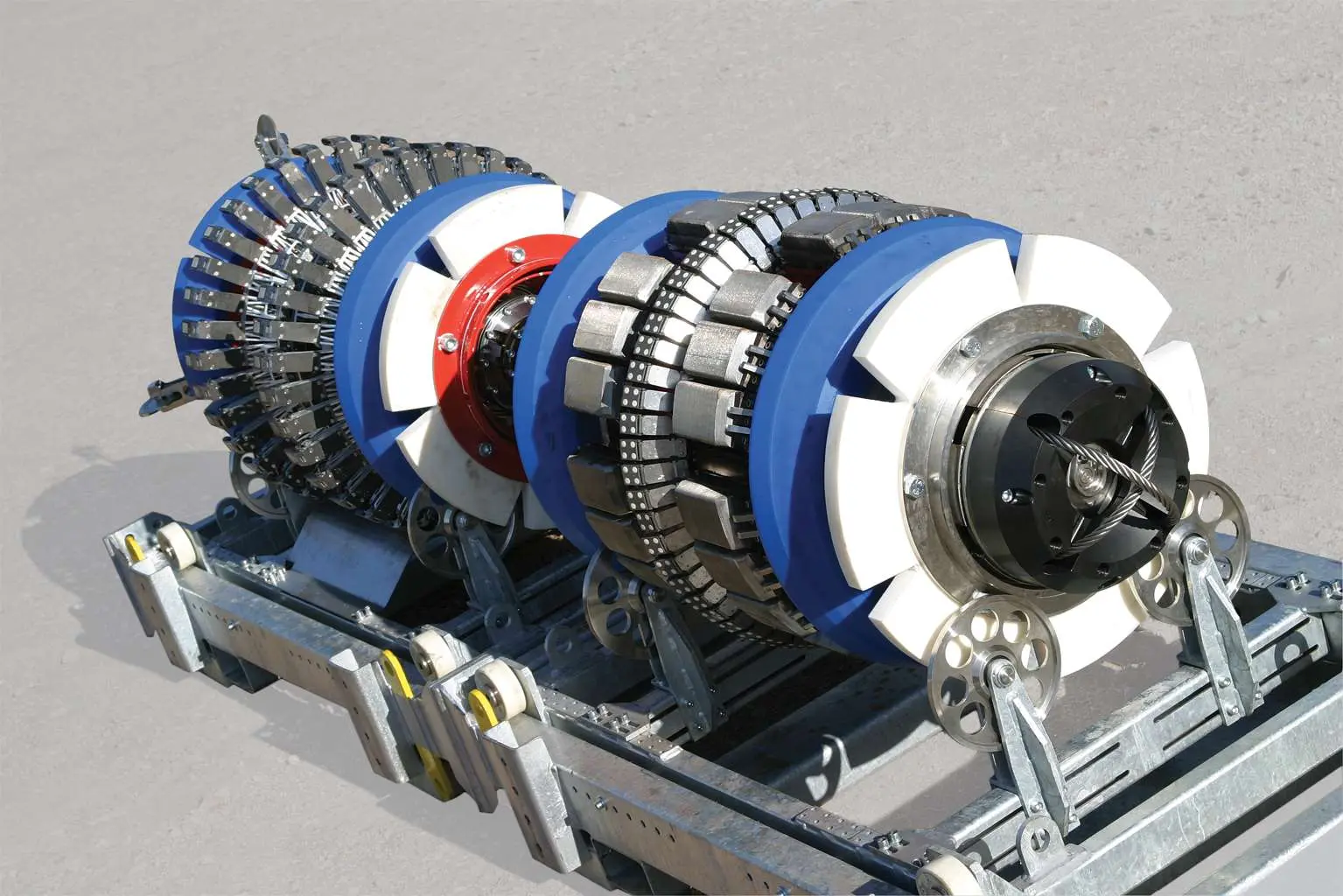
  • How Inline Inspection (ILI) Tools Detect and Prevent Pipeline Corrosion?

    How Inline Inspection (ILI) Tools Detect and Prevent Pipeline Corrosion?

    Corrosion is one of those things pipeline operators hope they never have to talk about, but it’s always lurking in the back of everyone’s mind. It’s like that one tiny problem you swear you’ll deal with “next month,” and suddenly, boom — you’re dealing with leaks, pressure drops, downtime, clean-up crews, and a whole lot of stress you didn’t ask for.

    That’s exactly why Inline Inspection tools employed by pipeline inspection services professionals have become such a big deal in the past decade. They’re basically the superheroes of the pipeline world, except instead of capes and dramatic poses, they come in the form of “smart pigs” packed with sensors, magnets, and analytics that quietly do the work long before humans even notice something’s wrong.

    And honestly? When you understand how these tools actually detect corrosion inside pipelines, it gives you a whole new appreciation for them. So let’s break it down in a way that doesn’t sound like a manual written by a robot.

    What Exactly Are ILI Tools?

    If you’re picturing a farm pig waddling through a pipe, trust me, you’re not alone — everybody has that mental image at first. But ILI “pigs” are more like high-tech robots. They travel through the pipeline using the product flow and scan the entire inside surface as they move.

    Think of it like sending a medical device through your arteries to check for blockages — same concept, just more industrial and (hopefully) less terrifying.

    These tools gather data on:

    • Corrosion
    • Dents
    • Cracks
    • Wall thinning
    • Deformations
    • Weld issues

    Basically, if the pipe has secrets… an ILI tool knows them.

    How ILI Tools Actually Detect Corrosion?

    Corrosion inside pipelines is sneaky. Sometimes it forms slowly like surface pitting. Sometimes it expands like wall thinning. And sometimes it’s totally invisible until it’s already dangerous.

    Here’s how ILI tools find it before it finds you:

    1. Magnetic Flux Leakage (MFL)

    This is the OG of corrosion detection. The tool magnetizes the pipe wall. If there’s metal loss (aka corrosion), the magnetic field “leaks,” and sensors pick it up.

    It’s kind of like waving a magnet across a surface and noticing where it doesn’t grab as well — except, of course, with way more precision and zero guesswork.

    2. Ultrasonic Testing (UT) ILI Tools

    These use sound waves to measure pipe wall thickness. When corrosion has thinned the wall, the change in echo time tells the story.

    It’s literally an ultrasound — not for babies, but for steel.

    3. Electromagnetic Acoustic Transducers (EMAT)

    These detect corrosion without needing a liquid couplant. They’re great for detecting stress corrosion cracking, especially in gas pipelines.

    Think of it as listening for weird noises inside the pipe.

    4. Geometry & Caliper Tools

    These don’t read corrosion directly, but they spot dents, wrinkles, and buckles that might eventually lead to corrosion or compromise integrity.

    Sometimes the “almost problems” are just as important to find as the real ones.

    Preventing Corrosion Before It Gets Ugly

    Detection is only half the story. ILI tools help prevent future corrosion through smart analytics. Modern ILI runs provide:

    • Growth rate predictions
    • Remaining life estimates
    • Corrosion hotspots
    • Coating failure indicators
    • Repair prioritization lists

    Instead of guessing what needs attention, operators and tank inspection services providers finally get something solid — usable data. And, let’s be real, nothing is more reassuring than having a report that says, “Here’s exactly what’s wrong and exactly what to fix first.”

    Why ILI Still Matters?

    Sure, we now have drones, crawlers, sensors, SCADA, real-time monitors… but ILI still holds its throne because:

    • It covers long pipeline distances
    • It gives highly accurate wall-loss measurements
    • It finds issues people can’t see without digging
    • It’s repeatable (so you can compare year to year)

    Plus, operators trust it. After thousands of runs and millions of miles inspected, it’s become the standard for a reason.

    Final Thoughts

    Pipeline corrosion isn’t going anywhere — it’s just a part of the industry. But what’s changed is how early and how accurately we can spot it. Inline Inspection tools give operators the advantage of time: time to plan repairs, schedule maintenance, avoid failures, and most importantly, keep the entire system safe.

    And honestly, having data that tells you exactly what’s happening inside your pipeline? That’s priceless.

    Also Read-Unselect vs Deselect: Which Term Should You Use in Tech? 🖱️💡