Category: Home Improvement

  • How To Adapt Drainage Maintenance To Modern Infrastructure Demands

    How To Adapt Drainage Maintenance To Modern Infrastructure Demands

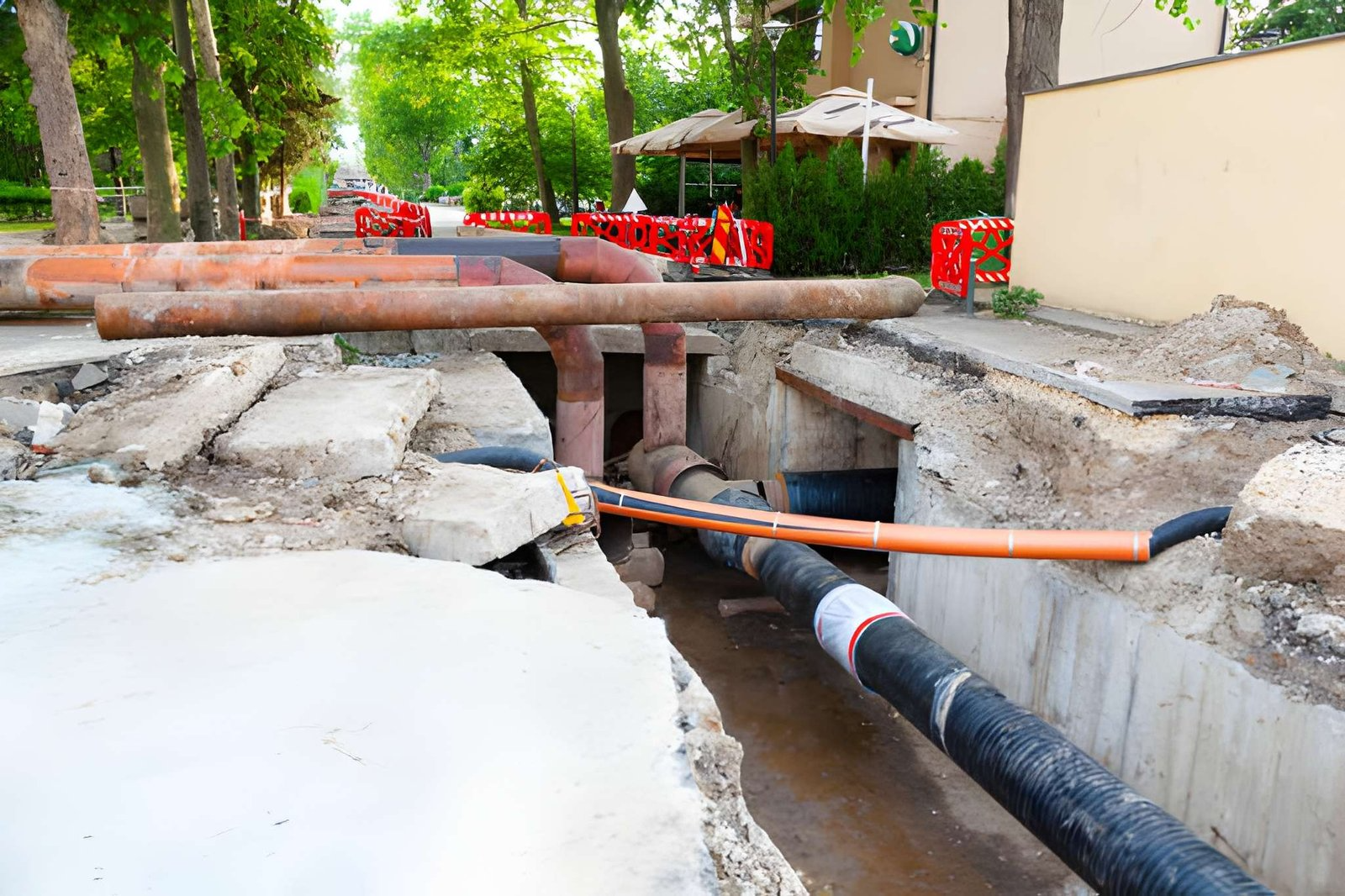
    Modern drainage systems face challenges that were far less common in the past. Rapid urban expansion, increased wastewater volumes, aging infrastructure, and changing environmental conditions have transformed the way drainage networks are managed. Traditional maintenance approaches often struggle to keep up with these demands, making adaptation essential for long-term system performance. Today, advanced solutions such as high pressure water blasting have become valuable tools in helping infrastructure managers respond effectively to evolving drainage requirements. These technologies allow maintenance teams to remove stubborn buildup more efficiently while minimizing disruption to surrounding infrastructure. As a result, drainage systems can maintain higher levels of performance and reliability even under increasing operational demands.

    Understanding Changing Infrastructure Needs

    Infrastructure networks are constantly evolving. New developments, larger populations, and expanding commercial activities place additional pressure on drainage systems that may have originally been designed for lower demand levels.

    As wastewater volumes increase, maintenance strategies must also evolve. Systems that once required occasional servicing may now need more frequent inspections and cleaning to maintain efficiency. Adapting maintenance practices ensures that drainage infrastructure continues to operate reliably despite changing conditions.

    Moving Beyond Reactive Maintenance

    For many years, drainage maintenance focused primarily on responding to visible problems. Blockages, backups, and overflows often triggered service activities only after disruption had already occurred.

    Modern infrastructure management encourages a more proactive approach. Instead of waiting for failures, organizations increasingly monitor system conditions and perform maintenance before major issues develop. This shift reduces operational risks and supports more predictable maintenance planning.

    Recognizing Early Warning Signs

    One of the most effective ways to adapt maintenance strategies is by identifying warning signs before they escalate. Slow drainage, recurring blockages, unusual odors, and reduced flow efficiency can all indicate developing problems within a system.

    Addressing these issues early helps prevent more significant damage and reduces the likelihood of emergency interventions. Regular observation and assessment provide valuable insight into system health and support more informed maintenance decisions.

    Importance of Thorough Internal Cleaning

    As drainage systems age, internal buildup becomes a major concern. Grease, sediment, debris, and mineral deposits gradually accumulate along pipeline walls, reducing flow capacity and increasing the risk of blockages.

    Thorough cleaning plays a critical role in restoring system performance. Modern cleaning methods target buildup directly and remove materials that conventional approaches may leave behind. This helps maintain efficient flow while reducing stress on infrastructure components.

    Using Advanced Water-Based Cleaning Methods

    Water-based cleaning technologies have transformed modern drainage maintenance. Unlike traditional mechanical methods, these techniques use controlled water pressure to remove stubborn deposits and debris from inside pipelines. This approach is widely used in high pressure water jet sewer cleaning in Dubai because it provides effective cleaning while helping maintain the structural integrity of drainage systems.

    The effectiveness of these methods lies in their ability to clean large sections of infrastructure without extensive excavation or disruption. By restoring pipe capacity and improving flow conditions, water-based cleaning contributes to better overall system performance.

    Adapting To Urban Drainage Complexity

    Urban drainage networks have become increasingly complex. Underground utilities, dense construction, and interconnected systems create maintenance challenges that require specialized solutions.

    Adapting to this complexity involves selecting maintenance methods capable of reaching difficult areas while minimizing disruption to surrounding activities. Modern cleaning and inspection technologies allow technicians to work more efficiently within these challenging environments.

    High-Pressure Cleaning Technology

    High-pressure cleaning has become an important component of modern infrastructure maintenance. Systems designed for water jet sewer cleaning help remove stubborn obstructions, accumulated waste, and hardened deposits that can restrict flow.

    These technologies improve cleaning effectiveness while reducing the need for invasive repair work. Their ability to restore pipeline performance makes them valuable for both preventive maintenance programs and corrective service activities, especially when combined with high pressure water blasting techniques for deeper and more thorough pipeline cleaning.

    Supporting Long-Term Infrastructure Reliability

    Reliable drainage systems depend on consistent performance over time. Maintenance strategies that focus only on short-term fixes often fail to address underlying conditions that contribute to recurring problems.

    By adapting maintenance practices to include regular cleaning, inspection, and performance evaluation, infrastructure managers can improve reliability significantly. This long-term perspective helps reduce unexpected disruptions and extends the lifespan of critical assets.

    Improving Resource Management

    Effective maintenance is not only about system performance but also about resource efficiency. Unexpected failures often require substantial labor, equipment, and repair costs that place strain on maintenance budgets.

    Adapted maintenance strategies help organizations allocate resources more effectively by focusing on prevention rather than emergency response. This improves operational efficiency while supporting better financial planning and asset management.

    Preparing For Future Infrastructure Challenges

    Infrastructure demands are expected to continue growing as urban development expands. Climate variability, increased population density, and changing land use patterns will place additional pressure on drainage networks. This makes maintenance strategies like high pressure water jet sewer cleaning in Dubai increasingly important for ensuring long-term system efficiency and reliability under challenging conditions.

    Preparing for these challenges requires maintenance programs that are flexible and capable of evolving alongside infrastructure needs. Modern cleaning technologies, regular assessments, and proactive planning will play an increasingly important role in maintaining system resilience.

    Building Sustainable Maintenance Practices

    Sustainability is becoming a key consideration in infrastructure management. Efficient maintenance practices help reduce waste, extend asset lifespan, and minimize environmental impact.

    Modern drainage maintenance supports sustainability by keeping systems operating efficiently while reducing the need for large-scale repairs and replacements. Well-maintained infrastructure also performs more effectively during periods of increased demand, contributing to long-term operational stability.

    Conclusion

    Understanding how to adapt drainage maintenance to modern infrastructure demands is essential for maintaining reliable and efficient wastewater systems. Through proactive planning, advanced cleaning technologies, and ongoing performance monitoring, organizations can address evolving challenges more effectively. Solutions such as high pressure water blasting and jet sewer cleaning support cleaner pipelines, improved flow efficiency, and stronger long-term infrastructure performance. As infrastructure networks continue to expand, adopting modern maintenance practices becomes increasingly important for preventing costly disruptions. Regular system care helps extend asset lifespan while ensuring consistent operational reliability. This forward-looking approach supports both sustainable infrastructure management and long-term service efficiency.

    For those seeking professional expertise in modern drainage maintenance, JB ALLO Sewage continues to provide valuable industry knowledge and practical solutions that support dependable infrastructure management.

    Read more: Japanese Translation Services Pricing in 2026: What Businesses Should Expect to Pay

    How AI-Powered Personal Assistants Are Redefining Daily Productivity

    Why You Need Heavy-Duty Load Bars?

  • Beating the Arkansas Heat: What Homeowners in Springdale Should Know About Cooling Their Homes

    Beating the Arkansas Heat: What Homeowners in Springdale Should Know About Cooling Their Homes

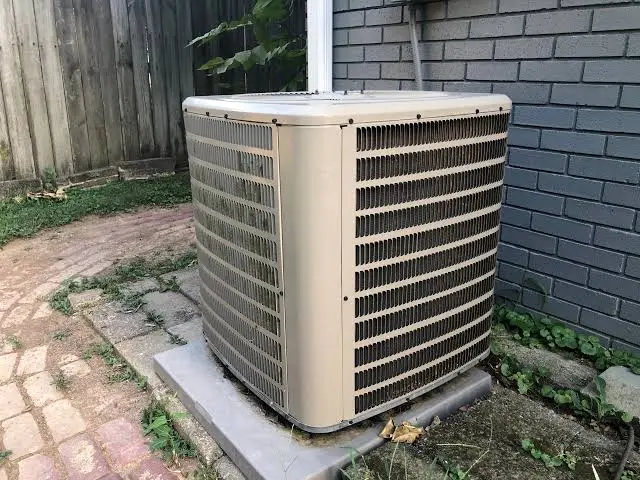
    There’s a particular kind of misery that comes with a broken air conditioner in July. You know the feeling if you’ve lived in Northwest Arkansas for even one summer — that thick, syrupy humidity that settles over everything by ten in the morning. I remember a neighbor of mine, a guy named Ron who’s lived off Har-Ber Avenue for going on fifteen years, telling me his unit gave out on a Sunday afternoon during a family cookout. Nothing quite ruins brisket like watching your guests sweat through their shirts while you frantically Google repair shops. That’s the kind of story that sticks with you, and honestly, it’s why so many folks around here have learned the hard way that cooling systems don’t wait for convenient timing to fail.

    Let’s talk about two things that matter a lot if you own a home in this part of the state: getting a new system put in properly, and knowing who to call when the one you already have starts acting up.

    Why Proper Setup Matters More Than People Think

    A lot of homeowners assume that once you’ve picked a unit, the hard part is over. Not quite. The equipment itself is only half the equation — how it’s put into your home determines whether it runs efficiently for the next fifteen years or struggles from day one. Ductwork sizing, refrigerant charge, thermostat placement, even the location of the outdoor condenser (shaded but not smothered by shrubs, if you can manage it) — these details add up.

    I’ve talked to techs who’ve walked into homes where a perfectly good system was wheezing along at half capacity simply because it wasn’t matched to the house correctly. Air condition installation done right accounts for square footage, insulation quality, window exposure, and even how many people typically occupy the home. Skip that homework, and you’ll be paying for it every single month on your electric bill — not to mention the wear and tear that shortens the unit’s lifespan.

    There’s also the matter of timing. Spring, oddly enough, tends to be the smartest window to get new equipment installed. Demand is lower, technicians aren’t stretched thin, and you’re not sweating through a heatwave while waiting for parts. But life doesn’t always cooperate with ideal timing, and sometimes a system just gives out mid-August with zero warning.

    When Repairs Become the More Urgent Conversation

    Not every cooling problem calls for a full replacement. Sometimes it’s a capacitor, a clogged condensate line, or a refrigerant leak that a skilled technician can diagnose in under an hour. The trick is knowing when a fix is genuinely a fix, versus when you’re throwing money at a system that’s already on its last legs.

    This is where local knowledge becomes surprisingly valuable. Weather patterns, water quality, even the age of typical housing stock in a given town affect how HVAC systems age and fail. Someone searching for ac repair in springdales ar isn’t just looking for a generic technician — they’re looking for someone who understands how the region’s humidity and temperature swings put specific strain on compressors and coils. A tech who’s worked dozens of homes in the same zip code has probably seen the exact issue you’re dealing with a hundred times before.

    Signs You Shouldn’t Ignore

    A few things tend to signal trouble before a full breakdown happens:

    • Warm air blowing even when the thermostat says it’s cooling
    • Strange noises — grinding, clicking, or a persistent hum that wasn’t there before
    • Higher-than-usual utility bills without a clear reason
    • Uneven cooling between rooms
    • Musty smells, which sometimes point to mold in the ductwork

    None of these guarantee disaster, but ignoring them rarely ends well. Small issues left unaddressed tend to snowball into expensive ones, and in the middle of a heat advisory is not when you want to discover that.

    Maintenance: The Unsexy Habit That Actually Saves Money

    Nobody gets excited about scheduling a seasonal tune-up. It’s not glamorous, and it’s easy to put off. But changing filters regularly, keeping the outdoor unit free of leaves and debris, and having a professional check refrigerant levels once a year genuinely extends equipment life. Think of it like an oil change for your car — skip it long enough, and you’re not saving money, you’re just delaying a much bigger bill.

    Choosing Who You Trust With Your Home

    At the end of the day, cooling your home is deeply personal. It’s not just about comfort — it’s about protecting your family, your pets, and honestly, your sanity during the hottest stretches of summer. Whether you’re weighing a full system replacement or just need someone reliable for a same-day fix, working with people who know the local climate and housing quirks makes a real difference. Ask around, check reviews, and don’t be afraid to ask a technician direct questions about their experience with systems similar to yours.

    FAQs

    How long does a typical AC installation take?
    Most residential installations take anywhere from four to eight hours, depending on the complexity of the ductwork and whether any modifications are needed to accommodate the new unit.

    Is it worth repairing an older AC unit instead of replacing it?
    It depends on the age and condition. If the unit is under ten years old and the repair cost is reasonable, fixing it often makes sense. Beyond that, replacement usually pays off in efficiency and reliability.

    How often should I schedule maintenance for my cooling system?
    Once a year, ideally in early spring before the heat sets in, is generally enough to catch small issues before they become expensive problems.

    Also Read-The Hidden Costs of Parking Large Vehicles at Home

  • How to Stay Prepared for Social Gatherings with Premium Supplies

    How to Stay Prepared for Social Gatherings with Premium Supplies

    Stay Ready for Every Social Plan

    Social plans in India are often undecided a day or two before. Calls can come in the blink of an eye, people can decide to drive, and there can be a last-minute plan for hanging out in the open again. So, it is important to be ready all the time.

    The habit of making a kit with most of the things you will need saves time and stress. Just keep a packet of rolling paper in your kit. It is really compact, you can carry it without any problem, and it is really handy when your plan changes suddenly.

    Why Preparation Makes You Look Effortless

    Everybody likes to be able to relax without having to scramble for the basics. When you are the one who is already sorted, you earn silent respect. So, keeping a rolling paper with you means that you are not relying on local stores or late-night searches. Besides that, it helps you to stay discreet and organized.

    In the meantime, using the best grocery delivery app is the real game changer. You can just stay indoors and everything will be delivered to you quickly. The company such as Swiggy Lite is always there when you want things to be smooth and private. So, even if you happen to forget something, you can order and have it in minutes.

    Smart Packing for Outdoor Scenes

    Packing smart is not about carrying more. It is about carrying the right things. Your essentials should fit into a small pouch. Include rolling paper, a lighter, and anything else you use often. Now here’s where most people mess up—they assume they will “figure it out later.” That is lazy thinking. Plans do not wait.

    Get all your stock ready beforehand from using the best grocery delivery app so that you are always prepared. It not only saves time but also avoids the hassle that is unnecessary. On a practical note, it is always a good idea to have an extra pack of rolling paper. Someone is always the one to forget. You don’t want to be that person.

    Convenience is the Real Luxury

    Today convenience means not only speed but also privacy and with the best grocery delivery app, for example, you don’t have to stand in the queue and make the purchases that you usually feel a bit awkward about. Everything will be delivered at your home.

    With delivery apps you can simply order rolling papers within a few minutes. No planning stress and no delays. This is really useful for unplanned outings or late night get-togethers.

    Conclusion: Stay Ready, Stay Ahead

    Preparing does not mean worrying. It just means being clever. One, seemingly small, thing to carry with you is a rolling paper that can really make your day. Add to that the quickness of the best grocery delivery app and you will always be one step ahead.

    Most people only respond. You, on the other hand, get ready. That makes the difference.

    Also Read

  • Why Shingle Damage Often Signals Deeper Problems Beneath the Surface

    Why Shingle Damage Often Signals Deeper Problems Beneath the Surface

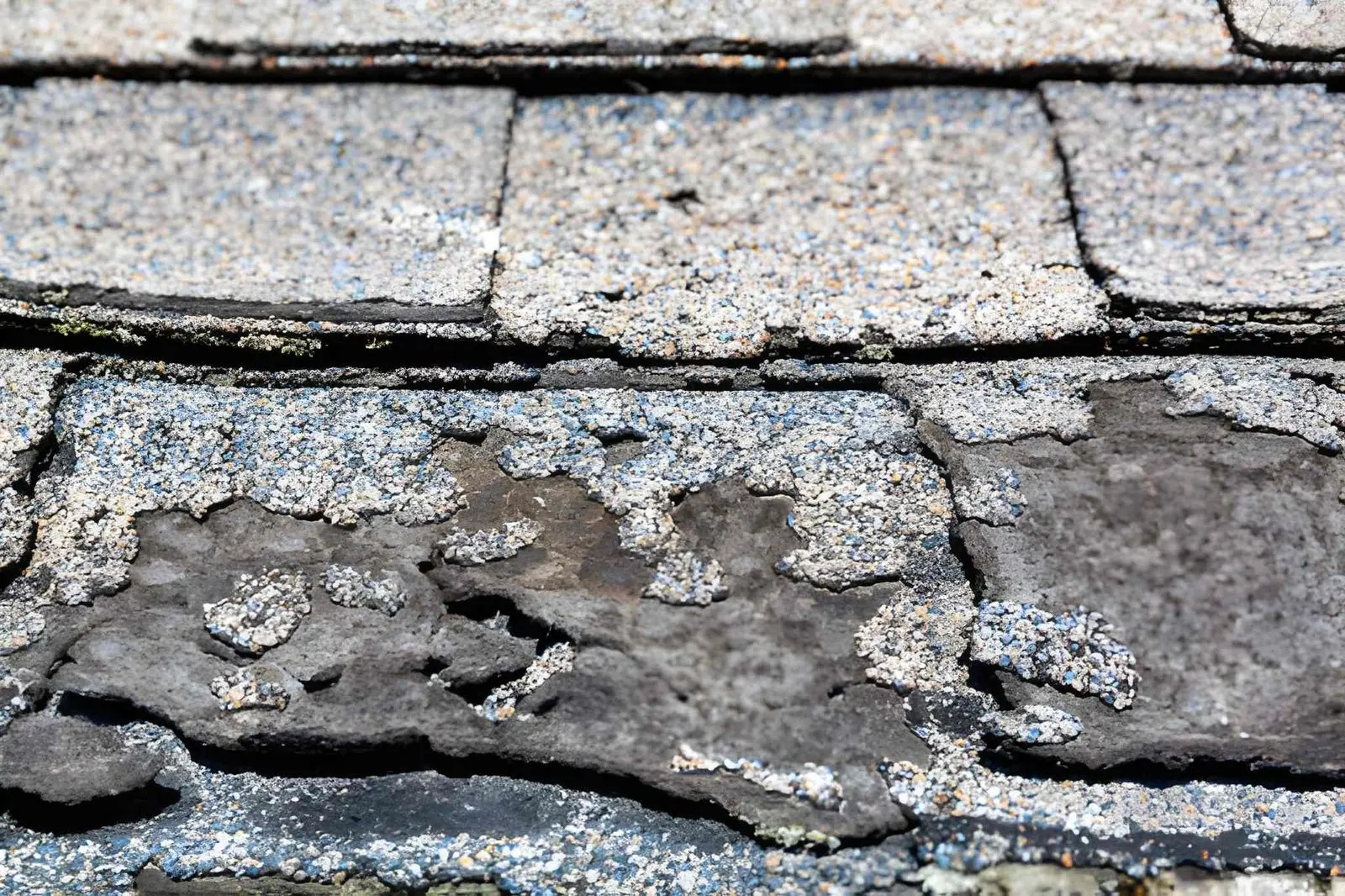
    A few damaged shingles can look like a simple fix. From the ground, it might seem like a small section just needs to be replaced. But in many cases, what is visible on the surface is only part of the issue. Shingles are the outer layer of a larger system, and when they fail, the layers underneath are often already affected. For homeowners considering roofing services Eagle Mountain, understanding what sits beneath those shingles is key to making the right repair decision.

    The challenge is that the underlying damage is not always obvious. A roof can look mostly intact while moisture has already reached the underlayment or even the decking below. By the time surface damage appears, the problem may have been developing for much longer.

    Shingles Are Not the Only Protection

    Shingles are designed to shed water, not act as the only barrier. Beneath them sits underlayment, which provides a secondary layer of protection. Below that is the roof deck, which supports the entire system. Once shingles are compromised, water can begin working its way past that outer layer.

    If the underlayment is still intact, it may slow the process. But once it begins to wear or tear, moisture can reach the decking. At that point, the issue moves beyond surface damage and becomes structural.

    Water Moves Beneath the Surface Before It Becomes Visible

    Water rarely stays at the entry point. After getting beneath the shingles, it can travel along the underlayment or decking before settling in a low spot. This is why interior stains often do not align with visible damage above.

    As moisture spreads, it affects a larger section of the roof. Fasteners can loosen, wood can soften, and materials may begin to separate. A small entry point can lead to a wider problem without obvious exterior signs.

    Underlayment Failure Allows Moisture to Spread

    Underlayment often takes the impact after shingles begin to fail. It can tear under stress, degrade from heat, or weaken after repeated exposure to moisture. Once that layer is compromised, it no longer provides reliable protection.

    Replacing surface materials alone does not resolve this condition. If the underlayment has already failed, water can continue to enter and move through the system. This is a common reason repairs do not hold.

    Decking Damage Changes the Scope of the Work

    Once moisture reaches the decking, the repair becomes more involved. Roof decking can absorb water and begin to weaken over time. Soft areas, warping, or deterioration may develop even if the surface still appears stable.

    At this stage, repairs extend beyond shingles and underlayment. Sections of decking may need to be replaced to restore the structure. Ignoring this layer often leads to continued problems after surface work is completed.

    Surface Repairs Alone Often Miss the Root Cause

    Replacing a few shingles or sealing a visible gap can stop a leak for a short time, but it does not deal with moisture that has already worked its way underneath. If the underlayment or decking has been affected, water can continue to move through those layers and show up again later. That is why the same leak often returns after a basic patch. A repair holds only when the problem below the surface is found and corrected.

    Identifying Hidden Damage

    A proper inspection goes beyond what is visible on the surface. It involves checking for soft spots in the decking, signs of moisture beneath the shingles, and areas where materials have loosened or shifted. Small irregularities, like slight dips or uneven sections, often point to deeper issues.

    The attic can confirm what is happening below. Staining on wood, damp insulation, or slight sagging usually means moisture has been present for some time. These details help show whether the problem is limited to the surface or affects the structure underneath.

    Targeted Repairs Work When Damage Is Limited

    If the underlying layers remain intact and the damage is confined to a small area, a focused repair can be effective. Replacing affected shingles and reinforcing surrounding components can restore performance. The key is confirming that moisture has not spread beyond the visible section. When the issue is contained, repairs can provide a reliable solution.

    Widespread Wear Requires a Broader Solution

    If underlayment failure or decking damage appears in multiple areas, surface repairs may not be enough. Repeated issues or multiple weak spots suggest that the roof system is wearing down more broadly. In these cases, replacing larger sections or the full system may be more practical. This approach restores all layers at once and reduces the need for ongoing repairs.

    Lasting Repairs Address the Full Roofing System

    The difference between a short-term fix and a lasting repair comes down to scope. Addressing only the surface may stop a leak briefly, but it does not prevent future problems if deeper layers are affected. Looking at the full system, including underlayment and decking, ensures the repair resolves the actual cause. This approach helps prevent repeat issues and extends the life of the roof.

    Conclusion

    Shingle damage is often the first visible sign of a deeper issue within the roofing system. What looks like a small surface problem may involve underlayment failure or decking deterioration beneath it. For homeowners considering roofing services Eagle Mountain, understanding these hidden layers helps avoid repairs that only solve part of the problem. Addressing the full system, not just the surface, is what keeps a roof performing the way it should.

    Also Read

  • How Technology Is Shaping the Future of Home Buying

    How Technology Is Shaping the Future of Home Buying

    The landscape of home buying is undergoing a significant transformation, driven by rapid technological advancements that impact every stage of the process. From the earliest steps of property searching to finalizing transactions, technology has made the home-buying journey more transparent, efficient, and personalized than ever before. Tools like virtual home tours, predictive analytics, and AI-powered platforms now enable buyers and sellers to access a wealth of information from their phones or computers, saving time and reducing uncertainty. For instance, Santa Cruz CA real estate agent Daniel Oster, founder of Just Listed Santa Cruz, leverages cutting-edge digital tools to provide his clients not only with comprehensive market insights but also with personalized property recommendations based on their unique needs and lifestyles. As a result, buyers can now navigate the market with greater confidence and ease, while agents are empowered to offer better guidance and support.

    Virtual and Augmented Reality: Immersive Property Exploration

    Virtual reality (VR) and augmented reality (AR) have revolutionized property viewing, enabling buyers to virtually explore homes with VR headsets or smartphones. These immersive tours simulate walking through a property and give users control over their experience. This innovation saves time and travel, broadens exploration beyond local areas, and helps relocating families, busy professionals, and international buyers engage with the market. Listings featuring virtual tours garner more interest and inquiries than traditional photos, underscoring their significance in modern real estate. Consequently, agents and developers frequently invest in VR and AR to attract tech-savvy clients and differentiate themselves in competitive markets.

    Artificial Intelligence: Personalized Recommendations and Market Insights

    Artificial intelligence (AI) is revolutionizing the home-buying process by providing personalized property recommendations and market insights. AI systems analyze extensive data, including property features, neighborhood statistics, past sales, and buyer preferences, to identify relevant homes. They adapt by learning user behavior, which helps refine recommendations, reducing search time and better matching needs. AI-powered analytics offer real-time updates on price movements, inventory levels, and emerging neighborhoods, enabling buyers to make strategic decisions. For instance, an AI platform can propose homes based on criteria such as the number of bedrooms, proximity to schools, or walkability, enhancing the experience for both first-time and experienced buyers. Additionally, AI helps agents understand demand trends and optimize their marketing efforts.

    Blockchain: Enhancing Transparency and Security

    Blockchain improves transparency and security in real estate by recording property data on a decentralized, immutable ledger, helping reduce fraud and tampering. It simplifies processes such as title transfers, escrow, and contract execution, reducing paperwork and delays. All changes are recorded and timestamped, enabling real-time transaction tracking. Industry experts estimate that blockchain could save billions globally by reducing errors, preventing fraud, and automating manual procedures.

    Smart Homes: The Integration of IoT

    The growth of smart home technology, fueled by IoT, is rapidly influencing buyer preferences and current living standards. Homebuyers now look for features such as smart thermostats, integrated security systems, smart lighting, and voice assistants, which improve convenience, comfort, and energy savings. For example, smart thermostats automatically regulate temperature, while advanced security setups enable remote monitoring and alerts. This trend has become essential in new constructions and renovations, attracting tech-savvy buyers who prioritize connectivity, safety, and sustainability. Those investing in IoT upgrades often benefit from increased interest and higher resale prices.

    Data Analytics: Informed Decision-Making

    Big data analytics provide buyers and sellers with comprehensive market information that was once accessible only to professionals. By examining details such as home prices, sales data, school ratings, crime statistics, and local amenities, buyers can make informed decisions, reducing uncertainty and enhancing confidence. Analytics also help spot emerging neighborhoods by monitoring trends in value growth and demographic shifts, supporting smarter investments. Additionally, some apps help compare financial forecasts and potential returns, minimizing surprises and boosting user satisfaction.

    Mobile Applications: On-the-Go Accessibility

    Mobile apps play a vital role in home-buying by providing flexibility and control. Users can search for properties, arrange viewings, take virtual tours, calculate mortgages, and connect with agents from any location. This convenient access facilitates quicker, more informed decisions and caters to the modern preference for self-service. Builder apps allow users to explore floor plans, book tours, and personalize designs. During negotiations, these apps support rapid communication and document sharing, helping ensure transactions proceed smoothly.

    3D Printing: Revolutionizing Home Construction

    3D printing is revolutionizing home construction by accelerating construction, reducing costs, and enabling customization. It uses specialized printers and concrete to produce structural components efficiently, reducing build times and costs. Entire homes have been constructed in just a few days, helping address housing shortages and support disaster relief efforts. The technology offers great design flexibility, enabling tailored layouts and unique features without incurring high additional costs. As technology advances, it has the potential to make homeownership more attainable and to support environmentally friendly, sustainable building methods.

    Conclusion

    Technology is undeniably reshaping the future of home buying, making the process more efficient, transparent, and tailored to individual needs. Virtual reality, artificial intelligence, blockchain, and smart home devices are not only enhancing convenience and security but are changing the expectations of what’s possible in real estate. As these innovations continue to evolve and become more widespread, they promise to deliver even greater benefits for all parties involved, from first-time buyers to seasoned investors and real estate professionals, paving the way for a more dynamic, inclusive, and accessible property market.

    Read more: How Track Surface Choice Affects Athlete Performance and Injury Risk

    The Psychology Behind Online Decision-Making and Digital Trust

    What Employees Seek in Modern Payroll Benefits

  • The Benefits of Single-Property vs. Portfolio Investments Under Current Greek Law (2026)

    The Benefits of Single-Property vs. Portfolio Investments Under Current Greek Law (2026)

    A fundamental shift in the Southern European real estate landscape is observed in 2026. The Greek government has implemented sophisticated policies designed to balance foreign capital inflow against local housing needs. For investors, the choice has moved beyond finding a “beautiful villa” to navigating a strict legal framework that distinguishes between Single-Property Assets and Multi-Unit Portfolios.

    The 2026 Regulatory Reality: A Tiered System

    Before choosing a strategy, investors must understand the current “One-Property Rule” that dominates the primary investment tiers, ensuring that each greek golden visa pathway remains a high-quality contribution to the local housing market.

    • Zone A (€800,000): Athens, Thessaloniki, Santorini, and Mykonos are cities that need at least two adjacent plots with 120 square meters of total area.
    • Zone B (€400,000): The remainder of Greece needs a single building that satisfies the smallest size requirement of 120 square meters.
    • Special Conversion (€250,000): This subsidy is used to finance projects based on the transformation of commercial space into residential space and the reconstruction of historical buildings.

    Single-Property Investments: The High-Net-Worth Standard

    For the majority of investors in the €800k and €400k brackets, the single-property path is now the only legal route to residency.

    Key Benefits:

    • Operational Simplicity: There is less cumulative strain on the maintenance work and tax filings.
    • The 120 sqm Compliance: In 2026, the Greek authorities will be very strict on the minimum size rule. An individual luxury apartment or villa can fulfill this need, and attempting to merge smaller units is legally forbidden in Zones A and B.
    • Capital Appreciation: The best assets in the Athens Riviera or historic areas have long been the ones that are most resistant to recession and best appreciated in value over time.

    Portfolio Investments: Diversification via Conversion (€250k)

    While restricted in prime zones, the “Portfolio” strategy is thriving under the €250,000 Conversion Route. Investors can purchase multiple commercial lofts or units within a single building and convert them to residential use.

    Key Benefits:

    • Risk Mitigation: The rental income from other units will balance the income loss that results from one unit being vacant
    •  Higher Yield Potential: The total monthly rent for multiple smaller units, which include studios and 1-bedroom lofts, exceeds the rent for a single large luxury apartment.
    • Exit Strategy Flexibility: It is significantly easier to sell a €125,000 renovated unit to a local buyer than to find a niche international buyer for an €800,000 estate.

    2026 Technical Comparison: Yields & Compliance

    FeatureSingle Luxury (€400k/€800k)Multi-Unit Portfolio (€250k)
    Minimum Size120 sqm MandatoryNo Minimum
    Rental TypeLong-term ONLYLong-term ONLY
    Airbnb EligibilityPROHIBITEDPROHIBITED
    Tax Rate (2026)15% – 45% (Tiered)New 25% bracket (€12k–€24k)
    Legal RiskLow (Single Deed)High (Conversion Zoning)

    Critical Compliance Warning: The “Airbnb Ban”

    Expert Note (Trust Signal): In 2026, all properties acquired via the greek golden visa are strictly prohibited from being listed on short-term rental platforms (Airbnb, Booking.com). Violations result in an immediate €50,000 fine and the permanent revocation of the residency permit. Investors must now pivot to the “Long-term Professional” or “Digital Nomad” tenant market.

    Tax Efficiency & The 2026 Update

    Greece’s rental income tax was updated on January 1, 2026. For portfolio investors, the new 25% intermediate tax bracket (for income between €12,001 and €24,000) requires careful financial modeling. Furthermore, the Electronic Building ID is now a mandatory digital certificate; no transaction can be completed without a verified “Clean Technical Bill of Health.”


    Whether you choose the splendor of a single Athens penthouse or the resilience of a €250k conversion portfolio, your success in 2026 depends on Due Diligence. A real estate agent is no longer sufficient; you require a technical team to verify that your investment complies with the “120 sqm rule” and “Commercial-to-Residential” zoning laws.

    The Digital Property Ledger system will launch in the 2026 fiscal year, which connects Electronic Building IDs to the AADE Tax Authority portal after the 25% intermediate tax bracket. The system will perform an instant compliance check whenever rental income fails to meet the area’s Objective Value, which triggers an automatic audit. The Strategic Conversion option, which costs €250000 provides tax benefits through VAT exemptions for building renovations that receive “Commercial-to-Residential” approval from certified engineers.

    The 2026 update requires all Golden Visa holders to provide their annual “Residency & Asset Declaration” document. The document serves as proof that the investor owns the property and does not use it for illegal short-term rental activities. The most common reason for permit delays during the five-year renewal period arises from applicants who fail to present a “Clean Technical Bill of Health” document. Investors need to hire a Greek tax representative who will help them use automated reporting systems while protecting their assets from becoming regulatory liabilities.

    FAQ

    Q1: Can I buy two €200k apartments in Zone B to get the Golden Visa?

    No. Current law requires the €400k (and €800k) threshold to be met with a single property.

    Q2: What is the fine for short-term rentals?

    The fine is €50,000. All Golden Visa properties are now flagged in the Greek tax registry to prevent illegal short-term listings.

    Q3: Does the 120 sqm rule apply to the €250k conversion route?

    No. The 120 sqm minimum only applies to the “standard” real estate investments in the €400k and €800k zones.

    Also Read-Making Eye Exams Smoother With Better Tech

  • How Professional Drain Cleaning Transforms Home Maintenance in Philadelphia

    How Professional Drain Cleaning Transforms Home Maintenance in Philadelphia

    In Philadelphia, where historic homes are as common as new constructions, professional drain cleaning stands out as a significant component of home maintenance. Clogged or dirty drains are more than just an inconvenience: they can lead to severe plumbing issues and water damage, with the city’s older infrastructure often intensifying these problems. By ensuring that drains are regularly cleaned, Philadelphia homeowners can avoid costly repairs and maintain the structural integrity of their properties.

    Enlisting the services of a professional drain cleaner is not just about solving current issues—it’s a proactive approach to protecting one’s home. It enhances the longevity of plumbing systems and can help to identify potential problems before they escalate. In this article, the benefits of professional drain cleaning in Philadelphia will be detailed, showing how it can transform your approach to home maintenance.


    Professional Drain Cleaning: Transforming Home Maintenance in Philadelphia

    drain cleaning Philadelphia One of the primary benefits of professional drain cleaning is its ability to prevent small issues from becoming major headaches. In Philadelphia’s mix of weather conditions, from freezing winters to humid summers, drain blockages can become more frequent. Trained professionals use advanced techniques and equipment that homeowners generally do not have access to, ensuring that all types of blockages are cleared effectively.

    Moreover, expert drain cleaning services often include a comprehensive assessment of your home’s plumbing system. This might reveal hidden problems such as minor leaks or the early stages of pipe corrosion, enabling early intervention that can save Philadelphia homeowners considerable time and money.

    When choosing a drain cleaning service in Philadelphia, homeowners should look for licensed and experienced professionals who offer a warranty on their work. This not only guarantees the service quality but also provides peace of mind that the job will be done right the first time.


    How Regular Drain Cleaning Prevents Long-Term Damage to Your Pipes

    Scheduling regular professional drain cleaning is not merely a reactionary measure—it’s a preventative one. Over time, waste build-up can severely damage pipes, leading to leaks, bursts, and even whole-house plumbing system failures. These are expensive issues that also pose significant inconvenience and potential health hazards.

    For instance, in Philadelphia, where many homes have older plumbing systems, the accumulation of sediment, grease, and other debris over time can be particularly detrimental. Regular cleaning helps maintain the pipes in good condition, reducing the likeliness of cracks, clogs, and other structural damages.

    A proactive approach involves setting up a regular maintenance schedule with a trusted professional. This can also aid in extending the lifespan of plumbing systems, ensuring they function efficiently for as long as possible without the need for intrusive and costly replacements.


    Streamlining Home Upkeep with Professional Drain Services in Philadelphia

    Professional drain cleaning services in Philadelphia offer more than just unclogging drains; they contribute to a streamlined home maintenance routine. By delegating this task to experts, homeowners can save time and effort, freeing themselves to focus on other aspects of home care or simply enjoying their lives.

    A reliable service will offer transparent pricing, quick response times, and can often provide same-day service for emergencies, which is critical for a fast-paced urban lifestyle. Routine drain maintenance also means avoiding the unexpected disruptions that come from emergency plumbing complications.

    It’s often recommended to schedule drain cleanings during off-peak seasons, such as late fall or early winter in Philadelphia. This scheduling can lead to better availability and potentially lower costs while preparing your plumbing for the demands of the holiday season and harsh winter weather.


    The Role of Expert Drain Cleaners in Enhancing Home Hygiene and Comfort

    Drain cleaning professionals do more than just maintain the infrastructure of a home; they also play a crucial role in ensuring a healthy living environment. A clogged or poorly maintained drain can become a breeding ground for bacteria and pests, which are both health hazards and detractors from a home’s comfort.

    Clean drains reduce odors, prevent the growth of harmful microbes, and discourage pest infestations. Professionals utilize environmentally safe cleaners and techniques, guarding the health of homeowners while being conscious of their environmental impact, which is especially important in a city as eco-conscious as Philadelphia.

    Families can enjoy peace of mind about their home’s sanitation when they consistently hire expert drain cleaners. These professionals ensure that the integral parts of your plumbing are functioning as they should, contributing to a healthier and more comfortable home overall.

    Overall, the benefits of professional drain cleaning in Philadelphia extend far beyond the immediate unblocking of drains. It encompasses protecting the structural integrity of homes, preventing costly repairs in the long term, and contributing to a healthy, comfortable living environment. Homeowners who invest in regular professional drain cleaning can enjoy the peace of mind that comes with a well-maintained, efficient, and hygienic plumbing system.

    Also Read

  • Key Considerations When Comparing Different Homes

    Key Considerations When Comparing Different Homes

    Searching for your next home is an exciting process, but it goes beyond finding a place that looks appealing. Every detail, from location to design, can influence your daily life and long-term investment. If you are ready to take the next step or need professional guidance, reach out to Vero Beach FL real estate agent Kristin Dobson, who can help you navigate the local market with expertise.

    Understanding what sets each property apart will help you make a confident and informed decision. Whether you are a first-time buyer or seeking your forever home, assessing these essential factors ensures your selection offers comfort, quality, and value for years to come.

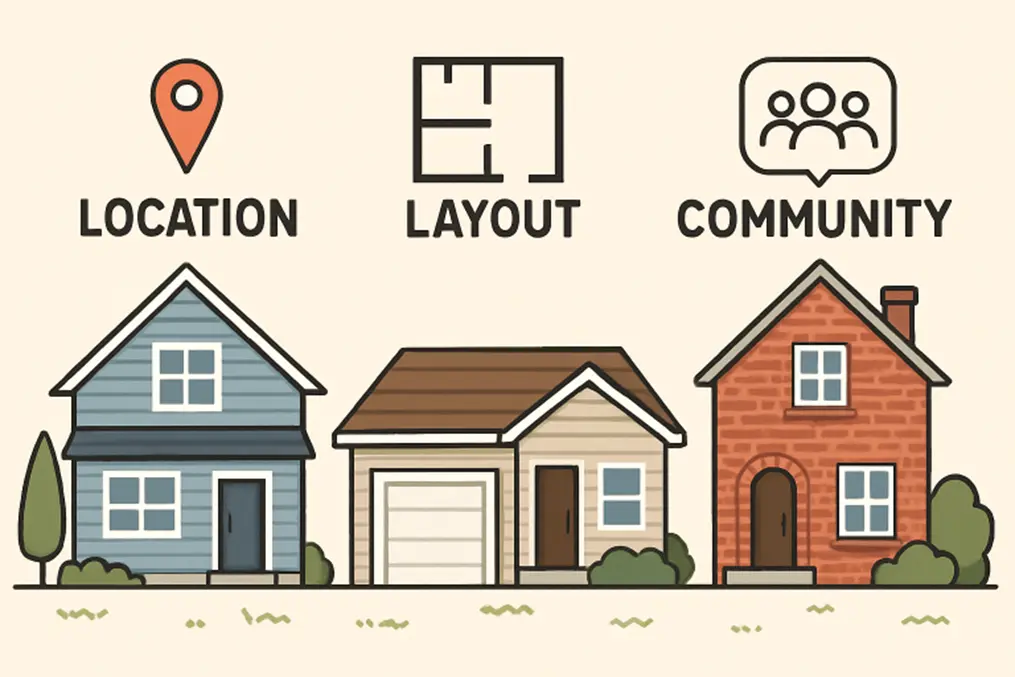
    Location Matters

    The surrounding neighborhood and local amenities are often just as important as the home itself. Proximity to schools, shopping, and key commuting routes can greatly impact your lifestyle. Think about local traffic, nearby parks, and the general atmosphere of the street or community. A thoughtfully chosen location not only adds to your enjoyment but also contributes to better resale value in the future. Location consistently ranks as the top priority for homebuyers and investors alike.

    Crime rates, local development plans, and access to healthcare facilities should also be considered in your evaluation. For example, a home tucked in a quiet subdivision may provide peace and privacy, while one closer to urban hubs offers vibrant activity and convenience.

    Layout and Functionality

    The best floor plan complements your daily life. Open layouts are ideal for entertaining, but you may prefer distinct rooms for privacy or remote work. Analyze how bedrooms and bathrooms are distributed, the flow between the kitchen and living spaces, and accessibility for all family members. Even the orientation of windows affects natural lighting and energy usage. Layout shapes your routine, enhances comfort, and can minimize household stress.

    Quality of Materials and Maintenance

    Durable building materials mean fewer repairs and greater satisfaction over time. Hardwood and tile are smart flooring choices for their resilience and longevity, while quartz or granite countertops stand up to daily wear beautifully. Examine cabinetry, insulation, and window quality. Inspect major systems like roofing, HVAC, plumbing, and electrical. Upfront investment in quality reduces your long-term maintenance costs and can extend your home’s lifespan.

    Financial Considerations

    Beyond the sticker price, a home’s total cost encompasses property taxes, insurance premiums, homeowner association dues, and typical utilities. High energy efficiency can reduce your monthly expenses. Include mortgage terms and down payment requirements in your financial planning. Starter homes have seen some of the highest appreciation rates, highlighting the need to balance potential financial growth with monthly costs.

    Builder’s Reputation

    When exploring new builds, research the developer’s history and quality assurances. Look for a proven track record of on-time delivery, few issues after occupancy, and positive owner reviews. Visit previous projects and speak with current residents about their experience. Reviewing a builder’s track record helps minimize surprises and secures your investment.

    Amenities and Facilities

    Community amenities can add real value and convenience to your home purchase. Swimming pools, fitness centers, walking trails, playgrounds, or secured entryways all increase your quality of life. However, not all amenities add value for every buyer, so choose those that will meet your personal needs. Keep in mind that additional facilities often translate to higher maintenance costs and, potentially, association fees.

    Energy Efficiency and Smart Technology

    Eco-friendly features are not just trendy; they are cost-saving and attractive to future buyers. Houses equipped with programmable thermostats, updated insulation, smart security, and solar panels reduce environmental impact and total utility bills. As technology advances, modern smart home systems, such as automation for lighting, blinds, and HVAC, can offer comfort and peace of mind while potentially increasing the home’s value.

    Resale Value and Future Flexibility

    Thinking ahead is part of a wise purchase. Homes in sought-after neighborhoods, with adaptable spaces and enduring finishes, tend to appreciate most reliably. Even if you expect to stay long-term, circumstances can change. Prioritize homes with strong resale potential, such as those in good school districts or in markets with upwardly appreciating values.

    Conclusion

    Choosing between different homes means looking beyond the basics. Each property is unique in terms of location, layout, materials, finances, builder, amenities, energy use, and resale vision. By weighing each aspect according to your preferences and needs, you ensure your investment leads to a fulfilling and successful homeownership experience.

    Also Read-Marketing for Business Growth

  • Tree House for Kids, How to Build It Right and Keep It Safe

    Tree House for Kids, How to Build It Right and Keep It Safe

    A tree house is a construction project, not a backyard decoration. It adds weight to a living structure, changes how your yard functions, and creates an elevated space where children gather. Treat it with the same seriousness as building a deck. The excitement should follow the planning, not replace it.

    Start by evaluating whether your children are at the right stage. A raised platform works best for children who understand boundaries and can follow instructions consistently. Younger children may enjoy it visually but lack the coordination and judgment required for safe use. If you have multiple children of different ages, design around the youngest frequent user. Height and access decisions should reflect the least experienced climber, not the most adventurous one.

    Next, consider how long the tree house will realistically be used. Children between six and twelve often use these spaces the most. Teenagers may lose interest unless the structure doubles as a quiet reading spot or private hangout. If you expect only a short window of use, keep the build simple and economical. If you see it as a long-term feature, invest in stronger materials and adaptable design.

    Check your local regulations before drawing a plan. Some cities classify elevated platforms above a certain height as accessory structures. That can trigger permit requirements, setback rules, or inspection obligations. If your property falls under a homeowners association, review the guidelines. Height, visibility from the street, and proximity to property lines can all become issues. Resolving these questions early prevents costly corrections later.

    Insurance deserves attention as well. Call your homeowner insurance provider and explain that you plan to build an elevated play structure attached to a tree. Ask directly whether liability coverage changes. Some insurers may require specific railing heights or structural standards. If neighborhood children will use it regularly, clarify how that affects your exposure.

    Finally, assess your willingness to maintain it. Wood outdoors degrades without sealing. Hardware loosens. Trees grow. Annual inspection is not optional. If you are not prepared to inspect bolts, boards, and supports each year, the structure will slowly weaken. A well-built tree house can last many years, but only if it receives consistent care.

    The Tree Comes First

    The tree determines what is possible. It dictates height, footprint, weight limits, and long-term stability. Choosing the wrong tree creates problems that no amount of carpentry can solve.

    Look for a mature, healthy hardwood with a strong central trunk. Species such as oak, maple, and beech often provide the strength needed for a stable platform. Avoid trees with visible rot, fungal growth, deep vertical cracks, large dead branches, or significant lean. Examine the trunk from base to canopy. Structural weakness at any point can compromise the entire build.

    Measure trunk diameter at about chest height. For a single-tree platform, twelve inches is a practical minimum. Larger platforms require thicker trunks. Thin trunks cannot safely handle the combination of static weight and dynamic movement. Children rarely stand still. Their movement multiplies force on attachment points.

    Inspect the root zone carefully. Exposed roots, eroded soil, or compacted ground reduce stability. If the tree grows in soft soil that shifts after heavy rain, reconsider. Stability begins below ground. Also check for nearby construction damage. Trenches or heavy equipment around the base may have weakened roots.

    An arborist consultation adds confidence. A professional can identify internal decay not visible from the outside. They can also advise on species-specific growth patterns. Trees grow outward each year, and attachment hardware must account for that expansion.

    Design with movement in mind. Trees sway in wind. They flex under load. Rigid framing that clamps tightly to the trunk may split boards or tear bolts loose. Use purpose-built tree attachment bolts designed to carry heavy loads while allowing controlled movement. Leave small gaps between the structure and bark where needed. Allow the tree to move independently rather than forcing it into a fixed position.

    Designing for Children, Not Adults

    Design decisions should reflect how children will actually use the space. Simplicity improves safety and longevity. Overcomplicated layouts increase cost, add weight, and introduce unnecessary failure points.

    Start with platform size. A six-by-eight-foot deck provides enough room for several children without excessive weight. Expanding the platform significantly increases structural demands. Every additional square foot adds load that must be supported by the trunk or supplemental posts.

    Railing height should never be an afterthought. For platforms above six feet, consider railings closer to forty-two inches high. Baluster spacing must remain under four inches to prevent head entrapment. Solid guard panels can provide additional protection for younger children.

    Access design affects daily safety. Vertical ladders save space but demand coordination. Stairs with handrails provide easier ascent and descent, especially for younger users or visiting friends. If you include a climbing wall or rope ladder, treat it as secondary access rather than the primary route.

    Roofing should protect without overloading. A simple sloped roof with lightweight materials sheds rain and reduces sun exposure. Heavy materials add stress to beams and attachment points. Design for ventilation to prevent heat buildup inside enclosed sections.

    Interior layout should prioritize open space. Children need room to move more than they need built-in features. Avoid heavy benches or fixed storage units that concentrate weight. Keep the floor clear enough to allow safe movement even when several children are present.

    Structural Fundamentals That Matter

    Structural integrity determines whether the tree house remains safe after years of use. Cutting corners on framing or hardware introduces risk that may not be visible immediately.

    Use pressure-treated lumber for beams and joists. This wood resists moisture and decay. For visible surfaces and trim, rot-resistant species such as cedar perform well. Floor joists should be spaced no more than sixteen inches apart. Wider spacing leads to flexing under load, which weakens connections over time.

    Fasteners must resist corrosion. Choose galvanized or stainless steel bolts, screws, and brackets. Ordinary indoor hardware will rust outdoors and lose strength. Tree attachment bolts should carry load ratings appropriate for the expected weight. Do not substitute with undersized lag screws.

    Diagonal bracing stabilizes the structure against lateral sway. Without bracing, the platform may shift side to side when children move. Install braces between beams and posts at strong angles. If the design includes ground-supported posts, set them in concrete footings below frost depth to prevent seasonal shifting.

    Avoid over-tightening hardware embedded in the tree. Tight connections are important, but crushing wood fibers or restricting growth creates long-term problems. Tighten firmly, then monitor annually as the tree expands.

    Sand exposed edges thoroughly. Remove splinters. Round corners where children may bump into framing. Finishing details reduce minor injuries that otherwise accumulate during daily use.

    Safety as an Ongoing Practice

    Safety continues long after construction ends. Schedule inspections at least once a year and after severe storms. Examine boards for cracks or softness. Check railings for looseness. Inspect bolts for rust or movement.

    Pay attention to how the tree grows around hardware. Expansion can shift connection angles. If bark begins to envelop hardware significantly, consult an arborist before making adjustments. Never cut into the trunk to free hardware without professional advice.

    Install ground cushioning beneath the structure. Wood chips, mulch, or rubber mats absorb impact better than grass. Depth matters. A shallow layer offers limited protection.

    Establish clear usage rules. Limit the number of children allowed at once. Prohibit pushing near edges. Close access during lightning or high winds. Avoid electrical wiring unless installed by a licensed professional. Battery lighting reduces risk.

    Keep maintenance tools stored securely away from children. A tree house attracts curiosity. Assume that visiting children will test boundaries and design safety measures accordingly.

    Personalizing Without Increasing Risk

    Children value ownership. Allowing them to participate in color choices or minor design details increases their connection to the space. Keep personalization lightweight and safe. Use exterior-grade paints or stains designed for weather exposure. Avoid interior paints that peel quickly outdoors.

    Decorations should remain minimal and secure. Lightweight fabric banners or removable cushions are safer than heavy hanging objects. Some parents draw inspiration from compact seating arrangements like restaurant booths, but built-in heavy seating concentrates weight and reduces flexibility. A tree house benefits from open floor area that allows movement and rearrangement.

    If adding shelves for books or small items, secure them firmly and distribute weight evenly. Avoid stacking heavy objects against one wall. Encourage children to help maintain cleanliness by sweeping debris and reporting loose boards. Responsibility reinforces safety awareness.

    Weather and Seasonal Challenges

    Outdoor structures endure constant exposure. Sunlight dries wood. Rain introduces moisture. Temperature swings expand and contract materials. Address these factors proactively.

    Apply a water-resistant sealant annually or as needed based on climate. In humid regions, inspect for mold growth. In dry climates, check for cracking and splitting. Refinish surfaces before deterioration becomes structural.

    In snowy regions, remove accumulated snow from the roof carefully to prevent overloading beams. Do not climb onto icy surfaces without proper equipment. Monitor for ice buildup on ladders or stairs and restrict access until cleared.

    Watch for insect activity. Carpenter ants and termites weaken wood rapidly. Small holes, fine sawdust, or hollow sounds require immediate attention. Address infestations promptly before structural damage spreads.

    Maintain proper drainage around the tree base. Avoid piling mulch directly against the trunk. Trapped moisture invites rot and fungal growth.

    Budget Planning and Material Choices

    A simple tree house can be built on a modest budget if kept straightforward. Costs rise with additional features such as stairs, roofing, and decorative elements. Allocate funds strategically.

    Prioritize structural hardware and quality lumber. Saving money on bolts or beams creates long-term risk. Decorative features can be added later. Tools also represent part of the budget. If you lack certain equipment, consider renting rather than purchasing.

    If you lack structural experience, consider hiring a carpenter to assist with framing and attachment points. Professional input at critical stages reduces the chance of costly mistakes.

    Teaching Responsibility and Risk Awareness

    A tree house offers more than entertainment. It becomes a place where children learn boundaries, cooperation, and self-regulation. Explain clearly how many children can use it at once. Discuss why pushing or leaning over railings creates danger.

    Encourage children to report unusual movement or loose boards. Model safe climbing and careful use. Children observe adult behavior closely. If you ignore safety practices, they will too.

    Use the tree house as an opportunity to teach basic maintenance. Show them how to check for splinters or sweep debris. When children understand how the structure works, they treat it with greater care.

    Environmental Responsibility

    Building around a living tree requires restraint. Limit the number of trunk penetrations to what is structurally necessary. Each bolt creates a wound that the tree must seal.

    Avoid wrapping tight cables or ropes around the trunk for support. These can constrict growth and disrupt nutrient flow. Monitor bark condition near hardware annually. If you observe excessive stress or cracking, seek professional advice.

    Design drainage to prevent water pooling near roots. Healthy soil supports long-term stability. The tree is not just a support beam. It is a living organism that requires ongoing care.

    Adapting Over Time or Dismantling Safely

    Children’s interests evolve. A structure that once served as a pirate ship may later become a quiet reading nook. Keep the design adaptable. Avoid permanent features that lock the space into one stage of childhood.

    When use declines or the tree’s health changes, dismantle the structure carefully. Remove hardware slowly rather than prying it loose. Protect the bark during removal. Fill small holes if recommended by an arborist.

    Ending the life of a tree house responsibly matters as much as building it correctly. Safe removal protects both the tree and the yard.

    A tree house built with discipline, respect for the tree, and attention to safety becomes more than a platform in branches. It becomes a controlled environment where children develop independence while remaining protected. Treat the project as serious construction. Plan carefully, build conservatively, inspect regularly, and adapt as needed. With consistent care, the structure can remain stable, safe, and meaningful for many years.

    Also Read-Making Eye Exams Smoother With Better Tech

  • How to Make Your Home Safer and More Efficient

    How to Make Your Home Safer and More Efficient

    Creating a home environment that is both secure and energy-efficient can provide peace of mind and deliver substantial cost savings over time. These improvements are possible for every homeowner by combining practical upgrades and regular maintenance with technology and mindful habits. Whether you are new to homeownership or a seasoned pro, focusing on safety and efficiency creates a resilient foundation for your family. For extra protection beyond maintenance, consider comparing homeowners insurance companies near me to find the right coverage for your needs.

    With smart products, energy-saving improvements, and consistent attention to home systems, you can minimize hazards and maximize the benefits of your living space. Investing time and resources into these upgrades not only protects your home but also improves its long-term value.

    Making small changes, like updating your lighting or sealing tiny air leaks, can result in significant improvements in overall energy use. Larger projects, such as upgrading insulation or appliances, often qualify for rebates or incentives and quickly pay for themselves in savings and comfort. Prioritizing both routine and proactive steps leads to the safest and most efficient home possible.

    Many household upgrades offer long-term rewards that extend beyond the immediate cost or labor. They can help you do your part for the environment and contribute to a healthier, more comfortable indoor space.

    Smart Home Security Systems

    Modern smart home security systems are more accessible than ever. Installing devices like smart locks and video doorbells allows homeowners to monitor who comes and goes, receive instant notifications about unusual activity, and control entry remotely. Features such as two-way talk, live streaming, and integration with home assistants add convenience while boosting safety. Many systems are now easy to install without professional help, making advanced security achievable for all. Additionally, these systems can be customized to fit the specific needs of each household, providing tailored security solutions. This increasing flexibility ensures that homeowners can enhance their security in a way that suits their lifestyle.

    Energy-Efficient Lighting

    Transitioning your home’s lighting from incandescent or CFL bulbs to LEDs is one of the most cost-effective ways to cut household energy usage. LED bulbs consume up to 90% less electricity and last up to 25 times longer, making them a smart investment for nearly every room in the house. Their long lifespan means fewer replacements and lower maintenance costs over time. Additionally, LED technology has advanced significantly, offering improved efficiency and better color rendering. Beyond cost savings, LEDs are available in a wide range of colors and brightness levels, making it easy to enhance home ambiance.

    Sealing Air Leaks

    Even well-built homes can lose energy due to air leaks around windows, doors, and utility penetrations. These gaps allow conditioned air to escape and outdoor air to enter, forcing HVAC systems to work harder and reducing comfort levels. You can identify leaks by feeling for drafts or using inexpensive energy audit tools. Sealing with caulk or weatherstripping is usually a quick, do-it-yourself project that pays off in reduced heating and cooling costs.

    Upgrading Insulation

    Many homes, especially those built before the mid-2000s, lack sufficient insulation in attics, basements, or exterior walls. Upgrading insulation helps to keep indoor temperatures stable and reduces the workload on your HVAC system. Focus on areas like attics or rim joists, as these are common sources of heat loss. High-performance materials now on the market make it easier and more cost-effective to reach recommended insulation levels.

    Installing Smart Thermostats

    Smart thermostats are a popular way to gain greater control over home climate and energy costs. These devices learn your routines, allowing for adjustments based on when you are home or away, and can be controlled from your smartphone. Many models offer energy use reports, auto-scheduling, and HVAC maintenance reminders. Households with smart thermostats see significant reductions in heating and cooling costs in the first year of use. As a result, they contribute to both savings and energy efficiency. Installing a smart thermostat can also increase your home’s value and appeal to eco-conscious buyers. Moreover, many cities offer rebates or incentives for switching to smart, energy-saving devices.

    Regular Maintenance

    Preventive maintenance of heating and cooling systems ensures both safety and optimal performance. This includes replacing filters every few months, inspecting ductwork for leaks, and scheduling a professional check-up each year. In addition to mechanical systems, it is crucial to regularly test smoke and carbon monoxide detectors and replace batteries as needed. Experts recommend having at least one detector on every level and in sleeping areas. Staying on top of this maintenance helps avoid costly repairs and keeps everyone safer.

    Energy-Efficient Appliances

    Appliances account for a significant portion of a home’s energy consumption. Replacing old models with ones that bear the Energy Star label can dramatically cut utility bills and greenhouse gas emissions. Energy Star-certified products, from refrigerators to washing machines, are designed to use less energy and water without sacrificing performance. Over the appliance’s lifetime, these savings can be substantial.

    Conclusion

    Taking a proactive approach to home safety and efficiency rewards homeowners with greater comfort, lower expenses, and added value. Investing in technology, upgrading aging components, and staying ahead of routine maintenance form the cornerstone of a household that runs smoothly and sustainably. Start with the easy changes, plan for bigger projects as time and budget allow, and enjoy the peace of mind that comes from knowing you are doing the best for your family and home.

    Read more: Stopping Baccarat When You Hit a Set Loss: What It Really Helps (and What It Doesn’t)

    How to Spot Roof Damage Before It Becomes a Problem

    Super88 Slot Online Brand: What Makes It Different