Category: Home Improvement

  • Why Lumber Measurement Standards Matter in Construction Projects

    Why Lumber Measurement Standards Matter in Construction Projects

    Accurate lumber measurements are crucial in today’s construction organization for ensuring project performance, rate manipulation, and first-class results, whether an undertaking includes residential, agency, or commercial organizational structures. Statistics on how lumber is measured and quantified are vital for proper planning and execution.

    With increasing complexity in designs and higher expectations for sustainability, Construction Estimating Companies encourage contractors to adhere to standardized measurement practices. These requirements ensure that substances are accounted for constantly, lowering waste, preventing overordering, and allowing smoother workflows within groups.

    This article explores the lumber measurement requirements presently applied in advance, how they impact cloth-making plans, and why following these necessities is critical for contemporary developers and contractors.

    The Role of Precise Measurement in Construction Planning

    Inaccurate measurements can result in costly mistakes, time delays, and extra material waste. Every piece of lumber, from framing studs to structural beams, needs to be effectively quantified to form the layout specifications.

    Builders use duration policies to convert blueprints into actionable cloth lists. A systematic technique guarantees that quantities are reliable and that the improvement crew has precisely what is required at each stage.

    Employing an extensive lumber takeoff approach allows estimators to document all components, including framing, flooring, roofing, and specialized contractors, earlier than materials are bought or cut.

    Common Measurement Standards for Lumber Quantities

    The creation organization is predicated on standardized practices for measuring lumber, which helps ensure consistency throughout duties. Standards normally define how forums, panels, and structural factors are counted, sized, and recorded.

    Key factors encompass nominal vs. Actual dimensions, board toe calculations, and tips for waste and offcuts. Adherence to those necessities allows manufacturing organizations to devise effectively, lessen discrepancies, and maintain transparency in procurement and reporting.

    Digital Tools and Measurement Accuracy

    Modern manufacturing increasingly makes use of digital gear to improve measurement accuracy. Software programs can automatically extract portions from 2D and 3D drawings, decreasing human errors and improving performance.

    Integration of virtual answers guarantees consistency with industry length requirements and allows instant updates even as designs are exchanged. Digital-size tools additionally offer visible verification of material placement and amount, improving elegant self-warranty task planning.

    Enhancing Reliability Through Professional Estimation

    For complicated projects, expert Construction Estimating Services provide information on utilizing dimension requirements continuously. These services are skilled in complying with everyday rules and methodologies, lowering the possibility of errors.

    Professional estimators account for factors like waste allowances, decreasing styles, and particular structural components, which can affect lumber portions. Their input ensures that initiatives stay inside the price range, reduce waste, and align with real manufacturing practices.

    Standardised Measurement and Project Coordination

    Consistent lumber size permits better coordination amongst contractors, providers, and on-site online groups. When portions are calculated in line with conventional necessities, procurement schedules, transport timelines, and setup sequences become a lot less complex to manipulate.

    Accurate estimates also facilitate verbal exchange amongst the format and construction groups. Clear, standardized documentation reduces disputes over quantities and ensures that each event is working from the IDSAM statistics.

    Advantages of Working with Estimation Experts

    Collaborating with a reliable construction estimation company gives builders satisfactory tests and standardized workflows that maintain accuracy across multiple obligations. These experts make certain that measurement requirements are accomplished effectively and consistently.

    Partnering with specialized estimation experts allows contractors to avoid cloth shortages or overordering, improves fee forecasting, and helps sustainable production practices through decreasing lumber use.

    Long-Term Benefits of Standardised Lumber Measurement

    Using standardized lumber size strategies improves operational performance, charge management, and assignment quality. Builders who continuously comply with the one requirement experience fewer procurement errors, reduced waste, and smoother advancement techniques.

    In addition, standardized practices promoted by a Construction Estimating Service support sustainability by minimizing leftover materials and reducing environmental impact. Over time, agencies that prioritize accurate size build their reputation for reliability and professionalism within the business enterprise.

    Final Thoughts

    Adhering to lumber length requirements is critical for present-day production success. From correct to expert estimation help, standardized practices reduce waste, enhance coordination, and keep responsibilities on finances.

    Contractors who undertake those standards can supply higher-quality outcomes, streamline workflows, and aid operational performance. Accurate size is not non-compulsory—it’s a defining factor for aggressive and sustainable introduction practices.

    FAQs

    1. Why are lumber measurement standards critical?

    They ensure consistency, reduce mistakes, and beautify undertaking planning and cloth utilization.

    2. How do digital systems assist with lumber length?

    They automate quantity extraction, lessen human mistakes, and permit brief updates at the same time as designs trade.

    3. Can professional estimation offerings lessen waste?

    Yes, by using a way of applying length necessities and accounting for decreasing patterns and setup techniques.

    4. Are length necessities utilized in both residential and enterprise initiatives?

    Absolutely. Standards follow throughout task sorts to maintain consistency and reliability.

    5. How frequently do you want lumber measurements to be reviewed?

    Whenever design modifications arise or earlier than procurement selections are finalized.

    Also read-Unselect vs Deselect: Which Term Should You Use in Tech? 🖱️💡

  • How to Spot Roof Damage Before It Becomes a Problem

    How to Spot Roof Damage Before It Becomes a Problem

    Maintaining your roof’s health is crucial to your home’s safety, comfort, and value. The roof is your property’s main line of defense against weather and environmental challenges, and even seemingly minor roofing issues can quietly develop into major, expensive repairs if left unnoticed. With a little regular attention, roof monitoring doesn’t have to be complicated or time-consuming. With practical know-how and regular observation, you can catch subtle warning signs before they escalate into emergencies and know when it’s a good time to consider options like metal roof replacement Kansas City for greater, lasting protection. Proactive care can dramatically extend your roof’s lifespan while saving money in the long term.

    The sooner you identify and address roof damage, the more stress and money you’ll save in the long run. Damage that is overlooked can cause problems not just for the roof itself, but for your entire home leading to water intrusion, mold, ruined insulation, and expensive structural damage. From visual inspections to understanding the impact of seasonal weather, this guide will walk you through key steps to spot and prevent roof problems, helping ensure your home is always protected from the elements.

    Conduct a Visual Inspection

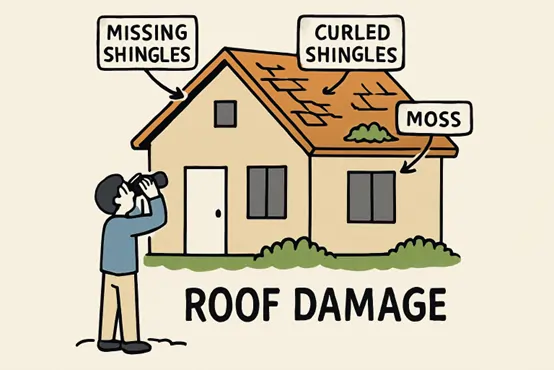
    Begin your roof maintenance with a simple ground-level inspection. Walk around the outside of your house and look up, using binoculars or a camera’s zoom lens to get a closer view if needed. Examine the roof for visible problems such as missing or damaged shingles, cracked or curled edges, or granule loss that can leave bare spots. Any patchiness or uneven appearance warrants further investigation, as it may indicate shingles are becoming detached or weakened. Sagging sections or areas that appear darker than the rest may point to water retention, developing rot, or potential structural weakness, all of which warrant more immediate attention. According to Consumer Reports, these early warning signs are frequent precursors to serious leaks and major failures that can affect the entire home.

    Don’t overlook the small stuff minor debris or plant growth can signal that water is being trapped in certain areas. Look out for signs of moss or mold, especially in shaded or damp spots, since these organic growths can trap moisture and degrade underlying roofing materials over time. After significant weather events such as heavy storms, high winds, or hail, schedule another inspection, as severe weather can accelerate roof deterioration and easily dislodge shingles or flashing. It’s also wise to periodically check flashing and joints from ground level, since these are critical leak points.

    Look for Interior Signs of Damage

    Much of roof damage reveals itself inside your home first, sometimes long before you see any obvious exterior problems. Water stains on your ceiling or running down the walls, often seen as discolored patches or streaks, are classic indicators of a leaky roof. These stains can appear after heavy rainfall or persistent wet weather and are a clear sign that water is seeping past the roof’s barriers. Bubbling or peeling paint, sagging drywall, or warping near the tops of your walls can also indicate moisture intrusion, sometimes caused by subtle roof leaks that go unnoticed for months.

    Pay close attention to musty, unpleasant odors in rooms directly beneath the roof or upper stories of your home, especially after rain. Persistent dampness fosters the growth of mold and mildew, which can spread quickly, threatening indoor air quality and creating a cascade of health and structural risks. If you notice new stains, soft spots, or peeling, it’s a good idea to trace them upward toward the probable entry point of water it may be further up the roof slope than the stain itself. If left untreated, these issues don’t just damage interior finishes but can eventually undermine insulation and framing as well.

    Check the Attic

    The attic is often the first interior part of your house to show roof trouble, sometimes even before you notice any symptoms elsewhere. Bring a strong flashlight and look carefully for wet insulation or damp spots on structural timbers, which could indicate the roof leaks only during rain. Dark, moldy, or musty patches are warning signs, and the presence of rotting or warped wood is a clear red flag that roof water is entering. If you see daylight shining through the roof boards or around penetrations like vents or chimneys, it’s a sign of gaps or missing shingles that need to be fixed right away. Unusual drafts or temperature fluctuations in the attic hot in summer, cold in winter may also indicate an underlying ventilation problem linked to roof wear. Ensuring a dry, healthy attic is a cornerstone of preventative roof maintenance, according to Family Handyman. Proper attic ventilation and insulation not only prolong the life of your roof but also can keep your energy costs in check.

    Inspect Flashing and Roof Penetrations

    Flashing is the thin metal sheeting installed to seal the areas around chimneys, vents, skylights, and other roof penetrations. These are among the most common and vulnerable locations for leaks to develop, as they disrupt the roof surface’s continuity. Inspect these junctions closely for bends or warping, rust, or old sealant that may have become brittle or dislodged. Cracks, corrosion, or missing or peeling sealants are red flags if left unchecked; even a tiny separation can let water seep beneath the shingles, possibly rotting out roof decking or attic supports. Damaged flashing not only leads to leaks but can also compromise your home’s energy performance by allowing drafts or pests inside.

    Maintain Gutters and Downspouts

    Gutters play an important but often overlooked role: they’re designed to channel water off your roof and safely away from the home’s foundation. When gutters become clogged or damaged, water can back up under your roof’s edge or spill to the ground, potentially causing both roofing and foundation problems. Regularly clear gutters and downspouts of leaves, twigs, granules, and other debris (especially following storms or the autumn leaf drop). Inspect for any signs of sagging, disconnected sections, or rust. Confirm that downspouts are firmly attached and divert water several feet away from your home’s foundation to prevent soil erosion or basement flooding. Gutter guards or screens may help reduce clogging in heavily wooded areas, ensuring year-round water flow and reducing your maintenance workload.

    Schedule Seasonal Inspections

    Many types of roof damage are closely tied to weather changes and the stress that comes with seasonal cycles. Extreme heat and cold cause expansion and contraction in roofing materials, while ice dams and accumulated snow can put additional stress on older roofs, accelerating wear. Plan to inspect your roof at the end of winter—looking for ice damage, leaks, or missing shingles and again after summer’s peak to spot issues such as cracked shingles, exposed nail heads, or heat-induced warping. Fall is a good time for a general inspection and gutter cleaning, preparing your roof to handle winter’s rain, snow, or wind. Following hail or severe storms, even if you don’t see immediate problems, a thorough inspection can reveal hidden damage you might otherwise miss. Seasonal vigilance is one of the best ways to catch issues before they develop into emergencies.

    Seek Professional Assessments

    DIY roof inspections are helpful and recommended for ongoing maintenance, but the untrained eye may miss some issues. A trained roofing professional can identify less obvious problems, assess the overall state of the roofing structure, and recommend detailed preventive measures tailored to your roof’s specific construction, age, and exposure. They can also safely check steep or inaccessible areas you might not be able to reach. Annual or biannual professional assessments provide peace of mind by catching problems you might overlook and validating the effectiveness of your ongoing maintenance. Most pros offer detailed reports, including photos, which can be useful when filing an insurance claim or tracking your roof’s health over time. Investing in professional inspections helps avoid costly surprises and can extend your roof’s service life.

    Conclusion

    Regular, proactive roof inspections prevent minor issues from growing into major headaches. By recognizing the warning signs both inside and out you can safeguard your investment, keep your home safe and comfortable, and avoid expensive, disruptive repairs. Make roof maintenance a routine part of your home-care schedule, and don’t hesitate to use professional services when needed. Implementing these practices ensures your roof’s longevity and reliability, and you’ll be well positioned to make informed decisions about repairs or upgrades as needed.

    Read more: Super88 Slot Online Brand: What Makes It Different

    Stay Secure: Practical Ways to Protect Your Commercial Space

    What Patients Should Know Before Facial Surgical Treatment

  • Essential Electrical Safety Tips for Homeowners

    Essential Electrical Safety Tips for Homeowners

    Table of Contents

    • Install GFCI Outlets in Moisture-Prone Areas
    • Avoid Overloading Outlets
    • Replace Damaged Cords and Outlets
    • Use Extension Cords Sparingly
    • Keep Electrical Devices Away from Water
    • Unplug Unused Appliances
    • Use the Correct Light Bulbs
    • Install Smoke Alarms and Carbon Monoxide Detectors

    Electrical hazards in the home are more common than many people realize. Each year, thousands of house fires, accidental shocks, and injuries are caused by overlooked dangers in household electrical systems. Taking proactive steps to prioritize safety can make a significant difference for your family. If you’re unsure about the safety of your electrical setup, consider scheduling electrical safety inspections in Kansas City to identify and address potential problems before they become emergencies.

    Regular safety checks and mindful practices can help you avoid fire, electrical shocks, and unnecessary repair bills. Homeowners can protect their property, reduce liability, and ensure peace of mind by implementing proper preventive measures. Understanding where to look for risks and how to respond is essential, as nobody wants to face the aftermath of a preventable electrical accident.

    Knowledge is your first line of defense. Even small habits—like unplugging appliances you aren’t using or checking your cords for fraying—add up to a safer, more efficient home. The following guide walks you through smart, practical tips for maintaining a safe household electrical system and making sure your devices last longer.

    Install GFCI Outlets in Moisture-Prone Areas

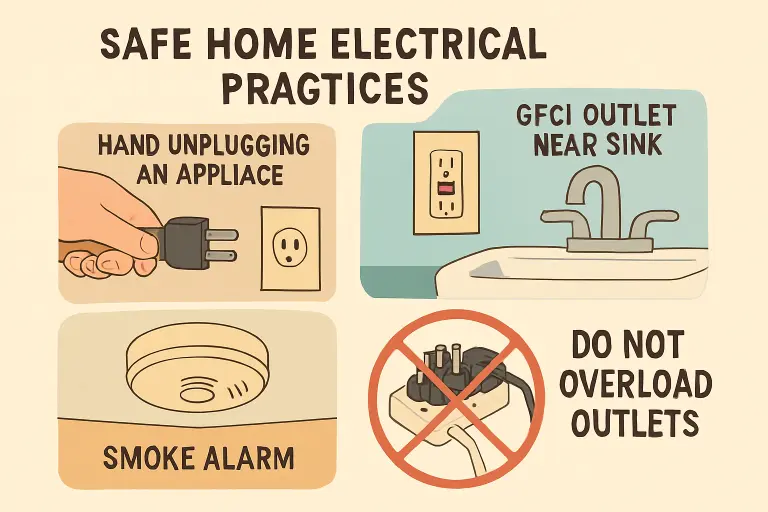
    This simple upgrade can drastically reduce the risk of electrocution in your home. Ground Fault Circuit Interrupter (GFCI) outlets are designed to shut off electric power when a ground fault is detected. Places prone to water—like kitchens, bathrooms, laundry rooms, garages, and outdoor areas—should always have GFCI outlets installed. Testing GFCIs monthly ensures they’re working as intended. Push the “test” button and ensure the power cuts off, then reset.

    Avoid Overloading Outlets

    Many electrical fires start because of overloaded outlets, especially when high-wattage appliances like microwaves or space heaters are plugged in alongside other devices. Always follow the manufacturer’s instructions for each device, and use only one heat-producing appliance per outlet. If you find you need more plugs, have a licensed professional install additional outlets. Overloaded outlets often feel warm or look scorched—these are clear warning signs to act quickly.

    Replace Damaged Cords and Outlets

    Frayed, cracked, or melted cords are among the most obvious electrical hazards, yet they’re often overlooked until a serious incident occurs. Damaged cords can ignite quickly, especially when hidden behind furniture or beneath rugs. Always inspect visible cords and outlets for signs of damage, including discoloration or sparking when plugging in devices. Never attempt to repair cords with tape or patches—replacement is the safest solution.

    Use Extension Cords Sparingly

    Extension cords are designed for temporary use. Overreliance on them can cause cords to degrade and overheat, increasing the risk of fire, especially if they’re covered or coiled. Avoid running them under carpets or doors, as pressure and movement can wear them down. To address the frequent need for more outlets, it’s best to invest in permanent wiring solutions installed by a professional, rather than a quick fix with extension cords.

    Keep Electrical Devices Away from Water

    Water conducts electricity, so keeping devices at a safe distance from sinks, bathtubs, and other water sources is crucial. Be vigilant when using items like hairdryers, radios, or kitchen appliances near water. Always dry your hands before handling plugs and switches, and never touch a plugged-in device if you’re wet. A moment’s care can prevent life-altering injuries.

    Unplug Unused Appliances

    Even when turned off, many appliances draw “phantom” electricity, increasing both safety risks and monthly energy bills. Unplugging devices when not in use helps prevent accidental overheating or electrical surges that can spark a fire. Not only will this safeguard your appliances, but it also saves money and energy over time.

    Use the Correct Light Bulbs

    Every light fixture is rated for a specific wattage, and using bulbs that exceed those recommendations can cause excessive heat buildup and even start fires. Always check labels on fixtures and use bulbs within the specified range. For extra safety and efficiency, consider switching to LED bulbs, which are cooler and use less electricity than traditional incandescent bulbs. You can learn more about proper lighting safety and energy-efficient options from the U.S. Department of Energy. Regularly inspecting fixtures for loose wiring, damaged sockets, or flickering lights can help catch potential hazards early before they become serious problems. If you notice persistent issues or are unsure about an installation, it’s best to consult a licensed electrician to ensure your home lighting remains safe and up to code.

    Install Smoke Alarms and Carbon Monoxide Detectors

    Smoke alarms and carbon monoxide detectors provide life-saving warnings in the event of a fire or gas leak. Install a smoke alarm in every bedroom, hallway, and on every floor of your home. Carbon monoxide detectors are significant near bedrooms and in homes with fuel-burning appliances. Test all alarms at least once a month by pressing the test button, and replace batteries every six months to ensure they’re always operational.

    Prioritizing electrical safety in your home doesn’t have to be complicated or overwhelming. By adopting these practices and keeping your electrical system up to code, you protect your loved ones and your investment. Regular inspections and a careful eye on potential hazards can save lives—and give any homeowner much-needed peace of mind.

    Also Read-How to Handle a Quick Home Sale Without Stress

  • Ditch the Wait: How AI-Powered Fintech Lenders Deliver Loan Approvals in Minutes 

    Ditch the Wait: How AI-Powered Fintech Lenders Deliver Loan Approvals in Minutes 

    Historically, getting a loan in the USA involved paperwork, queuing, follow-ups, and waiting for weeks for a decision. Traditional banks are dependent on manual processing, strict lending criteria, and outdated credit scoring systems. This means that for consumers or small businesses with liquidity dilemmas, waiting weeks for a decision can be expensive or, worse, devastating for growth. Fintech lenders are changing this historical narrative with the help of artificial intelligence that grants decisions in minutes, not weeks.

    Why​‍​‌‍​‍‌ Traditional Lending Can Not Meet the Requirements of the Modern World

    Banks are not really fast; they were, in fact, built for stability. Their approval processes rely on things like financial statements from the past, set credit thresholds, and several layers of human checking. Although this method lessens the risk at the institution, it mostly disregards the business performance that is in real-time and the new consumers’ behaviors. Consequently, a lot of borrowers who have strong earning potentials are just left to wait or are rejected outright only because they do not fit a tightly defined profile. After that, there are the fintech lenders. With their digitally first infrastructure, they remove the possibility of friction at every stage of the borrowing journey, be it application or ​‍​‌‍​‍‌funding.

    How AI Transforms the Lending Process

    Artificial intelligence is the foundation of today’s fintech lending business through its application within the loan evaluation process. Loan evaluation traditionally depended on applicants’ historical credit ratings, insurance certificates, tax returns, and bankruptcy information. However, by employing artificial intelligence to predict the risk associated with a particular loan, fintechs can instantly evaluate loan applicants based on numerous data sets (including bank transaction history, payment patterns, and invoice data), which are often referred to as “alternative data” sources. 

    As a result, by utilizing an artificial intelligence loan evaluation platform, fintech lenders have a much clearer understanding of an applicant’s overall financial status. Artificial intelligence models continuously learn from each lending decision, allowing for improved decision-making capabilities, which is reflected in faster loan approval processes (in most cases, minutes versus days) due to more updated data being utilized by the lending institution through the application of predictive analytics.

    Faster Access to Money When It Matters Most

    Having a quicker processing time is far more than just a luxury; it’s an advantage. A small business could be shutting down payroll, missing orders for inventory, or postponing expansion with respect to funding. A consumer could fall behind on urgent bills. When it comes to Fintech lenders, funding is available before the cash reserves are depleted. This is made possible by automated lending and instantaneous verification of the creditworthiness of the borrower. In many instances, funding takes only 24 hours, allowing the borrower to make prompt decisions.

    Expanding​‍​‌‍​‍‌ Access Beyond Traditional Credit Models

    Perhaps the biggest positive effect resulting from the use of AI technologies in lending is the aspect of inclusion. Conventional lenders typically draw a line against customers who have scant credit history, unstable income, or unconventional revenue streams. But AI-powered systems are built in such a way that they can find correlation even beyond the scope of a single credit score. Therefore, fintech lenders are able to provide loans to freelancers, startups, gig workers, and small businesses that are going viral but are ignored by banks. This wider accessibility, thus, becomes the source of the U.S. market turning to entrepreneurship and economic ​‍​‌‍​‍‌resilience.

    Smarter​‍​‌‍​‍‌ Risk Assessment, Not Riskier Lending

    Saving time does not necessarily imply that the process is done in a careless manner. In fact, AI facilitates a more accurate risk assessment as compared to manual underwriting. Machine-learning models spot irregularities, throw up warning signs that can be quintessential, and change the price of a product based on the latest risk factors from the market. This is the main reason why a great number of borrowers consider fintech lenders as a reliable source to get a quick business loan rather than just a quick option. There are some platforms that are even recognized among the best business lenders for speedy, transparent, and well-aimed lending ​‍​‌‍​‍‌practices.

    Best for Short-Term Financial Requirements

    AI-based lending solutions work very effectively for short-term funding. When companies require urgent funding for their day-to-day operations, it would be pointless to wait for weeks. Fintech lenders work wonders here, as they provide solutions that meet real-world cash flow cycles. Short-term lenders using fintech platforms are helping borrowers by understanding the costs upfront, getting quick approvals, and repaying in predictable ways that are unlike the red tape involved with more traditional institutions.

    Conclusion

    AI-powered fintech lenders remove the lengthy amount of time it takes for a financial institution to approve a loan and allow customers to receive almost immediate access to their funds when they need them the most by using data-driven decisions to assess risk. The use of “smarter” risk assessments will allow consumers and small companies to quickly receive funding, eliminating delays typically associated with traditional lenders.

    Also Read-Why Custom Merchandise Is Becoming Essential for Australian Businesses

  • The Best Topics for Late-night Chats Under the Stars

    The Best Topics for Late-night Chats Under the Stars

    Late-night conversations have a special kind of magic: the world grows quieter, thoughts become deeper, and words seem to flow more honestly beneath an open sky. These moments are less about filling the silence and more about connecting on a meaningful level, whether you are with close friends, a partner, or someone you are just getting to know. Buenospa believes that true relaxation creates space for these genuine connections, where comfort and atmosphere allow conversations to drift naturally from lighthearted to profound.

    Dreams, Plans, and the Roads Not Yet Taken

    When the stars are above you, it feels natural to talk about the future. Late-night chats often invite questions about dreams, ambitions, and those “one day” plans that rarely surface during busy daytime hours. Sharing hopes for the future builds trust and reveals what truly motivates us, especially when the pressure of expectations fades away with the daylight.

    These conversations do not need to be overly serious. Talking about dream trips, ideal lifestyles, or even wildly unrealistic goals can spark laughter and inspiration at the same time. Under the stars, it is easier to admit uncertainty and excitement in equal measure, creating a safe space for honest self-expression.

    Life Lessons and Moments That Shaped Us

    As the night deepens, conversations often turn reflective. Stories about turning points, mistakes, and lessons learned gain extra weight when shared in a calm, intimate setting. Late-night talks encourage vulnerability, allowing people to open up without fear of judgment, especially when the environment feels relaxed and unhurried.

    Sitting together in a warmhot tub, the gentle contrast between cool night air and comforting water can make these moments even more immersive. Buenospa aims to support this kind of experience, where physical comfort helps emotional openness emerge naturally, and meaningful conversations unfold without being forced.

    Music, Movies, and Stories That Stay With Us

    Cultural touchstones are perfect late-night topics because they are deeply personal yet easy to share. Talking about favorite songs, unforgettable films, or books that left a lasting impression can quickly turn into passionate exchanges. These discussions often reveal more about someone’s personality than direct questions ever could, as tastes are closely tied to memories and emotions.

    Under the stars, it feels especially fitting to talk about art and storytelling. The quiet of the night allows people to listen more closely, whether they are recalling a powerful scene from a movie or explaining why a specific melody still gives them chills years later.

    Big Questions About Life and the Universe

    Nighttime naturally invites philosophical thinking. Gazing upward can lead to conversations about purpose, happiness, or humanity’s place in the universe. These deep, sometimes unanswerable questions create a sense of shared wonder, reminding everyone involved that not everything needs a clear conclusion.

    Even simple questions like what happiness truly means or whether people can really change can lead to long, thoughtful exchanges. Enjoying these discussions from a hot tub adds to the sense of stepping outside everyday routines, making it easier to explore ideas without distractions.

    Shared Silences and the Beauty of Not Speaking

    Not every late-night chat needs constant words. Some of the most meaningful moments happen in shared silence, where conversation pauses without becoming awkward. Being comfortable enough to enjoy quiet moments together is a sign of genuine connection, especially under a sky full of stars.

    These pauses often make spoken words more impactful when they return. Silence gives space for reflection, allowing conversations to feel balanced rather than rushed, and reinforcing the sense that simply being present together is enough.

    Conversations That Linger Beyond the Night

    Late-night chats under the stars have a way of staying with us long after the night ends. They deepen relationships, spark self-discovery, and create memories tied to a specific feeling of calm and openness. Buenospa offers environments designed to encourage these unhurried moments, where comfort, atmosphere, and connection come together to turn simple conversations into lasting experiences.


  • How to Handle a Quick Home Sale Without Stress

    How to Handle a Quick Home Sale Without Stress

    Key Takeaways

    • Initiating the selling process early helps you avoid unnecessary pressure.
    • A competitive price based on market research attracts more serious buyers.
    • Enhancing your home’s appearance increases appeal and perceived value.
    • Flexible showing schedules and quick response times can significantly accelerate the offer process.
    • Cash offers often mean fewer complications and faster closings.

    Selling your home quickly can be overwhelming, especially when faced with time constraints or unexpected life changes. Having a step-by-step plan makes all the difference as you navigate the challenges of a fast sale. With the right strategies, you can find qualified buyers, minimize disruptions, and move forward with confidence. For homeowners in Lynwood seeking a hassle-free sale, engaging with Cash Home Buyers Lynwood can be an effective strategy to expedite the process and reduce stress from start to finish.

    No matter your reason for moving, selling your home fast doesn’t have to mean sacrificing value or getting caught up in endless logistics. This guide outlines proven tips for reducing anxiety and maximizing your selling outcome, whether you need to relocate for a job, handle an inheritance, or want to quickly unlock cash. By taking charge early and leaning on local expertise, you can turn a daunting home sale into a manageable—and even satisfying—experience.

    Additionally, utilizing resources such as https://www.eazyhousesale.com/ can help homeowners navigate every step, from listing to closing, and present alternative solutions for those needing speed and convenience.

    Start the Selling Process Early

    Planning is the foundation of a successful, low-stress home sale. The earlier you start organizing your paperwork, researching market trends, and preparing the property, the less you’ll have to scramble once your home is listed. Early preparation also makes it easier to spot and resolve any potential issues, such as overdue repairs or unresolved permits. According to Consumer Reports, listing your home during specific “magic windows,” typically in May, can lead to faster sales and higher prices.

    Set a Competitive Price

    A well-priced home is the key to attracting prompt and serious offers. Begin by analyzing recent sales data for similar properties in your area, adjusting your analysis according to your home’s specific features and condition. Collaborate with a trusted local real estate agent who knows the nuances of your neighborhood’s market. Overpricing may deter buyers, while underpricing can result in lost revenue. Aim for a price that reflects current demand while leaving room for negotiation—something especially critical when time is limited. Kiplinger offers further analysis on effective pricing strategies.

    Enhance Your Home’s Appeal

    Decluttering and Staging

    First impressions set the tone for your sale. Take the time to clear away personal items, organize closets, and depersonalize common areas so buyers can imagine themselves living in the space. It’s also worth renting a storage unit to house excess belongings, which creates a more open and welcoming atmosphere during showings.

    Minor Repairs and Maintenance

    Invest time in minor improvements that boost curb appeal, such as fresh paint, landscape touch-ups, and fixing leaky faucets. These tweaks are budget-friendly but can elevate your home’s perceived value and entice buyers to act quickly. Making your home show-ready signals that the property has been well-maintained, instilling confidence in potential buyers.

    Be Flexible with Showings

    Being adaptable with showing schedules allows you to reach more prospective buyers and accelerate the process. Make your property available during evenings and weekends, and ensure it’s always ready for last-minute tours. Keeping your home spotless, tidy, and welcoming becomes essential, as unexpected visits can make or break a deal. Quick responsiveness to questions and tour requests also demonstrates seriousness and reliability, which buyers appreciate.

    Consider Cash Offers

    Cash buyers provide significant advantages for those seeking a streamlined transaction. Without relying on mortgage approvals or underwriting, cash deals often close in days rather than weeks. This minimizes the risks of financing fall-throughs and shortens your closing timeline. While cash bids may be slightly lower than financed offers, they can still be attractive if you value speed and simplicity over top-dollar returns. Speak with your agent to weigh the trade-offs and seek offers that best align with your goals.

    Work with a Trusted Real Estate Professional

    An experienced real estate agent is an asset when navigating a fast-paced sale. They will manage scheduling, showing coordination, marketing, negotiations, and paperwork—relieving you of much of the logistical strain. Select someone with a proven track record in your local market and whose communication style aligns with your needs. Their connections can also boost your visibility and attract motivated buyers quickly.

    Prepare for Negotiations

    Strong negotiation skills ensure a smooth process and optimal results. Before listing, clarify your bottom line and identify which terms you can be flexible on. Stay open to reasonable concessions in exchange for a quick and stress-free closing, and maintain professional and objective communication. Negotiating with clarity and confidence prevents misunderstandings and keeps the sale moving efficiently.

    Stay Organized and Maintain Perspective

    Organization is crucial: keep a checklist of tasks, deadlines, and required documents, and store everything in an easily accessible place. Use a digital calendar to schedule meetings and reminders for important milestones, helping you avoid last-minute stress. During this time, remember to take breaks, practice self-care, and reach out to friends or professionals if you need support. Maintaining a balanced perspective ensures you stay positive throughout the selling journey.

    Implementing these actionable steps transforms selling your home quickly from a source of anxiety into a manageable and successful transaction. With preparation, the proper support, and clear goals, you can move forward with confidence—no matter how tight your timeline may be.

    Also Read-Unselect vs Deselect: Which Term Should You Use in Tech? 🖱️💡
  • Is Your Home Leaking Money? How to Spot Hidden Inefficiencies

    Is Your Home Leaking Money? How to Spot Hidden Inefficiencies

    Even if you lock your doors and have a security system, a thief might be stealing from you: inefficiency. Subtle flaws in your home’s systems, like drafty windows or humming appliances, can inflate utility bills. Identifying these hidden drains on your resources is the first step toward a healthier wallet by stopping you from paying for energy and water you aren’t actually using.

    Unmasking the Energy Vampires

    One of the most deceptive sources of energy waste comes from devices that appear to be turned off. We often assume that pressing the “power” button cuts the flow of electricity, but for modern electronics, this is rarely the case. These devices enter a standby mode, waiting for a signal from a remote control or maintaining an internal clock. This phenomenon is known as “phantom load,” and the devices responsible are often called energy vampires.

    While a single television on standby might not make a dent in your bill, the cumulative effect is significant. Consider the typical household ecosystem: gaming consoles, computer monitors, printers, coffee makers with digital clocks, and phone chargers left plugged in without a phone attached. According to energy experts, standby power can account for anywhere from 5% to 10% of a home’s total electricity usage. Being mindful of these small but constant drains can lead to noticeable savings over time. Households that also monitor “texas electricity prices” and adjust their usage habits accordingly can further reduce unnecessary energy expenses.

    The solution is straightforward but requires diligence. Grouping electronics onto power strips allows you to cut power to multiple devices with a single switch. For devices that don’t need to be “smart” 24/7, simply unplugging them when not in use is the most effective way to drive a stake through these energy vampires.

    Water Waste Hotspots

    Water is another resource that often escapes unnoticed. Because water is relatively inexpensive in many regions compared to electricity, leaks are often ignored until they become catastrophic. However, a slow leak is essentially money going down the drain.

    The Drip That Adds Up

    A faucet dripping at the rate of one drop per second can waste more than 3,000 gallons per year. That is the equivalent of 180 showers. Fixing a leaky faucet is often as simple as replacing a worn-out washer, a task that costs pennies and takes minutes.

    The Silent Toilet Leak

    Toilets are notorious for silent leaks. If the flapper valve inside the tank doesn’t seal properly, water constantly trickles from the tank to the bowl. You might not hear it, but your water meter sees it. A simple test involves putting a few drops of food coloring in the tank. If the color appears in the bowl without flushing, you have a leak.

    Addressing Major Issues

    While replacing a showerhead with a low-flow model is a great DIY project, some water inefficiencies point to deeper problems. If you notice damp spots on drywall, unexplained puddles in the yard, or a sudden, drastic spike in usage, it is time to call in professional plumbing services in Layton to inspect your system. Hidden pipe bursts or slab leaks can cause structural damage far more expensive than the water bill itself.

    Lighting Inefficiencies

    If your home is still illuminated by incandescent bulbs, you are essentially heating your home with light. Traditional incandescent bulbs are incredibly inefficient, converting only about 10% of the energy they use into visible light. The other 90% is wasted as heat. This not only drives up your lighting costs but also forces your air conditioner to work harder during the summer months.

    Transitioning to Light Emitting Diodes (LEDs) is one of the quickest returns on investment you can make. LEDs use at least 75% less energy and last 25 times longer than incandescent lighting.

    Don’t stop at the bulbs. Look at the fixtures. Recessed lighting cans that aren’t rated for insulation contact can act as chimneys, sucking warm air out of your living space and into the attic. Sealing these fixtures or retrofitting them with sealed LED kits can stop this airflow.

    HVAC System Optimization

    Heating, ventilation, and air conditioning (HVAC) usually account for the largest portion of a home’s energy consumption. Because it works so hard, even minor inefficiencies here translate to major costs.

    The Filter Factor

    The most common cause of HVAC inefficiency is a dirty air filter. When a filter is clogged with dust and pet dander, the system has to strain to pull air through it. This uses more energy and can lead to premature system failure. Checking your filter monthly and changing it at least every three months is mandatory for efficiency.

    Ductwork Drama

    In many homes, the ductwork runs through unconditioned spaces like attics or crawlspaces. If these ducts have holes or poor connections, you might be paying to heat the outdoors. Sealing exposed ducts with proper foil tape or mastic sealant ensures the air you pay to heat actually reaches your living room.

    The Thermostat Strategy

    Heating an empty house is a prime example of inefficiency. If you still rely on a manual thermostat, you are likely overheating or overcooling your home when you aren’t there. Upgrading to a programmable unit allows you to align the temperature with your schedule.

    Smart Home Solutions

    Technology has evolved from merely using energy to helping us save it. Smart home devices act as the brain of your home’s efficiency, making micro-adjustments that humans often forget.

    • Smart Thermostats: These devices learn your habits. They know when you leave for work and when you return, adjusting the temperature automatically. Some even use room sensors to ensure only occupied rooms are prioritized.
    • Smart Plugs: If you can’t remember to unplug the coffee maker, a smart plug can do it for you. You can set schedules to cut power to energy vampires automatically at night or during work hours.
    • Leak Detectors: Smart water monitors can track flow rates in real-time. If the system detects a rupture or abnormal usage (like a toilet running for 4 hours), it sends an alert to your phone, potentially saving thousands in water damage and waste.

    conducting a DIY Efficiency Audit

    You don’t always need a professional to tell you where your home is failing. You can conduct a basic efficiency audit this weekend.

    1. Check for Drafts: On a windy day, light a stick of incense and walk around your windows, doors, and electrical outlets. If the smoke blows sideways, you have an air leak.
    2. Inspect Insulation: Peek into your attic. If you can see the floor joists, you likely don’t have enough insulation.
    3. Review the Water Heater: Check the temperature setting. Manufacturers often set them to 140°F (60°C), but 120°F (49°C) is usually sufficient for most households and reduces standby heat loss.
    4. Examine the Perimeter: Walk around the exterior of your house. Look for cracks in the foundation or gaps where pipes and wires enter the home. These are highways for both air and pests.

    Behavioral Changes

    Hardware upgrades are important, but software upgrades—changing your habits—are free. Small adjustments to your daily routine can yield surprising results.

    • Cold Water Wash: About 90% of the energy used by a washing machine goes toward heating the water. Switching to cold water for everyday loads cleans just as effectively for most fabrics but saves significantly on energy.
    • Dishwasher Efficiency: Skip the “heated dry” setting on your dishwasher. Simply opening the door after the wash cycle to let dishes air dry requires zero electricity.
    • Shorter Showers: Cutting just two minutes off your daily shower can save hundreds of gallons of water a month.
    • Curtain Management: Use your curtains as climate control. Close them during summer days to block solar heat, and open them on sunny winter days to let the greenhouse effect warm your home naturally.

    Long-Term Investments

    Once you have tackled the low-hanging fruit, consider allocating budget for larger upgrades. While these require upfront capital, the long-term savings often justify the cost.

    Replacing aging appliances with Energy Star-certified models can reduce usage by 10-50%. If you live in an older home, upgrading single-pane windows to double-pane, gas-filled windows can drastically improve insulation. Finally, adding insulation to your attic and walls acts as a thermal blanket, keeping your conditioned air exactly where it belongs—inside.

    Conclusion

    An efficient home is rarely achieved overnight. It is an ongoing process of maintenance, observation, and improvement. By identifying the energy vampires, fixing the leaks, and optimizing your systems, you transform your home from a resource drain into a model of sustainability.

    Read more: Common Childhood Oral Health Issues Every Parent Should Know

    Dry and Drained: Understanding the Effects of Dehydration

    How to Seek Compensation After a Drunk Driving Collision

  • The Value of Certified Appliance Repair Services for Long-Lasting Appliances

    The Value of Certified Appliance Repair Services for Long-Lasting Appliances

    Most of us don’t think much about our appliances until something goes wrong. The refrigerator hums in the background, the washer runs through its cycles, and the oven quietly helps put meals on the table. These machines are part of everyday life, and when they work, they’re almost invisible. When they don’t, daily routines can unravel quickly.

    That’s where professional, certified repair makes a real difference. Choosing the right service doesn’t just fix today’s problem—it also helps protect the appliance for years to come.

    Why Certification Matters More Than You Might Think

    When an appliance breaks down, it’s tempting to look for the fastest or cheapest solution. But not all repairs are equal. Certified technicians are trained to work with specific systems, adhere to safety standards, and follow manufacturer guidelines. That training translates into repairs that solve the root problem rather than just masking the symptoms.

    You see the same principle in other industries. Licensed electricians follow codes that prevent fires. Certified mechanics understand how modern vehicles integrate electronics and mechanical systems. In healthcare, proper credentials ensure treatments are safe and effective. Appliance repair follows the same logic.

    Without the right knowledge, a repair might seem successful at first but fail again weeks later. Worse, incorrect repairs can shorten an appliance’s lifespan or create safety risks. Certification helps ensure the job is done right the first time.

    The Hidden Cost of Improper Repairs

    A poorly repaired appliance often costs more in the long run. A misdiagnosed issue can strain other components, causing additional failures. For example, a refrigerator with an unresolved cooling issue may force the compressor to work harder, leading to premature wear. A washing machine with an unbalanced drum can damage internal bearings over time.

    These problems don’t always show up immediately. They build quietly, just like ignoring small cracks in a building’s foundation. Over time, what could have been a simple fix turns into a major expense—or even a full replacement.

    Certified professionals focus on long-term performance. Their goal isn’t just to get the appliance running again, but to restore it to safe, efficient operation. That approach helps appliances reach—or even exceed—their expected lifespan.

    How Professional Repairs Support Everyday Life

    Appliances are deeply tied to daily routines. A reliable dishwasher saves hours each week. A properly functioning stove keeps family meals on schedule. A dependable dryer makes managing laundry far less stressful.

    When appliances work as intended, they support the rhythm of daily life. When they fail, that rhythm breaks. Professional repair services help restore normalcy quickly and reliably, minimizing disruption.

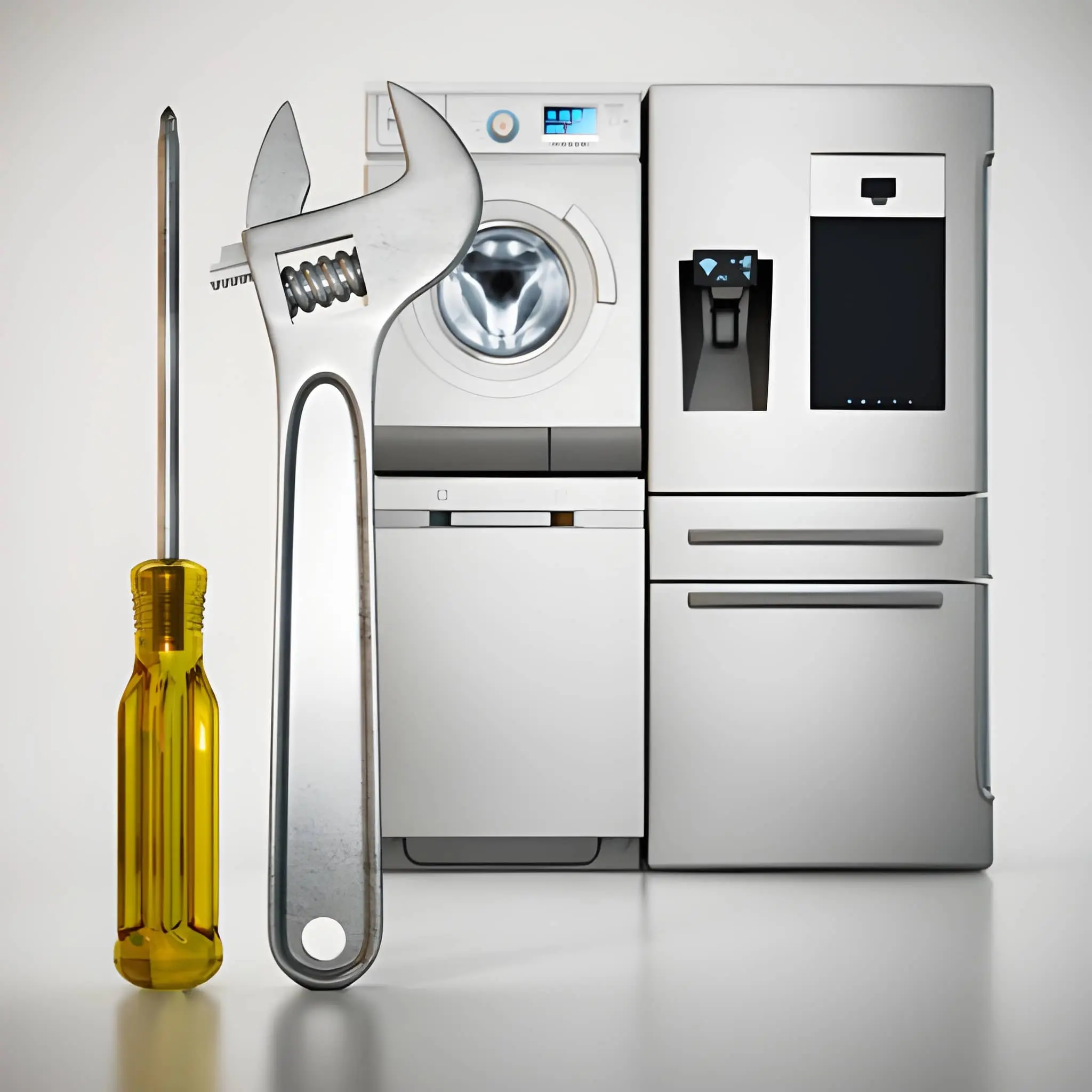
    Midway through the life of many appliances, homeowners often turn to certified appliance repair services in Los Angeles to protect their investment and avoid unnecessary replacements. Having trained experts handle repairs ensures that modern appliances—often more complex than older models—receive the care they need.

    Long-Term Savings Through Skilled Repair

    While certified repair may not always be the cheapest upfront option, it often delivers better value over time. Efficient appliances use less energy, experience fewer breakdowns, and require fewer repeat service calls.

    This mirrors practices in commercial settings. Businesses maintain equipment regularly because replacing machines too often is expensive and inefficient. Homeowners benefit from the same mindset. Extending the usable life of appliances reduces waste and lowers long-term household costs.

    There’s also the environmental aspect. Keeping appliances in service longer reduces the demand for new manufacturing and minimizes disposal. Understanding how appliance lifespan works highlights why proper care and repair play such a critical role in sustainability and savings.

    Safety Is Part of the Value

    Beyond performance and cost, safety is a major reason to choose certified professionals. Appliances involve electricity, gas, water, or all three. Incorrect repairs can lead to leaks, electrical faults, or overheating—issues that pose real risks in a home.

    Certified technicians are trained to spot warning signs that others might miss. They know how to test systems after repairs and ensure everything meets safety standards. That peace of mind is difficult to put a price on, especially for families.

    Just as you wouldn’t trust untrained work on a home’s wiring or plumbing, appliance repair deserves the same level of care and expertise.

    Supporting Modern, High-Tech Appliances

    Today’s appliances are smarter and more complex than ever. Touch panels, sensors, and energy-saving systems improve convenience but require specialized knowledge to repair properly.

    A certified technician understands how these systems interact. They don’t rely on guesswork. Instead, they use diagnostic tools and training to accurately identify issues. This precision reduces downtime and helps appliances return to peak performance faster.

    As homes continue to integrate more technology, the importance of skilled repair will only grow.

    Final Thoughts

    Appliances are long-term investments that quietly support daily life. When something goes wrong, the quality of the repair matters just as much as the speed. Certified appliance repair services offer more than a quick fix—they provide expertise, safety, and long-term reliability.

    By choosing trained professionals, homeowners protect their appliances, their budgets, and their peace of mind. In the end, the real value lies not just in fixing what’s broken, but in ensuring that essential household tools continue working smoothly for years to come.

    Also Read

  • Apartment Mold: How to Get a Free Mold Inspection

    Apartment Mold: How to Get a Free Mold Inspection

    Mold in rental properties is a serious issue that every landlord wants to prevent. It can cause health problems for tenants and lead to costly repairs if not addressed quickly. Fortunately, understanding how to manage and get a free mold inspection for renters can save both time and money while ensuring a safe living environment.

    Understanding Mold Growth in Apartments

    Mold thrives in moist environments, which is why it often appears in areas like kitchens, bathrooms, and basements. Addressing the root causes of mold is crucial for prevention. Here are the common culprits:

    • Water leaks: Leaks from pipes, roofs, or windows can introduce moisture, leading to mold growth.
    • Humidity: High humidity levels, whether due to climate or the use of humidifiers, can increase mold risk.
    • Poor ventilation: Inadequate airflow can trap moisture, fostering a breeding ground for mold.
    • Spills and accidents: Untreated spills can seep into floors and walls, creating hidden mold dangers.

    Steps to Take if Mold is Found

    If you or your tenants spot mold, it’s important to act promptly. Mold exposure can lead to symptoms like itchy eyes, sneezing, or even difficulty breathing. Here’s what to do:

    • Confirm mold presence: A home test kit can verify mold but not its severity.
    • Hire professionals: Engaging experts for an inspection and remediation is the best way to ensure thorough mold removal.

    How to Get a Free Mold Inspection

    You may wonder how to get a free mold inspection and start searching for “free mold inspection near me.” It’s essential to understand how these free inspections work. While the inspection may be free, companies typically require you to use their remediation services if mold is found, which can be costly. Be sure to research and compare rates to find a fair price for remediation.

    Preventing Mold in Rental Units

    Prevention is always better than cure when it comes to mold. Here are some strategies:

    • Control humidity levels: Use dehumidifiers or air purifiers to reduce indoor moisture.
    • Prompt spill cleanup: Encourage tenants to clean spills immediately.
    • Ensure proper ventilation: Regularly check and maintain ventilation systems.

    Leveraging Technology for Property Management

    Platforms like Innago offer tools that simplify property management, such as online maintenance requests and tenant communication, which can help address mold issues swiftly. By using these tools, landlords can effectively manage and prevent mold problems, enhancing tenant satisfaction and property health.

    Conclusion

    Understanding how to manage and prevent mold is crucial for landlords. By taking swift action and utilizing professional services when necessary, you ensure a safe and healthy environment for your tenants. Remember, prevention and prompt response are key to keeping your properties mold-free.

    Also Read-What Playtech Slot Has The Biggest Hit Frequency?

  • Essential Tree Care and Garden Maintenance Tips for Healthy Outdoor Spaces

    Essential Tree Care and Garden Maintenance Tips for Healthy Outdoor Spaces

    A healthy outdoor space doesn’t happen by accident. Whether it’s a small backyard, a shared garden, or a larger commercial property, trees and plants need regular care to stay safe, attractive, and thriving. When maintenance is overlooked, even the most beautiful garden can slowly turn into a problem—overgrown trees, unhealthy plants, and outdoor areas that feel more stressful than relaxing.

    The good news is that effective tree care and garden maintenance don’t need to be complicated. With the right habits and timing, outdoor spaces can remain healthy, balanced, and enjoyable year-round.

    Why Tree Care Is About More Than Just Appearance

    Trees are often the backbone of outdoor spaces. They provide shade, structure, and character—but they also require attention. Many people only notice trees when branches become a safety concern, or leaves start falling where they shouldn’t.

    Regular tree care helps prevent these issues before they escalate. Pruning, for example, removes dead or weak branches so the tree can focus its energy on healthy growth. It also reduces the risk of falling limbs during storms or strong winds.

    Think of it like routine car maintenance. You don’t wait until the engine fails to check the oil. In the same way, caring for trees early helps avoid costly or dangerous problems later. Healthy trees live longer, look better, and contribute positively to the surrounding environment.

    Tree care also affects overall property value. Well-maintained trees can enhance curb appeal, while neglected ones can become liabilities rather than assets.

    Garden Maintenance Creates Balance and Long-Term Growth

    Gardens thrive on balance. Too much water, not enough sunlight, or overcrowded planting can all affect plant health. Regular maintenance keeps things in check and allows plants to grow as intended.

    Basic garden maintenance includes tasks like trimming, weeding, mulching, and checking soil conditions. These may sound simple, but together they make a big difference. Removing weeds, for instance, reduces competition for nutrients and water. Mulching helps retain moisture and protects roots from temperature extremes.

    You can see similar principles in other industries. Farmers rotate crops to maintain soil health. Landscapers design spaces to manage water flow. Even office environments rely on routine upkeep to stay functional and welcoming. Gardens are no different—they perform best when consistently cared for.

    Understanding the basics of horticulture can help explain why regular maintenance is so important for plant health and sustainability.

    Seasonal Care Makes Outdoor Spaces Easier to Manage

    One of the most effective ways to simplify garden and tree care is to work with the seasons rather than against them. Each season brings different needs, and addressing them at the right time prevents problems later.

    In warmer months, plants focus on growth and need proper watering and trimming. In cooler seasons, maintenance shifts toward preparation—clearing debris, pruning trees, and protecting plants from harsh weather. This approach keeps outdoor spaces manageable instead of overwhelming.

    Seasonal planning is used everywhere, from agriculture to construction. Tasks are scheduled when conditions are right to ensure better results. Applying the same logic to gardens helps keep outdoor spaces healthy with less effort overall.

    If you’re looking for professional support to manage seasonal outdoor care, flask gardening & maintenance offers services designed to keep trees healthy and gardens well-maintained year-round.

    Safety and Sustainability Go Hand in Hand

    Tree and garden maintenance isn’t just about looks—it’s also about safety. Overgrown branches can interfere with power lines, block walkways, or pose risks during storms. Unmanaged gardens can attract pests or create uneven ground that becomes a hazard.

    Proper care reduces these risks while also supporting sustainability. Healthy trees improve air quality, provide shade, and support local ecosystems. Well-maintained gardens use water more efficiently and promote long-term plant health.

    This balance between safety and sustainability is seen across many industries. Building maintenance prioritises both structural integrity and energy efficiency. Public spaces are designed to be safe while supporting environmental goals. Outdoor property care follows the same philosophy.

    Consistency Is the Key to Healthy Outdoor Spaces

    One of the biggest mistakes people make with gardens and trees is treating maintenance as a one-time task. In reality, consistency matters more than intensity. Small, regular efforts are far more effective than occasional, large clean-ups.

    Consistent maintenance keeps issues from compounding. It also makes outdoor care more predictable and less stressful. When trees and plants are maintained properly, they require fewer emergency fixes and less drastic intervention.

    This principle applies widely. Fitness routines work best with consistency. Financial planning benefits from regular reviews. Garden care follows the same pattern—steady attention produces better results than last-minute solutions.

    Creating Outdoor Spaces That Feel Good to Use

    Healthy outdoor spaces aren’t just visually appealing—they’re more enjoyable to spend time in. A well-maintained garden feels inviting, calm, and functional. Trees that are properly cared for provide shade without risk. Gardens that are regularly maintained feel open rather than chaotic.

    These spaces become extensions of daily life—places to relax, work, or connect with others. Whether it’s a family backyard or a commercial property, good maintenance supports how people experience the space.

    In the end, tree care and garden maintenance are about more than plants. They’re about creating outdoor environments that are safe, sustainable, and enjoyable over the long term.

    Read more: Key Features that Define Pragmatic Play Slots

    Why Choosing a Trusted GP Clinic Matters for Your Health

     What Property Owners Should Know Before Starting a Renovation Project