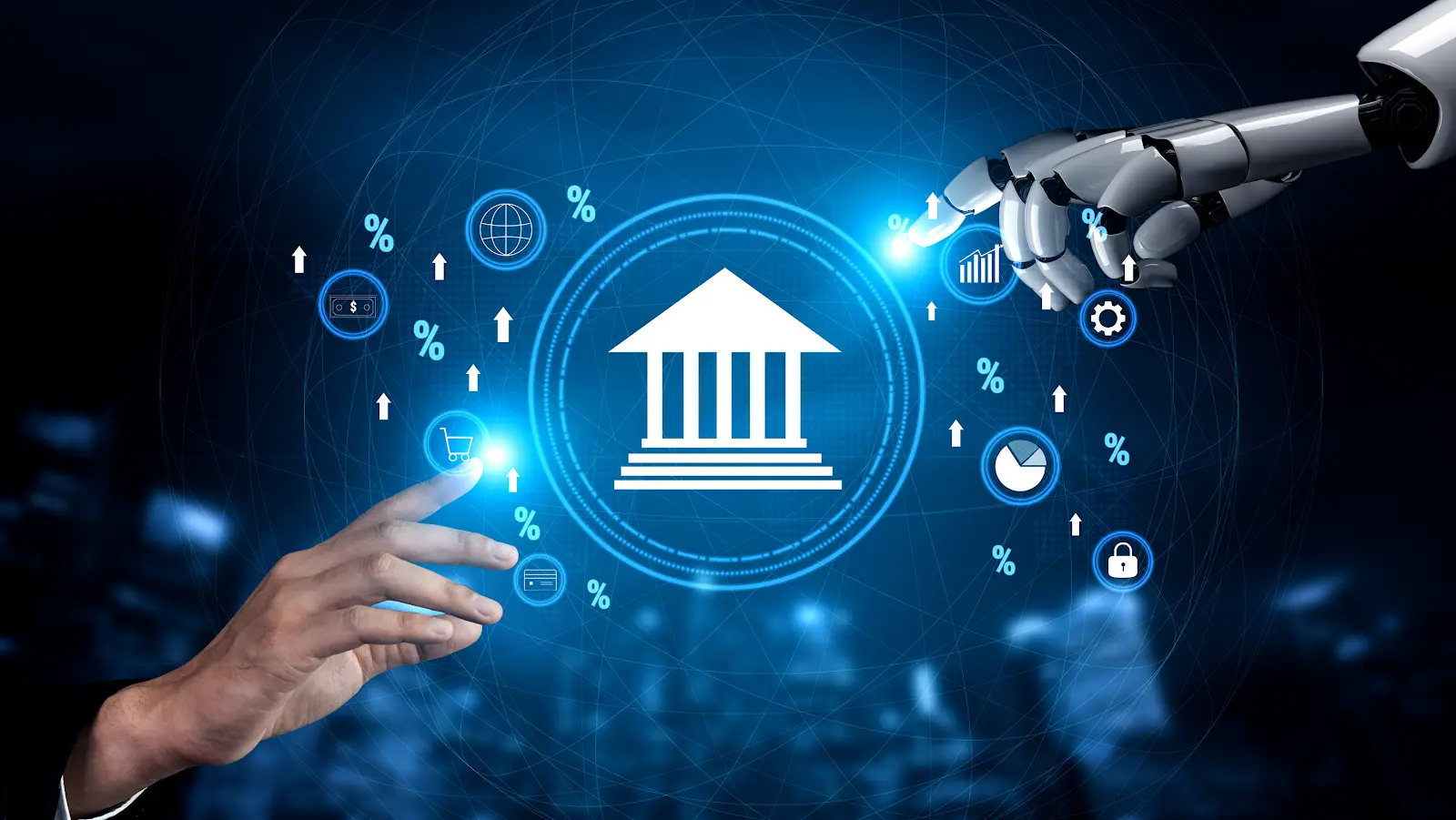
Historically, getting a loan in the USA involved paperwork, queuing, follow-ups, and waiting for weeks for a decision. Traditional banks are dependent on manual processing, strict lending criteria, and outdated credit scoring systems. This means that for consumers or small businesses with liquidity dilemmas, waiting weeks for a decision can be expensive or, worse, devastating for growth. Fintech lenders are changing this historical narrative with the help of artificial intelligence that grants decisions in minutes, not weeks.
Why Traditional Lending Can Not Meet the Requirements of the Modern World
Banks are not really fast; they were, in fact, built for stability. Their approval processes rely on things like financial statements from the past, set credit thresholds, and several layers of human checking. Although this method lessens the risk at the institution, it mostly disregards the business performance that is in real-time and the new consumers’ behaviors. Consequently, a lot of borrowers who have strong earning potentials are just left to wait or are rejected outright only because they do not fit a tightly defined profile. After that, there are the fintech lenders. With their digitally first infrastructure, they remove the possibility of friction at every stage of the borrowing journey, be it application or funding.
How AI Transforms the Lending Process
Artificial intelligence is the foundation of today’s fintech lending business through its application within the loan evaluation process. Loan evaluation traditionally depended on applicants’ historical credit ratings, insurance certificates, tax returns, and bankruptcy information. However, by employing artificial intelligence to predict the risk associated with a particular loan, fintechs can instantly evaluate loan applicants based on numerous data sets (including bank transaction history, payment patterns, and invoice data), which are often referred to as “alternative data” sources.
As a result, by utilizing an artificial intelligence loan evaluation platform, fintech lenders have a much clearer understanding of an applicant’s overall financial status. Artificial intelligence models continuously learn from each lending decision, allowing for improved decision-making capabilities, which is reflected in faster loan approval processes (in most cases, minutes versus days) due to more updated data being utilized by the lending institution through the application of predictive analytics.
Faster Access to Money When It Matters Most
Having a quicker processing time is far more than just a luxury; it’s an advantage. A small business could be shutting down payroll, missing orders for inventory, or postponing expansion with respect to funding. A consumer could fall behind on urgent bills. When it comes to Fintech lenders, funding is available before the cash reserves are depleted. This is made possible by automated lending and instantaneous verification of the creditworthiness of the borrower. In many instances, funding takes only 24 hours, allowing the borrower to make prompt decisions.
Expanding Access Beyond Traditional Credit Models
Perhaps the biggest positive effect resulting from the use of AI technologies in lending is the aspect of inclusion. Conventional lenders typically draw a line against customers who have scant credit history, unstable income, or unconventional revenue streams. But AI-powered systems are built in such a way that they can find correlation even beyond the scope of a single credit score. Therefore, fintech lenders are able to provide loans to freelancers, startups, gig workers, and small businesses that are going viral but are ignored by banks. This wider accessibility, thus, becomes the source of the U.S. market turning to entrepreneurship and economic resilience.
Smarter Risk Assessment, Not Riskier Lending
Saving time does not necessarily imply that the process is done in a careless manner. In fact, AI facilitates a more accurate risk assessment as compared to manual underwriting. Machine-learning models spot irregularities, throw up warning signs that can be quintessential, and change the price of a product based on the latest risk factors from the market. This is the main reason why a great number of borrowers consider fintech lenders as a reliable source to get a quick business loan rather than just a quick option. There are some platforms that are even recognized among the best business lenders for speedy, transparent, and well-aimed lending practices.
Best for Short-Term Financial Requirements
AI-based lending solutions work very effectively for short-term funding. When companies require urgent funding for their day-to-day operations, it would be pointless to wait for weeks. Fintech lenders work wonders here, as they provide solutions that meet real-world cash flow cycles. Short-term lenders using fintech platforms are helping borrowers by understanding the costs upfront, getting quick approvals, and repaying in predictable ways that are unlike the red tape involved with more traditional institutions.
Conclusion
AI-powered fintech lenders remove the lengthy amount of time it takes for a financial institution to approve a loan and allow customers to receive almost immediate access to their funds when they need them the most by using data-driven decisions to assess risk. The use of “smarter” risk assessments will allow consumers and small companies to quickly receive funding, eliminating delays typically associated with traditional lenders.
Also Read-Why Custom Merchandise Is Becoming Essential for Australian Businesses

Leave a Reply