Category: Technology

  • Best AI Talking Photo Tools of 2026: Create Lifelike Talking Images with Ease

    Best AI Talking Photo Tools of 2026: Create Lifelike Talking Images with Ease

    Artificial intelligence has transformed the way people create digital content. What once required professional animation software and hours of editing can now be achieved in just a few clicks. An AI talking photo tool allows users to animate still images, making them speak, smile, blink, and express emotions naturally. These tools have become valuable for content creators, marketers, educators, businesses, and social media influencers looking to produce engaging videos without expensive production equipment.

    The growing demand for AI-generated videos has also led to improvements in related technologies like the AI image editor, AI face swap, AI lip sync, and image-to-video generation. Together, these technologies enable creators to produce professional-quality content faster than ever before.

    This guide highlights the best AI talking photo tools of 2026, comparing their features, strengths, pricing, and ideal use cases. If you’re looking for the perfect platform to animate portraits or create realistic speaking avatars, these options are worth considering.

    At a Glance

    ToolBest ForFree PlanStarting Price
    Magic HourOverall AI talking photo creationYesFree, Creator $15/month or $10/month billed annually
    D-IDBusiness presentationsYesPaid plans available
    HeyGenAI avatarsLimitedPaid plans
    SynthesiaTraining videosDemoPaid plans
    Vidnoz AIMarketing videosYesPaid plans
    Wondershare VirboMobile creatorsTrialPaid plans
    CapCut AISocial media contentYesPaid plans
    RunwayCreative video editingLimitedPaid plans

    1. Magic Hour – Best Overall AI Talking Photo Tool

    Magic Hour earns the top spot thanks to its comprehensive suite of AI-powered creative tools. Rather than focusing only on talking photos, the platform combines multiple AI capabilities into one intuitive workspace.

    Users can animate portraits, create realistic lip-sync videos, generate AI face swaps, transform images into videos, and enhance visuals using advanced AI models. One of its biggest strengths is the ability to complete multiple creative tasks through streamlined workflows, reducing editing time significantly.

    Key Features

    • Highly realistic AI talking photo generation
    • Industry-leading AI face swap technology
    • Accurate lip synchronization
    • AI image-to-video creation
    • Built-in AI image editor
    • One-click creative templates
    • Multiple AI models in one platform
    • Fast rendering with parallel processing
    • Works on desktop and mobile devices
    • API access for developers

    Another standout advantage is that users can try many features without creating an account, making experimentation quick and convenient.

    Pricing

    • Free Plan
    • Creator Plan – $15/month or $10/month billed annually
    • Pro Plan – $39/month

    Best For

    • Content creators
    • Marketing agencies
    • Social media managers
    • Businesses
    • YouTubers
    • Digital artists

    Pros

    ✔ Excellent talking photo quality

    ✔ Powerful face swap technology

    ✔ Advanced lip sync

    ✔ Easy-to-use interface

    ✔ Generous free plan

    ✔ Great value for money

    Cons

    • Premium features require a subscription.

    2. D-ID

    D-ID specializes in transforming still portraits into realistic speaking videos. It is widely used by businesses creating virtual presenters, educational videos, and customer engagement content.

    Highlights

    • Natural facial movement
    • Voice cloning
    • Multiple language support
    • API integration

    Best For: Business communication and presentations.

    3. HeyGen

    HeyGen focuses on AI avatars that can present information naturally. It offers realistic facial expressions and supports multilingual content creation.

    Highlights

    • AI avatars
    • Talking photo generation
    • Professional templates
    • Easy editing tools

    Best For: Marketing and corporate videos.

    4. Synthesia

    Synthesia is well known for creating professional AI presenters used in training, onboarding, and educational content.

    Highlights

    • AI presenters
    • Talking avatars
    • Multiple languages
    • Enterprise features

    Best For: Corporate learning and training.

    5. Vidnoz AI

    Vidnoz AI offers an accessible platform for creators looking to generate AI videos quickly.

    Highlights

    • AI talking avatars
    • Video templates
    • AI voices
    • Fast generation

    Best For: Small businesses and marketers.

    6. Wondershare Virbo

    Virbo combines talking avatars with user-friendly editing tools.

    Highlights

    • Mobile compatibility
    • AI presenters
    • Text-to-video
    • Easy customization

    7. CapCut AI

    CapCut has integrated several AI-powered features into its popular video editor.

    Highlights

    • AI image editor
    • Talking avatars
    • Video enhancement
    • Social media templates

    8. Runway

    Runway has become one of the most advanced creative AI platforms.

    Highlights

    • Image-to-video generation
    • AI editing
    • Motion generation
    • Professional creative workflows

    Why AI Talking Photos Matter

    AI talking photos provide significant benefits for modern content creation:

    • Save production time
    • Reduce editing costs
    • Improve audience engagement
    • Create multilingual videos
    • Simplify marketing campaigns
    • Produce educational content quickly
    • Generate social media videos at scale

    Businesses, educators, and creators alike can leverage this technology to communicate ideas more effectively.

    How We Chose These Tools

    To create this list, we considered several important factors:

    • Quality of facial animation
    • Accuracy of lip synchronization
    • Ease of use
    • Video rendering speed
    • Image-to-video capabilities
    • AI image editing features
    • Pricing and overall value
    • Mobile and desktop support
    • Customer support
    • Suitable for beginners and professionals

    Rather than focusing only on popularity, we evaluated which platforms consistently deliver realistic talking photos while providing a smooth user experience.

    Market Trends

    The AI-generated content market continues to grow rapidly. Businesses increasingly use AI talking photo technology for customer support, personalized marketing, virtual training, education, and entertainment. Social media creators are also embracing AI-generated videos to produce engaging content with minimal effort.

    Some notable trends include:

    • Faster AI video generation
    • Better facial expression realism
    • Improved multilingual voice support
    • AI-powered image enhancement
    • Integrated AI image editor capabilities
    • One-click image-to-video workflows
    • Cloud-based rendering with faster processing

    As AI models continue improving, talking photos are becoming nearly indistinguishable from traditionally animated videos.

    Choosing the Right AI Talking Photo Tool

    When selecting an AI talking photo platform, consider:

    • Animation quality
    • Lip sync accuracy
    • Ease of use
    • Rendering speed
    • Available templates
    • AI image editor integration
    • Pricing
    • Customer support
    • Export quality
    • Mobile compatibility

    The ideal choice depends on whether you need professional business videos, social media content, educational materials, or creative storytelling.

    Final Thoughts

    The rise of AI talking photo technology has opened new possibilities for digital storytelling, marketing, education, and entertainment. Whether you’re creating engaging social media posts, training videos, or personalized customer experiences, these tools can dramatically simplify the production process.

    Among the platforms available in 2026, Magic Hour leads the way thanks to its high-quality talking photo generation, advanced lip sync, face swap capabilities, integrated AI image editor, intuitive workflows, and competitive pricing. However, alternatives like D-ID, HeyGen, Synthesia, Vidnoz AI, Wondershare Virbo, CapCut AI, and Runway also offer valuable features for different creative needs.

    By choosing the right platform for your workflow, you can produce realistic, engaging AI-powered videos that capture attention and save valuable time.

    Frequently Asked Questions

    1. What is an AI talking photo?

    An AI talking photo is a still image animated using artificial intelligence to create realistic facial movements, lip sync, and expressions.

    2. Can AI talking photo tools create realistic speech?

    Yes. Modern AI models can synchronize facial movements with spoken audio, producing highly realistic results.

    3. Do I need editing experience?

    No. Most AI talking photo platforms are designed for beginners and include simple drag-and-drop interfaces.

    4. Is an AI image editor useful alongside talking photo software?

    Yes. An AI image editor helps improve photo quality before animation, resulting in more realistic videos.

    5. Which AI talking photo tool is best in 2026?

    Based on overall features, ease of use, value, and creative flexibility, Magic Hour stands out as one of the strongest choices for AI talking photo creation in 2026.

    Also Read-Making Eye Exams Smoother With Better Tech

  • Practical SEO Services Approach Used by Digital Marketing Agency Asia for Consistent Traffic

    Practical SEO Services Approach Used by Digital Marketing Agency Asia for Consistent Traffic

    Consistent traffic is essential for long term business growth. It ensures stable visibility, steady leads, and reliable conversions. A digital marketing agency asia focuses on building systems that generate continuous and qualified traffic instead of temporary spikes.

    Many businesses struggle with unstable traffic patterns. One month traffic increases and the next month it drops. This happens due to lack of structure and poor optimization. SEO Services solve this problem through a practical and data driven approach.

    A digital marketing agency asia does not rely on guesswork. It follows a step by step SEO process designed for long term results.

    Keyword Strategy for Consistent Traffic

    The first step in SEO Services is keyword planning. A digital marketing agency asia selects keywords based on search volume, intent, and long term stability.

    Short term trending keywords are avoided because they do not provide consistent results. Instead, evergreen keywords are targeted. These keywords bring continuous traffic throughout the year.

    Each keyword is mapped to a specific page. This avoids overlap and improves ranking performance.

    Content Development Strategy

    Content plays a key role in consistent traffic. A digital marketing agency asia creates content that directly answers user queries.

    Content is written in simple structure with clear focus. Each page targets a specific topic and provides complete information.

    SEO Services ensure content is optimized with proper headings, keyword placement, and internal linking. This improves visibility in search engines and increases engagement.

    On Page Optimization

    On page SEO is essential for ranking stability. A digital marketing agency asia optimizes each page with proper structure.

    Key elements include:

    • Clear and keyword focused titles
    • Proper heading structure
    • Optimized meta descriptions
    • Internal linking between pages
    • User friendly formatting

    These improvements help search engines understand the page content clearly.

    Technical SEO Improvements

    Technical performance directly affects traffic consistency. SEO Services focus on fixing technical issues that block growth.

    A digital marketing agency asia ensures:

    • Fast page loading speed
    • Mobile responsive design
    • Clean URL structure
    • Error free indexing
    • Proper sitemap and crawling

    These technical improvements ensure search engines can access and rank the website properly.

    Link Building Strategy

    Backlinks improve website authority. A strong authority leads to stable rankings and consistent traffic.

    A digital marketing agency asia builds links from relevant and trusted websites. These links increase credibility and improve search engine trust.

    SEO Services avoid low quality or spam links because they can harm rankings.

    Data Driven Optimization

    Consistent traffic requires continuous monitoring. A digital marketing agency asia tracks performance data regularly.

    Key metrics include:

    • Keyword rankings
    • Organic traffic growth
    • Click through rate
    • Bounce rate
    • Conversion rate

    Based on this data, SEO Services adjust strategies to improve performance.

    User Intent Optimization

    Search engines prioritize content that matches user intent. A digital marketing agency asia analyzes what users are searching and why.

    Content is then created to match informational, navigational, or transactional intent.

    SEO Services ensure every page fulfills a clear user need. This increases engagement and reduces bounce rate.

    Content Updates and Maintenance

    Old content can lose rankings over time. A digital marketing agency asia regularly updates existing pages.

    Updates include:

    • Adding new information
    • Improving keyword targeting
    • Fixing outdated data
    • Enhancing structure

    This keeps content fresh and maintains consistent traffic.

    Monthly SEO Process

    A structured monthly plan is used in SEO Services:

    • Publish optimized content
    • Update existing pages
    • Build high quality backlinks
    • Fix technical issues
    • Monitor keyword performance

    This cycle ensures continuous improvement and stable traffic growth.

    Conclusion

    Consistent traffic is not achieved through random actions. It requires a structured and long term strategy. A digital marketing agency asia combined with SEO Services creates a reliable system that delivers steady organic traffic.

    When SEO is executed with proper planning, data analysis, and continuous optimization, websites achieve stable rankings and long term growth.

    Also Read

  • How Next-Generation AI Is Changing Portfolio Management

    How Next-Generation AI Is Changing Portfolio Management

    Artificial Intelligence is ushering in a new era for the financial industry, fundamentally reshaping portfolio management through automation, insight-driven strategies, and predictive analytics. Today, advanced platforms like Ridgeline.AI demonstrate how integrating AI with investment management can boost efficiency, streamline research, and enhance overall outcomes for both institutional and retail investors.

    By capturing complex market signals and analyzing vast datasets, AI is supporting asset managers in making faster and more data-driven decisions. It enables investors and managers to minimize biases, better manage risks, and optimize returns. The shift toward AI-powered investment tools is not just a matter of convenience; it is quickly becoming a competitive necessity in finance.

    Across the finance sector, AI-driven automation is reducing manual workloads associated with research and trading, while real-time monitoring and adaptive learning algorithms allow portfolios to dynamically adjust to changing market conditions. This ever-evolving technology pushes firms to stay ahead of the curve by leveraging powerful insights that were once out of reach to even the most skilled human analysts.

    As these developments continue to unfold, the landscape of portfolio management grows increasingly sophisticated and accessible, offering advanced tools previously reserved for elite asset managers to the broader investment community.

    AI Integration in Portfolio Management

    The adoption of AI technology within portfolio management is rapidly accelerating. Financial institutions and fintech startups alike are harnessing machine learning algorithms to sift through massive amounts of data, recognize emerging patterns, and implement investment strategies with greater accuracy. AI-driven tools provide capabilities far beyond human reach, with the ability to detect market trends and make split-second decisions that reflect evolving conditions.

    Through natural language processing and predictive modeling, AI is able to parse market news, financial reports, and social sentiment at unprecedented speeds. This allows portfolio managers to incorporate a broader array of data sources for a more holistic view of risk and opportunity. Integration with AI does not just bolster accuracy; it also lowers operational costs and enables greater scalability for firms managing large numbers of portfolios or client accounts.

    Enhancing Decision-Making with AI

    AI significantly amplifies the quality of decision-making in investment management. Machine learning models can identify subtle correlations within vast datasets, drawing connections between economic factors, financial statements, and behavioral trends that may be missed by traditional analytics. With access to real-time data and forecasting capabilities, portfolio managers are empowered to anticipate market movements and refine their investment strategies accordingly.

    For instance, AI can help managers quickly spot market anomalies, identify arbitrage opportunities, and dynamically reallocate assets in milliseconds, which reduces exposure to potential losses and boosts returns. Continuous learning features allow these algorithms to evolve alongside the market, improving both the timeliness and relevance of investment choices. Some of the most innovative investment firms are now leveraging AI as a central pillar of their portfolio strategy, leading to superior risk-adjusted returns and enhanced client satisfaction.

    Risk Assessment and Mitigation

    Effective risk management has always been a cornerstone of successful portfolio management. AI-driven tools now allow managers to evaluate risk in real time by examining market volatility, economic indicators, and asset correlations. These systems can run countless scenario analyses to estimate the impact of different events, helping managers to construct resilient portfolios that are better protected against sudden downturns or black swan events.

    AI’s predictive capabilities enable more granular risk assessments by uncovering hidden exposures and simulating crisis conditions. They also provide alerts for abnormal patterns in trading activity or market behaviors, enabling timely interventions that can prevent significant losses. By deploying adaptive risk models, modern portfolio managers can proactively adjust investment allocation and hedging strategies as conditions change.

    Real-World Applications

    Some of the world’s most prominent companies have integrated AI into their investment platforms to deliver a superior experience and stronger results. For example, Ridgeline’s AI-powered platform enables users to research and manage custom investable indexes with the help of algorithmic insights. This model empowers investors to construct diversified portfolios tailored to individual needs and market expectations.

    Another notable example is Microsoft’s revamped Foundry platform, which facilitates the development and oversight of AI agents in enterprise investment settings. Through features like unified data access and smart visualization tools, Foundry enhances collaboration and portfolio transparency. As these AI applications become more refined, they are progressively democratizing access to tools that help investors manage capital with confidence and agility.

    Challenges and Considerations

    Despite the many benefits, several challenges are associated with integrating AI into portfolio management. Data integrity remains a central issue, as the effectiveness of AI models relies on the breadth and accuracy of the underlying datasets. Incomplete or biased data can produce unreliable predictions, potentially harming performance or investor trust. Additionally, the complexity of AI systems raises important questions about the transparency and interpretability of automated decisions, which makes regulatory compliance a constant consideration.

    Asset managers must also establish safeguards against algorithmic biases and ensure adherence to ethical guidelines in their use of AI. Continuous monitoring, robust testing frameworks, and clear governance structures are critical for managing these concerns and building stakeholder confidence in AI-driven investment solutions.

    Future Outlook

    The trajectory for AI in portfolio management points toward a future characterized by even deeper integration and sophistication. Developments in generative AI, self-learning investment models, and hyper-personalized solutions will further empower managers and investors with unprecedented analytical tools and automation capabilities. As the technology matures, AI will enable more nuanced approaches to managing risk and capturing opportunity, potentially ushering in a new golden era of innovation in finance.

    Ultimately, next-generation AI is not simply enhancing existing practices; it is transforming the foundational principles of portfolio management, driving higher efficiency, smarter strategies, and broader accessibility to sophisticated investing.

    Also Read-

  • How Programmatic Streaming TV Is Changing Modern Media

    How Programmatic Streaming TV Is Changing Modern Media

    Key Takeaways

    • Programmatic advertising is revolutionizing the way ads are bought and sold on streaming TV platforms.
    • Advancements in technology are enabling more precise audience targeting and real-time ad insertion.
    • Industry standards are evolving to support the growth and efficiency of programmatic streaming TV.

    The Rise of Programmatic Advertising in Streaming TV

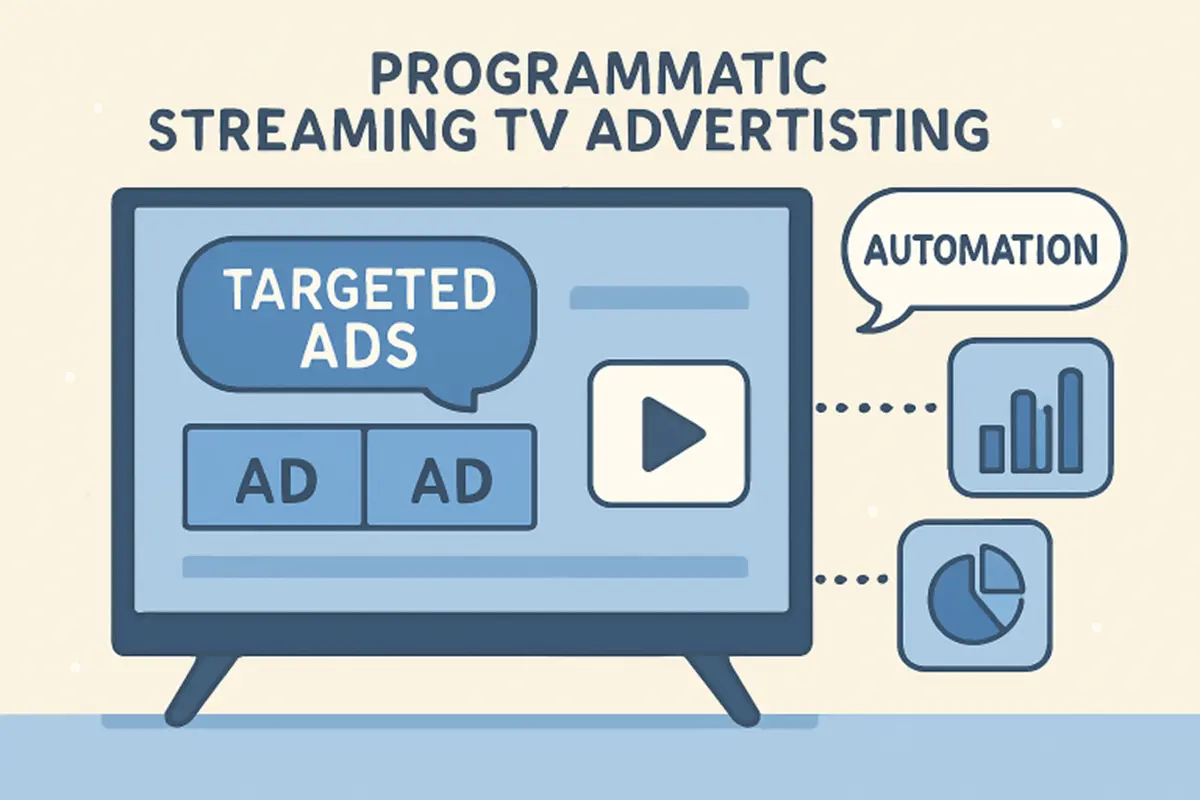
    The rapid growth of streaming TV and the proliferation of digital content have triggered a massive shift in how brands reach viewers. Programmatic advertising automates the buying and selling of ad inventory, enabling advertisers to target audiences with unprecedented accuracy. As the industry shifts to digital-first approaches, connected TV and streaming TV advertising have become vital for marketers seeking to reach consumers across multiple devices and environments.

    This evolution streamlines media purchasing and ensures that ads reach highly engaged viewers at precisely the right moment. With data-driven targeting and dynamic ad insertion, marketers can achieve greater efficiency and impact than with traditional linear TV campaigns. It’s clear that programmatic technology is now a foundational element in the modern advertising arsenal.

    Advancements in Programmatic Ad Formats

    Successful advertising relies on engaging users without disrupting their viewing experience. Programmatic advancements are transforming ad formats to better match this need. For example, networks like Fubo are pioneering pause ads on connected TV. These ads only surface when content is paused, making them less intrusive and more valuable for both viewers and advertisers. Research shows that such formats can increase brand engagement by over 30 percent compared to standard pre-roll or mid-roll ads. Brands now have the tools to reach customers with relevant content at optimal moments, helping foster positive brand associations and generate higher returns.

    The expanding range of formats includes overlays, menu ads, and interactive experiences. As the ecosystem grows, viewers can expect less disruption, while advertisers gain access to more tailored solutions that genuinely meet audience needs. Leading publications such as The Wall Street Journal have noted this trend, recognizing that these innovations are redefining the economics and effectiveness of television advertising.

    Standardizing Programmatic Practices

    As more advertisers and publishers migrate to programmatic streaming TV, consistency and efficiency are paramount. Industry bodies like the IAB Tech Lab are rising to the challenge, providing clear guidelines and new resources to standardize core ad formats and transaction structures across platforms. Their updated “CTV Ad Portfolio” and “Guide to Programmatic CTV” define formats ranging from pause ads to overlays, supporting interoperability and scale. This push for standardization makes it easier for brands to execute campaigns across a fragmented media landscape and for publishers to monetize content efficiently.

    Programmatic Solutions for Linear TV

    While connected TV leads the programmatic charge, traditional linear TV is also benefiting from digital transformation. Innovations from companies like Comcast Advertising are enabling agencies and brands to buy targetable and biddable ads on linear broadcasts. This means advertisers can now plan, buy, and optimize campaigns across both digital and broadcast channels within a single workflow. As a result, the line between digital video and traditional TV continues to blur, helping brands maximize reach and deliver consistent messaging across platforms.

    Enhancing Live Event Advertising

    Live events such as sports games, award shows, and news broadcasts present unique opportunities for advertisers. Programmatic technology is transforming these high-value moments by leveraging real-time data and advanced stream management standards. Methods for monitoring active viewers, minimizing ad fatigue, and handling sudden spikes in audience size help marketers make faster, data-driven decisions about ad placement. These tools increase engagement and effectiveness during peak live-event moments, while also supporting smoother operations for streaming platforms and broadcasters.

    Impact on Content Monetization

    This fundamental shift to programmatic buying is driving content creators and broadcasters toward over-the-top (OTT) platforms for improved monetization. Leveraging detailed data aggregation and artificial intelligence, broadcasters can better predict viewer behavior, optimize ad breaks, and extract higher value from their inventory. More granular insights mean more relevant ads, which translate into better monetization and improved viewer satisfaction. This trend demonstrates that adopting programmatic strategies is now essential for staying competitive in a digital-first world.

    Future Trends in Programmatic Streaming TV

    The future of programmatic streaming TV is being shaped by a convergence of next-generation technologies and evolving consumer expectations:

    • Artificial Intelligence and Machine Learning: These tools enable smarter bidding, dynamic creative optimization, and accurate predictions of ad performance, making campaigns more effective and automated.
    • Contextual Targeting: As privacy concerns grow and third-party data access shrinks, advertisers are adopting contextual strategies that target ads based on surrounding content rather than specific user identifiers.
    • Interactive and Shoppable Ads: Innovations in interactivity allow viewers to engage with brands instantly or even purchase directly from their screen, blending e-commerce and video in new ways.

    These trends highlight a move toward personalization, automation, and user-centric advertising experiences in streaming environments.

    As the adoption of programmatic streaming TV continues to grow, new opportunities for innovation and creativity will emerge. Advertisers are beginning to experiment with hybrid campaigns that blend traditional storytelling with data-driven techniques, amplifying their brand impact. Furthermore, streaming platforms are fostering collaborations with content creators, leveraging advanced programmatic tools to create bespoke user experiences. These developments are ensuring that both viewers and advertisers benefit from a more relevant, rewarding, and interactive media landscape. In the coming years, expect even more rapid change as new technology and consumer behaviors drive further evolution in streaming TV advertising.

    Final Thoughts

    Programmatic streaming TV is redefining the media and advertising ecosystem. More precise targeting, flexible ad formats, and industry-wide standardization are setting new benchmarks for how brands engage audiences. As technology continues to evolve, those who invest in programmatic solutions and adapt to emerging trends will be best positioned to maximize audience reach and boost ROI in a highly competitive and ever-changing media landscape.

    Also Read

  • RAG vs Agentic RAG: Which Approach Drives the Next Wave of AI Automation?

    RAG vs Agentic RAG: Which Approach Drives the Next Wave of AI Automation?

    The way we use AI is changing fast. In the past, people used AI like a very basic search engine. Pose a question to it, and it gives you the answer based on the already available input and knowledge base. But like humans, AI also has limitations in knowledge, as it can only know what it is given during training.

    This is the point where RAG is beneficial. RAG stands for Retrieval-Augmented Generation. Simply put, it means that AI is given access to a library of information before it generates a response. This approach makes AI much more reliable, as it helps prevent the system from inventing facts.

    On the other hand, as businesses are striving to do more complex things, traditional RAG is experiencing a few limitations. This is why we are now witnessing the emergence of something called Agentic RAG.

    Why the Architecture is Changing

    In the early days of AI, models were smart but had a memory problem. They knew everything up until their training date, but nothing about your specific business or your private files. RAG was the solution to this. It allowed the AI to look at a folder of documents before answering a question.

    However, as businesses tried to use AI automation for more than just simple Q&A, they hit a wall. Standard systems are linear. They follow a straight path. If the path is blocked or the information is spread across five different places, a standard system often fails. This gap led to the development of Agentic RAG.

    The Shift from Search to Reasoning

    The biggest difference in this evolution is how the system handles a mistake. In a standard RAG setup, the process is a one-way street. You ask a question, the system searches your data, and then it gives you an answer. If the search tool grabs the wrong document, the AI will give you the wrong answer. It cannot go back and try again. It does not know it made a mistake.

    Agentic RAG changes this by adding a reasoning loop. Instead of just searching, the agent looks at the search results and asks itself: Does this actually answer the user’s question? If the answer is no, it tries a different search term or looks in a different database. This ability to self-correct is the core of modern AI automation.

    Moving from Static to Dynamic Workflows

    When you look at RAG vs Agentic RAG, you are looking at the difference between a static map and a GPS. A static map shows you the route. If there is a road closure, the map cannot help you. You are stuck. A GPS sees the traffic jam and recalculates the route in real-time.

    In a business setting, this is huge. Most office tasks are not linear. They require checking a calendar, then a budget, and then a person’s availability. An agentic architecture can jump between these tasks, using different tools for each step. Standard RAG usually stays within the walls of a single text database.

    Managing Complexity in AI Automation

    As companies scale their AI automation, they realize that not all data is text. Sometimes the information needed to answer a question is hidden in a graph, a SQL database, or a live API feed.

    • Standard RAG is best when your data is flat and organized.
    • Agentic RAG is built for messy environments where the AI needs to use multiple tools to get the full picture.

    The evolution here is about moving away from retrieval and moving toward orchestration, which means managing a sequence of events.

    Performance and Reliability

    One of the main reasons for this architectural evolution is the need for higher accuracy. In a standard setup, if the user asks a vague question, the AI might guess. An agentic system can pause and ask the user for more details, or it can search for context to clarify the ambiguity itself.

    This makes AI automation much more reliable. Instead of a 70% success rate on complex tasks, agentic systems can push that number much higher by simply trying harder and checking their own work before presenting it to the user.

    Speed vs. Intelligence

    It is important to understand that evolution does not always mean better in every way. Agentic systems are more intelligent, but they are often slower. Because the AI is thinking, planning, and checking its work, it takes more time to deliver a final result.

    Standard RAG is like a fast-food counter, you get your order almost instantly. Agentic RAG is like a chef, it takes longer because the quality and complexity are higher. For many AI automation tasks, speed is the priority, which is why standard RAG is still very relevant today.

    Cost Considerations in the New Framework

    When comparing RAG vs agentic RAG, cost is a major factor. Every thought or reasoning step an agent takes costs money in the form of processing power. A standard system runs one search and one generation. An agentic system might run five searches and three generations to answer one hard question.

    For simple tasks, using an agentic framework is like using a rocket ship to go to the grocery store. It is overkill. The evolution of these architectures is helping developers figure out exactly how much brainpower is needed for specific jobs so they do not waste money.

    The Future of AI Frameworks

    The trend is moving toward multi-agent systems. This is the next step after Agentic RAG. In this setup, you do not just have one agent; you have a team of them. One agent might be an expert at searching documents, while another is an expert at math, and a third is an expert at writing.

    This is the ultimate goal of AI automation: a digital office where different AI parts talk to each other to solve problems that were impossible for a single model to handle a year ago.

    Choosing the Right Path

    Deciding between RAG vs agentic RAG comes down to the nature of your task. If your goal is to let people search an internal wiki or a set of manuals, a standard RAG architecture is the right choice. It is fast, cheap, and easy to build.

    If your goal is to automate a complex process, like insurance claims, technical support, or financial planning, you need the flexibility of an agentic system. The ability to use tools, plan steps, and fix errors makes it the only real choice for high-level AI automation.

    Summary of the Evolution

    We have moved from simple AI models that knew things to RAG systems that could find things, and now to Agentic RAG systems that can do things. This evolution is what makes AI feel less like a search engine and more like a coworker.

    As the technology continues to mature, the line between these two will likely blur. We will see systems that automatically switch between standard and agentic modes based on the difficulty of the question. For now, understanding the difference helps you build a system that is efficient, cost-effective, and truly helpful.

    Also Read

  • The Psychology Behind Online Decision-Making and Digital Trust

    The Psychology Behind Online Decision-Making and Digital Trust

    Think about the last time you made a decision online. Choosing a service, a financial tool, or exploring entertainment platforms, the process probably felt quick. That’s because digital environments are designed for fast decision-making, not slow evaluation.

    Online users are constantly exposed to information overload. Multiple tabs, reviews, recommendations, and comparison pages create cognitive pressure. Instead of analyzing every detail, the brain often relies on heuristics, mental shortcuts that help people make quick judgments.

    Two psychological systems influence these choices:

    • System 1 (intuitive thinking) is fast, automatic, and emotion-driven
    • System 2 (analytical thinking) is slower, rational, and deliberate

    Most online decisions rely heavily on System 1, especially when users encounter unfamiliar platforms or complex digital ecosystems.

    Trust as a Shortcut in Digital Environments

    In physical environments, trust often develops through experience, human interaction, and reputation. Online, that process is compressed into seconds.

    Users quickly evaluate platforms based on signals such as:

    • Website structure and professional interface
    • Transparency of information
    • Community reputation and activity
    • Platform stability and consistency

    This process is known as trust transfer. Instead of verifying everything themselves, users rely on signals from trusted communities, directories, or curated sources.

    When people encounter specialized platforms, especially in sectors that involve risk or financial transactions, they often look for structured ecosystems that categorize verified options. For instance, users navigating complex gaming environments may prefer curated directories or recommendation hubs that point them toward a reliable Baccarat site, reducing uncertainty and saving time in the evaluation process.

    Cognitive Biases That Influence Online Decisions

    Even when users believe they are making rational choices, several psychological biases subtly influence their decisions.

    1. The Halo Effect

    The halo effect occurs when one positive attribute shapes the overall perception of a platform.

    For example

    • A clean interface
    • Fast loading speeds
    • Professional design

    These factors can create an impression of credibility even before users analyze deeper aspects of the platform.

    2. Confirmation Bias

    People tend to search for information that confirms what they already believe.

    If a user expects a platform to be trustworthy, they may focus on:

    • Positive reviews
    • Success stories
    • Recommendations

    Meanwhile, they may overlook neutral or negative information. This selective perception reinforces existing beliefs.

    3. Anchoring and Framing

    Another important bias is anchoring. The first piece of information users see, such as pricing, rankings, or ratings, often becomes the reference point for their decision.

    A platform described as “trusted by thousands of users” may appear safer than one that simply lists features, even if both offer similar services.

    Social Proof and Reputation Systems

    One of the strongest forces behind digital trust is social proof.

    People naturally look to others when they are uncertain. Online platforms take advantage of this behavior through:

    • Ratings and reviews
    • Community feedback
    • Activity metrics
    • User testimonials

    These reputation systems function as collective intelligence mechanisms. Instead of relying solely on their own judgment, users rely on the experiences of the broader community.

    Decision Fatigue and Delegated Trust

    The modern internet offers endless choices. While this seems beneficial, it often leads to decision fatigue.

    When faced with too many options, users begin to delegate trust to platforms, communities, or curated systems that help narrow down choices.

    Ultimately, digital trust is less about perfect information and more about interpreting signals quickly and confidently.

    Read more: What Employees Seek in Modern Payroll Benefits

    How Future-Ready Middle Grades Teachers Make a Difference

    Stopping Baccarat When You Hit a Set Loss: What It Really Helps (and What It Doesn’t)

  • The Future of Search: Why LLM SEO Services in India Matter

    The Future of Search: Why LLM SEO Services in India Matter

    The way people search for information online is changing rapidly. Traditional search engines are no longer the only gateway to information. Today, users are turning to AI-powered platforms, conversational assistants, and generative search experiences to get direct, summarized, and context-aware answers. This transformation is reshaping digital marketing strategies across the globe. In this evolving landscape, LLM SEO services in India are becoming essential for businesses that want to stay visible and competitive.

    Large Language Models (LLMs) such as ChatGPT, Gemini, and other AI-driven systems are redefining how content is discovered, interpreted, and presented. Instead of simply listing web pages, AI tools generate comprehensive answers by analyzing and synthesizing information from multiple sources. This shift has given rise to a new discipline known as answer-focused optimization, often referred to as answer engine SEO services.

    The Evolution from Search Engines to Answer Engines

    Traditional SEO focused heavily on ranking web pages for specific keywords. Businesses optimized content with backlinks, metadata, structured data, and on-page techniques to appear on the first page of search results. However, modern AI systems do not just display links—they generate responses.

    When users ask questions today, they expect instant, clear, and contextual answers. AI-powered answer engines provide summarized insights instead of directing users to multiple websites. This means businesses must adapt their content strategy to ensure their information is structured, authoritative, and easily interpretable by AI models.

    This is where LLM SEO services in India play a crucial role. They help businesses structure their digital presence in a way that aligns with how large language models understand and retrieve information.

    What Are LLM SEO Services?

    LLM SEO services go beyond traditional keyword optimization. They focus on making content AI-friendly, context-rich, and semantically structured. These services include:

    • Content optimization for conversational queries
    • Entity-based SEO strategies
    • Schema and structured data implementation
    • Authority and trust signal enhancement
    • Long-form content structuring for AI comprehension
    • Natural language optimization

    Unlike traditional SEO that targets search algorithms alone, LLM SEO services in India optimize content for AI-driven platforms that prioritize clarity, relevance, and credibility.

    Why India Is Emerging as a Leader in LLM SEO

    India has long been recognized as a global hub for digital marketing, IT services, and content development. The country’s expertise in technology and data-driven marketing makes it a natural leader in the field of AI-driven optimization.

    Several factors contribute to the growing importance of LLM SEO services in India:

    1. Strong Technical Talent Pool

    India has a vast number of professionals skilled in AI, machine learning, and data analytics. This technical strength supports advanced SEO strategies tailored for AI systems.

    2. Cost-Effective and Scalable Solutions

    Businesses worldwide are turning to India for scalable digital marketing solutions. Indian agencies offer high-quality answer engine SEO services at competitive costs, making advanced optimization accessible to startups and enterprises alike.

    3. Experience in Global Markets

    Indian SEO agencies have experience working with international brands, understanding diverse audiences, and creating globally optimized content strategies.

    The Rise of Conversational Search

    Voice search, AI chat interfaces, and conversational assistants are changing user behavior. People now search in full sentences rather than short keyword phrases. For example:

    Instead of typing “best CRM software,” users ask:
    “What is the best CRM software for small businesses in 2026?”

    LLMs interpret these natural language queries and provide detailed answers. Businesses that optimize only for short-tail keywords risk losing visibility in conversational search results.

    This is why LLM SEO services in India emphasize natural language content, question-based structuring, and topic clusters that address user intent comprehensively.

    The Importance of Authority and Trust

    AI models prioritize reliable and authoritative sources when generating responses. Content that demonstrates expertise, credibility, and trustworthiness is more likely to be referenced or synthesized into AI-generated answers.

    Answer engine SEO services focus on building:

    • High-quality, research-backed content
    • Expert-driven articles
    • Strong internal linking structures
    • Brand authority signals
    • Transparent authorship

    By strengthening these elements, businesses increase their chances of being included in AI-driven responses.

    Structured Data and Semantic Optimization

    Large language models analyze context, relationships, and entities within content. Simply inserting keywords is no longer sufficient. Modern SEO strategies involve semantic structuring—organizing content around topics, subtopics, and related concepts.

    LLM SEO services in India use advanced techniques such as:

    • Topic modeling
    • Entity mapping
    • Schema markup
    • Contextual interlinking

    These strategies help AI systems understand the depth and relevance of your content, improving visibility across generative platforms.

    Future-Proofing Your Digital Strategy

    The digital ecosystem is moving toward AI-first search experiences. Businesses that fail to adapt may see a gradual decline in organic traffic. Traditional ranking positions are becoming less important as AI-generated answers dominate search results.

    Investing in LLM SEO services in India ensures your brand is optimized for:

    • AI search platforms
    • Conversational interfaces
    • Voice assistants
    • Generative AI tools
    • Knowledge panels and answer boxes

    Similarly, adopting answer engine SEO services allows businesses to prepare for a future where direct answers replace traditional browsing behavior.

    Competitive Advantage in a Rapidly Changing Market

    Early adopters of AI-focused SEO strategies are already gaining a competitive advantage. By aligning content with AI interpretation models, businesses increase brand visibility across multiple digital touchpoints.

    Companies that invest in LLM SEO services in India benefit from:

    • Higher AI visibility
    • Improved brand authority
    • Better engagement through conversational queries
    • Enhanced global reach
    • Long-term digital sustainability

    The Role of Content Quality

    In the AI era, content quality matters more than ever. Thin, keyword-stuffed articles are unlikely to be recognized by advanced models. Instead, comprehensive, informative, and well-structured content performs better.

    Answer engine SEO services prioritize depth, clarity, and user intent satisfaction. This approach ensures that content is not only discoverable but also valuable and trustworthy.

    Preparing for the AI-Driven Future

    Search is no longer just about ranking—it is about being referenced, summarized, and trusted by AI systems. Businesses must rethink their digital strategies to align with this transformation.

    By partnering with experts offering LLM SEO services in India, companies can:

    • Adapt to AI-driven algorithms
    • Optimize for semantic understanding
    • Enhance structured data implementation
    • Build long-term authority
    • Stay ahead of competitors

    The future of search belongs to brands that understand how AI models retrieve and present information. As answer engines continue to grow in influence, the demand for advanced optimization strategies will only increase.

    Conclusion

    The shift from traditional search engines to AI-powered answer engines marks a significant turning point in digital marketing. Businesses must move beyond keyword-based strategies and embrace AI-centric optimization methods.

    LLM SEO services in India are at the forefront of this transformation, helping brands adapt to conversational search, semantic indexing, and AI-generated results. At the same time, answer engine SEO services are redefining how businesses structure and present information to ensure visibility in the age of generative AI.

    As the digital landscape evolves, companies that invest in AI-driven SEO today will be better positioned to lead tomorrow.

    Also Read

  • Starlink Internet Bahrain for Businesses: Opportunities and Advantages

    Starlink Internet Bahrain for Businesses: Opportunities and Advantages

    As digital transformation accelerates across the Kingdom, reliable high-speed connectivity has become a core business requirement rather than a luxury. The introduction of starlink internet bahrain is reshaping how organizations think about internet access, especially for operations that demand resilience, flexibility, and performance beyond traditional fixed-line infrastructure. With licensed local providers such as SamaX supporting deployment and integration, businesses in Bahrain now have a powerful new connectivity option.

    A New Era of Satellite Connectivity

    Unlike traditional satellite internet systems that rely on high-altitude geostationary satellites, Starlink operates through a network of low Earth orbit (LEO) satellites. This significantly reduces latency while delivering impressive broadband speeds. For businesses, this means smoother video conferencing, faster cloud access, better VoIP performance, and reliable remote collaboration tools.

    In Bahrain’s competitive business landscape—particularly in sectors like finance, logistics, oil and gas, hospitality, construction, and maritime—consistent connectivity is critical. Even short periods of downtime can result in lost revenue, operational disruption, and reputational damage. This is where starlink internet bahrain creates real value.

    Key Opportunities for Businesses

    1. Connectivity for Remote and Hard-to-Reach Locations

    Many businesses operate in locations where fiber infrastructure may be limited, delayed, or expensive to deploy. Construction sites, offshore facilities, temporary project camps, and industrial zones often struggle with stable connectivity.

    Starlink eliminates the dependency on ground-based infrastructure. Businesses can deploy high-speed internet quickly without waiting months for fiber installations. This flexibility is especially beneficial for companies expanding into new areas or operating in remote zones.

    2. Reliable Backup for Business Continuity

    For enterprises that cannot afford internet outages—such as banks, healthcare providers, payment processors, and e-commerce platforms—Starlink can serve as a high-availability backup connection.

    By integrating Starlink into a failover system, companies ensure seamless connectivity even if their primary ISP experiences disruption. This strengthens disaster recovery strategies and enhances operational resilience.

    3. Maritime and Offshore Connectivity

    Bahrain’s strategic location in the Gulf makes maritime operations essential to its economy. Shipping companies, offshore platforms, and marine service providers require stable internet for operations, safety systems, tracking, and crew communication.

    Starlink’s satellite-based architecture is ideal for maritime applications, enabling vessels and offshore facilities to stay connected even far from land-based networks.

    4. Enabling Cloud-First Strategies

    Modern businesses rely heavily on cloud platforms for ERP systems, CRM tools, collaboration software, and data storage. Latency and bandwidth limitations can slow down these systems and affect productivity.

    With improved speeds and reduced latency, starlink internet bahrain supports seamless access to cloud applications. Companies adopting hybrid or multi-cloud strategies can benefit significantly from this improved performance.

    5. Temporary and Event-Based Connectivity

    Corporate events, exhibitions, pop-up stores, and temporary offices often require immediate internet access without complex installations. Starlink allows businesses to set up high-speed connectivity quickly, making it ideal for short-term requirements.

    Advantages of Using a Local Partner Like SamaX

    While Starlink technology itself is advanced, proper deployment and integration are critical for enterprise success. This is where licensed providers like SamaX play an important role.

    Professional Installation and Integration

    Enterprise connectivity requires more than simply installing a satellite dish. Businesses need proper network configuration, secure routing, firewall integration, and performance optimization. SamaX provides professional setup and ensures the solution integrates seamlessly with existing IT infrastructure.

    Regulatory Compliance

    Operating within Bahrain’s telecommunications framework requires adherence to local regulations. Working with an authorized provider ensures compliance and reduces procurement risks.

    Enterprise-Grade Support

    Businesses require guaranteed uptime, service-level agreements (SLAs), and local technical support. SamaX offers enterprise support services that go beyond consumer-level packages, making starlink internet bahrain a viable corporate solution.

    Performance and Cost Considerations

    Starlink business plans typically offer higher bandwidth and priority data compared to residential packages. When evaluating whether to adopt the service, businesses should consider:

    • Installation and hardware costs
    • Monthly service fees
    • Integration with existing WAN infrastructure
    • Security and encryption measures
    • Scalability for multiple sites

    Although satellite solutions may carry a premium cost compared to traditional broadband, the value lies in resilience, speed of deployment, and operational continuity. For many enterprises, preventing a single major outage can justify the investment.

    Security and Network Protection

    Security remains a top priority for corporate networks. Businesses using Starlink should implement:

    • Encrypted VPN tunnels
    • Multi-factor authentication
    • Network segmentation
    • Advanced firewalls
    • Continuous monitoring systems

    When deployed properly, satellite connectivity can be just as secure as traditional terrestrial networks. Integration with SD-WAN solutions further enhances network control and performance optimization.

    Competitive Edge Through Connectivity

    Fast, reliable internet enables businesses to innovate. From IoT deployments and smart monitoring systems to AI-driven analytics and remote workforce models, connectivity is the backbone of digital growth.

    By adopting starlink internet bahrain, organizations gain a competitive advantage through:

    • Faster decision-making
    • Improved employee productivity
    • Expanded geographic reach
    • Enhanced customer experience
    • Stronger business continuity planning

    Future Outlook for Bahrain’s Business Ecosystem

    Bahrain has positioned itself as a forward-thinking digital economy in the Gulf region. The introduction of advanced satellite broadband aligns with national strategies focused on innovation, fintech growth, and smart infrastructure.

    As more companies explore hybrid connectivity models—combining fiber, 5G, and satellite—Starlink will likely play a key role in building resilient enterprise networks. Providers like SamaX will continue to bridge the gap between global satellite technology and local business needs.

    Conclusion

    The launch of starlink internet bahrain represents more than just another internet option—it signals a transformation in how businesses approach connectivity. From remote-site access and maritime operations to enterprise-grade backup and cloud performance optimization, the opportunities are substantial.

    With experienced partners such as SamaX supporting deployment, businesses in Bahrain can confidently integrate satellite broadband into their IT strategies. In a world where digital reliability determines success, investing in resilient and flexible connectivity solutions is no longer optional—it is essential for sustained growth and competitive advantage.

    Also Read

  • Online Tenders – IT and Telecoms Contracts Across South Africa

    Online Tenders – IT and Telecoms Contracts Across South Africa

    It and telecoms tenders form a growing part of South Africa’s procurement landscape. Technology is no longer a support function sitting quietly in the background. It drives operations. It protects data. It keeps organisations connected.

    When systems go down, work stops. When networks are outdated, productivity suffers. Because of that, both public institutions and private companies regularly publish tenders for IT infrastructure, telecom upgrades, cybersecurity services, and ongoing technical support.

    For businesses in this space, the opportunity is steady but it is not automatic.

    The Type of Work Being Put Out to Tender

    Not every IT contract is a massive infrastructure rollout. Some are straightforward supply projects — laptops for a department, routers for a municipality, or telecom hardware upgrades for a regional office.

    Others are more complex. Fibre installations. Cloud migration. Data centre upgrades. Managed IT services with multi-year service level agreements. Cybersecurity monitoring and compliance support.

    There has also been increased focus on data protection and regulatory compliance. Organisations are more aware of risks, especially when handling sensitive information. That awareness often translates into specialised IT and telecom tenders requiring technical certifications and proven experience.

    Who Is Issuing These Tenders?

    Government departments at national, provincial, and municipal level frequently advertise technology-related projects. Schools and universities need reliable connectivity. Hospitals require secure systems. Municipal offices modernise billing platforms and record management systems.

    Private sector demand is just as active. Property groups, logistics companies, retail chains, and financial institutions all depend heavily on digital systems. Many prefer outsourcing IT management instead of maintaining large in-house teams.

    In many cases, telecom and IT services overlap. Connectivity solutions sit alongside system management. Hardware supply may be bundled with maintenance and support.

    What Makes a Bid Stand Out

    Let’s start with the obvious: compliance.

    If tax clearance is expired or company documents are incomplete, the bid may not even be evaluated. Having updated paperwork ready at all times removes unnecessary pressure when deadlines are tight.

    Technical clarity is where many proposals fall short. It is easy to list services. It is harder to explain implementation.

    Evaluation panels want to understand how you will approach the project. What is your rollout plan? How do you manage system downtime? What support structure is in place after installation? Who is responsible for escalation if something fails?

    When these questions are answered clearly, confidence increases.

    Pricing must also be realistic. Technology projects involve hardware costs, licensing, labour, maintenance, and potential upgrades. Submitting an unsustainably low quote can create doubt about whether the service provider fully understands the scope.

    Competition and Positioning

    There is strong competition in IT and telecom tenders. Established national firms compete alongside smaller, specialised businesses.

    But size is not everything. Smaller companies often bring focused expertise and quicker turnaround times. A business that specialises in cybersecurity audits or managed network support for medium-sized organisations may have a stronger value proposition than a generalist provider.

    Instead of chasing every opportunity, it often makes more sense to focus on tenders that align closely with your actual strengths. Building a record of successful smaller contracts can position your company for larger projects later.

    Staying Consistent in the Tender Market

    Successful bidders usually follow a system. They monitor tender listings regularly instead of checking occasionally. Their compliance files are organised and current. Proposal templates are updated based on past feedback.

    They also invest in staying technically relevant. Certifications, training, and knowledge of regulatory requirements matter. The technology industry changes quickly, and procurement expectations shift with it.

    IT and telecoms tenders are not a once-off opportunity. They are part of an ongoing cycle tied to budgets, upgrades, and infrastructure planning. Businesses that treat tendering as a long-term strategy, rather than a quick win, tend to see better results over time.

    Frequently Asked Questions

    How frequently are IT and telecoms tenders published in South Africa?

    There is no fixed schedule. New tenders are released throughout the year depending on budgets, upgrade cycles, and infrastructure projects. Periods of digital modernisation often increase activity.

    Are these tenders only for large IT companies?

    No. Many contracts are suitable for SMEs, especially those offering specialised services such as cybersecurity, network maintenance, cloud support, or telecom installations. Strong documentation and clear technical planning significantly improve competitiveness.

    Also READ-Why Office Interior Design Is No Longer Just About Looks

  • Bridging the Gap Between Clinicians and AI Developers: Dr Andrew Ting Explores Why Collaboration Is the Future of Medical Innovation

    Bridging the Gap Between Clinicians and AI Developers: Dr Andrew Ting Explores Why Collaboration Is the Future of Medical Innovation

    Artificial intelligence is increasingly becoming a major component of healthcare, but it is not a panacea on its own. The true breakthroughs occur when doctors and developers collaborate, combining hands-on knowledge and technical understanding. Dr Andrew Ting shows why, without collaboration, even the most advanced AI systems may overlook key information or fail to satisfy the demands of patients and physicians in real-world settings.

    Why Clinicians Are Critical to AI Success

    Doctors contribute more than just knowledge; they provide perspective. Every patient case is unique, and medical judgments frequently rely on minor elements that do not appear in spreadsheets. AI systems designed without this perspective may be technically correct but ineffective in practice.

    Clinicians might point out instances in which algorithms may overlook complexity, such as unique symptom patterns, or when an AI recommendation conflicts with practical realities, such as staffing constraints, patient preferences, or regulatory requirements. Including clinicians in the development process guarantees that AI enhances rather than disrupts patient care.

    Translating Medical Needs Into Technology

    Communication is one of the most challenging aspects of healthcare AI. Doctors consider symptoms, risk factors, and treatment outcomes. Developers consider data models, training sets, and measurements. Bridging this linguistic divide is critical for developing tools that assist professionals in executing their jobs.

    Andrew Ting emphasizes that cross-disciplinary teams can translate complex medical goals, such as improving diagnostic accuracy or reducing unnecessary testing, into clear technical specifications. This method enables AI systems to become practical tools rather than speculative experiments.

    Fitting AI Into Daily Clinical Workflows

    If it doesn’t fit into a doctor’s timetable, even the smartest AI is useless. Hospitals are busy places with plenty of paperwork, strict deadlines, and regular emergencies. A system is unlikely to be adopted if it slows work or requires extra steps.

    For this reason, developers need to assess AI technologies in actual healthcare environments. To make sure the system is easy to use, integrates with electronic records, and saves time, pilots, feedback sessions, and phased rollouts are used. Adoption can be greatly increased by making small improvements, including revealing important advice at the right moment.

    Ethics, Responsibility, and Patient Safety

    From algorithmic bias to decision-making transparency, AI raises serious ethical issues. Clinicians are crucial to identifying situations where AI can inadvertently harm specific patient groups.

    By working together, medical professionals and technologists can create precise accountability standards, carry out regular performance evaluations, and ensure that AI advances moral, secure patient care. Patients need to understand that technology is a tool, not a substitute for human judgment; thus, these exchanges also help preserve their trust.

    Learning From Feedback

    AI systems improve in terms of algorithmic bias and decision-making transparency, but AI also raises serious ethical issues. Clinicians are crucial to identifying situations where AI can inadvertently harm specific patient groups.

    By working together, medical professionals and technologists can create precise accountability standards, carry out regular performance evaluations, and ensure that AI advances moral, secure patient care. Patients need to understand that technology is a tool, not a substitute for human judgment; thus, these exchanges also help preserve their trust.

    Education and Understanding

    Collaboration works best when both parties understand one another. Clinicians do not need to become programmers, and developers do not require medical degrees, but a fundamental understanding of each other’s worlds goes a long way. Workshops, co-development programs, and hospital immersion experiences help teams understand the issues and constraints faced by both sides.

    This mutual understanding fosters respect, enhances problem-solving abilities, and accelerates invention. When doctors and engineers communicate in the same language, AI becomes a tool that improves treatment rather than confusing

    Sustaining Collaboration Through Continuous Iteration

    After deployment, physicians and AI developers can continue to work together effectively. AI systems must adapt to keep pace with the rapidly evolving healthcare environment and medical knowledge. Developers can change models in response to new clinical discoveries, evolving protocols, or patient outcomes by creating continuous feedback loops. In these iterative cycles, clinicians are essential because they provide real-time insights on what works, what doesn’t, and what could be improved.

    AI technologies can be developed without interfering with care through regular interdisciplinary discussions, data-driven performance reviews, and adaptable system designs. AI solutions remain current, dependable, and aligned with evolving patient needs and medical best practices thanks to this constant iteration. AI can significantly improve healthcare outcomes if development is approached as a dynamic collaboration rather than a one-time undertaking.

    Final Thoughts

    The future of healthcare innovation depends on collaboration. AI can do incredible things, but only when clinicians’ real-world experience guides it. Dr Andrew Ting emphasizes that bridging the gap between medicine and technology is essential for creating tools that improve patient outcomes, support doctors, and advance healthcare safely and responsibly. By working together, clinicians and developers can ensure that AI truly makes a difference in people’s lives.

    Also Read