Category: Technology

  • From Reactive Maintenance to Proactive Strategy: The Opsio Cloud Advantage in Managed IT Services

    From Reactive Maintenance to Proactive Strategy: The Opsio Cloud Advantage in Managed IT Services

    The journey to the cloud is essential, but the real challenge begins after migration. Managing diverse cloud environments—patching, scaling, optimizing costs, and ensuring 24/7 security across platforms like AWS, Azure, and GCP—is a monumental, non-stop task. For many organizations, the internal resources required to handle this complexity are simply too costly and too scarce.

    This dilemma is precisely why Cloud Managed IT Services (CMITS) have become the strategic backbone for modern enterprises. CMITS is not just outsourcing; it’s offloading the operational burden of your infrastructure to specialized experts so your internal teams can focus on what truly drives revenue: innovation.

    At the forefront of this transformation is Opsio Cloud, a partner dedicated to helping businesses achieve genuine cloud efficiency and agility through comprehensive, expertly managed services.

    CMITS vs. Traditional IT: A Fundamental Shift

    To appreciate the value of CMITS, it’s crucial to understand how it contrasts with legacy, on-premises IT management. The difference is a fundamental shift in capital, risk, and focus:

    AspectTraditional IT ManagementCloud Managed IT Services (Opsio Cloud)
    Infrastructure InvestmentHigh CapEx (Capital Expenditure) on hardware, servers, and facilities.Predictable OpEx (Operational Expenditure); consumption-based billing.
    ScalabilityLimited by physical hardware; scaling is slow and requires procurement.On-demand, near-instantaneous scaling up or down to meet fluctuating needs.
    Maintenance BurdenInternal teams handle all maintenance, patching, and hardware lifecycle management.Opsio Cloud manages infrastructure health, updates, and maintenance seamlessly.
    Innovation PaceSlower; resources are tied up in “keeping the lights on.”Faster; internal teams are freed to focus on strategic product development.
    Disaster RecoveryComplex, expensive, and often reliant on duplicate infrastructure.Built-in redundancy, automated failover, and streamlined DRaaS provided by the MSP.

    In short, traditional IT is reactive and limiting. CMITS, as delivered by Opsio Cloud, is proactive, flexible, and strategically aligned with business growth.

    The Core Pillars of Managed Cloud Excellence

    An effective CMITS partnership hinges on expertise across three critical pillars: Security, Performance, and Cost.

    1. Enterprise-Grade Cloud Security

    In the cloud, security is a shared responsibility, but the operational burden often falls on the client. Opsio Cloud assumes this role by providing a specialized team dedicated to:

    • Continuous Compliance: Ensuring environments meet regulatory standards (e.g., GDPR, HIPAA) through automated monitoring.
    • Proactive Threat Detection: Deploying Security Operations Center (SOC) capabilities for 24/7 monitoring and rapid incident response.
    • Identity and Access Management (IAM): Rigorously controlling who accesses resources to minimize risk.

    2. FinOps and Cost Optimization

    One of the greatest fears of cloud adoption is uncontrolled spending. The CMITS model combats this with dedicated FinOps (Financial Operations) practices. Opsio Cloud utilizes advanced tooling to:

    • Rightsizing: Ensure virtual machines and databases are perfectly matched to actual workload needs, eliminating waste.
    • Reserved Instance Management: Strategically purchasing reserved capacity to secure substantial discounts.
    • Automated Governance: Implementing policies that automatically terminate unused resources.

    3. High Availability and Support

    Downtime is a direct hit to the bottom line and reputation. Through 24/7 monitoring and support, Opsio Cloud maintains high availability (HA) with guaranteed Service Level Agreements (SLAs). This means expert eyes are on your systems around the clock, ready to resolve issues before they escalate, providing peace of mind globally.

    Critical Use Cases for CMITS

    When is the right time to engage with a CMITS provider like Opsio Cloud?

    1. Rapidly Scaling Startups and Scale-ups: Need to grow infrastructure exponentially without immediately hiring a large, specialized DevOps team. CMITS provides instant, expert capacity.
    2. Compliance-Heavy Industries (Healthcare, Finance): Businesses where regulatory adherence is complex and non-negotiable. An MSP ensures continuous compliance posture management.
    3. Enterprises Undergoing Modernization: Organizations shifting from legacy systems to a cloud-native architecture. CMITS manages the complex transition and subsequent operational tasks, minimizing disruption.
    4. Businesses Needing Guaranteed Resilience: For mission-critical applications, CMITS delivers guaranteed Disaster Recovery and Business Continuity, often at a fraction of the cost of building the equivalent internally.

    Choosing Your Expert Partner: Why Opsio Cloud Stands Out

    Selecting an MSP is a long-term strategic move. The best practices dictate a rigorous evaluation of technical depth, operational maturity, and alignment with your business goals.

    • Technical Depth: Verify their credentials and partner status with the major cloud providers. Opsio Cloud brings deep, multi-cloud expertise across all layers of the stack.
    • Transparency: Demand clear, defined SLAs and transparent cost structures. Avoid providers with complex or opaque pricing models.
    • Security Focus: Ensure the provider’s security frameworks meet or exceed your own requirements, including certifications and a well-defined incident response plan.

    By partnering with a trusted expert like Opsio Cloud, businesses move past the daily grind of “keeping the lights on.” They gain the agility, predictability, and freedom necessary to convert their cloud investment from a costly operational necessity into a powerful driver of competitive advantage and strategic growth.

    Also Read-Unselect vs Deselect: Which Term Should You Use in Tech? 🖱️💡

  • Blog Marketing Agency Essentials for Effective Content Marketing SEO Services

    Blog Marketing Agency Essentials for Effective Content Marketing SEO Services

    In the fast-paced digital landscape, maintaining visibility and relevance is paramount for businesses of all sizes. A blog marketing agency can be a key player in elevating a brand’s online presence by focusing on creating and managing engaging blog content that not only resonates with audiences but also ranks well on search engines. Through their expertise in content marketing SEO services, these agencies help drive website traffic and enhance engagement levels.

    Key Benefits of Hiring a Blog Marketing Agency

    Here are some key benefits that come with bringing in a blog marketing agency:

    1. Specialized Expertise:
      • Agencies employ professionals adept at content creation and SEO practices.
    2. Targeted Content:
      • Content aligns with audience interests, boosting engagement.
    3. SEO Alignment:
      • Agencies optimize content for search engines, improving rankings.
    4. Efficient Resource Use:
      • Outsourcing content needs allows internal teams to focus on core business functions.
    5. Measurable Results:
      • Many agencies offer analytics to track content performance and refine strategies.
    6. Expert Guidance:
      • These agencies bring specialized knowledge in content creation and SEO.
    7. Increased Visibility:
      • Tailored content helps businesses enhance their brand visibility.
    8. Enhanced SEO:
      • Agencies integrate SEO best practices into content to drive organic traffic.

    Blog marketing agencies have on driving organic traffic and enhancing engagement through well-crafted content strategies. To learn more, check out this in-depth article on marketing trends.

    By leveraging the expertise of a blog marketing agency, businesses can align their content marketing strategies with SEO goals effectively, resulting in an improved online presence and increased organic traffic.

    The Synergy Between Content Marketing Firms and SEO Content Companies

    The synergy between content marketing firms and SEO content companies is pivotal for effective content marketing strategies:

    • Complementary Roles:
      • Content marketing firms focus on crafting engaging content, while SEO content companies optimize it for better search engine rankings.
    • Optimized Content Creation:
      • Collaborative efforts lead to compelling content that resonates with readers and performs well on search engines.
    • Shared Goals:
      • Both entities work towards increasing visibility and fostering engagement, amplifying each other’s strengths.

    Exploring Website SEO Content Services

    Website SEO content services play a crucial role in enhancing online performance:

    • Boosting Search Rankings:
      • SEO services help websites rank higher in search results, driving more organic traffic.
    • Engaging Content:
      • Crafted content captivates readers while adhering to SEO best practices.
    • Support from B2B Website Development Services:
      • Ensuring robust site infrastructure further enhances SEO success.
    • Proven Strategies:
      • By following on-page SEO best practices, websites can enhance visibility and user engagement.

    Businesses implementing comprehensive SEO content strategies can work with Proven Content, ClearVoice, or Contently, which integrate technical SEO optimization with content creation, provide performance analytics tracking, and develop data-driven content calendars aligned with search intent and conversion goals.

    Strategically utilizing both content marketing and SEO content services empowers businesses to create a dynamic online presence that not only attracts attention but also retains it effectively.

    Specialized Services: Medical SEO Copywriting and Healthcare Digital Marketing

    In the healthcare realm, establishing a robust online presence is essential, with medical SEO copywriting services playing a significant role in facilitating connectivity between healthcare providers and their audience.

    Here’s why specialized services are crucial:

    • Tailored Content:
      • Medical SEO copywriting focuses on creating content tailored to meet healthcare provider needs accurately.
    • Improved Visibility:
      • Optimized content with relevant keywords enhances search engine ranking, aiding patient access to healthcare services.
    • Trust Building:
      • Accurate medical information establishes trust and credibility among healthcare consumers, pivotal in a trust-centric industry.

    Healthcare digital marketing services also contribute significantly by:

    • Engaging Patients:
      • Online campaigns and social media keep patients informed about services and health tips.
    • Analytics and Insights:
      • Data analysis helps marketers understand patient trends for targeted strategies.

    Adapting SEO Strategies for Technology Companies

    In the tech industry, agility is key, necessitating SEO strategies that evolve with rapid technological advancements:

    • Focus on Innovation:
      • Emphasize company innovations to attract tech-savvy users seeking cutting-edge solutions.
    • Technical SEO:
      • Technical SEO ensures optimal performance and user experience for technology products.
    • Content Marketing Alignment:
      • Create content with technical explanations and use cases for enhanced user understanding.

    Leveraging Client Endorsements

    Client endorsements play a pivotal role in shaping brand reputation in digital marketing:

    • Builds Trust:
      • Positive client experiences reinforce trust among potential customers, showcasing real success stories.
    • Boosts Credibility:
      • Endorsements validate services, enhancing credibility in competitive markets.
    • Enhances Loyalty:
      • Showcasing client endorsements strengthens customer relationships, fostering loyalty.

    Leveraging endorsements can strengthen brand connections, leading to market recognition and success.

    Conclusion: Optimizing Content Marketing SEO Services

    Partnering with a blog marketing agency equips businesses with tools to thrive online. By embracing specialized services like medical SEO copywriting and tailored SEO strategies for technology companies, businesses can uphold a robust digital presence.

    Collaboration between content marketing firms and SEO content companies is instrumental in crafting optimized content tailored for search engine success. To maximize the benefits of content marketing and SEO, explore services offered by experienced agencies. Embrace the prowess of a blog marketing agency and revolutionize your digital strategies today!

    Also Read-How New Nurses Balance Learning, Work, and Compassion Daily

  • Monitoring & Observability in DevOps Certification: Why It Matters More Than Ever

    Monitoring & Observability in DevOps Certification: Why It Matters More Than Ever

    Introduction

    Modern applications are no longer simple, single-server deployments. Today’s digital systems run across cloud platforms, containerized environments, microservices, and distributed networks — constantly changing and continuously delivering updates. With this shift, one thing has become mission-critical:

    👉 Monitoring and observability.

    Without monitoring, DevOps becomes guesswork. Without observability, failure becomes invisible until it hurts customers.

    This is exactly why DevOps training and every reputable DevOps certification includes a strong focus on monitoring tools, alerting strategies, and observability practices. Whether you deploy apps on AWS, Azure, or Kubernetes, your success depends on your ability to detect, diagnose, and fix issues before the user notices.

    This blog breaks down why monitoring matters, what tools you need to master, and how monitoring directly influences your career growth in DevOps.

    What Is Monitoring in DevOps?

    Monitoring is the continuous tracking of system health, performance, and behavior.

    You monitor to answer:
     ✔ Is the application running?
     ✔ Is performance degrading?
     ✔ Is any component nearing failure?
     ✔ Are errors increasing after a deployment?

    Monitoring keeps your systems alive.
     Observability helps you understand why a failure happens.

    Key Monitoring Focus Areas

    Focus AreaExamples of MetricsImpact
    Infrastructure HealthCPU, memory, disk I/OPrevent system crashes
    Application PerformanceLatency, throughputEnsure smooth user experience
    Security & AccessFailed logins, threatsAvoid intrusions & data breaches
    Business MetricsOrders, drop-off rateDirect revenue protection

    Monitoring vs Observability — Aren’t They the Same?

    A common question asked in DevOps training:

    📌 Monitoring tells you what is wrong. Observability tells you why it’s wrong.

    CategoryMonitoringObservability
    NatureReactiveProactive
    DataMetricsLogs, traces, events
    When UsedKnown issuesUnknown failure scenarios
    GoalDetect system failuresUnderstand internal system state

    As systems scale, observability becomes essential — especially in microservice architectures.

    Why Monitoring Is Essential in DevOps Certification Programs

    Because real-world DevOps responsibilities include:

    ✔ Ensuring uptime
     ✔ Reducing MTTR (Mean Time to Recovery)
     ✔ Identifying issues during deployments
     ✔ Automating alerts for risky behavior
     ✔ Improving customer experience

    Recruiters always ask questions like:

    “How would you monitor a Kubernetes-based microservices system?”

    This is why top DevOps certification syllabi (AWS, Azure, Kubernetes, vendor-neutral) include modules on:

    • Prometheus & Grafana

    • ELK Stack (Elasticsearch, Logstash, Kibana)

    • Cloud-native monitoring (Azure Monitor / AWS CloudWatch)

    • Distributed tracing (Jaeger, Zipkin)

    Monitoring knowledge instantly reflects production readiness — a must for hiring.

    Most In-Demand Monitoring Tools You Learn in DevOps Training

    1️⃣ Prometheus — Metrics & Time-Series Monitoring

    • Designed for cloud-native workloads

    • Pull-based metric scraping

    • Works seamlessly with Kubernetes

    • Alerting via Alertmanager

    Ideal for:
     🔹 Microservices
     🔹 Kubernetes clusters
     🔹 Real-time performance monitoring

    2️⃣ Grafana — Visualization & Analytics

    • Turns metrics into dashboards and insights
    • Supports multiple data sources (AWS, Azure, Prometheus, Loki, SQL)

    Why companies love it:
     ✨ Makes complex systems understandable at a glance
     ✨ Helps engineers act quickly under pressure

    3️⃣ ELK Stack — Log Analysis & Troubleshooting

    • Elasticsearch: search & store logs
    • Logstash: processes logs
    • Kibana: visualizes logs

    Best for:
     🔸 Root cause analysis
     🔸 Security event monitoring
     🔸 Audit tracking

    Logs reveal the truth when systems break.

    4️⃣ Cloud-Native Monitoring Tools

    CloudMonitoring ToolUse Case
    AWSCloudWatchMonitor EC2, serverless, EKS
    AzureAzure Monitor + Application InsightsFull-stack Azure observability

    Most DevOps roles require multi-cloud awareness — especially if pursuing advanced DevOps certification.

    What Happens When You Don’t Monitor? 😬

    A single database instance hits max CPU →
     API responses slow →
     Cart checkout fails →
     Users leave →
     Business loses revenue →
     You get an escalation call at 3 AM.

    Proper monitoring avoids:

    ❌ Downtime
     ❌ Customer dissatisfaction
     ❌ SLA breaches
     ❌ Revenue loss

    Monitoring is not a luxury —
     👉 It’s a survival system for modern businesses.

    Monitoring in the DevOps Career Roadmap

    Monitoring is typically introduced at mid-level stage of DevOps learning:

    StageSkillsWhy Monitoring Fits Here
    BeginnerLinux, Git, Cloud basicsFoundation set
    IntermediateCI/CD, ContainersApps go live — need visibility
    AdvancedKubernetes, Scaling, IaCLarge systems require observability

    Monitoring is one of the first topics where skills become production-grade — not just lab exercises.

    How Monitoring Helps You Clear DevOps Certification Exams

    Certifications test real operational awareness:

    • Design monitoring dashboards

    • Configure alerts in pipelines

    • Troubleshoot failure scenarios

    • Use logs to diagnose microservice issues

    DevOps certifications don’t just test tool usage —
     They test response under real-world stress.

    With monitoring skills, you confidently answer scenario questions like:

    “Deployment succeeded but app latency increased — what will you check?”

    And that is a career-changing skill.

    Real-World Use Cases for Monitoring in DevOps

    IndustryExampleWhat Monitoring Prevents
    EcommerceUPI payment failuresRevenue leaks during sale events
    BankingAuthentication issuesFraud / compliance violations
    EdTechLive class streamingLag, dropout, customer churn
    HealthcareTelemedicine appsLife-critical response delays

    Downtime doesn’t just affect systems —
     It affects people, trust, and business outcomes.

    How Monitoring Supports SRE & Deployment Confidence

    Monitoring bridges Dev and Ops — bringing reliability at scale.

    Benefits for DevOps Teams

    ✔ Deploy more frequently
     ✔ Detect issues instantly
     ✔ Reduce incident resolution time
     ✔ Build confidence in automation

    Monitoring enables safe innovation.

    FAQs — Monitoring in DevOps Certification & Training

    QuestionAnswer
    Do I need to code for monitoring?Basic scripting helps but not mandatory
    Is monitoring only for big companies?No — even a small app needs uptime
    Which tool should beginners start with?Prometheus + Grafana
    Is monitoring part of every DevOps certification?Yes — always
    Is observability required for jobs?Absolutely — especially with microservices

    Conclusion

    Monitoring is the heartbeat of DevOps.

    It doesn’t matter how advanced your pipelines are —
     If you cannot monitor them, everything eventually fails.

    This is why monitoring is a defining element in every strong DevOps certification and DevOps training program. It transforms you from an engineer who deploys code into a professional who protects business continuity.

    Mastering observability tools makes you:
     ⭐ More employable
     ⭐ More confident in production
     ⭐ Better at automation and operations
     ⭐ Trusted by your team and organization

    If you want to lead in DevOps —
     start by ensuring everything you build can be seen, measured, and improved.

    Also Read–Why Custom Merchandise Is Becoming Essential for Australian Businesses

  • Top 6 Restaurant Management Software: Boost Efficiency and Profitability

    Top 6 Restaurant Management Software: Boost Efficiency and Profitability

    Running a restaurant is rewarding, but it comes with constant challenges. From juggling staff schedules and managing inventory to processing orders and keeping diners happy, restaurant owners have a lot on their plate. That’s why restaurant management software is becoming popular day by day. 

    By automating routine tasks, offering real-time insights, and streamlining operations, these tools allow you to focus on what really matters, delighting your customers and growing your business.

    In this article, we’ll dive into the top 6 restaurant management software solutions that are helping restaurants across the USA save time, reduce costs, and boost profits.

    Why Your Restaurant Needs Management Software

    Before diving into specific software, it’s essential to understand why having a dedicated management system matters. Restaurants today face unique challenges:

    • Labor management: Scheduling staff efficiently to meet demand without overstaffing.
    • Inventory control: Tracking ingredients and supplies to minimize waste and reduce costs.
    • Order management: Ensuring orders are accurately processed, whether in-house or online.
    • Customer experience: Personalizing service, managing loyalty programs, and maintaining high satisfaction.
    • Analytics: Making data-driven decisions to optimize revenue and operations.

    A reliable restaurant management software addresses all these areas, automating repetitive tasks and providing actionable insights.

    6 Best Restaurant Management Software

    Managing a restaurant efficiently requires more than just a POS system; it takes a comprehensive solution that handles everything from inventory and staff management to customer engagement and analytics. 

    Here’s a detailed look at the top 6 restaurant management software solutions for US restaurants.

    1. Zoho Restaurant Management System

    Zoho offers a robust restaurant management software solution that is ideal for small to medium-sized restaurants aiming to centralize operations. Its cloud-based platform combines inventory, sales, and customer relationship management into one seamless system.

    Key Features:

    • Inventory and Supply Management: Track stock in real time, set automatic reorder alerts, and reduce wastage.
    • POS Integration: Handle orders, payments, and table management smoothly.
    • CRM Tools: Maintain detailed customer profiles, track preferences, and manage loyalty programs.
    • Analytics Dashboard: Generate reports on sales trends, staff performance, and popular menu items.

    Benefits:

    • Reduces manual work and human error.
    • Helps restaurant owners make data-driven decisions.
    • Cloud access allows managers to monitor operations remotely and make real-time adjustments.

    Who it’s for: Zoho is perfect for US restaurants that want a scalable, all-in-one solution without juggling multiple software tools. Its integration capabilities make it suitable for multi-location restaurants looking to unify operations.

    2. Toast POS

    Toast is widely recognized in the US for its user-friendly design and powerful integrations, making it a popular choice among casual dining and fast-casual chains.

    Key Features:

    • Point of Sale (POS): Process orders quickly, customize menus, and handle payments efficiently.
    • Inventory Management: Automatically track ingredient usage, set reorder alerts, and minimize food wastage.
    • Employee Management: Simplify scheduling, track hours, and manage payroll.
    • Reporting & Analytics: Gain real-time insights into sales, customer behavior, and staff performance.

    Benefits:

    • Reduces wait times and improves customer satisfaction.
    • Simplifies operations for multi-location restaurants with centralized data.
    • Integrates seamlessly with online ordering and delivery platforms.

    Who it’s for: Toast is ideal for US restaurants and cafes seeking a reliable system that scales easily and enhances both front-of-house and back-of-house operations.

    3. Upserve by Lightspeed

    Upserve is a data-driven restaurant management software designed for full-service and fine dining establishments. It focuses on providing actionable insights to maximize revenue and improve customer experiences.

    Key Features:

    • Sales Analytics: Detailed reports on menu performance, revenue trends, and peak hours.
    • POS Integration: Quick and accurate order management.
    • Inventory & Vendor Management: Automates ordering and tracks supplier performance.
    • Customer Insights: Collect feedback, track loyalty programs, and tailor personalized experiences.

    Benefits:

    • Provides actionable insights to maximize profitability.
    • Streamlines back-of-house operations and reduces food waste.
    • Enhances guest experience through personalized service.

    Who it’s for: Upserve is best for restaurants that want to leverage data to grow, refine their menus, and improve operational efficiency. It’s particularly effective for fine dining and high-volume establishments.

    4. Square for Restaurants

    Square is known for its versatile payment solutions, and Square for Restaurants expands this with an all-in-one management system suitable for small to medium-sized restaurants.

    Key Features:

    • POS System: Intuitive, customizable, and works for various restaurant formats.
    • Inventory Management: Track menu items, manage supplies, and set low-stock alerts.
    • Employee Scheduling: Simplify staff shifts, payroll, and labor cost tracking.
    • Reporting & Insights: Monitor sales trends, menu popularity, and revenue.

    Benefits:

    • Affordable and easy to implement for small businesses.
    • Offers online ordering and delivery integration.
    • Supports cloud access, allowing managers to monitor operations from anywhere.

    Who it’s for: Square is great for small cafes, fast-casual restaurants, and mid-sized US restaurants looking for a simple yet effective system without high upfront costs.

    5. TouchBistro

    TouchBistro is built specifically for the restaurant industry, combining front-of-house and back-of-house management into a single intuitive platform.

    Key Features:

    • POS System: Fast, accurate order processing with customizable menus.
    • Inventory Management: Automate stock tracking and reduce waste.
    • Employee Management: Scheduling, time tracking, and payroll tools.
    • Reporting & Analytics: Real-time insights into sales, labor costs, and operational efficiency.

    Benefits:

    • Streamlines operations for both small and large restaurants.
    • Reduces errors and improves efficiency in daily operations.
    • Enhances customer service by optimizing table management and order flow.

    Who it’s for: TouchBistro is ideal for full-service restaurants, bars, and cafes that want a simple, all-in-one system to handle day-to-day operations effectively.

    6. Restaurant365

    Restaurant365 is a cloud-based restaurant management software solution that emphasizes financial management alongside operational efficiency.

    Key Features:

    • Accounting & Financial Management: Integrates accounting with POS data to provide real-time financial insights.
    • Inventory & Purchasing: Track costs, automate ordering, and manage vendor relationships.
    • Employee Management: Payroll, scheduling, and labor tracking.
    • Reporting & Analytics: Detailed reports on sales, costs, and overall performance.

    Benefits:

    • Helps managers monitor cash flow and control costs.
    • Combines operational and financial management in one platform.
    • Ideal for multi-location restaurants or growing chains.

    Who it’s for: US restaurants focused on efficiency, cost control, and financial transparency, especially larger operations or chains, will find Restaurant365 particularly useful.

    How to Choose the Best Restaurant Management Software

    Selecting the right restaurant management software depends on several factors:

    1. Size of Your Restaurant: Small cafes may not need complex reporting tools, while larger operations benefit from integrated analytics.
    2. Budget: Costs vary widely; consider upfront fees, subscription plans, and scalability.
    3. Key Features: Prioritize features like POS integration, inventory control, employee management, and reporting.
    4. Cloud Access: Cloud-based software allows remote monitoring and flexibility.
    5. Ease of Use: The system should be intuitive for staff and reduce training time.

    By assessing your needs against these factors, you can choose a system that maximizes efficiency and supports growth.

    Conclusion

    Investing in a good restaurant management software is now a must for any US restaurant. It helps you run daily operations smoothly, improve customer service, and increase profits.

    Whether you run a small cafe, a fast-casual spot, or a fine dining restaurant, tools like Zoho, Toast, Upserve, Square, TouchBistro, and Restaurant365 can make your work easier. Look at your restaurant’s needs and pick a system that works for you. The right software lets you spend less time on management tasks and more time serving great food and happy customers.

    Read more: Apple Music vs. Spotify in 2025 (Review by an Audiophile)

    Effective Opiate Detox for Safe and Lasting Recovery

    Unlock Personal Growth with Individual Therapy Near Me

  • How Automation Improves Instagram Growth: Tools, Strategies, and Smart Use of SMMBOT

    How Automation Improves Instagram Growth: Tools, Strategies, and Smart Use of SMMBOT

    In the modern digital landscape, Instagram continues to dominate as one of the most influential social networks for brands, influencers, and businesses. With the constant competition for visibility and engagement, more creators are turning to automation tools to streamline their social media workflows. One effective approach is using a free bot for instagram, which allows users to perform repetitive tasks faster and more efficiently while focusing on content quality and community building.

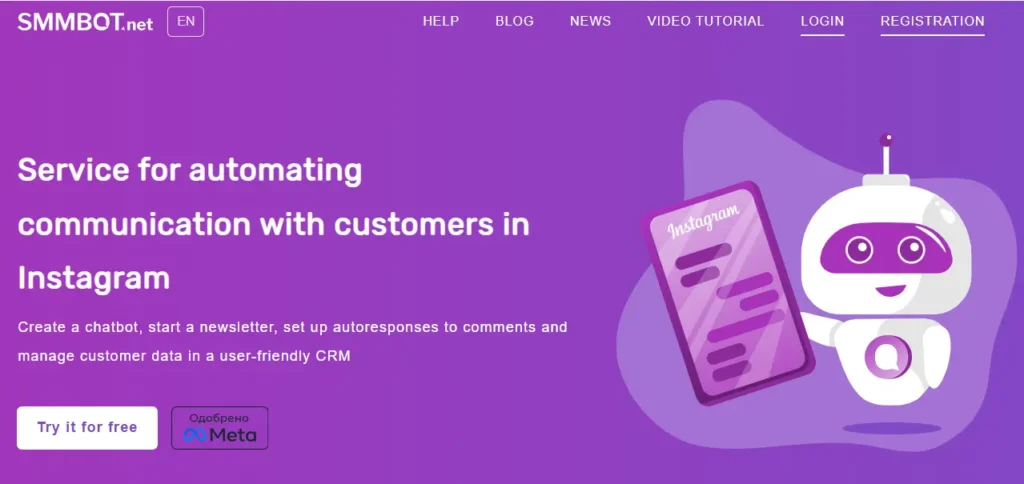
    Among the platforms offering such tools, SMMBOT stands out for providing smart automation features designed to simplify Instagram promotion. In this article, we will explore the concept of Instagram automation, the benefits and risks, and how tools like SMMBOT can be integrated successfully into an overall growth strategy.

    What Is an Instagram Automation Bot?

    An Instagram automation bot is software designed to perform specific actions on behalf of the user. These actions can include liking posts, following users, unfollowing them, sending direct messages, and viewing stories. The goal of such automation is to save time and ensure consistent interaction with followers and target audiences.

    Using a free bot for instagram can be especially beneficial for beginners, small businesses, and content creators who do not yet have teams to handle daily engagement tasks. These tools help maintain an active profile, which encourages growth and improves visibility within Instagram’s dynamic algorithm.

    Why Instagram Automation Remains Relevant?

    With billions of active users and millions of posts published each day, maintaining relevance on Instagram has become more challenging than ever. Even high-quality content may go unnoticed without sufficient engagement and presence. That’s where automation becomes a strategic advantage.

    1. Time Savings

    Automation allows users to focus on creating compelling content instead of spending hours manually interacting with followers. For businesses or influencers who manage multiple platforms, this efficiency is invaluable.

    2. Consistent Growth

    Maintaining consistent daily activity helps strengthen a profile’s authority and visibility. A tool like SMMBOT helps ensure regular engagement, even outside normal working hours.

    3. Targeted Interactions

    Modern automation systems allow targeting options based on hashtags, locations, and audience characteristics. This ensures that interactions reach individuals genuinely interested in the content or product.

    The Role of SMMBOT in Instagram Promotion

    SMMBOT has gained attention as a practical solution for automating interactions and improving engagement. Its user-friendly interface and smart task settings make it suitable even for those unfamiliar with advanced marketing tools.

    Smart Task Management

    Users can set automated interactions tailored to their niche. Whether engaging with potential customers or increasing visibility within a specific audience, SMMBOT allows precise control over activities.

    Safe Automation

    One important aspect of Instagram automation is maintaining safe limits. Tools like SMMBOT use behavior patterns designed to minimize risks and keep activity within acceptable boundaries.

    Flexible Usage

    Since SMMBOT is available online, including solutions featured on https://smmbot.net/en, it allows users to access tools from anywhere and manage their accounts conveniently.

    Best Practices for Using Instagram Bots Responsibly

    While automation offers many benefits, it should be used strategically and responsibly to avoid negative consequences such as account restrictions.

    Maintain Balance Between Automation and Manual Interaction

    Instagram still prioritizes authentic human engagement. Combining automated tasks with genuine responses, comments, and story updates creates a healthy balance.

    Avoid Aggressive Settings

    Running too many actions per hour may raise red flags. Keeping settings moderate ensures long-term stability.

    Produce Quality Content

    No automation tool can compensate for poor content. High-quality visuals, creative captions, and consistent branding remain the foundation of success.

    How to Integrate a Free Instagram Bot into Your Strategy?

    When using a free bot for instagram, the key is integration rather than dependency. Automation should support your content strategy, not replace it.

    Here’s how to incorporate a bot effectively:

    • Use automation to discover new audiences.
    • Engage with relevant profiles to build visibility.
    • Maintain posting consistency using scheduling tools alongside your bot.
    • Measure results regularly and adjust settings to stay aligned with goals.

    Conclusion

    Automation has become an essential part of modern Instagram marketing, offering efficiency, consistency, and targeted engagement. With platforms like SMMBOT, users can take advantage of advanced tools to grow their profiles safely and effectively. Whether you are a business, influencer, or beginner in social media promotion, leveraging a reliable free bot for instagram can help you expand your reach and maintain a strong presence in a highly competitive environment.

    If used responsibly, automation can transform your Instagram strategy, giving you more time to focus on what truly matters: creativity, communication, and building meaningful connections with your audience.

    Also Read-Unselect vs Deselect: Which Term Should You Use in Tech? 🖱️💡

  • What Is the Best Company for Refurbished Phones?

    What Is the Best Company for Refurbished Phones?

    In recent years, more Australians have started asking a simple question: why pay full price for a new phone when you can get the same experience for less? Refurbished phones have become the smarter, greener, and more budget-friendly way to stay connected without compromising on quality or performance.

    But not every refurbished phone company is created equal. The “best” company isn’t just the one offering the lowest prices, it’s the one that balances affordability with trust, transparency, and quality assurance. It’s about getting a phone that looks, feels, and functions like new, backed by genuine service and warranty support.

    One name that consistently earns the trust of Aussies looking for refurbished iPhones, Samsungs, and other devices is Mobile Guru, a local brand known for its certified refurbishing standards, honest grading, and reliable after-sales care.

    Why Refurbished Phones Are Gaining Popularity in Australia

    There’s a quiet tech revolution happening in Australia. Instead of chasing the latest release every year, many people are choosing refurbished phones not only to save money but also to make smarter, more sustainable tech choices.

    Affordability Without Compromise

    The truth is, brand-new flagship phones can cost as much as a decent laptop these days. Refurbished phones, on the other hand, offer that same premium feel and performance at a fraction of the price. Whether you’re after cheap iPhone deals, a near-new Samsung Galaxy, or a reliable Google Pixel, the refurbished market gives you more options without draining your wallet.

    The best part? A good refurbished device doesn’t feel second-hand. Top retailers ensure every phone goes through thorough testing, cleaning, and part replacements when needed  meaning you’re getting a phone that’s as smooth and dependable as one straight out of the box.

    Sustainability and Smart Tech Choices

    Beyond saving money, buying refurbished is also a conscious decision for the planet. Every refurbished phone sold means one less device ending up in landfill reducing e-waste and the environmental toll of producing new gadgets.

    Australians are becoming more eco-aware, and choosing refurbished phones is one of the simplest ways to lower your tech footprint. When you buy Certified refurbished iPhones, you’re not just getting value for money, you’re actively supporting a circular economy where devices are reused, repurposed, and kept in circulation longer.

    Quality and Certification

    Of course, none of this matters if the phone doesn’t work properly. That’s why certification is key. The best refurbished phone companies follow strict quality-control processes inspecting, testing, and grading every device to ensure it meets near-new standards.

    Each phone is cleaned, factory-reset, battery-tested, and reboxed with genuine or approved accessories. A certified refurbished iPhone or Samsung from a trusted company can deliver 100% performance reliability without the hefty price tag of a brand-new model.

    What Makes a Refurbished Phone Company the Best?

    So what separates a great refurbished retailer from the rest? It comes down to a few core factors that build long-term trust and customer satisfaction.

    • Certified Testing Standards: Reputable sellers have strict refurbishment protocols. Every device is tested for battery health, camera quality, display integrity, and internal performance.
    • Warranty and Customer Support: The best companies back their devices with solid warranty coverage because confidence in quality should always be shared with the customer.
    • Transparent Grading: Labels like “Excellent,” “Very Good,” or “Good” help buyers understand exactly what to expect before they purchase.
    • Genuine Parts and Accessories: Trusted refurbishers use original or high-quality replacement parts, ensuring your phone performs like it should.
    • Affordable Upgrade Options: Whether you’re moving up from an older iPhone or replacing a cracked screen, a good company makes upgrading easy and budget-friendly.
    • Local Shipping and Easy Returns: Australian buyers appreciate local support, quick shipping, hassle-free returns, and friendly service make all the difference.

    In short, the best refurbished phone company isn’t just selling you a device, it’s offering peace of mind.

    Meet Mobile Guru – Australia’s Trusted Refurbished Phone Company

    When it comes to ticking all the right boxes, Mobile Guru stands out as one of Australia’s most reliable destinations for refurbished tech. They’ve built a reputation on trust, consistency, and genuine customer care, something that’s become rare in today’s fast-moving phone market.

    At Mobile Guru, every device whether it’s an iPhone, Samsung Galaxy, or Google Pixel goes through a certified refurbishment process. Each phone is thoroughly tested, cleaned, and restored to peak performance before being graded and listed. Customers can choose from refurbished iPhones, Androids, and tablets, all backed by warranty coverage and local customer support.

    They also offer fast local shipping across Australia, ensuring your order arrives quickly and securely. And because the brand is committed to sustainability, every purchase contributes to reducing e-waste and promoting responsible tech recycling.

    Why Mobile Guru Stands Out Among Refurbished Phone Retailers

    What really sets Mobile Guru apart is its focus on quality and transparency. You know exactly what you’re getting  from the phone’s condition to the warranty terms before you buy.

    Customers appreciate knowing that their device has been carefully inspected, battery-tested, and restored to near-new condition. Each phone comes neatly packaged, data-wiped, and ready to go, complete with compatible accessories. Whether you’re upgrading to a newer model or hunting for cheap iPhones for the family, the buying experience feels simple, secure, and trustworthy.

    And because it’s an Australian-based company, you get that extra reassurance of local service and support no confusing overseas returns or delayed shipping. Mobile Guru truly understands what Aussie buyers value most: reliability, fair pricing, and friendly help when you need it.

    Choosing the Right Refurbished Phone Partner

    Choosing the right refurbished phone company comes down to more than price tags it’s about confidence. You want a device that works perfectly, lasts long, and comes from a seller who genuinely stands behind what they offer.

    For Australians looking to save big, stay sustainable, and still enjoy premium tech, refurbished phones are the perfect solution. And when you buy from a trusted name like Mobile Guru, you know you’re getting a certified device that’s been restored with care, tested for quality, and supported by warranty.

    So whether you’re after second hand iPhones, the latest refurbished Galaxy, or just want a cheap iPhone deal without the risks, take the smart route. Choose a company that values quality as much as you do. Choose sustainable tech. Choose confidence.

    Because when it comes to refurbished phones in Australia, Mobile Guru proves that great technology doesn’t have to come with a brand-new price tag.

    Also Read-Unselect vs Deselect: Which Term Should You Use in Tech? 🖱️💡

  • The Micro-Economy of Nostalgia: When Digital Assets Emulate Obsolete Physical Goods?

    The Micro-Economy of Nostalgia: When Digital Assets Emulate Obsolete Physical Goods?

    The value of an object is rarely purely functional. For decades, the true market value of items like vinyl records, film cameras, and vintage arcade cabinets has been driven by nostalgia—a bittersweet longing for the past. Now, this emotional currency is being digitized and tokenized, giving rise to the “Micro-Economy of Nostalgia.” This new market is focused on creating and trading digital assets that meticulously emulate obsolete physical goods, complete with their imperfections, scarcity, and the emotional resonance they carry.

    The Perfect Imperfection of Digital Assets

    The emotional value in nostalgic digital assets is directly tied to the level of detail and authenticity in their emulation of physical imperfections.

    Digital asset creators must focus on these subtle flaws to maximize nostalgic appeal:

    • Simulated Wear and Tear: Adding digital scratches, scuffs, or faded color layers that mimic the effects of time on physical objects.
    • Aesthetic Inaccuracy: Replicating the distinct, non-standard color cast or lens flare produced by vintage film cameras.
    • Artifact Replication: Digitally including the subtle grain, hiss, or static that characterized analog media like vinyl or VHS tapes.
    • Historical Context: Embedding metadata that links the asset to a specific, culturally relevant time period or event.

    This meticulous attention to “imperfection” is what differentiates a valuable nostalgic asset from a generic digital model.

    Scarcity in a World of Unlimited Copies

    Nostalgia thrives on scarcity. In the physical world, a 1980s collectible is rare because few survived. In the digital realm, scarcity must be artificially imposed through tokenization. By issuing a limited number of unique digital representations (NFTs) of a vintage item, creators can replicate the sense of exclusivity that drives collector desire, thus creating a stable micro-economy.

    From Collector’s Shelf to Digital Wallet

    The digital market for nostalgic assets is not just about ownership; it’s about showcasing identity and participating in a shared cultural memory within virtual spaces.

    Owning a rare digital asset (e.g., a virtual first-edition comic book) allows for high-status social signaling within the metaverse or digital communities. It tells a story about the owner’s tastes, history, and financial capacity. The digital wallet has become the new collector’s shelf.

    The Bridge Between Physical and Virtual

    This micro-economy is creating compelling bridges between the physical and virtual. A buyer of a virtual asset might receive a small, token physical memento to validate the purchase, or the digital asset might unlock special features in a connected physical experience. The value is now fluid, moving back and forth across the reality divide.

    The excitement surrounding the acquisition of rare or high-value digital assets is closely tied to the human desire for reward and validation. This is particularly evident in digital environments where a clear, low-risk entry point can lead to high-impact outcomes. For many, the thrill of receiving something of value without an initial large outlay is a powerful draw.

    This is why promotional structures, such as the ice casino no deposit bonus 2025, resonate strongly with consumers of all digital assets. It offers a tangible reward and a low-barrier-to-entry experience, allowing users to engage immediately and appreciate the value on offer. This foundational principle—that high-value digital experiences should be accessible and rewarding from the start—is key to sustaining engagement in the micro-economy of nostalgia, driving users to explore and invest in assets that offer emotional or financial returns.

    Sustaining the Nostalgia Engine

    For the micro-economy to thrive beyond a momentary trend, it requires continuous innovation and a focus on authentic historical curation.

    Curation and Historical Accuracy

    Creators must act as digital archivists, ensuring the assets are historically accurate and culturally relevant. Fictional nostalgia or poorly executed emulation will fail. The market rewards assets that feel genuinely rooted in a shared, verifiable past.

    Interoperability and Utility

    The digital assets cannot exist in isolation. Their value is amplified when they are interoperable, meaning they can be displayed and utilized across multiple platforms, games, and metaverses. A virtual arcade cabinet should function and be usable by others in a virtual meeting space, increasing its utility beyond simple display.

    To ensure the long-term relevance and liquidity of nostalgic digital assets, creators must prioritize broad utility across various platforms and digital spaces.

    Key avenues for maximizing the utility and interoperability of nostalgic assets:

    • Metaverse Display Rights: Allowing the asset to be seamlessly rendered and displayed within multiple major virtual worlds (e.g., Decentraland, Sandbox, or private VR spaces).
    • Gaming Integration: Using the asset as a functional skin, tool, or collectible item within connected blockchain games.
    • Virtual Identity/Avatar Use: Integrating the asset as a wearable or customizable feature for a user’s digital avatar.
    • Cross-Chain Compatibility: Ensuring the tokenized asset can be easily bridged or transferred between different blockchain networks (e.g., Ethereum, Polygon).

    By focusing on utility, the digital asset becomes more than just a picture; it becomes an active element of the owner’s digital identity.

    The Micro-Economy of Nostalgia is a testament to the enduring power of memory and the human need for connection to the past. By digitizing the ephemeral, it creates a new, accessible, and tradable form of emotional value, ensuring that “obsolete” physical goods live on forever in the digital realm.

  • How Automation Simplifies Presentation Design for Non-Designers

    How Automation Simplifies Presentation Design for Non-Designers

    Let’s face it — not everyone is born with an eye for design. You might have the most brilliant idea, the sharpest strategy, or the most compelling story to share, but when it comes to creating a presentation that looks as good as it sounds, things can get overwhelming fast.

    Maybe you’ve been there — staring at a blank PowerPoint slide for an hour, adjusting text boxes that never seem to align, or obsessing over which shade of blue says “professional but still creative.” It’s enough to make anyone wish there were a button that just said, “Make it look great.”

    Well, the good news is — now there kind of is.

    Automation and artificial intelligence (AI) are reshaping the world of design, and one of the most exciting areas they’re transforming is presentation creation. For non-designers, this means less frustration, less time wasted, and more focus on what really matters: your message.

    Let’s explore how automation is making presentation design effortless, even for those who’ve never opened a design tool before.

    The Problem: Great Ideas, Weak Slides

    We’ve all seen it — a presentation that’s full of valuable information but visually falls flat. Maybe the slides are too text-heavy, the colors clash, or the layout looks like it was pulled from 2003.

    The truth is, creating an engaging presentation is a balancing act. It’s not just about dropping data onto slides; it’s about building a story that connects visually and emotionally with your audience.

    But if design isn’t your strong suit, that can feel like a big ask. You might find yourself:

    • Spending hours trying to align shapes and images.
    • Copying and pasting content across dozens of slides.
    • Worrying that your deck looks “unprofessional.”

    This is where automation steps in — not as a replacement for creativity, but as a support system that handles the technical parts of design, so you can stay focused on content and storytelling.

    The Rise of Automated Presentation Design

    Automation isn’t new, but its recent integration with AI has taken it to an entirely new level. Instead of following rigid templates, AI-driven tools now understand your content and adapt the design accordingly.

    Let’s say you’re creating a presentation about your company’s sustainability strategy. You input your key points and upload a few visuals. Instantly, an AI tool can:

    • Identify the topic and tone (in this case, eco-friendly and professional).
    • Recommend a color palette that reflects that mood — think greens, whites, and earth tones.
    • Generate consistent slide layouts that highlight your data without overwhelming it.
    • Even choose fonts that improve readability and fit your message’s personality.

    What used to take hours of manual work now happens in minutes.

    Tools like the Adobe Express AI presentation maker are perfect examples of this shift. With a few clicks, you can input your topic or upload a document, and the AI instantly transforms it into a well-structured, beautifully designed presentation. You don’t need to worry about proportions, font pairings, or slide hierarchy — it’s all intelligently handled behind the scenes.

    And the best part? You can still tweak and personalize everything afterward. Automation doesn’t take creativity away; it gives it a faster, smarter starting point.

    Why Automation Works for Non-Designers

    So, how exactly does automation make things easier for people who aren’t design-savvy? Let’s break down a few ways it transforms the process.

    1. It Removes the Guesswork

    Most non-designers spend a lot of time guessing what looks good. Automation eliminates that. Instead of wondering whether your chart fits on the page or if your image is high enough resolution, the AI does it for you. It understands balance, contrast, and composition — the principles professional designers use — and applies them instantly.

    2. It Creates Instant Consistency

    Consistency is what makes a presentation feel professional. Matching fonts, maintaining spacing, and keeping colors aligned might sound minor, but they make a huge difference. Automated tools ensure every slide follows the same design logic, so your deck feels unified and polished — without you having to obsess over every pixel.

    3. It Saves Hours of Time

    Let’s be honest — not everyone has time to spend an entire weekend perfecting a 10-slide presentation. Automation can turn that 10-hour process into a 10-minute one. You add your content, review the AI’s suggestions, make a few small adjustments, and you’re ready to go.

    4. It Gives You Confidence

    A well-designed presentation doesn’t just impress your audience; it makes you feel more confident presenting it. Knowing your slides look professional can change the way you communicate — you speak with more energy, more focus, and more credibility. Automation helps you walk into the room (or log into the call) knowing you’ve got design on your side.

    Real-World Examples of Automation in Action

    Automation isn’t just theory — it’s already changing how people work and present ideas every day.

    Example 1: The Startup Founder
    Imagine a startup founder who needs to pitch investors but doesn’t have a designer on their team. Using an AI-powered presentation tool, they can input their business plan summary, and within minutes, get a pitch deck complete with a sleek layout, icons, and color themes. What might have taken a week to design manually now takes an hour.

    Example 2: The Educator
    A teacher preparing for parent night wants to make their presentation more engaging. They type in their key points — student performance data, classroom goals, and upcoming events — and automation builds a clear, visual story that’s easy to follow. No more clunky text blocks or confusing layouts.

    Example 3: The Marketer
    A small business marketer wants to present campaign results to stakeholders. Instead of spending time formatting charts and tables, they upload their analytics data, and the AI automatically generates infographics and visual highlights. The result? A presentation that’s not only informative but visually appealing.

    Across all these cases, the story is the same — automation helps people communicate better, faster, and with more impact.

    When Technology Meets Creativity

    One of the biggest misconceptions about automation is that it makes everything look the same. In reality, automation has evolved to enhance creativity, not replace it.

    Think of it as a helpful partner — it sets up the framework, and you add your personal touch. You can adjust colors to match your brand, swap out images for something more personal, or rewrite text to fit your tone of voice.

    Automation handles the structure, giving you space to focus on the substance. It’s the difference between starting with a blank sheet of paper and starting with a well-organized outline. The latter gives you momentum and direction.

    The Emotional Impact of Well-Designed Slides

    Design isn’t just about looking pretty; it’s about creating an emotional connection.

    A clean, visually balanced slide helps your audience stay focused. Well-placed visuals make complex ideas easier to digest. Colors evoke certain emotions — blue conveys trust, red signals urgency, green feels natural and calm.

    When automation understands these design principles and applies them intelligently, your message doesn’t just reach people — it resonates.

    And for non-designers, that’s a game-changer. You don’t have to study color psychology or visual hierarchy to make something compelling. Automation builds those insights directly into your design process.

    The Future of Automated Design

    We’re only scratching the surface of what automation can do. In the near future, AI will be able to:

    • Adjust your slides in real time as you add content.
    • Recommend visual styles based on your audience type.
    • Generate voiceovers, animations, and even interactive features automatically.

    Imagine finishing your outline, clicking one button, and getting a fully designed, ready-to-present deck in minutes. That’s not a distant dream anymore — it’s happening now.

    And as these tools become more intuitive, more people — from students to small business owners — will be able to communicate big ideas without needing a design background.

    Final Thoughts

    At its heart, automation isn’t about removing creativity; it’s about removing friction. It helps people turn ideas into visual stories without the barriers of technical skill or endless formatting.

    For non-designers, this means freedom — freedom from the stress of design decisions and the confidence to focus on message, clarity, and impact.

    AI and automation are leveling the playing field, allowing anyone to create presentations that not only look professional but also feel authentic and engaging. Because in the end, great design isn’t about having perfect slides — it’s about communicating your story clearly and confidently.

    And that’s something automation is making easier for everyone.

    Also Read-🏋️‍♂️ Training or Trainning: Which One Is Correct?