Are you planning to sell your home? Consider some home improvement techniques that can help to increase the resale value of your property. When it’s time to remodel, fix, or update your home, it’s important to use your money wisely.
What do you need to do to upgrade your home to lead to a high return on investment? If you are also looking for ways to increase your property value, this guide is for you.
Here are five effective tips to enhance the value of your home:
Fix Broken Items
The first thing you need to address is fixing all broken or damaged items in your home. If the roof is leaking and causing a stain on your ceiling, it’s time to repair it or consider a new roof. Otherwise, it can weaken your property’s foundation and damage other items.
If your home furnace is unreliable or your appliances aren’t working properly, you should have them repaired. Also, look for other equipment that needs repair or replacement. You should fix them as soon as possible. By investing in repairs, you can enhance your property’s resale value.
Remodel Kitchens and Bathrooms
The kitchen and bathroom are the parts of the home that potential buyers want to see. Also, most of the time you spend in these two places. Buyers also expect the kitchen and bath to be well-designed and everything to be running perfectly.
If you want a new look for less money, consider freshening the paint and adding some advanced touches, such as replacing the door and windows or repairing them. Cabinet door replacement also brings a significant change, making your property look new. Hopefully, these small changes can bring a big impact.
Renovate Fixtures and Walls
Damaged walls, stained paint, and broken fixtures not only look messy but also reduce your home’s value. Outdated lighting also makes your home look old. When considering boosting your home’s value, you should replace the lighting with the latest fixtures.
Also, you have to modernize door handles, mouldings and trims. This can also give your home a modern boost. In addition, painting your walls with fresh color can make a big difference. This can instantly change the look of your home and be a cost-effective refresh.
Resolving Structural Issues
In your home remodelling journey, some cosmetic changes can create a big difference. If you find that the basic structure of your home is weakened or needs repair, you should prioritize it. You can’t go for others if the structure is weak in a home improvement project first.
Some structure issues that you need to address include:
Today’s corporate offices are not just workplaces, they are living, breathing spaces that influence how people think, work, and interact. A thoughtfully designed office can motivate employees, impress clients, and subtly communicate a brand’s professionalism and vision. This is why businesses across India are increasingly turning to professional office interior designers in Ahmedabad and other major cities to create workspaces that go beyond aesthetics.
From productivity and well-being to branding and collaboration, corporate office interior design plays a far bigger role than most people realize. Whether it’s a startup setting up its first office or a corporate brand planning a renovation, the right design decisions can directly impact business performance.
The Real Importance of Corporate Office Interior Design
A well-designed office does more than look good, it works for the people inside it.
Boosts Employee Productivity and Comfort
Employees spend a large part of their day at work, and the environment around them has a direct impact on their performance. Ergonomic furniture, proper lighting, noise control, and smart space planning help reduce fatigue and increase focus.
Modern offices in Ahmedabad now prioritize:
Comfortable seating and ergonomic workstations
Natural lighting and ventilation
Open layouts balanced with quiet zones
Collaborative spaces that encourage teamwork
When employees feel comfortable and valued, their productivity naturally improves.
Builds Strong First Impressions for Clients
An office speaks before you do. The moment a client walks in, your interiors silently convey how organized, professional, and trustworthy your business is. Clean layouts, modern finishes, and thoughtful branding elements help create confidence.
This is one of the key reasons why many companies partner with the best office interior designers in Ahmedabad to elevate their brand image and strengthen client relationships.
Reflects Brand Identity and Company Culture
Every business has a unique personality, and office interiors should reflect that. A creative agency might prefer bold colors and open spaces, while a law firm may opt for refined, minimalist interiors.
Office interior designers integrate:
Brand colors and logo elements
Custom wall graphics and décor
Furniture that aligns with company culture
This creates a workspace where employees feel emotionally connected to the brand.
Ahmedabad’s Rising Demand for Modern Office Interiors
Ahmedabad has rapidly evolved into a major corporate and commercial hub. With new offices emerging in areas like Prahlad Nagar, SG Highway, Navrangpura, and Satellite, businesses are moving away from basic layouts and investing in inspiring workspaces. The demand for office interior designers in Ahmedabad has grown significantly as companies now understand that office design is a long-term investment, not an expense. From IT firms and startups to consulting companies and corporate headquarters, modern office interiors are becoming a standard rather than a luxury.
Modern offices are designed around flexibility, comfort, and functionality. Here are some of the top trends transforming corporate interiors in Ahmedabad.
1. Hybrid Workspaces for Flexibility
With hybrid work models becoming common, offices now need to support multiple work styles. Designers are creating layouts that include:
Collaborative meeting zones
Private cabins and focus pods
Tech-enabled spaces for virtual meetings
This ensures seamless productivity whether employees are working remotely or in-office.
2. Biophilic Design for Health and Well-Being
Biophilic design brings nature into the workspace. Indoor plants, natural textures, water elements, and ample daylight help reduce stress and improve air quality.
Many office interior designers in Ahmedabad are now incorporating greenery and organic materials to create calm, refreshing environments that support mental well-being.
3. Flexible and Modular Office Layouts
Gone are the days of fixed desks and rigid layouts. Modular furniture and movable partitions allow offices to adapt easily for meetings, training sessions, or team expansions, a major advantage for growing businesses.
4. Color Psychology and Aesthetic Branding
Colors influence mood and behavior more than we realize. Designers now use color psychology strategically:
Blues and greens for calmness
Yellows for creativity
Neutral tones for professionalism
Brand colors are subtly integrated into walls, furniture, and décor to maintain visual consistency.
5. Multi-Functional Workspaces
Modern offices include areas for collaboration, focus, and relaxation. Breakout zones, brainstorming corners, and informal lounges encourage creativity and spontaneous idea-sharing.
6. Maximizing Natural Light
Natural light improves mood, productivity, and energy efficiency. Glass partitions, open layouts, and reflective surfaces are commonly used to enhance daylight across office spaces.
Popular Office Interior Design Ideas in Ahmedabad
Businesses in Ahmedabad are embracing design ideas that balance aesthetics with everyday functionality.
Some of the most popular styles include:
Modern minimalist offices with clean lines and clutter-free layouts
Open-plan workspaces that encourage collaboration and transparency
Technology-integrated offices with smart lighting and digital systems
Brand-driven interiors using logo walls and custom furniture
Lounge and breakout zones for relaxation and informal meetings
Sustainable office interiors using eco-friendly materials
Premium executive cabins and boardrooms that reflect authority and professionalism
The best office interiors feel effortless, stylish yet practical.
How to Choose the Right Office Interior Designer in Ahmedabad
Selecting the right designer can make all the difference. Here are a few practical tips to help you choose wisely.
Look for Commercial Interior Experience
Office interiors require a different skill set than residential projects. Always choose designers experienced in corporate and commercial spaces.
Review Portfolio and Space Planning Skills
A strong portfolio shows versatility and attention to detail. Look for experience in open offices, boardrooms, collaborative zones, and ergonomic layouts.
Prefer Turnkey Interior Solutions
Turnkey designers handle everything: design, execution, sourcing, and installation. This ensures consistency, saves time, and reduces stress.
Compare Quotations and Material Quality
Don’t just compare prices, evaluate materials, finishes, timelines, and warranties. Quality interiors offer long-term value.
Check Client Reviews and References
Feedback from previous clients provides real insight into professionalism, reliability, and post-project support.
Final Thoughts
Corporate office interior design is no longer about decoration, it’s about strategy. A well-designed workspace enhances productivity, strengthens brand identity, and creates a positive experience for both employees and clients. Whether you’re working with office interior designers in Ahmedabad, seeking the best office interior designers, or exploring experienced office interior designers in Kolkata, investing in the right design partner can transform your office into a space that truly works for your business. A great office doesn’t just support work, it inspires success.
Ground movement equipment plays a central role in aviation operations, supporting everything from aircraft positioning to routine maintenance and safe ramp activity. Because these tools directly influence efficiency, safety, and overall workflow, the quality of the equipment used is far more than a convenience. It is a critical factor that affects daily performance and long term operational success. High quality ground movement equipment ensures reliability, reduces downtime, and helps protect both personnel and aircraft. Understanding why quality matters allows aviation teams to make informed decisions that strengthen their operations and minimize risk.
Enhanced Safety for Personnel and Aircraft
Safety is the foremost priority in any aviation environment, and ground movement equipment must meet rigorous standards to support that goal. High quality tools are engineered to withstand heavy loads, frequent use, and demanding conditions without compromising stability. When equipment performs consistently, it reduces the risk of accidents, injuries, and aircraft damage.
For example, a reputable aircraft tug provides dependable traction and control, ensuring that aircraft can be moved smoothly and safely across the ramp. Inferior equipment may struggle under pressure, increasing the likelihood of sudden failures or mishandling. Investing in quality equipment helps maintain a safe working environment and protects valuable assets.
Improved Operational Efficiency
Efficient ground operations depend on equipment that performs reliably and consistently. High quality tools help streamline workflows by reducing delays caused by mechanical issues or inconsistent performance. When tugs, lifts, and other support vehicles operate smoothly, crews can complete tasks more quickly and maintain tight schedules.
Reliable equipment also minimizes the need for repeated adjustments or troubleshooting, allowing personnel to focus on their primary responsibilities. Over time, improved efficiency contributes to better on time performance and smoother coordination between ground crews, maintenance teams, and flight operations.
Reduced Maintenance and Repair Costs
While high quality equipment may require a larger initial investment, it often results in lower long term costs. Durable materials, advanced engineering, and reliable components reduce the frequency of breakdowns and the need for costly repairs. This not only saves money but also minimizes downtime that can disrupt operations.
Routine maintenance is still essential, but quality equipment typically requires fewer emergency repairs and experiences less wear over time. By choosing tools designed for longevity, aviation teams can reduce overall maintenance expenses and allocate resources more effectively.
Greater Reliability in Demanding Conditions
Aviation environments expose ground movement equipment to a wide range of conditions, including extreme temperatures, heavy loads, and continuous use. High quality equipment is built to perform reliably under these demanding circumstances, ensuring consistent operation regardless of weather or workload.
This reliability is especially important during peak travel periods or time sensitive operations. When equipment can be trusted to function without hesitation, crews can maintain confidence in their workflow and avoid unnecessary delays.
Better Compatibility With Modern Aircraft
As aircraft technology evolves, ground movement equipment must keep pace. High quality tools are designed with modern aircraft specifications in mind, ensuring proper fit, compatibility, and performance. This reduces the risk of equipment related damage and supports more precise handling.
Quality equipment manufacturers often stay aligned with industry standards and regulatory requirements, making it easier for aviation teams to maintain compliance. Compatibility also enhances safety by ensuring that equipment interacts correctly with aircraft structures and systems.
Increased Lifespan and Long Term Value
Durability is one of the most significant advantages of investing in high quality ground movement equipment. Strong construction, advanced materials, and thoughtful engineering contribute to a longer lifespan, allowing equipment to remain in service for many years.
This longevity provides greater value over time, reducing the need for frequent replacements and lowering total ownership costs. When equipment lasts longer and performs consistently, aviation teams benefit from a more stable and predictable operational environment.
Enhanced Crew Confidence and Performance
Ground crews rely on their equipment to perform critical tasks safely and efficiently. When tools function reliably, crews can work with confidence, knowing they have the support they need to complete their responsibilities effectively. This confidence contributes to better performance, fewer errors, and a more positive working environment.
Conversely, unreliable equipment can create frustration, slow down operations, and increase the risk of mistakes. Providing crews with high quality tools demonstrates a commitment to their safety and success, fostering a stronger and more motivated workforce.
Stronger Compliance With Industry Standards
Aviation is a highly regulated industry, and ground movement equipment must meet strict safety and performance standards. High quality equipment is typically designed and tested to comply with these requirements, reducing the risk of violations or operational disruptions.
Using equipment that meets or exceeds industry standards also supports better audit outcomes and strengthens overall operational integrity. Compliance is not only a regulatory obligation but also a key component of maintaining a safe and efficient aviation environment.
Conclusion
Quality ground movement equipment is essential for maintaining safety, efficiency, reliability, and long term value in aviation operations. From enhanced crew performance to reduced maintenance costs and stronger compliance, the benefits of investing in high quality tools extend across every aspect of ground handling. If you’d like help creating a checklist for evaluating ground movement equipment, I can outline one tailored to your operational needs.
A well maintained roof is essential for protecting your home, preserving energy efficiency, and avoiding costly repairs. While roofing materials are designed to withstand years of exposure to the elements, they still require regular care to perform at their best. Homeowners who stay proactive with maintenance can extend the lifespan of their roof significantly and prevent small issues from turning into major problems. Understanding the most effective maintenance practices helps ensure your roof remains strong, durable, and reliable throughout its service life.
Schedule Regular Roof Inspections
Routine inspections are one of the most important steps in maintaining long term roof performance. Even if your roof appears to be in good condition, hidden issues can develop over time. Seasonal temperature changes, storms, and natural wear can all contribute to subtle damage that may not be visible from the ground.
A professional inspection once or twice a year helps identify early signs of trouble such as loose shingles, deteriorating flashing, or weakened sealant. Inspectors can also spot structural concerns or ventilation issues that may affect the roof’s longevity. Companies like Austin Roofing often recommend inspections after severe weather events to ensure no damage has gone unnoticed. Early detection allows for timely repairs and helps prevent more extensive issues down the road.
Keep Gutters Clean and Functioning Properly
Gutters play a crucial role in protecting your roof by directing water away from the structure. When gutters become clogged with leaves, debris, or dirt, water can overflow and seep beneath shingles or pool along the roofline. Over time, this can lead to rot, mold, and deterioration of roofing materials.
Cleaning gutters at least twice a year helps maintain proper drainage and reduces the risk of water related damage. Homeowners in areas with heavy tree coverage may need to clean gutters more frequently. Installing gutter guards can also help minimize debris buildup and reduce maintenance needs. Ensuring downspouts are clear and directing water away from the foundation further supports the overall health of your roofing system.
Address Minor Repairs Before They Escalate
Small roofing issues can quickly become major problems if left unaddressed. A single loose shingle, small crack, or minor leak may seem insignificant, but these issues often worsen with time and exposure to weather. Moisture can infiltrate the roof deck, insulation, and interior spaces, leading to costly repairs and potential structural damage.
Homeowners should address minor repairs promptly to prevent escalation. This includes replacing damaged shingles, resealing flashing, and repairing small leaks as soon as they are discovered. Regular maintenance checks make it easier to catch these issues early. Taking a proactive approach not only protects your roof but also helps maintain the overall integrity of your home.
Maintain Proper Attic Ventilation and Insulation
Ventilation and insulation play a major role in roof performance. Without proper airflow, heat and moisture can build up in the attic, causing shingles to deteriorate prematurely and increasing the risk of mold growth. Poor ventilation can also lead to ice dams in colder climates, which can cause water to back up beneath shingles and damage the roof deck.
Ensuring your attic has adequate intake and exhaust vents helps regulate temperature and humidity levels. Proper insulation further supports energy efficiency and reduces strain on your HVAC system. Together, ventilation and insulation create a balanced environment that protects both the roof and the interior of your home. Regularly checking these components helps ensure they remain effective throughout the year.
Trim Overhanging Branches and Remove Debris
Trees add beauty and shade to your property, but overhanging branches can pose a risk to your roof. Branches that rub against shingles can cause abrasion, while falling limbs during storms can lead to significant damage. Leaves and debris that accumulate on the roof can trap moisture, promote mold growth, and accelerate deterioration.
Trimming branches that hang over the roof helps reduce these risks and prevents debris from collecting. Homeowners should also remove leaves, twigs, and other materials from the roof surface regularly. Keeping the roof clear allows water to drain properly and reduces the likelihood of moisture related issues. This simple maintenance step can significantly extend the lifespan of your roofing system.
Conclusion
Long lasting roof performance depends on consistent, proactive maintenance. By scheduling regular inspections, keeping gutters clean, addressing minor repairs promptly, maintaining proper ventilation and insulation, and managing nearby trees and debris, homeowners can protect their investment and ensure their roof remains strong for years to come. These practical steps support durability, efficiency, and peace of mind throughout the life of your roofing system.
Florida homes face constant pressure from ants, roaches, termites, rodents, and many other unwanted guests. Warm temperatures, high humidity, and frequent rain create ideal conditions for pest activity across the state. A few small gaps in routine care can invite serious trouble, while steady habits can reduce pest pressure in a meaningful way.
Long-term pest prevention relies on daily awareness and practical choices. Small actions, repeated often, help protect property, comfort, and health. In many cases, guidance from Central Florida pest control experts supports these habits with local insight and proven strategies. The sections below highlight prevention practices that bring real value to Florida households.
Climate Awareness Shapes Pest Control Success
Florida weather affects pest behavior year-round. Heat and moisture encourage rapid insect reproduction and steady movement indoors. Homes that account for climate patterns often face fewer infestations. Humidity plays a major role. Moist air supports mold, wood decay, and insect attraction.
Dry indoor conditions create a less welcoming space for many species. Proper airflow, well-placed vents, and routine system care help maintain balance. Rain patterns also influence pest travel. Heavy storms drive ants, roaches, and rodents toward dry shelter. Homes with sealed foundations and strong exterior barriers resist sudden invasions after rainfall.
Structural Maintenance Blocks Entry Points
A solid structure acts as the first line of defense. Many pests enter through small cracks, loose seals, or worn materials. Regular inspections help spot weak areas before pests take advantage.
Key Areas That Need Attention
Door frames with tight weather seals
Window edges with intact caulk
Foundation lines without cracks
Roof edges free of gaps
Routine repair prevents minor wear from turning into access routes. Even tiny openings can allow insects or rodents inside. Durable materials and quality workmanship reduce risk over time.
Hidden Spots That Often Get Missed
Utility line entry points
Garage door edges
Attic vents and crawl space covers
These areas deserve equal focus. A home with consistent upkeep offers fewer opportunities for pest entry.
Yard Care Reduces Outdoor Pest Pressure
The area around a home influences indoor pest activity. Overgrown plants, excess debris, and damp soil provide shelter and food sources that attract pests close to the structure. Trees and shrubs should stay trimmed away from walls and roofs.
Direct contact acts as a natural bridge for ants and other insects. Clear space between greenery and siding reduces this risk. Soil drainage also matters. Standing water near foundations encourages mosquito activity and attracts other pests. Proper grading and clear gutters help water move away from the home.
Food Storage and Waste Habits Matter
Pests search for reliable food sources. Even small crumbs or open containers can draw insects and rodents indoors. Clean storage habits limit attraction and support long-term prevention. Pantry items should remain in sealed containers made of glass or thick plastic. Cardboard and thin packaging offer little protection against determined pests.
Refrigerated storage adds another layer of defense. Trash control deserves equal care. Lids should close fully, and bins should stay clean. Outdoor containers placed away from entry doors help reduce pest interest near living spaces.
Moisture Control Limits Pest Survival
Water access plays a major role in pest survival. Many insects can last longer with moisture, even when food remains scarce. Homes that manage water well create tougher conditions for pests. Plumbing fixtures should remain leak-free. Slow drips under sinks or behind appliances often go unnoticed but provide steady moisture.
Regular checks help catch issues early. Ventilation also supports moisture control. Bathrooms, kitchens, and laundry areas benefit from proper exhaust systems. Dry air reduces the appeal for many common Florida pests.
Indoor Areas That Deserve Extra Care
Sink cabinets
Laundry rooms
Air system drain lines
A dry environment supports comfort and discourages pest activity at the same time.
Professional Insight Supports Long-Term Prevention
Some pest challenges require trained eyes and local experience. Florida hosts a wide range of species with unique habits and seasonal patterns. Professional evaluations often reveal risks that homeowners miss.
This section highlights how Central Florida pest control experts support prevention without constant treatment. Their role often focuses on education, inspection, and targeted solutions rather than frequent chemical use.
Benefits of Expert Assessment
Identification of hidden risk zones
Advice tailored to local species
Prevention plans based on property layout
Professional guidance strengthens home habits rather than replacing them. A clear plan helps households focus effort where it matters most.
Expert insight helps protect long-term investment and peace of mind.
Pest prevention in Florida relies on daily habits that support clean, dry, and sealed homes. These habits reduce attraction and block access without drastic effort. Yard care, moisture control, and attention to entry points form a strong defense. Insight from Central Florida pest control experts adds clarity during seasonal shifts and changing conditions. A consistent approach builds peace of mind and protects homes year-round.
Content Quality Form
Proof checked by: Bhawna Thakur
Content
Relevancy:
1. Related to the client’s products or services (Yes)
2. No Review type content (Yes)
3. Relevant to the target link included in the article (Yes)
Topic:
1. Topic should be editorial and related to the brand’s product or service (Yes)
2. Content should not be overly promotional about the brand’s product or service (Yes)
3. Quality (Yes)
4. Written in US English (Yes)
5. No grammar, spelling errors, run on sentences, etc. (Yes)
6. Minimum 500 words (Yes)
7. Tense, POV maintained across the content (Yes)
Links:
1. Link is geo-focused; content should be related to that geo. Ex: if the link is about a specific location, the content should also be related to that location (Yes)
2. Link is not out of place with the content (Yes)
3. Link should appear as early in the content as possible (Yes)
4. Only include the 1 brand link provided (i.e. do not add additional links to the client’s other pages or homepage unless specified) (Yes)
Anchor Text:
1. Matches exactly with what is provided (pay attention to intentional misspellings and upper/lowercase) (Yes)
2. Flows naturally into the sentence and not be awkwardly stuffed in other links (Yes)
3. Included at least 1 outbound relevant link to non-competitor sites (Yes)
4. Included at least 1 internal relevant link within the shortlisted site (Yes)
5. Anchor text is relevant to the page it’s linking to (Yes)
Disclosure
1. Not written as if the client wrote it, do not use terms like “we” and “us” (Yes)
In today’s homes, the living room is more than just a place to watch television—it’s where families relax, guests gather, and everyday moments turn into memories. At the heart of this space sits one essential piece of furniture: the TV stand. This is where My Cozy Corner steps in, offering thoughtfully designed solutions that combine comfort, functionality, and modern aesthetics.
Whether you’re searching for a classic TV stand, a warm fireplace TV stand, a space-saving corner TV stand, or a stylish corner fireplace TV stand, My Cozy Corner has positioned itself as a trusted destination for homeowners who value both design and practicality. From compact apartments to spacious family rooms, their range includes options for every setup—including a TV stand for 65 inch TV, TV stand for 75 inch TV, and even a TV stand for 85 inch TV.
This article explores why My Cozy Corner is becoming synonymous with the best TV stands, and how their collections help transform houses into inviting, cozy homes.
The Importance of Choosing the Right TV Stand
A TV stand does much more than simply hold your television. It anchors the entire entertainment area, influences room layout, and contributes to overall comfort. A poorly chosen stand can make a room feel cluttered or unbalanced, while the right one enhances flow and harmony.
My Cozy Corner understands that modern homeowners want more than basic furniture. They want storage, durability, style, and flexibility—all wrapped into one piece. That’s why their TV stands are designed to meet real-world needs, from cable management to space efficiency and visual appeal.
My Cozy Corner TV Stand Collections: Where Function Meets Style
Classic TV Stand Designs for Everyday Living
A traditional TV stand remains a popular choice for many homes, and My Cozy Corner elevates this classic concept with clean lines, sturdy construction, and versatile finishes. These stands are designed to complement various interior styles, whether your home leans modern, rustic, or transitional.
With spacious shelves and cabinets, these TV stands provide room for gaming consoles, streaming devices, speakers, and decorative accents. Built with durability in mind, they support large screens while maintaining a balanced, elegant look.
Fireplace TV Stand: Warmth Without Compromise
One of the standout offerings from My Cozy Corner is the fireplace TV stand. This innovative piece blends entertainment and ambiance into a single focal point. Perfect for cooler evenings or simply creating a cozy vibe, fireplace TV stands offer visual warmth without the need for a traditional fireplace installation.
The electric fireplace feature provides adjustable heat and flame settings, allowing you to enjoy the look of a fire year-round. Whether the heat is on or off, the glow instantly makes the room feel more welcoming.
A fireplace TV stand from My Cozy Corner is ideal for homeowners who want comfort, atmosphere, and function in one elegant package.
Corner TV Stand: Smart Solutions for Small and Large Spaces
Not every living room has the luxury of wide open walls. That’s where a corner TV stand becomes the perfect solution. Designed to fit neatly into unused corners, these stands maximize floor space while maintaining full functionality.
My Cozy Corner’s corner TV stand designs are especially popular in apartments, bedrooms, and compact living rooms. They help reduce clutter, improve traffic flow, and make even small spaces feel organized and intentional.
Despite their compact footprint, these stands don’t compromise on storage or style. With shelves, cabinets, and smart layouts, they prove that good design can thrive in any space.
Corner Fireplace TV Stand: The Ultimate Space-Saving Comfort
For homeowners who want both warmth and efficiency, the corner fireplace TV stand is a game changer. This design combines the cozy charm of a fireplace TV stand with the smart footprint of a corner unit.
My Cozy Corner’s corner fireplace TV stand options are ideal for rooms where space is limited but comfort is non-negotiable. By utilizing corner areas, these stands free up wall space while still serving as a visual centerpiece.
The result is a balanced, inviting setup that feels intentional rather than crowded—perfect for modern living.
TV Stand for 65 Inch TV: Perfect Balance for Most Homes
The TV stand for 65 inch TV is one of the most popular categories, as 65-inch televisions have become the standard choice for many households. My Cozy Corner offers a wide selection specifically designed to support this screen size safely and stylishly.
These stands provide ample width for stability, proper height for comfortable viewing, and enough storage for media accessories. Whether you choose a standard TV stand, a fireplace TV stand, or a corner model, My Cozy Corner ensures each option is proportioned perfectly for a 65-inch display.
TV Stand for 75 Inch TV: Making a Statement
A TV stand for 75 inch TV requires more than just extra width—it needs presence. Larger televisions often become the focal point of a room, and My Cozy Corner designs its stands to rise to that role.
These stands are built with reinforced materials, balanced proportions, and thoughtful layouts that prevent the setup from feeling top-heavy. Many models include closed cabinets for hidden storage and open shelves for easy access to devices.
For those who want a bold yet cozy entertainment setup, My Cozy Corner delivers options that feel both impressive and inviting.
TV Stand for 85 Inch TV: Designed for Big Screens and Bigger Impact
Owning an 85-inch TV means committing to a cinematic experience at home. A TV stand for 85 inch TV must be exceptionally sturdy, well-balanced, and visually cohesive with the size of the screen.
My Cozy Corner rises to the challenge by offering TV stands specifically engineered for extra-large televisions. These designs prioritize structural strength while maintaining a clean, stylish appearance. Wide tops, low profiles, and strong support ensure your investment is secure and visually pleasing.
When paired with a fireplace feature or sleek storage options, these stands transform your living room into a true entertainment hub.
Why My Cozy Corner Offers the Best TV Stands
Thoughtful Design Philosophy
What sets My Cozy Corner apart is its focus on real-life living. Each TV stand is designed with comfort, usability, and aesthetics in mind. From cable management openings to well-spaced shelves, every detail serves a purpose.
Versatility Across Home Styles
Whether your home decor is modern, farmhouse-inspired, minimalist, or traditional, My Cozy Corner offers TV stands that blend seamlessly. Neutral finishes, timeless silhouettes, and adaptable designs make their collections suitable for evolving tastes.
Comfort-Driven Features
Fireplace options, soft visual elements, and space-saving designs all contribute to a cozy atmosphere. My Cozy Corner doesn’t just sell furniture—it sells comfort.
Built for Modern Technology
Today’s entertainment setups include more than just a TV. Gaming consoles, sound systems, streaming devices, and smart accessories all need space. My Cozy Corner TV stands are built to accommodate modern tech without clutter.
How to Choose the Right TV Stand from My Cozy Corner
When selecting the perfect TV stand, consider these key factors:
TV Size Compatibility Choose a stand specifically designed for your screen size—whether it’s a TV stand for 65 inch TV, 75 inch TV, or 85 inch TV.
Room Layout If space is tight, a corner TV stand or corner fireplace TV stand can make a huge difference.
Storage Needs Think about how many devices, accessories, or decorative items you want to store.
Ambiance Preferences If warmth and atmosphere matter to you, a fireplace TV stand can completely change the feel of your room.
Style Direction Match the stand’s finish and shape with your existing furniture for a cohesive look.
Creating a Cozy Living Room with My Cozy Corner
A TV stand from My Cozy Corner https://mycozycorner.us/ is more than furniture—it’s a foundation for comfort. Pair it with soft lighting, cozy seating, textured rugs, and personal decor to complete the space.
Whether you’re hosting movie nights, relaxing after a long day, or enjoying quiet weekends at home, the right TV stand helps set the tone. With My Cozy Corner, that tone is always warm, functional, and inviting.
Final Thoughts: My Cozy Corner as Your Go-To Destination
In a world full of mass-produced furniture, My Cozy Corner stands out by focusing on comfort, smart design, and everyday usability. Their wide range of TV stands—from classic designs to fireplace-enhanced options—ensures there’s something for every home and every screen size.
If you’re searching for the best TV stands, whether it’s a fireplace TV stand, corner TV stand, corner fireplace TV stand, or a perfectly sized solution for a 65, 75, or 85-inch TV, My Cozy Corner delivers style without sacrificing comfort.
Your living room deserves to feel like home—and with My Cozy Corner, cozy comes standard.
Modern drainage systems demand precision-based cleaning methods that go beyond surface-level blockage removal. Selecting the best sewer jetter is no longer a matter of power alone; it requires an informed assessment of performance control, system compatibility, safety, and long-term reliability. Poor equipment selection can result in incomplete cleaning, pipe damage, or recurring maintenance issues. A professional approach focuses on identifying equipment that delivers consistent internal pipe restoration without compromising infrastructure integrity.
This guide outlines the most important technical and practical considerations that influence effective sewer jetting performance.
1. Pressure Regulation and Flow Precision
Effective sewer jetting begins with controlled pressure and consistent water flow, as these elements directly determine cleaning accuracy, pipe safety, and overall performance reliability.
Adjustable Pressure Output: Precisely regulated pressure allows operators to adapt the cleaning force to pipe material, age, and blockage severity. Variable pressure control minimizes the risk of internal pipe damage while maintaining optimal cleaning power. This flexibility ensures effective removal of grease, scale, and hardened debris without overloading the system.
Consistent Water Flow Delivery: Steady, uniform water flow ensures debris is fully flushed out rather than pushed further along the pipeline. Consistent output prevents residue buildup that can quickly lead to recurring blockages. This reliability improves overall cleaning efficiency and extends the time between maintenance cycles.
Nozzle Performance Adaptability: Advanced jetting systems accommodate specialized nozzles for roots, grease, sand, and mineral deposits. Selecting the right nozzle enhances cleaning precision and targets obstructions more effectively. This adaptability reduces cleaning time, water usage, and operational downtime.
Choosing a jetter with precise pressure control and consistent flow ensures every cleaning operation is accurate, safe, and effective, maximizing debris removal while protecting pipe integrity.
2. Compatibility with Pipe Structure and Materials
Drainage systems vary widely in material composition and structural design, making equipment compatibility a critical factor in preventing damage while achieving thorough internal cleaning.
Material-Sensitive Operation: Drainage systems often combine PVC, cast iron, and concrete pipes, each with different tolerance levels. Jetting equipment must adjust pressure and flow to suit each material without causing stress or cracking. This material-aware operation helps prevent premature wear and extends overall pipe lifespan.
Pipe Diameter Flexibility: An effective jetter should clean small household lines as well as large commercial pipelines. Wide diameter compatibility eliminates the need for multiple machines or attachments. This flexibility improves operational efficiency and reduces maintenance time and costs.
Internal Surface Protection: Efficient jetting removes grease, scale, and debris without eroding pipe interiors. Controlled pressure distribution prevents excessive abrasion during cleaning. This protection preserves structural integrity and supports long-term drainage performance.
Equipment that adapts to varied pipe materials and diameters preserves infrastructure longevity and delivers thorough cleaning without causing damage or requiring multiple tools.
3. Operational Efficiency and Workflow Optimization
Beyond cleaning capability, a sewer jetter’s operational efficiency plays a major role in reducing downtime, improving service delivery, and maintaining consistent maintenance schedules.
Deployment Speed and Setup Efficiency: Quick-mobilization equipment minimizes preparation time and accelerates job start-up. Reduced setup complexity is critical for handling urgent blockages and planned maintenance alike. Faster deployment improves service response times and overall operational productivity.
Hose Reach and Maneuverability: Long, flexible hoses provide access to deep, narrow, or complex drainage systems. Enhanced maneuverability allows smooth navigation through bends, joints, and intersections. This capability ensures comprehensive cleaning without frequent repositioning or interruptions.
Sustained Performance Capability: Stable pressure output supports consistent cleaning over extended pipe lengths. Continuous performance prevents uneven results caused by pressure drops or surges. This reliability reduces the need for repeat servicing and improves long-term system efficiency.
Fast deployment, flexible hose reach, and reliable performance allow technicians to complete jobs efficiently, reducing downtime and improving overall maintenance productivity.
4. Safety Controls and Compliance Standards
Professional sewer jetting must prioritize safety and regulatory compliance to protect operators, infrastructure, and the surrounding environments during high-pressure cleaning operations.
Integrated Pressure Safety Mechanisms: Safety valves and automatic pressure limiters prevent over-pressurization that could damage pipes or equipment. These mechanisms protect operators from sudden pressure spikes, ensuring safe working conditions. Reliable safety controls are essential for meeting professional standards and regulatory compliance.
Operator Responsiveness and Control: User-friendly controls allow technicians to adjust pressure and flow in real time. Immediate responsiveness enables adaptation to varying pipe conditions and obstructions. Enhanced control improves cleaning efficiency while minimizing the risk of damage or accidents.
Environmentally Responsible Operation: Water-based jetting removes blockages without relying on harmful chemicals. This approach reduces environmental impact and aligns with sustainable maintenance practices. Eco-friendly operation supports compliance with environmental regulations and promotes safer community infrastructure.
Integrating safety features, responsive controls, and environmentally responsible methods ensures operator protection, regulatory compliance, and sustainable cleaning practices.
5. Durability and Long-Term Maintenance Viability
Long-term performance depends on equipment durability and ease of maintenance, ensuring the jetter remains reliable under repeated use without escalating operational costs.
Component Strength and Wear Resistance: Durable hoses and corrosion-resistant fittings ensure the system withstands repeated high-pressure operation. Robust construction minimizes the risk of leaks, bursts, or premature wear during intensive use. Strong components enhance reliability and reduce the frequency of costly replacements.
Ease of Inspection and Servicing: Accessible design allows technicians to perform routine checks and preventive maintenance efficiently. Quick servicing reduces equipment downtime and keeps cleaning schedules on track. Simplified inspection procedures extend the lifespan of the jetting system and improve operational readiness.
Performance Stability Over Time: Reliable systems maintain consistent pressure and flow throughout repeated operations. Stable performance ensures predictable cleaning outcomes and prevents uneven debris removal. Long-term consistency supports maintenance planning, reduces repeat interventions, and improves cost efficiency.
Robust components, easy servicing, and stable performance guarantee long-term reliability, reducing maintenance costs and supporting predictable, efficient pipe cleaning over time.
Final Thoughts
Selecting the right sewer jetter requires more than evaluating raw power; it demands a structured assessment of pressure control, material compatibility, operational efficiency, safety mechanisms, and durability. Equipment that balances these factors delivers reliable pipe cleaning while protecting infrastructure and reducing long-term maintenance risks. Informed selection supports consistent system performance, fewer emergency interventions, and greater operational confidence.
Those seeking pressure cleaning of drain pipes in Dubai can explore expert-led services at JB ALLO Sewage, where technical expertise is combined with advanced equipment and structured service processes. Their approach focuses on accurate system assessment, controlled cleaning methods, and long-term performance reliability. By prioritizing safety, efficiency, and infrastructure protection, JB ALLO Sewage supports consistent drainage functionality across residential, commercial, and industrial environments.
Selling your home quickly can mean the difference between seizing your next opportunity and missing out on it. More than ever, sellers need innovative strategies to draw attention and close deals efficiently. Whether you’re moving for work, downsizing, or need to tap your equity fast, you can take advantage of modern techniques to expedite your sale. If you’re searching for a stress-free, speedy home sale, considering a trusted local homebuyer like https://www.southernhillshomebuyers.com/we-buy-houses-farmers-branch-tx/ can be a bright start. These strategies blend traditional wisdom with digital innovation for a winning approach.
From prepping your property’s exterior to maximizing online listings, the advice below covers practical steps proven to streamline the selling process. With thoughtful preparation and creative marketing, you can rise above the competition and attract the right buyer. Fast sales don’t have to mean significant price cuts or last-minute panic—in fact, it’s about thoughtful planning and making your property stand out for all the right reasons.
Every market is different, but the fundamentals of selling quickly remain the same: price it right, present it well, and make it readily available to the broadest pool of buyers. These actionable tips can help you earn top dollar on a timeline that works for you.
If you’re looking to explore more options for selling your home anywhere in Texas, another valuable resource to consider is https://www.southernhillshomebuyers.com/. They specialize in hassle-free, direct home purchases, further simplifying the selling journey.
Pricing Strategies
The first critical decision is your home’s listing price. Pricing accurately attracts the most buyers and increases the likelihood of multiple offers. Overpricing can scare away prospects, while underpricing may leave you with less than what your home is worth. Analyze recent comparable sales in your area and monitor broader trends. According to Bankrate, a competitive price will draw more interest in the critical first days on the market, when potential buyers are most active. Consult a professional appraiser or a knowledgeable agent for insight into the local landscape before finalizing your price.
Enhancing Curb Appeal
First impressions set the tone for the entire buyer’s visit. Simple improvements, such as planting flowers, power washing the driveway, and repainting the front door, can transform a bland exterior into a memorable one. Ensure your lawn is well-trimmed, bushes are neatly maintained, and the entrance is clean and welcoming. A study by the National Association of Realtors found that curb appeal can influence a home’s perceived value by up to 7%. Remember—buyers often drive by before ever scheduling a showing, so ensure your home commands attention from the street.
Professional Staging and Photography
Staged homes consistently sell faster and for a higher price. Declutter, depersonalize, and rearrange furniture to maximize space and highlight your home’s best features. Consider hiring a local stager for professional advice or renting a few decorative pieces to add a touch of flair. High-quality, well-lit photos can make your online listing stand out, capturing the attention of users in crowded digital searches. Over 85% of buyers find photos extremely useful in their search, according to the National Association of Realtors. Adding a video tour or virtual walkthrough can reach buyers who can’t visit in person, providing a 24/7 open house experience.
Leveraging Digital Marketing
The majority of buyers start their home searches online. Maximize reach by combining traditional listing sites with strong digital marketing. Utilize professional photos, engaging descriptions, and features such as virtual tours or floor plans to accommodate potential buyers. Don’t underestimate the power of targeted ads on social media platforms or Google, particularly for younger buyers or those relocating from out of town. Email campaigns and mobile-friendly listings keep your home top-of-mind for active house hunters. The more platforms and devices your listing appears on, the faster you’ll draw serious prospects.
Offering Incentives
In a crowded marketplace, incentives can be the nudge buyers need. Popular options include paying a portion of closing costs, providing a home warranty, or including upgraded appliances. You may also consider offering limited-time price reductions for quick closings, which can create a sense of urgency during negotiations and help expedite the process. These incentives signal flexibility and add perceived value, making your home more attractive compared to similar listings.
Working with Experienced Agents
Partnering with an experienced agent can significantly expedite the sale timeline. Seasoned professionals are familiar with current market trends, effective pricing strategies, and proven marketing techniques. They have extensive buyer networks and can quickly disseminate information about your listing to potential buyers. According to data from Zillow, homes sold with an agent close faster and for more money on average than those sold by owners alone. Agents handle negotiations, paperwork, and any roadblocks, streamlining the process for you.
Flexibility and Negotiation
Selling quickly often requires a willingness to accommodate buyer requests. Consider offering flexible showing schedules, including evenings and weekends, to accommodate potential buyers. Respond to inquiries and offers promptly to keep the process moving forward. If a deal falls through, remain positive—your proactive attitude can pay off with an eager next buyer. Being open to minor concessions, such as a slight price reduction or a quick closing date, may help your house sell in record time.
Conclusion
A fast home sale is possible with the right mix of preparation, visibility, and adaptability. Start with a competitive price, maximize your property’s appeal, utilize the best digital marketing tools, and consider professional help when needed. These strategic steps will ensure your home stands out, attracts quality buyers, and closes swiftly—so you can move forward with confidence and peace of mind.
You’re standing in your cramped NYC apartment on a Sunday morning. Again. The dust bunnies have multiplied under your bed, the bathroom grout is looking sketchy, and your kitchen floor hasn’t been properly mopped in… well, you’d rather not think about it.
Sound familiar?
Here’s the thing: most New Yorkers think cleaning their own apartment saves money. But does it really? When you factor in your time, the cleaning products piling up under your sink, and the results you’re actually getting, the math tells a completely different story.
This article breaks down the real cost of DIY apartment cleaning versus hiring professional help. You’ll discover what you’re actually spending, what you’re sacrificing, and whether those “savings” are worth it. By the end, you’ll have clear numbers to make the best decision for your wallet and your sanity.
What DIY Cleaning Actually Costs You
Let’s talk dollars first. The average New Yorker spends between $30 to $50 monthly on cleaning supplies. That’s paper towels, all-purpose cleaners, glass cleaner, bathroom scrubs, floor solutions, sponges, mops, and vacuum bags or filters.
But money is just the start.
Your time is the real killer. A thorough cleaning of a one-bedroom NYC apartment takes approximately 3 to 4 hours. For a two-bedroom? You’re looking at 4 to 6 hours. That’s half your Saturday, gone.
Now here’s where it gets interesting. What’s your hourly rate at work? Let’s say you make $60,000 a year. That breaks down to roughly $30 per hour. When you spend 4 hours cleaning your apartment, you’re essentially “paying” yourself $120 in lost time.
Could you be working a side gig instead? Spending time with family? Actually enjoying your weekend?
The opportunity cost adds up fast. Most people never calculate this part. They see the price tag on a cleaning service and think “too expensive” without realizing what they’re already spending in hidden costs.
The Professional Cleaning Price Breakdown
Professional house cleaning NYC services operate on transparent pricing models. Maid Sailors, for example, uses flat-rate pricing based on your apartment size and bedroom count.
Here’s what typical professional cleaning costs look like in NYC:
Apartment Size
DIY Monthly Cost (Supplies + Time Value)
Professional Cleaning Cost
Frequency
Studio
$120-150
$89-119
Bi-weekly
1-Bedroom
$150-180
$109-149
Bi-weekly
2-Bedroom
$180-240
$139-189
Bi-weekly
3-Bedroom
$240-300
$179-239
Bi-weekly
Look at those numbers carefully. When you factor in your time value, the gap between DIY and professional cleaning practically disappears. Sometimes professional cleaning is actually cheaper.
The difference? You get back your weekends.
Maid Sailors brings all their own supplies, so you can eliminate that $30 to $50 monthly expense completely. No more cluttered cabinet under the sink. No more wondering if you’re using the right product on your hardwood floors.
The Quality Question Nobody Asks
Here’s what matters: are you actually getting your apartment clean?
Be honest. When was the last time you moved your refrigerator to clean behind it? Do you get on your hands and knees to scrub baseboards? Are you reaching those ceiling corners where dust and cobwebs accumulate?
Professional cleaners follow systematic approaches. They’re trained on proper techniques for different surfaces. They know how to clean marble countertops without damaging them. They understand which products work on stubborn soap scum versus basic grime.
The results are noticeably different. That’s not a dig at your abilities. It’s simply acknowledging that people who clean professionally, day in and day out, develop expertise you won’t have unless you’re doing it full-time.
The exception is if you genuinely enjoy deep cleaning. Some people find it therapeutic. If that’s you, fantastic. But most New Yorkers would rather spend their limited free time doing literally anything else.
The Hidden Benefits of Going Professional
Flexibility is huge in NYC. Your schedule changes constantly. Client dinner moved to Saturday? Unexpected work deadline? Friends visiting from out of town?
With Maid Sailors, you get concierge-style service with real-time communication. Need to reschedule? You can text, email, or call. They even offer same-day cleanings when you’re in a pinch. Try getting that kind of flexibility from yourself when you’re already exhausted from a 60-hour work week.
Here’s another thing: professional services are bonded and insured. If something breaks during a cleaning (rare, but it happens), you’re protected. When you’re cleaning your own place and accidentally crack that vintage mirror? That’s on you.
The 100% satisfaction guarantee matters too. Maid Sailors will return to re-clean any areas you’re unhappy with, at no charge. When you clean your own apartment and miss spots, you either live with them or spend another hour fixing it.
The High-Rise Factor
Living in a high-rise building adds another layer of complexity. Large windows, higher ceilings, and often more square footage mean more cleaning challenges.
High-rise cleaning NYC requires specialized knowledge and sometimes specialized equipment. Professional cleaners understand the unique challenges of these spaces. They bring extension tools for high ceilings and have techniques for cleaning floor-to-ceiling windows safely.
You might feel overwhelmed trying to handle these tasks yourself. It’s frustrating when you can’t reach certain areas or don’t have the right tools. Professional services eliminate that stress entirely.
When DIY Makes Sense (Yes, Really)
This doesn’t work if you’re barely home. Some New Yorkers travel constantly for work or maintain multiple residences. If you’re only sleeping in your apartment four nights a week, you’re probably not creating much mess.
Similarly, if you live in a tiny studio and genuinely enjoy cleaning, DIY might work for you. Some people find a 90-minute Sunday cleaning session relaxing. That’s totally valid.
Budget constraints are real too. If you’re just starting out in NYC, every dollar counts. During those times, DIY cleaning makes sense while you build your financial foundation.
But here’s the secret: many people who think they can’t afford professional cleaning haven’t actually done the math we covered earlier. Once you calculate your time value, the decision becomes clearer.
The Compromise Option
Want to know something interesting? You don’t have to choose all-or-nothing.
Many New Yorkers use a hybrid approach. They hire professionals for deep cleaning once a month and handle basic maintenance themselves between visits. This keeps costs manageable while ensuring their apartment stays genuinely clean.
Others flip it. They do regular cleaning themselves but bring in professionals quarterly for those deep-clean tasks they hate or can’t do properly. Oven cleaning, anyone?
The booking process makes this easy. Maid Sailors offers a 60-second online booking system. No lengthy phone calls or complex forms. You choose your service level, pick your date, and you’re done.
What Your Time Is Actually Worth
Let’s get real about something. You moved to NYC for opportunities. Career growth. Culture. Experiences. Whatever your reason, it probably wasn’t to spend every weekend scrubbing toilets.
Your time in this city is limited and valuable. The average New Yorker works 49 hours per week. Add commute time, and you’re looking at 55+ hours committed to work.
That leaves roughly 60 waking hours for everything else. Errands, social life, exercise, hobbies, family, relationships, and yes, apartment maintenance.
When you sacrifice 4 to 6 hours of those precious 60 hours to cleaning, you’re giving up nearly 10% of your free time. Every single week.
What could you do with an extra 16 to 24 hours each month? Learn a new skill? Start a side business? Actually explore the city you’re paying premium rent to live in?
The opportunity cost isn’t just financial. It’s experiential.
Making the Smart Choice for Your Situation
Here’s the bottom line: the “real cost” of cleaning your own apartment goes way beyond cleaning supplies.
Calculate your actual hourly worth. Factor in the time you’re spending. Consider the quality of results you’re getting. Think about the flexibility and peace of mind professional services provide.
For some New Yorkers, DIY cleaning makes perfect sense. For most, the math points toward professional help being the smarter investment.
The best cleaning solution is the one that fits your specific situation, budget, and lifestyle. Now you have the real numbers to make that decision.
Frequently Asked Questions
How much do most NYC residents spend on cleaning supplies annually?
The average New Yorker spends between $360 to $600 yearly on cleaning supplies when handling all apartment cleaning themselves. This includes multi-purpose cleaners, specialty products for different surfaces, tools like mops and sponges, and replacement items like vacuum bags. Professional services eliminate this expense entirely by providing all necessary supplies as part of their service.
Is professional cleaning tax-deductible for NYC residents?
Generally, personal home cleaning isn’t tax-deductible for regular employees. However, if you run a business from your home office and have that space professionally cleaned, that portion may be deductible as a business expense. Additionally, if you’re a landlord maintaining a rental property, cleaning services are typically deductible as a business expense. Always consult with a tax professional for your specific situation.
How often should an NYC apartment be professionally cleaned?
Most NYC apartments benefit from professional cleaning every two weeks. This frequency maintains cleanliness without breaking the budget. Smaller studios with single occupants might stretch to monthly cleanings, while larger apartments with multiple residents or pets often need weekly service. The sweet spot for most one and two-bedroom apartments with working professionals is bi-weekly cleaning with occasional deep cleans.
Can I trust cleaning services in my NYC apartment when I’m not home?
Reputable cleaning companies like Maid Sailors are fully bonded and insured, providing financial protection and accountability. They employ background-checked staff rather than using contractors, creating better quality control. Many services also offer real-time updates during cleaning, so you can check in remotely. Most NYC residents actually prefer scheduling cleanings while they’re at work, coming home to a fresh apartment without the disruption.
The Choice That Makes Sense
You’ve got the numbers now. The real costs, the hidden expenses, and the opportunity trade-offs.
Cleaning your own NYC apartment might seem like the frugal choice on the surface. But when you dig deeper into what you’re actually spending in time, money, and results, the picture changes dramatically.
Professional services aren’t a luxury for most New Yorkers. They’re a smart allocation of resources that values your time appropriately and delivers results you simply can’t match with sporadic weekend cleaning sessions.
Whether you choose DIY, professional cleaning, or a hybrid approach, make sure you’re basing that decision on complete information, not just the sticker price of a cleaning service.
Your weekends are waiting. What will you do with them?
Ready to reclaim your time? Book a cleaning service and see the difference for yourself. Your future self will thank you.
Maintaining your roof’s health is crucial to your home’s safety, comfort, and value. The roof is your property’s main line of defense against weather and environmental challenges, and even seemingly minor roofing issues can quietly develop into major, expensive repairs if left unnoticed. With a little regular attention, roof monitoring doesn’t have to be complicated or time-consuming. With practical know-how and regular observation, you can catch subtle warning signs before they escalate into emergencies and know when it’s a good time to consider options like metal roof replacement Kansas City for greater, lasting protection. Proactive care can dramatically extend your roof’s lifespan while saving money in the long term.
The sooner you identify and address roof damage, the more stress and money you’ll save in the long run. Damage that is overlooked can cause problems not just for the roof itself, but for your entire home leading to water intrusion, mold, ruined insulation, and expensive structural damage. From visual inspections to understanding the impact of seasonal weather, this guide will walk you through key steps to spot and prevent roof problems, helping ensure your home is always protected from the elements.
Conduct a Visual Inspection
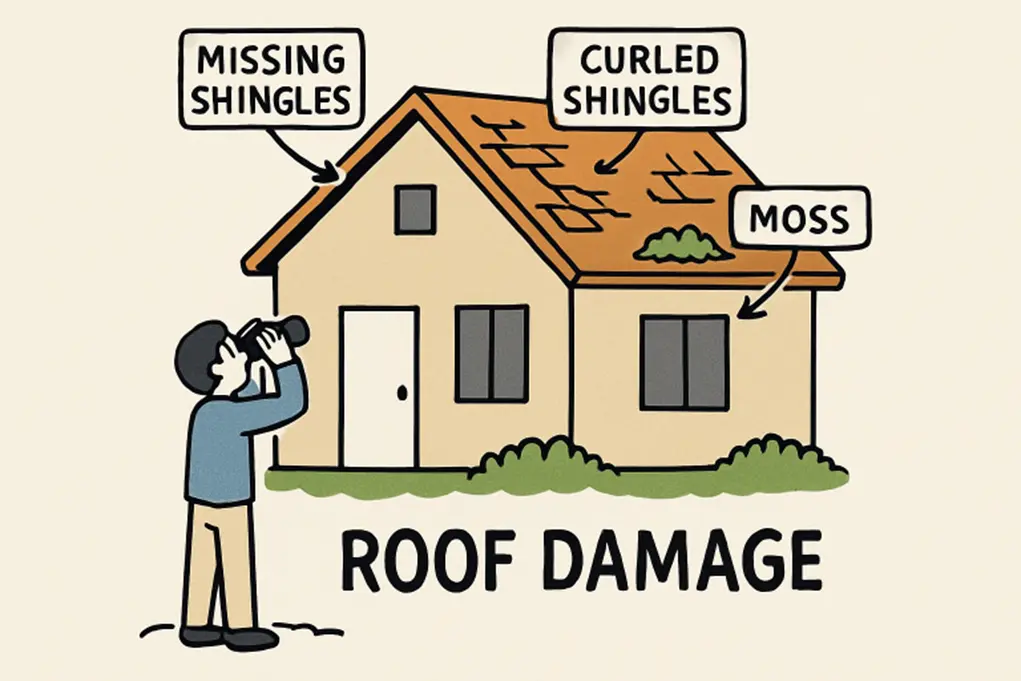
Begin your roof maintenance with a simple ground-level inspection. Walk around the outside of your house and look up, using binoculars or a camera’s zoom lens to get a closer view if needed. Examine the roof for visible problems such as missing or damaged shingles, cracked or curled edges, or granule loss that can leave bare spots. Any patchiness or uneven appearance warrants further investigation, as it may indicate shingles are becoming detached or weakened. Sagging sections or areas that appear darker than the rest may point to water retention, developing rot, or potential structural weakness, all of which warrant more immediate attention. According to Consumer Reports, these early warning signs are frequent precursors to serious leaks and major failures that can affect the entire home.
Don’t overlook the small stuff minor debris or plant growth can signal that water is being trapped in certain areas. Look out for signs of moss or mold, especially in shaded or damp spots, since these organic growths can trap moisture and degrade underlying roofing materials over time. After significant weather events such as heavy storms, high winds, or hail, schedule another inspection, as severe weather can accelerate roof deterioration and easily dislodge shingles or flashing. It’s also wise to periodically check flashing and joints from ground level, since these are critical leak points.
Look for Interior Signs of Damage
Much of roof damage reveals itself inside your home first, sometimes long before you see any obvious exterior problems. Water stains on your ceiling or running down the walls, often seen as discolored patches or streaks, are classic indicators of a leaky roof. These stains can appear after heavy rainfall or persistent wet weather and are a clear sign that water is seeping past the roof’s barriers. Bubbling or peeling paint, sagging drywall, or warping near the tops of your walls can also indicate moisture intrusion, sometimes caused by subtle roof leaks that go unnoticed for months.
Pay close attention to musty, unpleasant odors in rooms directly beneath the roof or upper stories of your home, especially after rain. Persistent dampness fosters the growth of mold and mildew, which can spread quickly, threatening indoor air quality and creating a cascade of health and structural risks. If you notice new stains, soft spots, or peeling, it’s a good idea to trace them upward toward the probable entry point of water it may be further up the roof slope than the stain itself. If left untreated, these issues don’t just damage interior finishes but can eventually undermine insulation and framing as well.
Check the Attic
The attic is often the first interior part of your house to show roof trouble, sometimes even before you notice any symptoms elsewhere. Bring a strong flashlight and look carefully for wet insulation or damp spots on structural timbers, which could indicate the roof leaks only during rain. Dark, moldy, or musty patches are warning signs, and the presence of rotting or warped wood is a clear red flag that roof water is entering. If you see daylight shining through the roof boards or around penetrations like vents or chimneys, it’s a sign of gaps or missing shingles that need to be fixed right away. Unusual drafts or temperature fluctuations in the attic hot in summer, cold in winter may also indicate an underlying ventilation problem linked to roof wear. Ensuring a dry, healthy attic is a cornerstone of preventative roof maintenance, according to Family Handyman. Proper attic ventilation and insulation not only prolong the life of your roof but also can keep your energy costs in check.
Inspect Flashing and Roof Penetrations
Flashing is the thin metal sheeting installed to seal the areas around chimneys, vents, skylights, and other roof penetrations. These are among the most common and vulnerable locations for leaks to develop, as they disrupt the roof surface’s continuity. Inspect these junctions closely for bends or warping, rust, or old sealant that may have become brittle or dislodged. Cracks, corrosion, or missing or peeling sealants are red flags if left unchecked; even a tiny separation can let water seep beneath the shingles, possibly rotting out roof decking or attic supports. Damaged flashing not only leads to leaks but can also compromise your home’s energy performance by allowing drafts or pests inside.
Maintain Gutters and Downspouts
Gutters play an important but often overlooked role: they’re designed to channel water off your roof and safely away from the home’s foundation. When gutters become clogged or damaged, water can back up under your roof’s edge or spill to the ground, potentially causing both roofing and foundation problems. Regularly clear gutters and downspouts of leaves, twigs, granules, and other debris (especially following storms or the autumn leaf drop). Inspect for any signs of sagging, disconnected sections, or rust. Confirm that downspouts are firmly attached and divert water several feet away from your home’s foundation to prevent soil erosion or basement flooding. Gutter guards or screens may help reduce clogging in heavily wooded areas, ensuring year-round water flow and reducing your maintenance workload.
Schedule Seasonal Inspections
Many types of roof damage are closely tied to weather changes and the stress that comes with seasonal cycles. Extreme heat and cold cause expansion and contraction in roofing materials, while ice dams and accumulated snow can put additional stress on older roofs, accelerating wear. Plan to inspect your roof at the end of winter—looking for ice damage, leaks, or missing shingles and again after summer’s peak to spot issues such as cracked shingles, exposed nail heads, or heat-induced warping. Fall is a good time for a general inspection and gutter cleaning, preparing your roof to handle winter’s rain, snow, or wind. Following hail or severe storms, even if you don’t see immediate problems, a thorough inspection can reveal hidden damage you might otherwise miss. Seasonal vigilance is one of the best ways to catch issues before they develop into emergencies.
Seek Professional Assessments
DIY roof inspections are helpful and recommended for ongoing maintenance, but the untrained eye may miss some issues. A trained roofing professional can identify less obvious problems, assess the overall state of the roofing structure, and recommend detailed preventive measures tailored to your roof’s specific construction, age, and exposure. They can also safely check steep or inaccessible areas you might not be able to reach. Annual or biannual professional assessments provide peace of mind by catching problems you might overlook and validating the effectiveness of your ongoing maintenance. Most pros offer detailed reports, including photos, which can be useful when filing an insurance claim or tracking your roof’s health over time. Investing in professional inspections helps avoid costly surprises and can extend your roof’s service life.
Conclusion
Regular, proactive roof inspections prevent minor issues from growing into major headaches. By recognizing the warning signs both inside and out you can safeguard your investment, keep your home safe and comfortable, and avoid expensive, disruptive repairs. Make roof maintenance a routine part of your home-care schedule, and don’t hesitate to use professional services when needed. Implementing these practices ensures your roof’s longevity and reliability, and you’ll be well positioned to make informed decisions about repairs or upgrades as needed.






![Pest Prevention Habits That[1] Make a Real Difference in Florida Homes](https://talksknow.com/wp-content/uploads/2026/01/Pest-Prevention-Habits-That1-Make-a-Real-Difference-in-Florida-Homes.webp)