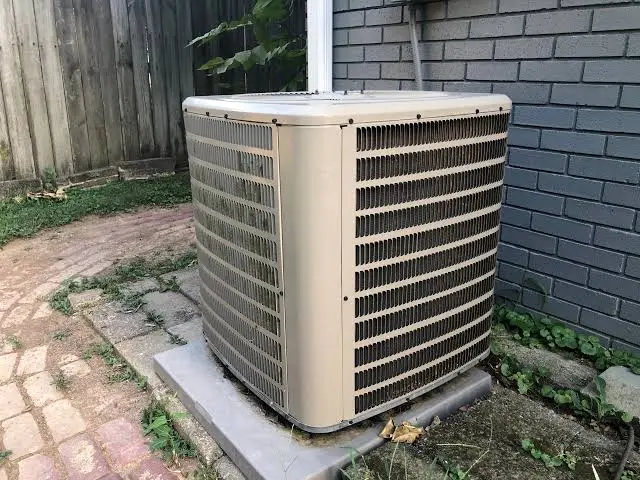
There’s a particular kind of misery that comes with a broken air conditioner in July. You know the feeling if you’ve lived in Northwest Arkansas for even one summer — that thick, syrupy humidity that settles over everything by ten in the morning. I remember a neighbor of mine, a guy named Ron who’s lived off Har-Ber Avenue for going on fifteen years, telling me his unit gave out on a Sunday afternoon during a family cookout. Nothing quite ruins brisket like watching your guests sweat through their shirts while you frantically Google repair shops. That’s the kind of story that sticks with you, and honestly, it’s why so many folks around here have learned the hard way that cooling systems don’t wait for convenient timing to fail.
Let’s talk about two things that matter a lot if you own a home in this part of the state: getting a new system put in properly, and knowing who to call when the one you already have starts acting up.
Why Proper Setup Matters More Than People Think
A lot of homeowners assume that once you’ve picked a unit, the hard part is over. Not quite. The equipment itself is only half the equation — how it’s put into your home determines whether it runs efficiently for the next fifteen years or struggles from day one. Ductwork sizing, refrigerant charge, thermostat placement, even the location of the outdoor condenser (shaded but not smothered by shrubs, if you can manage it) — these details add up.
I’ve talked to techs who’ve walked into homes where a perfectly good system was wheezing along at half capacity simply because it wasn’t matched to the house correctly. Air condition installation done right accounts for square footage, insulation quality, window exposure, and even how many people typically occupy the home. Skip that homework, and you’ll be paying for it every single month on your electric bill — not to mention the wear and tear that shortens the unit’s lifespan.
There’s also the matter of timing. Spring, oddly enough, tends to be the smartest window to get new equipment installed. Demand is lower, technicians aren’t stretched thin, and you’re not sweating through a heatwave while waiting for parts. But life doesn’t always cooperate with ideal timing, and sometimes a system just gives out mid-August with zero warning.
When Repairs Become the More Urgent Conversation
Not every cooling problem calls for a full replacement. Sometimes it’s a capacitor, a clogged condensate line, or a refrigerant leak that a skilled technician can diagnose in under an hour. The trick is knowing when a fix is genuinely a fix, versus when you’re throwing money at a system that’s already on its last legs.
This is where local knowledge becomes surprisingly valuable. Weather patterns, water quality, even the age of typical housing stock in a given town affect how HVAC systems age and fail. Someone searching for ac repair in springdales ar isn’t just looking for a generic technician — they’re looking for someone who understands how the region’s humidity and temperature swings put specific strain on compressors and coils. A tech who’s worked dozens of homes in the same zip code has probably seen the exact issue you’re dealing with a hundred times before.
Signs You Shouldn’t Ignore
A few things tend to signal trouble before a full breakdown happens:
- Warm air blowing even when the thermostat says it’s cooling
- Strange noises — grinding, clicking, or a persistent hum that wasn’t there before
- Higher-than-usual utility bills without a clear reason
- Uneven cooling between rooms
- Musty smells, which sometimes point to mold in the ductwork
None of these guarantee disaster, but ignoring them rarely ends well. Small issues left unaddressed tend to snowball into expensive ones, and in the middle of a heat advisory is not when you want to discover that.
Maintenance: The Unsexy Habit That Actually Saves Money
Nobody gets excited about scheduling a seasonal tune-up. It’s not glamorous, and it’s easy to put off. But changing filters regularly, keeping the outdoor unit free of leaves and debris, and having a professional check refrigerant levels once a year genuinely extends equipment life. Think of it like an oil change for your car — skip it long enough, and you’re not saving money, you’re just delaying a much bigger bill.
Choosing Who You Trust With Your Home
At the end of the day, cooling your home is deeply personal. It’s not just about comfort — it’s about protecting your family, your pets, and honestly, your sanity during the hottest stretches of summer. Whether you’re weighing a full system replacement or just need someone reliable for a same-day fix, working with people who know the local climate and housing quirks makes a real difference. Ask around, check reviews, and don’t be afraid to ask a technician direct questions about their experience with systems similar to yours.
FAQs
How long does a typical AC installation take?
Most residential installations take anywhere from four to eight hours, depending on the complexity of the ductwork and whether any modifications are needed to accommodate the new unit.
Is it worth repairing an older AC unit instead of replacing it?
It depends on the age and condition. If the unit is under ten years old and the repair cost is reasonable, fixing it often makes sense. Beyond that, replacement usually pays off in efficiency and reliability.
How often should I schedule maintenance for my cooling system?
Once a year, ideally in early spring before the heat sets in, is generally enough to catch small issues before they become expensive problems.
Also Read-The Hidden Costs of Parking Large Vehicles at Home

Leave a Reply