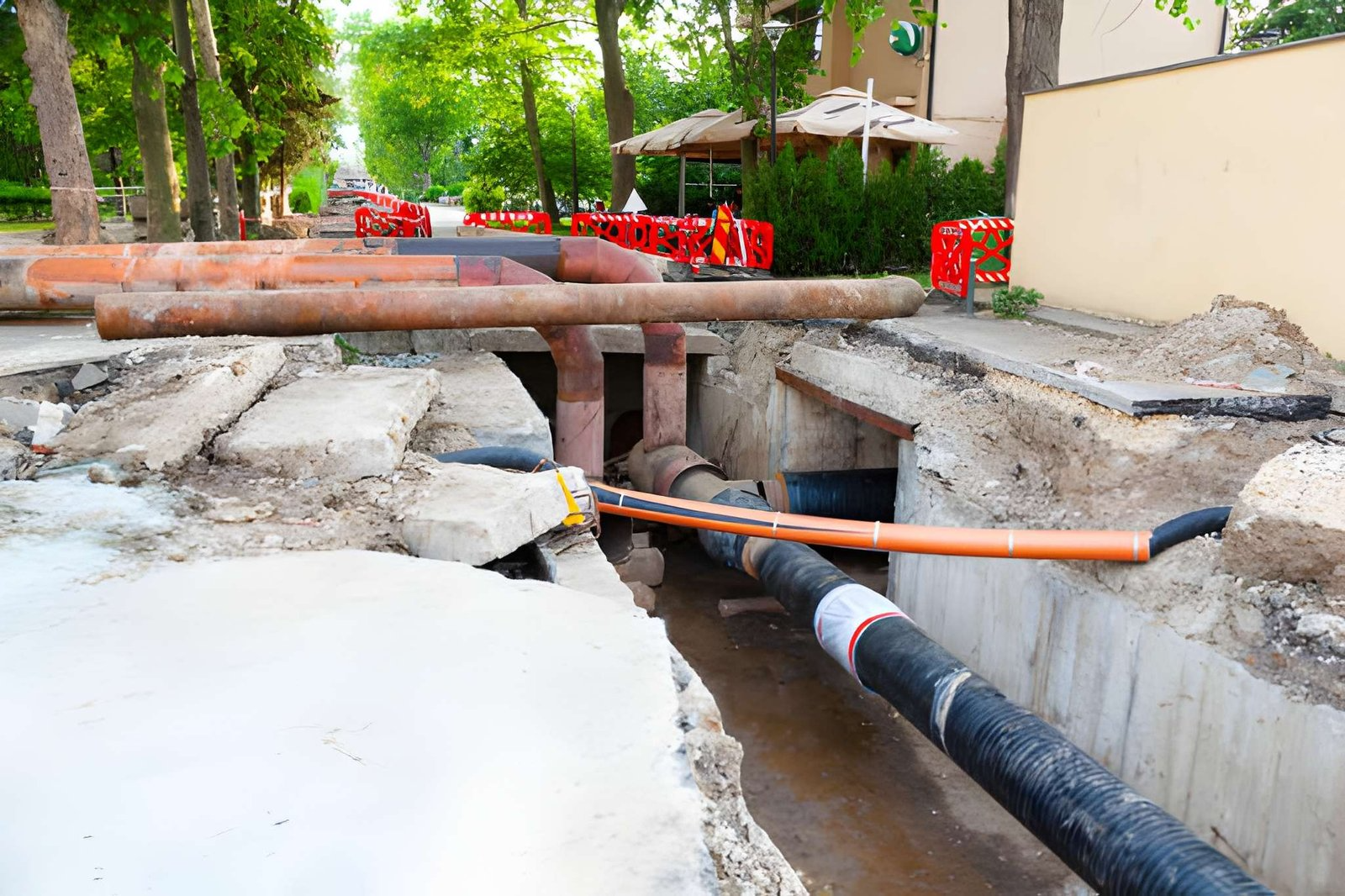
Modern drainage systems face challenges that were far less common in the past. Rapid urban expansion, increased wastewater volumes, aging infrastructure, and changing environmental conditions have transformed the way drainage networks are managed. Traditional maintenance approaches often struggle to keep up with these demands, making adaptation essential for long-term system performance. Today, advanced solutions such as high pressure water blasting have become valuable tools in helping infrastructure managers respond effectively to evolving drainage requirements. These technologies allow maintenance teams to remove stubborn buildup more efficiently while minimizing disruption to surrounding infrastructure. As a result, drainage systems can maintain higher levels of performance and reliability even under increasing operational demands.
Understanding Changing Infrastructure Needs
Infrastructure networks are constantly evolving. New developments, larger populations, and expanding commercial activities place additional pressure on drainage systems that may have originally been designed for lower demand levels.
As wastewater volumes increase, maintenance strategies must also evolve. Systems that once required occasional servicing may now need more frequent inspections and cleaning to maintain efficiency. Adapting maintenance practices ensures that drainage infrastructure continues to operate reliably despite changing conditions.
Moving Beyond Reactive Maintenance
For many years, drainage maintenance focused primarily on responding to visible problems. Blockages, backups, and overflows often triggered service activities only after disruption had already occurred.
Modern infrastructure management encourages a more proactive approach. Instead of waiting for failures, organizations increasingly monitor system conditions and perform maintenance before major issues develop. This shift reduces operational risks and supports more predictable maintenance planning.
Recognizing Early Warning Signs
One of the most effective ways to adapt maintenance strategies is by identifying warning signs before they escalate. Slow drainage, recurring blockages, unusual odors, and reduced flow efficiency can all indicate developing problems within a system.
Addressing these issues early helps prevent more significant damage and reduces the likelihood of emergency interventions. Regular observation and assessment provide valuable insight into system health and support more informed maintenance decisions.
Importance of Thorough Internal Cleaning
As drainage systems age, internal buildup becomes a major concern. Grease, sediment, debris, and mineral deposits gradually accumulate along pipeline walls, reducing flow capacity and increasing the risk of blockages.
Thorough cleaning plays a critical role in restoring system performance. Modern cleaning methods target buildup directly and remove materials that conventional approaches may leave behind. This helps maintain efficient flow while reducing stress on infrastructure components.
Using Advanced Water-Based Cleaning Methods
Water-based cleaning technologies have transformed modern drainage maintenance. Unlike traditional mechanical methods, these techniques use controlled water pressure to remove stubborn deposits and debris from inside pipelines. This approach is widely used in high pressure water jet sewer cleaning in Dubai because it provides effective cleaning while helping maintain the structural integrity of drainage systems.
The effectiveness of these methods lies in their ability to clean large sections of infrastructure without extensive excavation or disruption. By restoring pipe capacity and improving flow conditions, water-based cleaning contributes to better overall system performance.
Adapting To Urban Drainage Complexity
Urban drainage networks have become increasingly complex. Underground utilities, dense construction, and interconnected systems create maintenance challenges that require specialized solutions.
Adapting to this complexity involves selecting maintenance methods capable of reaching difficult areas while minimizing disruption to surrounding activities. Modern cleaning and inspection technologies allow technicians to work more efficiently within these challenging environments.
High-Pressure Cleaning Technology
High-pressure cleaning has become an important component of modern infrastructure maintenance. Systems designed for water jet sewer cleaning help remove stubborn obstructions, accumulated waste, and hardened deposits that can restrict flow.
These technologies improve cleaning effectiveness while reducing the need for invasive repair work. Their ability to restore pipeline performance makes them valuable for both preventive maintenance programs and corrective service activities, especially when combined with high pressure water blasting techniques for deeper and more thorough pipeline cleaning.
Supporting Long-Term Infrastructure Reliability
Reliable drainage systems depend on consistent performance over time. Maintenance strategies that focus only on short-term fixes often fail to address underlying conditions that contribute to recurring problems.
By adapting maintenance practices to include regular cleaning, inspection, and performance evaluation, infrastructure managers can improve reliability significantly. This long-term perspective helps reduce unexpected disruptions and extends the lifespan of critical assets.
Improving Resource Management
Effective maintenance is not only about system performance but also about resource efficiency. Unexpected failures often require substantial labor, equipment, and repair costs that place strain on maintenance budgets.
Adapted maintenance strategies help organizations allocate resources more effectively by focusing on prevention rather than emergency response. This improves operational efficiency while supporting better financial planning and asset management.
Preparing For Future Infrastructure Challenges
Infrastructure demands are expected to continue growing as urban development expands. Climate variability, increased population density, and changing land use patterns will place additional pressure on drainage networks. This makes maintenance strategies like high pressure water jet sewer cleaning in Dubai increasingly important for ensuring long-term system efficiency and reliability under challenging conditions.
Preparing for these challenges requires maintenance programs that are flexible and capable of evolving alongside infrastructure needs. Modern cleaning technologies, regular assessments, and proactive planning will play an increasingly important role in maintaining system resilience.
Building Sustainable Maintenance Practices
Sustainability is becoming a key consideration in infrastructure management. Efficient maintenance practices help reduce waste, extend asset lifespan, and minimize environmental impact.
Modern drainage maintenance supports sustainability by keeping systems operating efficiently while reducing the need for large-scale repairs and replacements. Well-maintained infrastructure also performs more effectively during periods of increased demand, contributing to long-term operational stability.
Conclusion
Understanding how to adapt drainage maintenance to modern infrastructure demands is essential for maintaining reliable and efficient wastewater systems. Through proactive planning, advanced cleaning technologies, and ongoing performance monitoring, organizations can address evolving challenges more effectively. Solutions such as high pressure water blasting and jet sewer cleaning support cleaner pipelines, improved flow efficiency, and stronger long-term infrastructure performance. As infrastructure networks continue to expand, adopting modern maintenance practices becomes increasingly important for preventing costly disruptions. Regular system care helps extend asset lifespan while ensuring consistent operational reliability. This forward-looking approach supports both sustainable infrastructure management and long-term service efficiency.
For those seeking professional expertise in modern drainage maintenance, JB ALLO Sewage continues to provide valuable industry knowledge and practical solutions that support dependable infrastructure management.
Read more: Japanese Translation Services Pricing in 2026: What Businesses Should Expect to Pay
How AI-Powered Personal Assistants Are Redefining Daily Productivity
Why You Need Heavy-Duty Load Bars?

Leave a Reply