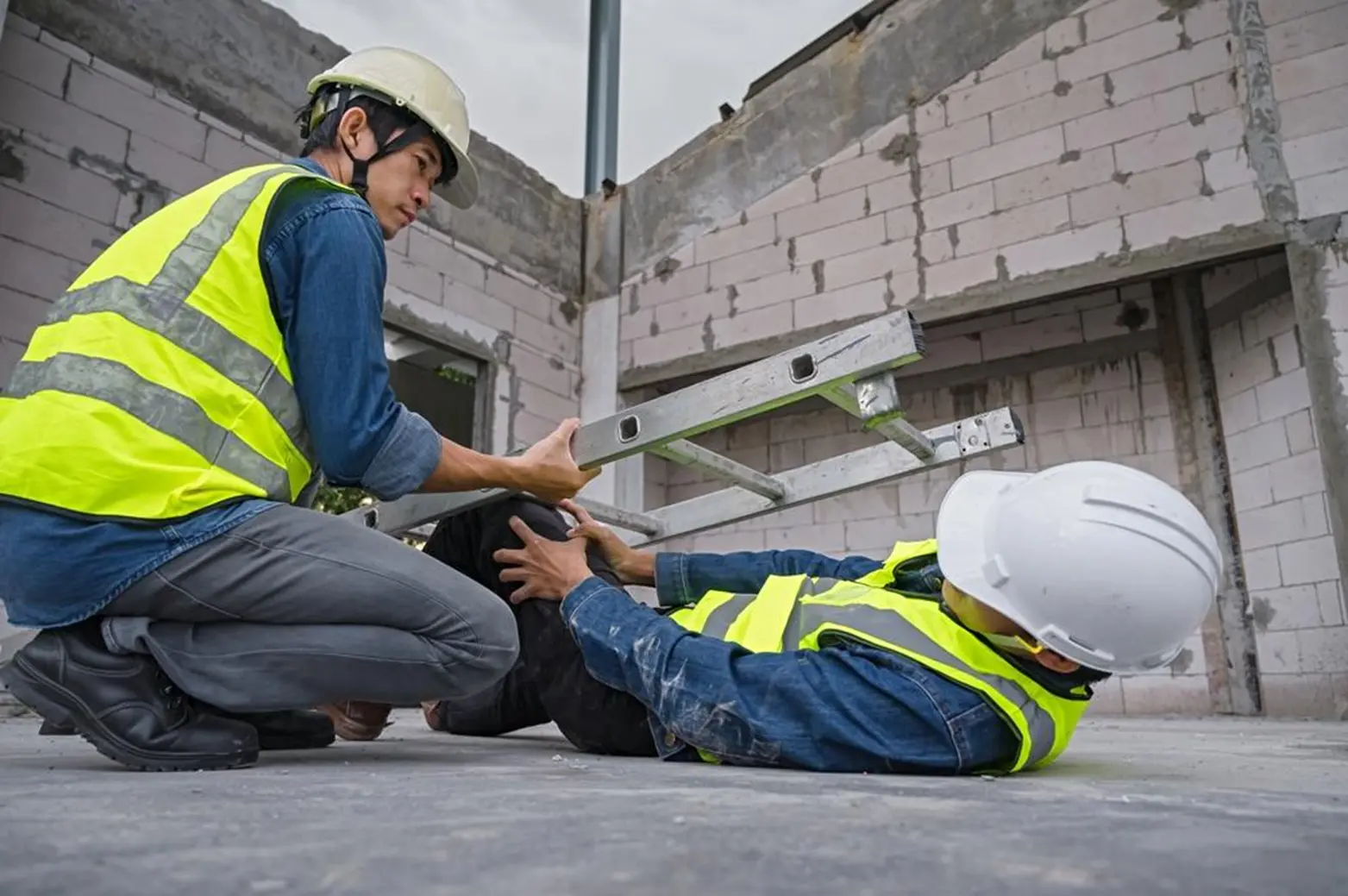
A single slip can trigger consequences that stretch far beyond the worksite. One unfastened harness or one ignored safety sign can turn a routine day into a legal tangle.
Construction sites are complex systems where every worker, manager, and contractor plays a role. When accidents happen, understanding who holds responsibility is not easy. This is where a skilled construction accident attorney steps in, helping workers navigate the legal maze while uncovering where the fault truly lies.
If you feel stuck, here’s how to untangle responsibility and see the situation clearly.
Why Construction Sites Are Prone to One Small Mistake
Construction environments are full of risks that workers see every day. Heavy machinery moves with precision, power tools operate under tight schedules, and teams coordinate across multiple levels. A minor lapse in attention or communication can quickly escalate. Safety measures might be overlooked or ignored because deadlines feel more important than caution.
Workers follow instructions, but not all instructions are complete, and not every supervisor enforces the rules consistently. This is why accidents rarely happen for one simple reason. They usually occur because multiple small mistakes overlap, creating the perfect setup for disaster that nobody notices until it is too late.
The Blame Game: Why Workers Are Often Held Responsible First
After an accident, it is natural for employers and insurers to assign blame quickly. Injured workers are often the first to be questioned because the assumption is that someone must have acted carelessly. This initial assignment of fault can affect how the accident is reported and how insurance claims are processed. Workers may feel pressured to accept responsibility even when they have little control over the situation. Immediate perceptions rarely reflect the full story. A more thorough review is needed to understand who truly failed in preventing the accident and who might share liability.
Who Could Actually Be at Fault?
Accidents are often more complex than they appear. Responsibility can lie with several parties, and identifying them is key to understanding the full picture.
Employer Responsibility
Employers are expected to maintain safe working conditions. Failing to provide adequate training or ignoring known hazards places them at risk of liability. Even small oversights, such as not replacing worn-out equipment, can lead to serious injuries.
Third-Party Contractors
Construction sites often involve multiple contractors and subcontractors. Miscommunication or negligence by a third party can create dangerous situations. Workers following proper protocols may still face hazards if others fail to do their part.
Equipment Manufacturers
Sometimes the tools themselves are at fault. Equipment defects, poor maintenance instructions, or design flaws can contribute to accidents. These failures are outside the worker’s control but can have serious consequences.
Site Management and Safety Oversight
Managers are responsible for enforcing safety rules and supervising operations. When supervision is lax or planning is poor, the risk of accidents rises significantly. Overlooked safety violations often make the difference between a minor incident and a major injury.
Why Determining Fault Matters
Determining who is at fault is more than a matter of blame. It directly affects the type of compensation a worker can receive. Workers’ compensation may cover some expenses, but pursuing a personal injury claim against responsible parties can help recover the full extent of losses. When multiple parties share liability, the injured worker is better positioned to secure compensation that covers medical bills, lost wages, and long-term care. Identifying fault also encourages accountability, which can lead to safer working conditions for everyone on the site.
Common Mistakes Workers Make After an Accident
Even after a serious incident, workers can unintentionally weaken their claims. Some of the most common mistakes include:
- Waiting too long to report the accident
- Accepting blame without understanding the circumstances
- Failing to document evidence, such as photos or witness accounts
- Speaking with insurance representatives without legal guidance
Avoiding these missteps increases the likelihood of a fair outcome and ensures that the responsibility for the accident is accurately determined.
How Legal Guidance Helps
A skilled attorney can make a significant difference in uncovering the truth. Construction attorneys investigate every detail, gather expert opinions, and review site reports to determine liability. They also help navigate interactions with insurance companies and ensure that workers are not unfairly held accountable for circumstances outside their control. By identifying all responsible parties, a lawyer strengthens the case and improves the chances of obtaining the compensation needed for recovery. In cities like Dallas, a skilled construction accident attorney can help workers sort through complex legal frameworks and focus on what matters most.
Closing Thoughts
One mistake on a construction site can feel like it changes everything, but it rarely belongs to a single person. Systems, oversight, and equipment all play a role in turning a small error into a major incident. Understanding where responsibility truly lies can protect workers from unfair consequences and help them secure the compensation they deserve.
Consulting the right professionals ensures that workers are supported, informed, and not forced to carry the weight of accidents that were never entirely their fault. For anyone facing these challenges, a local skilled construction accident attorney can provide clarity and guide the path forward.
Also Read
- What Business Owners Should Know Before Starting a Commercial Construction Project
- How Online Grocery Delivery Is Changing Daily Life in Karachi
- How Slip and Fall Accidents Can Interrupt Nerve Function Without Warning

Leave a Reply