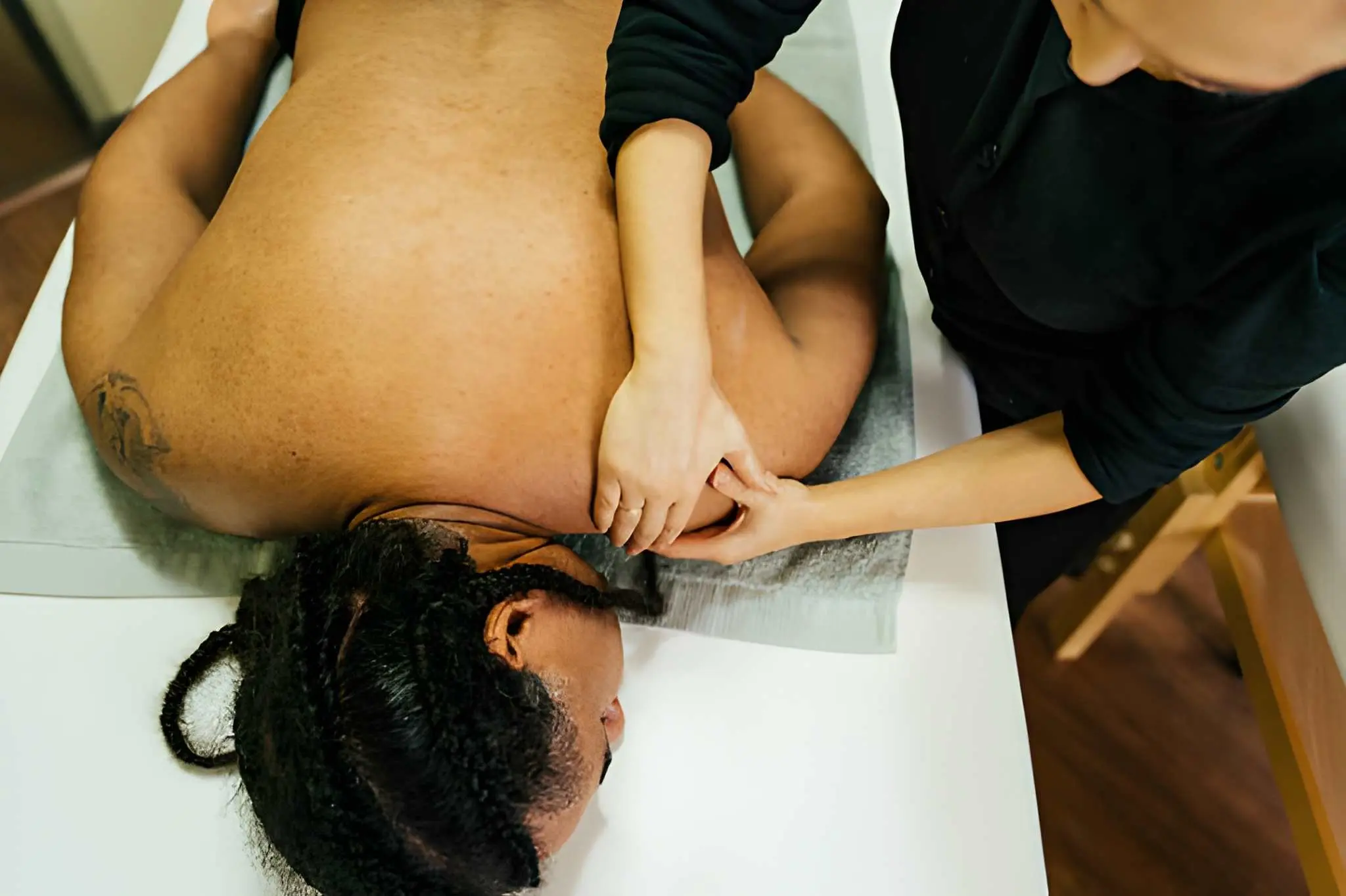
The Science Behind Therapeutic Massage
Massage is not idle indulgence. It is a physiological nudge that pulls your body out of stress mode and into repair mode. Skilled touch increases blood flow, delivering oxygen where it is most needed, particularly to tight, oxygen-starved muscle fibers. This enhanced circulation alone can shift the body’s chemistry. Against the backdrop of improved oxygenation, nerve endings fire in specific patterns that trigger endorphin release, the body’s own potent pain and stress regulators. That natural flood of feel-good chemistry is quick, but what matters most is the deeper switch—the activation of the parasympathetic nervous system. This is the “rest and digest” gear your body rarely reaches in a high-pressure lifestyle. In it, heart rate drops, breathing deepens, and muscle tone softens without conscious effort. A good therapist understands how to sustain that state, applying pressure and rhythm deliberately, coaxing the body into a self-repair cycle you can’t replicate with casual stretching or quick fixes. The science is simple enough: change the signals, change the chemistry, change the outcome. The skill is knowing exactly how and when to send the right signal.
Top Tension-Release Techniques to Soothe Muscles
• Deep-Tissue Massage: Goal is structural repair. Targets stubborn knots buried beneath surface muscles. Expect slow, methodical strokes with high pressure, sometimes bordering on discomfort, designed to break up adhesions and restore muscle integrity.
• Swedish Massage: Goal is overall relaxation. Works primarily on superficial muscle layers. Expect fluid, rhythmic strokes with moderate pressure, enhancing circulation and easing general soreness without drilling into deep fibers.
• Myofascial Release: Goal is freeing movement patterns. Targets fascia—the connective tissue web around muscles. Expect sustained, gentle pressure that gradually stretches and softens binding tissue. Sensation is often subtle but can shift mobility sharply afterward.
Each modality lives in its own lane. Deep-tissue tackles deep, painful tension but is best spaced out to avoid overloading muscles. Swedish offers a calming reset and suits general maintenance. Myofascial release is precise and slow, ideal for mobility-focused goals. The right choice depends on your tolerance for intensity, your recovery needs, and whether you are chasing relief or functional improvement.
When Professional Bodywork Makes a Difference
Some muscle trouble laughs at foam rollers. Chronic knots, the ones that feel like gravel under the skin, often need trained hands to dismantle. Posture-induced aches from desk work, or imbalances from repetitive sports, are another red flag. Professionals see patterns you miss and can realign muscle groups before they drag joints into dysfunction. The difference lies in nuanced pressure control and anatomical targeting, which allows specific fibers to release without collateral strain. If you want a starting point, check out St George massage for a trusted practice that understands both science and craft. You’re not paying for someone to push around muscles blindly; you’re investing in precise treatment that can halt a slow slide toward chronic pain. In short, if you’ve worked at home for weeks with no improvement, hand it over to an expert before a manageable issue becomes a permanent one.
Self-Administered Massage Moves for Busy Lives
Your schedule will never magically clear. Work with what you have. Foam rolling your quads can flush fresh blood through muscle tissue that’s been locked by hours in a chair: roll deliberately, pausing on sore points, then shift angle to reach inner muscle fibers. Use a tennis ball between your shoulder and a wall, lean in, hunt down the knot, and hold pressure until the spasm surrenders. Neck acupressure works with fingertip force applied to tender junctions at the skull base, easing headaches and tension before they escalate. All three moves demand control, not speed, and a willingness to stop if nerve pain or sharp discomfort appears. Target only muscles, never joints or bony structures. Respect the difference between productive soreness and damaging force. Self-care is a blend of boldness and restraint—push enough to create change, but not so far that you create a setback.
Establishing a Consistent Massage Rhythm
Consistency beats intensity. Professional sessions once or twice a month work well for most, filling the gaps left by at-home tactics. Short, focused self-work every other day keeps tissue supple and resists buildup of tension. Lace sessions into predictable slots—Sunday reset, midweek micro-session—so they anchor your week instead of becoming an afterthought. Layer in quick stretch breaks or brisk walks to keep muscles engaged between sessions. The goal is prevention first, repair second.
Monitoring Outcomes: Beyond Immediate Relief
Immediate lightness after a massage is fine, but lasting change shows up elsewhere. Track sleep quality nightly. Test joint mobility with basic movements to catch gradual gains. Capture mood trends to see if irritability fades across weeks. Use a minimal app or an old-fashioned notebook to spot patterns—the improvement curve often hides in plain sight. The better your records, the easier it is to fine-tune intensity, frequency, and style.
Crafting a Personalized Renewal Roadmap
Identify your primary stress zones without overthinking. Choose one professional style that logically matches your tension and book the first session. Select one DIY move that targets your trouble spot and apply it daily. Measure change for two weeks. If the improvement sticks, lock the routine in place. This is a forward move. You reclaim energy, sharpen mental focus, and shore up resilience against the grind. The road is yours to chart, but precision and repetition are what will carry you toward renewal.
Also Read

Leave a Reply