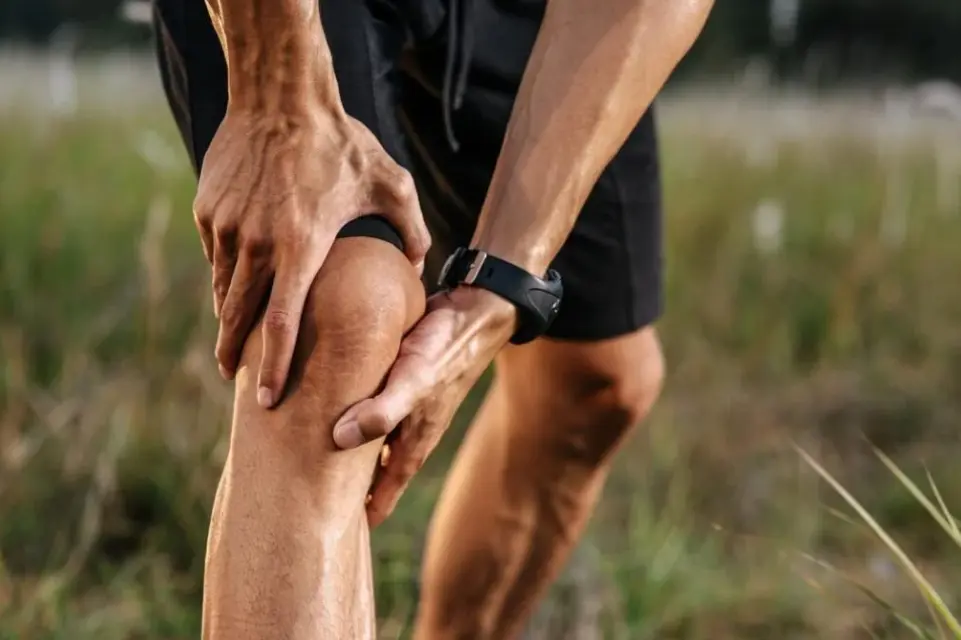
The problem of chronic knee pain will gradually occupy your everyday life. Even basic tasks such as climbing stairs, walking in the grocery store, and standing up are annoying. Most individuals do not pay much attention to the pain initially in the hope that it will pass.
As it progresses over months, it begins to affect mobility, mood, and productivity. The positive aspect is that the problem of the knee in the long term could be treated with the appropriate strategy. Is it an injury, arthritis, or overuse that makes your knee painful? Knowing how to take good care of it and what you can do to help with your knee pain?
Identify the Root Cause
Treatment of chronic knee pain begins by understanding the causes of knee pain. Some of the most common ones are arthritis, ligament tears, cartilage tears, tendonitis, and repetitive strain. There are cases when pain develops because of the wrong posture, weak muscles, or the wrong form of exercise.
Neglecting causes and treating symptoms is enough to worsen the situation. A medical assessment prevents the definition of whether it is structural, inflammatory, or muscular. Knowing what causes your pain is the key to the correct treatment strategy.
Less Strain on the Knee Each Day
Even minor alterations in everyday life count. When you are on your feet for long hours, make sure you have footwear that gives good support and has good cushioning. Try not to walk long distances on hard floors. Bending hips and knees when picking up things instead of just putting pressure on the joint.
With moderate weight loss, stress on the knee joint can be reduced, even in overweight individuals. The additional weight to the body causes strain on cartilage and hastens the wear of the joints. Reducing daily strain improves healing.
Professional Care
Professional evaluation is necessary when home strategies are not sufficient. Clinics for knee pain treatment in Passaic, NJ, also offer different varieties of treatment with regard to the severity of the condition. Some of the treatments include physical therapy, specific strengthening programs, manual therapy, or guided rehabilitation.
In other instances, physicians might prescribe anti-inflammatory drugs, joint injections, or sophisticated treatments to alleviate pain and enhance functionality. Timely care is able to stop the development of the condition and lessen the invasive procedures.
Use Low-Impact Cardio
It is essential to be active, but high-intensity exercises might worsen chronic knee problems. You can do something better than running or jumping exercises:
- Swimming
- Cycling
- Elliptical training
- Walking on even surfaces
These are possibilities that make joints move without causing overload. Exercise enhances blood flow, helps lubricate joints, and prevents stiffness. Regularity is superior to vigor in the treatment of chronic knee pains.
Consider Physical Therapy
Long-term solutions for chronic knee discomfort have been proven to be effective through physical therapy. A therapist evaluates your movements, skeletal asymmetry, and joint mobility. On the basis of such an assessment, they develop an organized program that suits your needs. Therapy often includes:
- Strength training
- Flexibility exercises
- Balance work
Also Read
- Making Eye Exams Smoother With Better Tech
- Bridging Finance & Short-Term Property Loans — When and Why Businesses Use Them
