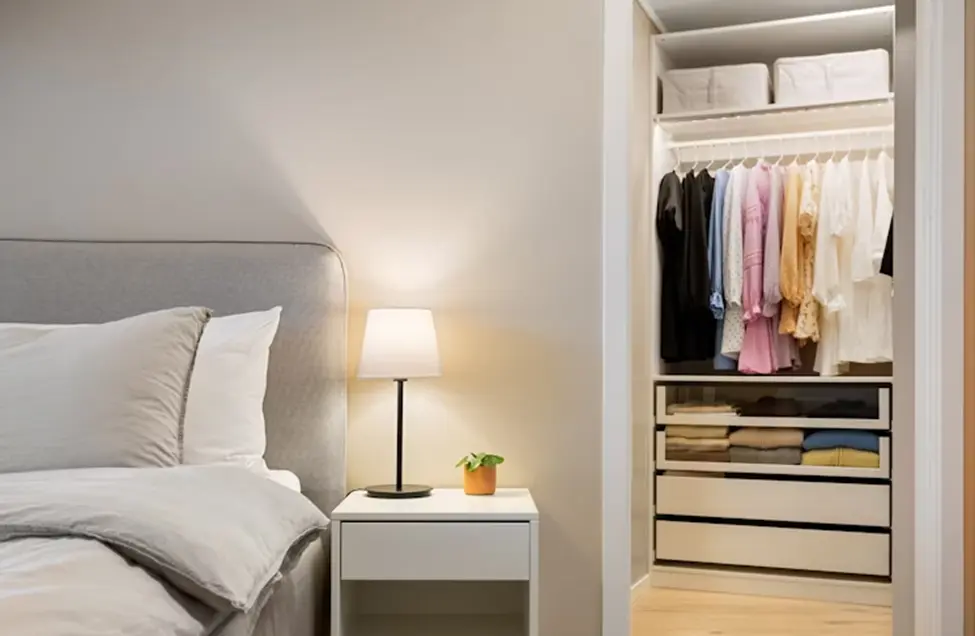
Most of us have looked at a full closet and still felt like there’s nothing to wear. It’s a common problem in an age where fashion trends change almost every month.
The truth is, trends are designed to move fast. They create excitement, but that excitement doesn’t last. The pieces that stay in rotation, the ones you reach for over and over, usually share one thing in common — they feel good to wear. They have texture, structure, and personality. Focusing on these qualities instead of chasing what’s “in” helps you build a wardrobe that looks fresh without constant updates.
Once you start paying attention to texture, you’ll see how easily it transforms your clothes from plain to polished.
Understanding What Texture Means in Fashion
Texture in fashion is all about how a fabric looks and feels. It gives clothing depth, even when the colors are simple. Texture lets you express style without relying on loud prints or logos.
When you mix materials with different surfaces, your outfit looks more interesting. A simple cotton shirt feels elevated when paired with corduroy trousers. A linen dress gains warmth when worn with a chunky knit cardigan. These contrasts make even the most basic clothes feel styled, not just worn.
Why Quality Always Outlasts Quantity
Good texture often comes from good quality. Natural fibers like cotton, wool, linen, and silk hold shape better and feel more comfortable. They also last longer when cared for properly. In contrast, synthetic fabrics can look new at first but often lose texture and structure after a few washes.
Caring for quality fabrics the right way makes a real difference. For instance, delicate pieces such as silk scarves need professional attention to stay soft and vibrant. Specialized silk scarf cleaning helps maintain their texture, shape, and natural shine — something regular washing can’t achieve. This level of care keeps your accessories looking new for years instead of months.
When you buy fewer pieces but choose better ones, you end up saving money and space. Look for clothes that feel sturdy, with neat stitching and well-finished seams. These small details tell you more about quality than any label can. And when your clothes are made well, they age beautifully instead of wearing out quickly.
Investing in quality means your closet grows slowly but with purpose. Every item earns its place. Over time, your wardrobe becomes a collection of textures and shapes that truly work for you.
The Subtle Power of Mixing Materials
Combining different fabrics adds variety without effort. Think of pairing a crisp cotton blouse with soft suede shoes or wearing a denim jacket over a silk camisole. Each texture brings balance to the other. It’s an easy way to create interest without over-accessorizing or layering too much.
This approach works for any personal style. If you like minimal dressing, textured fabrics keep simple outfits from feeling flat. If you enjoy dressing up, a few well-chosen contrasts make your look more refined. Playing with materials helps you see your wardrobe in a new way — not as separate pieces, but as parts that work together.
Accessories That Add Character Without Clutter
You don’t always need new clothes to change how you dress. Accessories can do more for an outfit than people realize. A woven bag, a leather belt, or a silk scarf can add instant texture and detail. These small pieces often transform an otherwise simple outfit into something special.
Instead of buying multiple trendy items, invest in accessories that are made well. A textured handbag or pair of shoes in neutral tones can work across seasons and styles. These pieces rarely go out of fashion and tend to last longer. Focus on versatility — one or two textured accessories can do more for your wardrobe than several new garments that follow short-lived trends.
Building a Wardrobe That Outlasts Every Trend
A textured wardrobe is a thoughtful one. It’s built slowly, with attention to detail and fabric quality. Start by removing clothes you never wear and keeping only what fits well and feels good. Then, focus on filling the gaps with durable materials that add depth — like denim, linen, or wool.
When you shop, choose pieces you can mix and match across seasons. Pick fabrics that layer well, and stick to a color palette that reflects your personal taste instead of current trends. Pay attention to how each item feels, not just how it looks. Clothes that last longer reduce waste and make dressing easier. This approach supports a more sustainable way of consuming fashion, which benefits both your wardrobe and the environment.
The idea of “more texture, less trend” isn’t about buying expensive clothes. It’s about paying attention — to fabrics, comfort, and the quality of what you wear. Texture brings variety, depth, and life to your wardrobe without constant shopping or chasing what’s popular.
When you choose materials that feel good and care for them properly, your style naturally becomes more polished. You start relying less on fast trends and more on your own sense of what looks and feels right. A textured wardrobe tells a quiet story of care, confidence, and individuality — one that never needs updating.
Also Read-How to Avoid Hidden Fees When Selling Your Home Quickly
