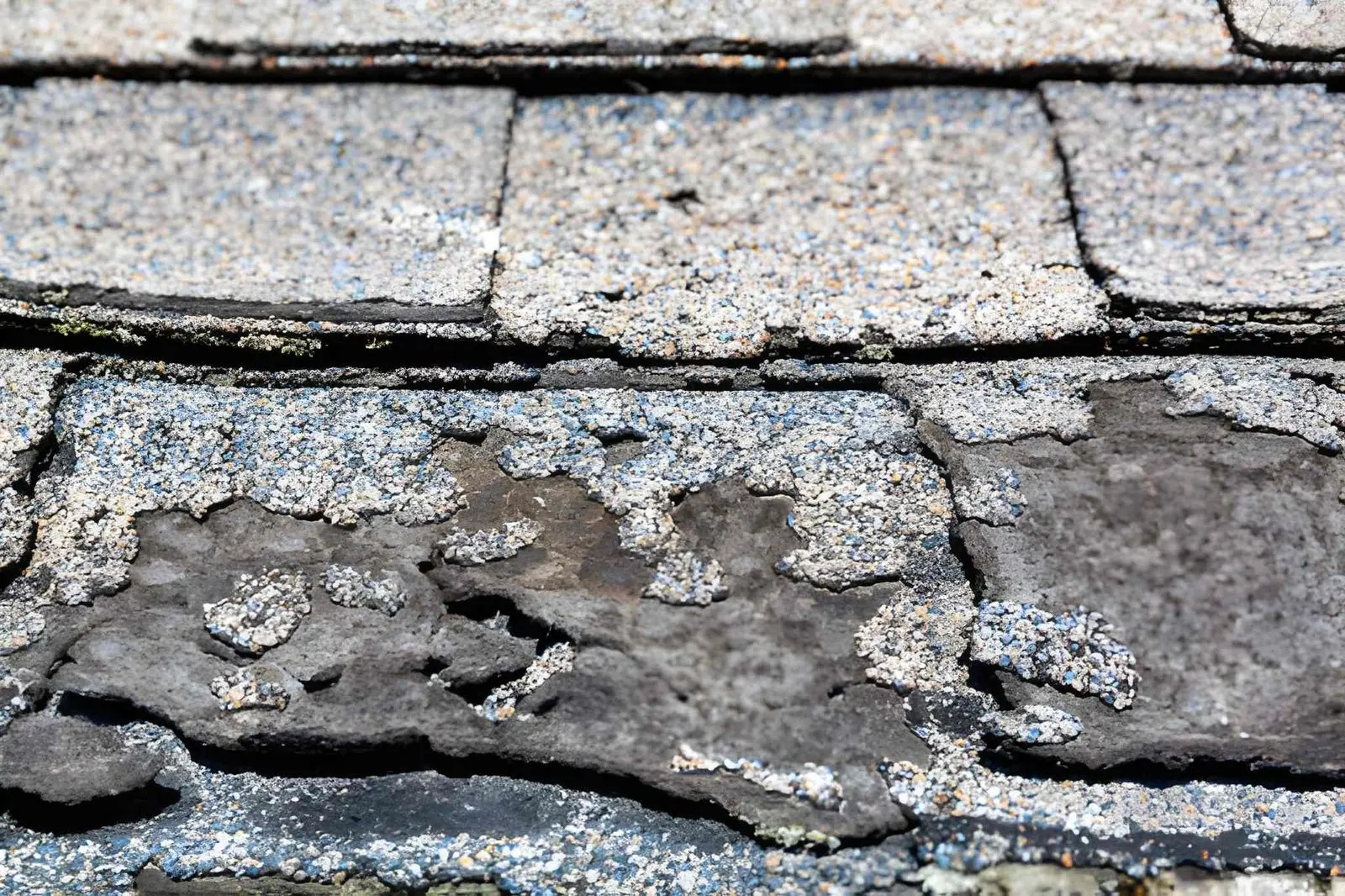
A few damaged shingles can look like a simple fix. From the ground, it might seem like a small section just needs to be replaced. But in many cases, what is visible on the surface is only part of the issue. Shingles are the outer layer of a larger system, and when they fail, the layers underneath are often already affected. For homeowners considering roofing services Eagle Mountain, understanding what sits beneath those shingles is key to making the right repair decision.
The challenge is that the underlying damage is not always obvious. A roof can look mostly intact while moisture has already reached the underlayment or even the decking below. By the time surface damage appears, the problem may have been developing for much longer.
Shingles Are Not the Only Protection
Shingles are designed to shed water, not act as the only barrier. Beneath them sits underlayment, which provides a secondary layer of protection. Below that is the roof deck, which supports the entire system. Once shingles are compromised, water can begin working its way past that outer layer.
If the underlayment is still intact, it may slow the process. But once it begins to wear or tear, moisture can reach the decking. At that point, the issue moves beyond surface damage and becomes structural.
Water Moves Beneath the Surface Before It Becomes Visible
Water rarely stays at the entry point. After getting beneath the shingles, it can travel along the underlayment or decking before settling in a low spot. This is why interior stains often do not align with visible damage above.
As moisture spreads, it affects a larger section of the roof. Fasteners can loosen, wood can soften, and materials may begin to separate. A small entry point can lead to a wider problem without obvious exterior signs.
Underlayment Failure Allows Moisture to Spread
Underlayment often takes the impact after shingles begin to fail. It can tear under stress, degrade from heat, or weaken after repeated exposure to moisture. Once that layer is compromised, it no longer provides reliable protection.
Replacing surface materials alone does not resolve this condition. If the underlayment has already failed, water can continue to enter and move through the system. This is a common reason repairs do not hold.
Decking Damage Changes the Scope of the Work
Once moisture reaches the decking, the repair becomes more involved. Roof decking can absorb water and begin to weaken over time. Soft areas, warping, or deterioration may develop even if the surface still appears stable.
At this stage, repairs extend beyond shingles and underlayment. Sections of decking may need to be replaced to restore the structure. Ignoring this layer often leads to continued problems after surface work is completed.
Surface Repairs Alone Often Miss the Root Cause
Replacing a few shingles or sealing a visible gap can stop a leak for a short time, but it does not deal with moisture that has already worked its way underneath. If the underlayment or decking has been affected, water can continue to move through those layers and show up again later. That is why the same leak often returns after a basic patch. A repair holds only when the problem below the surface is found and corrected.
Identifying Hidden Damage
A proper inspection goes beyond what is visible on the surface. It involves checking for soft spots in the decking, signs of moisture beneath the shingles, and areas where materials have loosened or shifted. Small irregularities, like slight dips or uneven sections, often point to deeper issues.
The attic can confirm what is happening below. Staining on wood, damp insulation, or slight sagging usually means moisture has been present for some time. These details help show whether the problem is limited to the surface or affects the structure underneath.
Targeted Repairs Work When Damage Is Limited
If the underlying layers remain intact and the damage is confined to a small area, a focused repair can be effective. Replacing affected shingles and reinforcing surrounding components can restore performance. The key is confirming that moisture has not spread beyond the visible section. When the issue is contained, repairs can provide a reliable solution.
Widespread Wear Requires a Broader Solution
If underlayment failure or decking damage appears in multiple areas, surface repairs may not be enough. Repeated issues or multiple weak spots suggest that the roof system is wearing down more broadly. In these cases, replacing larger sections or the full system may be more practical. This approach restores all layers at once and reduces the need for ongoing repairs.
Lasting Repairs Address the Full Roofing System
The difference between a short-term fix and a lasting repair comes down to scope. Addressing only the surface may stop a leak briefly, but it does not prevent future problems if deeper layers are affected. Looking at the full system, including underlayment and decking, ensures the repair resolves the actual cause. This approach helps prevent repeat issues and extends the life of the roof.
Conclusion
Shingle damage is often the first visible sign of a deeper issue within the roofing system. What looks like a small surface problem may involve underlayment failure or decking deterioration beneath it. For homeowners considering roofing services Eagle Mountain, understanding these hidden layers helps avoid repairs that only solve part of the problem. Addressing the full system, not just the surface, is what keeps a roof performing the way it should.
Also Read
- The Hidden Costs of Parking Large Vehicles at Home
- Unselect vs Deselect: Which Term Should You Use in Tech? 🖱️💡
- Managing Financial Life While a Lawsuit Is Still Unresolved
