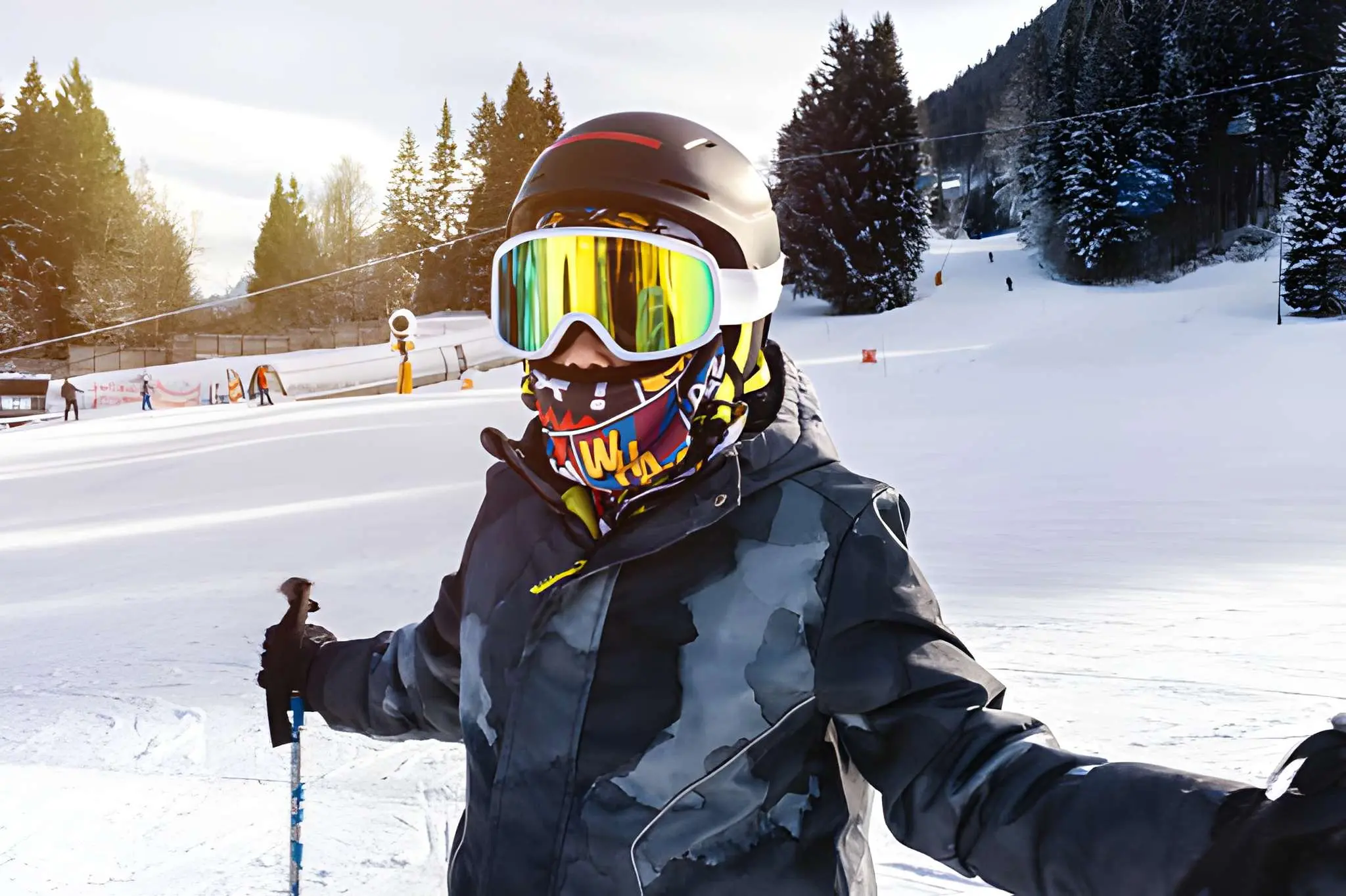
Skiers do not care about fashion slogans when the wind cuts across their face at the top of a lift. What actually matters is warmth, breathability, fit, and how well a neck gaiter performs during real movement. Many so called winter accessories look good on product pages but fail the moment moisture, sweat, and cold air collide.
This is exactly why skiers are becoming far more selective about the neck gaiters they use on the mountain.
In this guide, we break down what makes a custom neck gaiter truly ski ready and why design and material decisions matter far more than branding.
Ski Conditions Demand a Different Kind of Neck Gaiter
Skiing exposes your face and neck to rapid temperature changes. You move from cold chairlifts to intense physical effort within minutes. A neck gaiter that works for casual outdoor use often fails in alpine environments.
A ski focused gaiter must handle:
- Cold air pressure at speed
- Heavy breathing and condensation
- Friction from helmets and jacket collars
- Repeated on and off adjustments
Most standard promotional gaiters are not designed for this level of performance.
Fabric Performance Is the Real Game Changer
The most important factor for skiing is how the fabric behaves under moisture and cold stress.
High quality ski suitable neck gaiters rely on:
- Soft microfiber blends that sit comfortably under helmets
- Breathable construction to reduce internal moisture build up
- Stretch recovery so the fabric does not loosen after a few runs
- Smooth surface structure to prevent skin irritation in freezing air
Poor fabric choices create condensation inside the gaiter. Once moisture freezes, comfort drops immediately.
This is where properly engineered custom production makes a measurable difference.
In performance focused projects, many ski brands and event teams choose 4inbandana for custom neck gaiter production because the printing and fabric process allows full coverage designs on breathable stretch material without adding stiffness or heavy coatings that reduce airflow.
This balance between design flexibility and fabric performance is critical for winter sports use.
Fit Under Helmets Makes or Breaks Wearability
Ski helmets and neck gaiters must work together.
If the gaiter is too thick, it pushes the helmet upward.
If it is too thin, wind penetration becomes a problem.
A well designed ski gaiter:
- Sits flat at the jawline
- Does not bunch at the back of the neck
- Keeps its shape when tucked into jackets
- Stays in position during head rotation
Good stretch geometry allows the gaiter to move with the skier rather than sliding downward with every turn.
Breath Control and Fog Prevention
One of the most frustrating problems skiers face is goggle fogging. Neck gaiters play a surprisingly large role here.
Poor airflow design forces warm breath upward toward the goggles. Better engineered gaiters allow breath to disperse forward and downward instead of being trapped.
Small fabric differences create noticeable performance gaps in real conditions.
This is why breathable weave structure matters just as much as thermal insulation.
Cold Protection Without Overheating
Many winter gaiters focus too heavily on insulation and forget about heat regulation.
Skiing generates body heat quickly. Over insulated gaiters lead to:
- Excessive moisture
- Face discomfort
- Frequent removal during runs
The best ski gaiters maintain a thermal buffer without creating a sealed microclimate around the mouth and nose.
This balance allows skiers to keep their gaiter in place throughout longer sessions instead of constantly pulling it down.
Print and Design Quality Actually Matters on the Slopes
Ski environments are harsh on printed accessories.
Repeated stretching, moisture exposure, and freezing temperatures cause low quality prints to crack or fade quickly.
High quality full surface printing ensures:
- Color stability after repeated washes
- No peeling layers
- No stiff printed zones that affect stretch
From a branding perspective, ski photos and videos amplify design flaws very quickly. Clean and consistent print quality protects brand image as much as wearer comfort.
Durability in Cold and Abrasion Conditions
Ski jackets, backpacks, helmet straps, and lift seats all create friction points.
A ski appropriate gaiter must tolerate:
- Repeated rubbing against chin guards
- Velcro contact from jacket collars
- Compression under balaclavas or helmet liners
Low grade seams are the first point of failure in winter conditions. Reinforced edge stitching dramatically improves lifespan for snow sport usage.
Why Custom Design Improves Ski Performance
Off the shelf winter gaiters are built for mass market sizing and general use.
Custom production allows you to:
- Adjust length to prevent neck exposure
- Optimize fabric density for cold regions
- Design airflow zones near the mouth
- Control stretch behavior across the face area
This level of control is not possible with generic retail products.
For ski schools, events, resorts, and winter sports brands, custom neck gaiters become functional equipment rather than promotional accessories.
Real World Use Is the Only Test That Matters
Skiers are brutally honest about gear. If something slips, freezes, smells after one day, or causes goggle fog, it gets replaced immediately.
Neck gaiters that perform well on the slopes share three common traits:
- Consistent breathability
- Stable fit under helmets
- Fabric comfort over long sessions
Design alone does not create trust. Performance does.
Final Thoughts
A ski capable neck gaiter is not just a winter accessory. It is part of the rider’s safety, comfort, and overall experience on the mountain.
When fabric quality, breath control, fit geometry, and print durability are engineered together, the result is a gaiter that works during real skiing, not just in product photos.
If your goal is to create neck gaiters that skiers will actually keep using throughout the season, performance focused custom design is no longer optional.
Also Read
- Traveler or Traveller ✈️: Which Spelling is Right?
- Managing Financial Life While a Lawsuit Is Still Unresolved
- Managing Financial Life While a Lawsuit Is Still Unresolved
