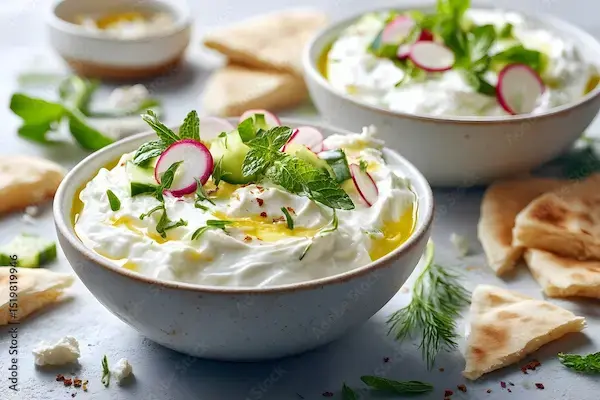
Tzatziki and mace may come from very different culinary traditions, yet when explored together, they reveal a fascinating harmony of flavor, aroma, and balance. One is a cooling, creamy sauce rooted in Mediterranean cuisine, while the other is a warm, aromatic spice long valued in global kitchens. When thoughtfully paired, tzatziki and mace create a refined culinary combination that enhances dishes without overpowering them.
This pairing is less about bold contrast and more about subtle layering, where freshness meets gentle spice, and simplicity meets depth.
A Classic Mediterranean Sauce
Tzatziki is a traditional sauce commonly found in Greek and Eastern Mediterranean cuisine. It is typically made using strained yogurt, cucumber, garlic, olive oil, and herbs such as dill or mint. The result is a creamy, lightly tangy, refreshing sauce.
In cooking, it is valued for its ability to balance rich or savory foods. It is often served alongside grilled meats, roasted vegetables, flatbreads, or grain-based dishes. Its smooth texture and mild flavor make it an adaptable base that pairs well with both complex and straightforward ingredients.
What Is Mace?
It is the dried outer covering of the nutmeg seed and has been used in culinary traditions for centuries. While related to nutmeg, it offers a more delicate and aromatic profile. Its flavor is warm but refined, making it suitable for both savory and lightly spiced dishes.
In cooking, mace is often used sparingly to add depth rather than dominance. It blends well into sauces, soups, rice dishes, and creamy preparations where subtle complexity is desired.
Why Work Well Together?
The combination of tzatziki and mace works because of contrast and balance. It provides a cooling, creamy foundation, while mace introduces warmth and aromatic nuance. Neither ingredient overwhelms the other; instead, they complement each other through restraint.
Its gentle spice enhances the overall flavor profile of tzatziki-based dishes without altering their identity. When used in small amounts, it can add an unexpected layer, elevating familiar recipes.
Culinary Applications of This Pairing
Sauces and Dips
A pinch of ground mace can be added to create a more layered dipping sauce. This variation works particularly well with roasted vegetables, pita bread, or mezze platters, adding subtle warmth without changing the sauce’s classic character.
Roasted Dishes
It is commonly paired with grilled foods, and mace can be added to marinades or spice rubs for vegetables or plant-based proteins. When served together, the flavors feel cohesive rather than competing.
Flatbread Pairings
It pairs well with grains such as rice, bulgur, or couscous. When these dishes are served alongside it, the result is a balanced plate where creamy, aromatic, and savory elements work in harmony.
Modern Fusion Cooking
In contemporary kitchens, chefs often experiment with traditional ingredients in new ways. Mace can be used together in fusion recipes, such as yogurt-based dressings, savory spreads, or baked dishes that benefit from both creaminess and gentle spice.
Balance and Simplicity
Tzatziki and mace demonstrate how thoughtful ingredient pairing can transform simple components into something memorable. By combining a cool, creamy sauce with a warm, aromatic spice, this culinary combination highlights balance, subtlety, and versatility.
Rather than relying on intensity, this pairing succeeds through finesse—making it a compelling choice for cooks who appreciate nuanced flavors and elegant simplicity in their dishes.
Cultural Roots
While it and mace do not traditionally appear together in classic recipes, their origins help explain why they complement each other so naturally. It reflects Mediterranean cooking principles that emphasize freshness, dairy-based sauces, and herbs. Mace, on the other hand, has long been used in Middle Eastern, South Asian, and European cuisines where aromatic spices are valued for their ability to deepen flavor.
When these traditions intersect in modern kitchens, they create space for innovative combinations. The pairing of it and mace reflects a broader culinary trend of blending regional influences while respecting the character of each ingredient.
Texture and Aroma:
Beyond taste, texture and aroma play an essential role in this combination. Tzatziki’s smooth, creamy consistency serves as a neutral canvas, allowing it is delicate fragrance to emerge gently. The aromatic quality of mace becomes more noticeable when paired with chilled or room-temperature dishes.
This sensory contrast makes the pairing especially appealing in composed dishes, where multiple elements are meant to be experienced together rather than individually.
Recipes with Minimal Effort
One of the most appealing aspects of combining tzatziki and mace is how easily it can be incorporated into everyday cooking. A small pinch of mace can be added to yogurt-based sauces, baked vegetable dishes, or grain bowls that are finished with tzatziki. These minor adjustments require no change in cooking technique, yet they add a sense of refinement to familiar meals.
This makes the pairing suitable not only for experimental cooking but also for simple home meals where subtle flavor upgrades are welcome.
Other Ingredients
It often includes herbs such as dill, mint, or parsley. Mace blends particularly well with these herbs, supporting their freshness while adding warmth. When combined thoughtfully, herbs and tzatziki create a layered flavor experience that feels cohesive rather than complex.
Other complementary ingredients include olive oil, garlic, lemon zest, and mild vegetables such as zucchini or eggplant. These components help bridge the gap between tzatziki’s brightness and mace’s aromatic depth.
Traditional Elements
In contemporary cooking, there is a growing appreciation for using spices in unexpected but restrained ways. Mace is often overlooked in favor of more pungent spices, yet when paired with it, it demonstrates how subtle seasoning can have a meaningful impact.
This pairing encourages cooks to explore spices beyond their traditional uses and to think creatively about how sauces and seasonings interact on the plate.
Conclusion
In conclusion, the pairing of tzatziki highlights how thoughtful combinations can elevate everyday cooking. By combining the cool, creamy character of tzatziki with the gentle warmth of mace, this culinary duo creates balance, depth, and refinement without complexity. It encourages creativity while respecting simplicity, showing that subtle flavors, when used with intention, can leave a lasting impression on the plate.
