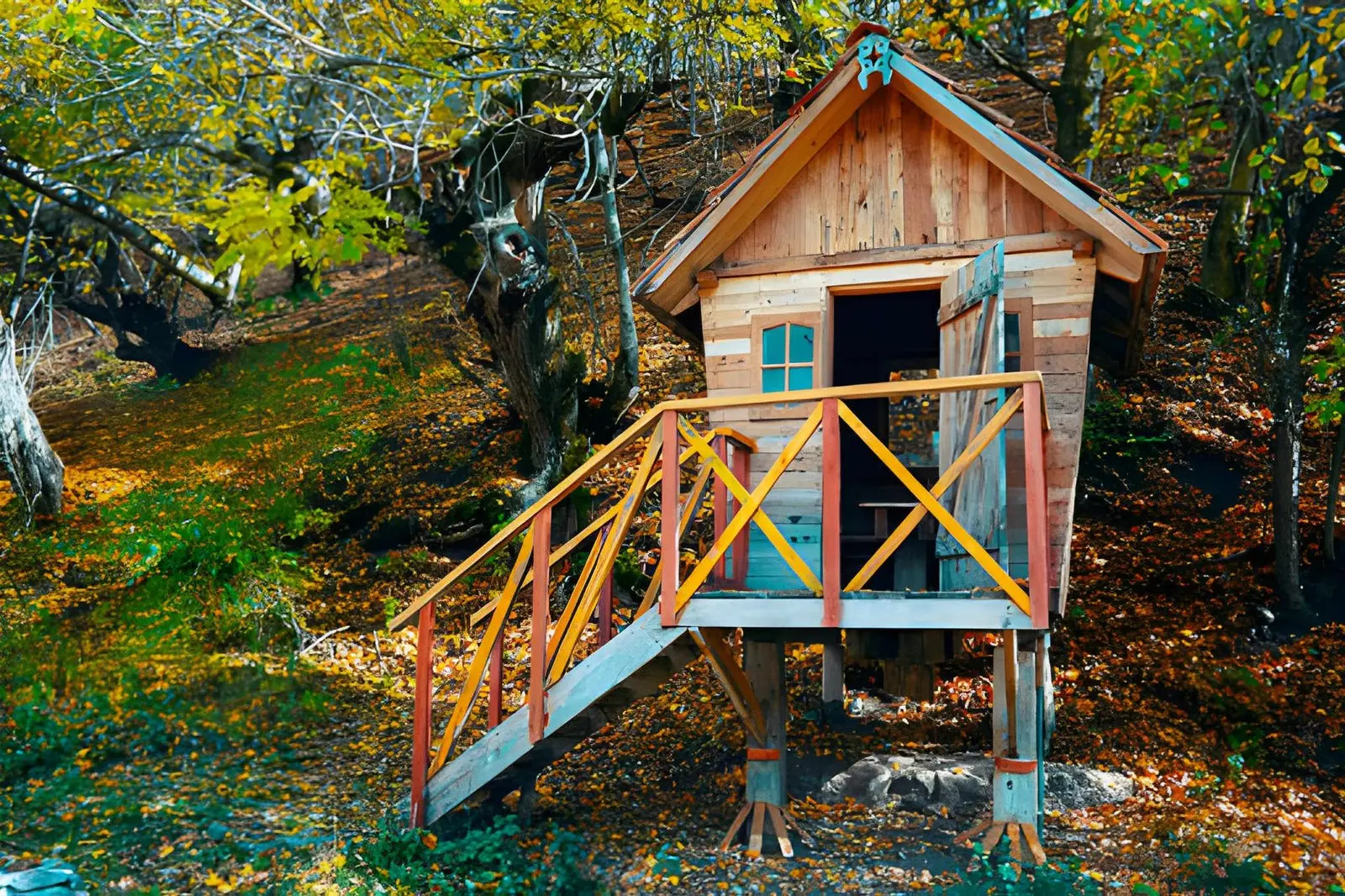
A tree house is a construction project, not a backyard decoration. It adds weight to a living structure, changes how your yard functions, and creates an elevated space where children gather. Treat it with the same seriousness as building a deck. The excitement should follow the planning, not replace it.
Start by evaluating whether your children are at the right stage. A raised platform works best for children who understand boundaries and can follow instructions consistently. Younger children may enjoy it visually but lack the coordination and judgment required for safe use. If you have multiple children of different ages, design around the youngest frequent user. Height and access decisions should reflect the least experienced climber, not the most adventurous one.
Next, consider how long the tree house will realistically be used. Children between six and twelve often use these spaces the most. Teenagers may lose interest unless the structure doubles as a quiet reading spot or private hangout. If you expect only a short window of use, keep the build simple and economical. If you see it as a long-term feature, invest in stronger materials and adaptable design.
Check your local regulations before drawing a plan. Some cities classify elevated platforms above a certain height as accessory structures. That can trigger permit requirements, setback rules, or inspection obligations. If your property falls under a homeowners association, review the guidelines. Height, visibility from the street, and proximity to property lines can all become issues. Resolving these questions early prevents costly corrections later.
Insurance deserves attention as well. Call your homeowner insurance provider and explain that you plan to build an elevated play structure attached to a tree. Ask directly whether liability coverage changes. Some insurers may require specific railing heights or structural standards. If neighborhood children will use it regularly, clarify how that affects your exposure.
Finally, assess your willingness to maintain it. Wood outdoors degrades without sealing. Hardware loosens. Trees grow. Annual inspection is not optional. If you are not prepared to inspect bolts, boards, and supports each year, the structure will slowly weaken. A well-built tree house can last many years, but only if it receives consistent care.
The Tree Comes First
The tree determines what is possible. It dictates height, footprint, weight limits, and long-term stability. Choosing the wrong tree creates problems that no amount of carpentry can solve.
Look for a mature, healthy hardwood with a strong central trunk. Species such as oak, maple, and beech often provide the strength needed for a stable platform. Avoid trees with visible rot, fungal growth, deep vertical cracks, large dead branches, or significant lean. Examine the trunk from base to canopy. Structural weakness at any point can compromise the entire build.
Measure trunk diameter at about chest height. For a single-tree platform, twelve inches is a practical minimum. Larger platforms require thicker trunks. Thin trunks cannot safely handle the combination of static weight and dynamic movement. Children rarely stand still. Their movement multiplies force on attachment points.
Inspect the root zone carefully. Exposed roots, eroded soil, or compacted ground reduce stability. If the tree grows in soft soil that shifts after heavy rain, reconsider. Stability begins below ground. Also check for nearby construction damage. Trenches or heavy equipment around the base may have weakened roots.
An arborist consultation adds confidence. A professional can identify internal decay not visible from the outside. They can also advise on species-specific growth patterns. Trees grow outward each year, and attachment hardware must account for that expansion.
Design with movement in mind. Trees sway in wind. They flex under load. Rigid framing that clamps tightly to the trunk may split boards or tear bolts loose. Use purpose-built tree attachment bolts designed to carry heavy loads while allowing controlled movement. Leave small gaps between the structure and bark where needed. Allow the tree to move independently rather than forcing it into a fixed position.
Designing for Children, Not Adults
Design decisions should reflect how children will actually use the space. Simplicity improves safety and longevity. Overcomplicated layouts increase cost, add weight, and introduce unnecessary failure points.
Start with platform size. A six-by-eight-foot deck provides enough room for several children without excessive weight. Expanding the platform significantly increases structural demands. Every additional square foot adds load that must be supported by the trunk or supplemental posts.
Railing height should never be an afterthought. For platforms above six feet, consider railings closer to forty-two inches high. Baluster spacing must remain under four inches to prevent head entrapment. Solid guard panels can provide additional protection for younger children.
Access design affects daily safety. Vertical ladders save space but demand coordination. Stairs with handrails provide easier ascent and descent, especially for younger users or visiting friends. If you include a climbing wall or rope ladder, treat it as secondary access rather than the primary route.
Roofing should protect without overloading. A simple sloped roof with lightweight materials sheds rain and reduces sun exposure. Heavy materials add stress to beams and attachment points. Design for ventilation to prevent heat buildup inside enclosed sections.
Interior layout should prioritize open space. Children need room to move more than they need built-in features. Avoid heavy benches or fixed storage units that concentrate weight. Keep the floor clear enough to allow safe movement even when several children are present.
Structural Fundamentals That Matter
Structural integrity determines whether the tree house remains safe after years of use. Cutting corners on framing or hardware introduces risk that may not be visible immediately.
Use pressure-treated lumber for beams and joists. This wood resists moisture and decay. For visible surfaces and trim, rot-resistant species such as cedar perform well. Floor joists should be spaced no more than sixteen inches apart. Wider spacing leads to flexing under load, which weakens connections over time.
Fasteners must resist corrosion. Choose galvanized or stainless steel bolts, screws, and brackets. Ordinary indoor hardware will rust outdoors and lose strength. Tree attachment bolts should carry load ratings appropriate for the expected weight. Do not substitute with undersized lag screws.
Diagonal bracing stabilizes the structure against lateral sway. Without bracing, the platform may shift side to side when children move. Install braces between beams and posts at strong angles. If the design includes ground-supported posts, set them in concrete footings below frost depth to prevent seasonal shifting.
Avoid over-tightening hardware embedded in the tree. Tight connections are important, but crushing wood fibers or restricting growth creates long-term problems. Tighten firmly, then monitor annually as the tree expands.
Sand exposed edges thoroughly. Remove splinters. Round corners where children may bump into framing. Finishing details reduce minor injuries that otherwise accumulate during daily use.
Safety as an Ongoing Practice
Safety continues long after construction ends. Schedule inspections at least once a year and after severe storms. Examine boards for cracks or softness. Check railings for looseness. Inspect bolts for rust or movement.
Pay attention to how the tree grows around hardware. Expansion can shift connection angles. If bark begins to envelop hardware significantly, consult an arborist before making adjustments. Never cut into the trunk to free hardware without professional advice.
Install ground cushioning beneath the structure. Wood chips, mulch, or rubber mats absorb impact better than grass. Depth matters. A shallow layer offers limited protection.
Establish clear usage rules. Limit the number of children allowed at once. Prohibit pushing near edges. Close access during lightning or high winds. Avoid electrical wiring unless installed by a licensed professional. Battery lighting reduces risk.
Keep maintenance tools stored securely away from children. A tree house attracts curiosity. Assume that visiting children will test boundaries and design safety measures accordingly.
Personalizing Without Increasing Risk
Children value ownership. Allowing them to participate in color choices or minor design details increases their connection to the space. Keep personalization lightweight and safe. Use exterior-grade paints or stains designed for weather exposure. Avoid interior paints that peel quickly outdoors.
Decorations should remain minimal and secure. Lightweight fabric banners or removable cushions are safer than heavy hanging objects. Some parents draw inspiration from compact seating arrangements like restaurant booths, but built-in heavy seating concentrates weight and reduces flexibility. A tree house benefits from open floor area that allows movement and rearrangement.
If adding shelves for books or small items, secure them firmly and distribute weight evenly. Avoid stacking heavy objects against one wall. Encourage children to help maintain cleanliness by sweeping debris and reporting loose boards. Responsibility reinforces safety awareness.
Weather and Seasonal Challenges
Outdoor structures endure constant exposure. Sunlight dries wood. Rain introduces moisture. Temperature swings expand and contract materials. Address these factors proactively.
Apply a water-resistant sealant annually or as needed based on climate. In humid regions, inspect for mold growth. In dry climates, check for cracking and splitting. Refinish surfaces before deterioration becomes structural.
In snowy regions, remove accumulated snow from the roof carefully to prevent overloading beams. Do not climb onto icy surfaces without proper equipment. Monitor for ice buildup on ladders or stairs and restrict access until cleared.
Watch for insect activity. Carpenter ants and termites weaken wood rapidly. Small holes, fine sawdust, or hollow sounds require immediate attention. Address infestations promptly before structural damage spreads.
Maintain proper drainage around the tree base. Avoid piling mulch directly against the trunk. Trapped moisture invites rot and fungal growth.
Budget Planning and Material Choices
A simple tree house can be built on a modest budget if kept straightforward. Costs rise with additional features such as stairs, roofing, and decorative elements. Allocate funds strategically.
Prioritize structural hardware and quality lumber. Saving money on bolts or beams creates long-term risk. Decorative features can be added later. Tools also represent part of the budget. If you lack certain equipment, consider renting rather than purchasing.
If you lack structural experience, consider hiring a carpenter to assist with framing and attachment points. Professional input at critical stages reduces the chance of costly mistakes.
Teaching Responsibility and Risk Awareness
A tree house offers more than entertainment. It becomes a place where children learn boundaries, cooperation, and self-regulation. Explain clearly how many children can use it at once. Discuss why pushing or leaning over railings creates danger.
Encourage children to report unusual movement or loose boards. Model safe climbing and careful use. Children observe adult behavior closely. If you ignore safety practices, they will too.
Use the tree house as an opportunity to teach basic maintenance. Show them how to check for splinters or sweep debris. When children understand how the structure works, they treat it with greater care.
Environmental Responsibility
Building around a living tree requires restraint. Limit the number of trunk penetrations to what is structurally necessary. Each bolt creates a wound that the tree must seal.
Avoid wrapping tight cables or ropes around the trunk for support. These can constrict growth and disrupt nutrient flow. Monitor bark condition near hardware annually. If you observe excessive stress or cracking, seek professional advice.
Design drainage to prevent water pooling near roots. Healthy soil supports long-term stability. The tree is not just a support beam. It is a living organism that requires ongoing care.
Adapting Over Time or Dismantling Safely
Children’s interests evolve. A structure that once served as a pirate ship may later become a quiet reading nook. Keep the design adaptable. Avoid permanent features that lock the space into one stage of childhood.
When use declines or the tree’s health changes, dismantle the structure carefully. Remove hardware slowly rather than prying it loose. Protect the bark during removal. Fill small holes if recommended by an arborist.
Ending the life of a tree house responsibly matters as much as building it correctly. Safe removal protects both the tree and the yard.
A tree house built with discipline, respect for the tree, and attention to safety becomes more than a platform in branches. It becomes a controlled environment where children develop independence while remaining protected. Treat the project as serious construction. Plan carefully, build conservatively, inspect regularly, and adapt as needed. With consistent care, the structure can remain stable, safe, and meaningful for many years.
Also Read-Making Eye Exams Smoother With Better Tech
