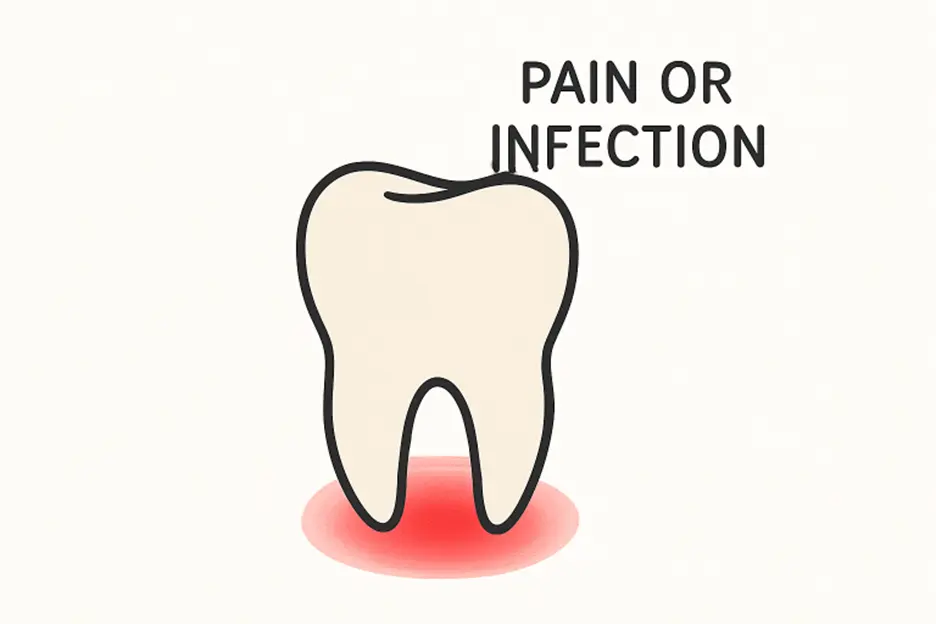
Good oral health is a cornerstone of overall well-being, but there are times when removing a tooth becomes the best option for protecting your smile. Early detection of conditions that call for a tooth extraction is critical for making informed choices about your dental care. If you are uncertain about whether you need a simple or molar extraction, knowing the signs and symptoms can help you take charge of your dental health before complications arise.
While common dental treatments can often save teeth, some situations require more decisive action. By recognizing the warning signs, you can prevent further pain or infection and safeguard your oral health. For many patients, regularly scheduled dental appointments serve as the first line of defense against escalating problems.
Understanding when extraction becomes necessary can help relieve anxiety and enable timely intervention. If discomfort persists or your dentist identifies an issue during a routine checkup, immediate action might help you avoid future complications and support long-term dental stability.
Persistent Tooth Pain and Sensitivity
Tooth pain that lingers or worsens when eating or drinking, particularly with hot, cold, or sweet foods, might be more than a minor inconvenience. This kind of discomfort can sometimes signal that severe decay or infection has penetrated deeper layers of the tooth. When less invasive treatments like fillings, crowns, or root canals fail to resolve the problem, the only solution may be extraction. Dentists at Champaign Dental emphasize that prompt assessment is essential to prevent more serious dental and health issues. According to the American Dental Association, untreated dental pain should never be ignored, as it can be a sign of a more serious underlying issue.
Severe Tooth Decay or Damage
Extensive decay or trauma can sometimes destroy a tooth beyond what restorative dentistry can repair. In these situations, extraction prevents infection from spreading to the surrounding teeth and gums. If restorations like crowns or bonding cannot restore function or aesthetics, removal helps maintain the health of adjacent teeth and the supporting bone. Large cavities that compromise tooth structure, untreated fractures, or failed dental treatments are common scenarios that require removal.
Advanced Gum Disease
Gum disease (periodontal disease) is a leading cause of tooth loss among adults. If left untreated, it can erode the supporting tissues and bone, causing teeth to become loose or shift out of position. Advanced gum disease may result in gum recession, deep pockets, and chronic infection, all of which undermine the stability of affected teeth. When tooth mobility becomes severe, extraction is often recommended to restore oral health and prevent further loss. Resources from the American Dental Association provide additional insight into the importance of treating gum disease early.
Impacted or Overcrowded Teeth
Some teeth, such as wisdom teeth, can become impacted when there is not enough room in the jaw for them to fully emerge. Impacted teeth may grow at uncomfortable angles, press against other teeth, or remain trapped beneath the gumline, leading to pain, infection, or misalignment. Overcrowded teeth also pose challenges for oral hygiene, as overlapping teeth can trap food and bacteria, raising the risk of decay and gum disease. An extraction can create space and improve bite alignment, making future orthodontic treatment more successful and reducing the chances of future oral health complications.
Infection or Abscess
Untreated tooth infections or abscesses can quickly evolve into serious health concerns, including facial swelling and systemic infection. If antibiotics or root canal therapy cannot resolve the infection, extracting the affected tooth may be the safest option. Timely removal prevents the infection from spreading into the jaw, sinuses, or bloodstream. The Mayo Clinic underscores the importance of prompt action when dental infections do not respond to initial treatments, as complications can become life-threatening.
Consulting with Your Dentist
Regular dental check-ups are crucial for early detection of dental problems. These visits allow your dentist to spot signs of decay, gum disease, or misalignment before symptoms become severe. If you experience any of the indicators described, schedule an evaluation as soon as possible. A professional assessment ensures you receive the most appropriate treatment and helps you weigh the risks and benefits of extraction versus alternative therapies.
Preventive Measures
The best way to reduce the likelihood of needing a tooth extraction is to prioritize prevention. Brush and floss daily, avoid tobacco products, maintain a balanced diet, and visit your dentist for regular cleanings and exams. Early intervention not only preserves your natural teeth but also reduces the need for more involved and costly dental procedures in the future. According to the Cleveland Clinic, preventive dental care is fundamental for long-term oral and overall health.
Final Thoughts
Recognizing when a tooth extraction is necessary can make a significant difference in your long-term oral health. By understanding the warning signs, practicing diligent preventive care, and consulting with your dental provider, you can safeguard both your smile and your overall well-being.
Also Read
- Making Eye Exams Smoother With Better Tech
- Create AI Videos With Joi Video Maker: Prompts, Formats, and Tips
- Mastering Extraction Runs in ARC Raiders Without Losing Rare Gear
