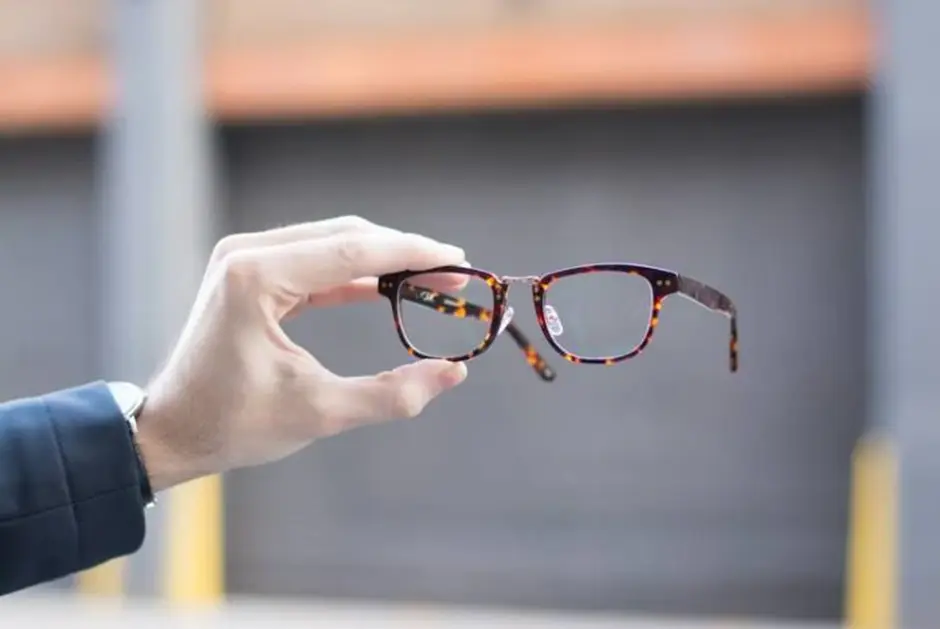
When it comes to improving your vision, the options available today are more diverse than ever. Two of the most common choices are progressive glasses and standard prescription glasses. While both aim to correct vision problems, they serve slightly different purposes and are suited for different lifestyles. Understanding the distinctions, advantages, and limitations of each can help you make an informed decision and ensure your eyes remain comfortable and healthy for years to come.
Understanding Prescription Glasses
At its core, prescription glasses are lenses designed to correct refractive errors in your eyes, such as nearsightedness, farsightedness, or astigmatism. They are customized according to the specifics of your eye exam and are usually divided into three main types:
- Single Vision Lenses – These lenses have a uniform prescription throughout the lens, addressing one specific vision need. They are perfect for those who need either near or distance correction but not both.
- Bifocal Lenses – Bifocals combine two different prescriptions in a single lens. Typically, the upper portion is for distance vision, and the lower portion is for near tasks such as reading
- Trifocal Lenses – These are less common today but provide three zones for distance, intermediate, and near vision, making them suitable for people who need comprehensive vision correction
Prescription glasses are often straightforward, cost-effective, and widely available. They are particularly suitable for people with a single, specific vision problem or those who prefer a simpler lens design. Traditional prescription glasses are generally easier to adapt to, as your eyes are only adjusting to one focal point at a time.
Understanding Progressive Glasses
Progressive Glasses are a type of prescription glasses but with a significant difference: they offer a smooth transition between multiple focal lengths. Unlike bifocals or trifocals, progressive lenses do not have visible lines separating the different prescriptions. Instead, the lenses gradually change power from the top to the bottom, allowing you to see clearly at all distances – from faraway objects to close reading material.
Progressive lenses are often recommended for people over 40 who are experiencing presbyopia, a natural age-related decline in near vision. They allow you to:
- Read a book or smartphone comfortably
- Work on a computer without needing separate reading glasses
- See distant objects clearly, such as when driving or watching television
The seamless design also offers aesthetic advantages, as there are no lines on the lenses, giving them the appearance of single vision glasses.
Advantages of Progressive Glasses
There are several reasons why progressive glasses have become increasingly popular:
- All-in-One Solution – With one pair of glasses, you can see clearly at any distance, eliminating the need for multiple pairs of glasses.
- Aesthetics – Unlike bifocals or trifocals, progressives have no visible lines, making them more stylish and natural-looking.
- Smooth Transition – The gradual change in lens power reduces abrupt shifts in vision, offering a more comfortable visual experience.
- Modern Features – Many progressive lenses come with advanced coatings, such as anti-reflective, blue light protection, and scratch-resistant options, enhancing both functionality and comfort.
Drawbacks of Progressive Glasses
Despite their benefits, progressive glasses may not be ideal for everyone:
- Adaptation Period – It can take days or even weeks to adjust to the new lenses. Some people experience dizziness or distorted vision initially.
- Higher Cost – Progressive lenses are usually more expensive than single-vision or bifocal lenses.
- Peripheral Distortion – Because of the way the lens transitions, there may be slight blurring at the edges of your vision.
Advantages of Standard Prescription Glasses
Traditional prescription glasses are often preferred for their simplicity and predictability:
- Cost-Effective – Single vision or basic bifocal lenses are less expensive than progressive lenses.
- Quick Adaptation – With clear focal zones, your eyes quickly adjust without the need for a transition period.
- Variety – They can be fitted into almost any frame style and can accommodate complex prescriptions easily.
- Durability – Fewer lens zones mean less likelihood of distortion or strain over time.
Making the Right Choice
Choosing between progressive and standard prescription glasses depends on several factors:
1. Your Vision Needs
- If you only need correction for distance or reading, single vision lenses are usually sufficient.
- If you require correction for both near and far distances, progressive lenses may provide a more convenient solution than switching between multiple glasses.
2. Lifestyle Considerations
- People who frequently switch between activities like reading, computer work, and driving may benefit from progressive lenses.
- For tasks requiring a single focal length, such as computer work or distance driving, standard prescription glasses may be more practical.
3. Budget
- Progressive lenses come at a premium, so if cost is a concern, bifocal or single vision lenses may be a better fit.
- Consider your long-term investment; one pair of progressive glasses may reduce the need for multiple glasses, potentially offsetting the higher initial cost.
4. Adaptability
- Some individuals struggle with the adaptation period required for progressive lenses. If you are sensitive to changes in vision or prone to motion sickness, standard prescription glasses may be easier to handle.
Conclusion
Both progressive and standard prescription glasses serve the essential purpose of correcting vision, but they do so in ways tailored to different needs and lifestyles. Progressive glasses offer a versatile, modern solution for those who want clear vision at every distance without the need for multiple glasses. On the other hand, traditional prescription glasses are cost-effective, easy to adapt to, and ideal for focused tasks or simpler vision requirements.
Ultimately, the best choice depends on your vision prescription, lifestyle, and budget. Consulting with an eye care professional can provide personalized guidance, ensuring you select the lenses that not only improve your sight but also enhance comfort and quality of life. Investing in the right pair of glasses is more than just about vision—it’s about seeing the world clearly and comfortably, every single day.
Also read
- 🤔 Loosing or Losing: Which One Is Correct? A Complete Guide for Writers and Learners
- Review: Is SocialWick the Best Store for Multi-Platform Influence?
- Bridging Finance & Short-Term Property Loans — When and Why Businesses Use Them
