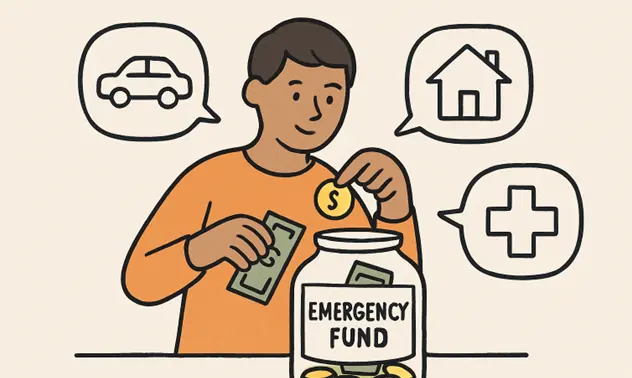
Understanding the Impact of Unexpected Expenses
Life is unpredictable, and financial surprises can strike at any moment—car repairs, sudden medical bills, or home maintenance emergencies often arrive without warning. According to a recent study, more than 53% of Americans feel unprepared to handle unexpected costs. In fact, these unplanned expenses are one of the leading causes of financial stress nationwide. For those facing immediate financial difficulties, exploring lending options like MaxLend loans can provide the short-term relief needed to bridge the gap.
The psychological toll of financial uncertainty shouldn’t be underestimated, as ongoing stress about money can impact both mental and physical well-being. Taking proactive steps to build a safety net can help reduce this anxiety, providing both financial and emotional stability during challenging times.
Building a Robust Emergency Fund
Establishing a dedicated emergency fund is the foundation of any resilient financial plan. Financial experts, including those at the Federal Reserve, suggest setting aside three to six months’ worth of living expenses in a separate, easily accessible account. Resources from Investopedia highlight practical ways to start small and make consistent contributions, making it easier to build this safety net over time. This buffer can help absorb shocks from job loss, medical emergencies, or vehicle breakdowns without forcing you into debt. Even contributions as little as $20 a week can add up and increase your confidence in handling unexpected expenses.
Crafting a Flexible Budget
A flexible budget is crucial for adapting to life’s uncertainties. Begin with a clear overview of your monthly income, and categorize expenses as fixed (e.g., rent or mortgage) and variable (e.g., groceries or gas). Allocate a portion of your budget to cover irregular expenses such as home repairs, car maintenance, or medical copays. By assigning even a small percentage of your income each month for these sporadic costs, you’ll be better prepared when the inevitable happens, rather than scrambling for solutions.
Exploring Insurance Options
Adequate insurance is another key layer of financial defense against unexpected adversity. Health, auto, renters, and homeowners insurance can all reduce out-of-pocket costs in the event of an emergency. Review your policies regularly to ensure they align with your evolving needs, and update coverage as your circumstances change. Comparing quotes and coverage annually can also ensure you’re not overpaying or underinsured, further securing your peace of mind.
Utilizing Cash Loans Responsibly
When immediate funds are necessary, cash loans can be a viable short-term solution, especially if your emergency fund falls short or if rapid repairs are needed. Before committing to any cash loan, it’s vital to understand the interest rates, fees, and repayment terms. For convenience, you can apply online for a MaxLend loan, which streamlines the process and provides quick access to funds when time is critical. Choose reputable lenders and assess your ability to repay the loan on schedule. Responsible use of cash loans may bridge temporary cash flow gaps without derailing your financial goals. Remember, these products should supplement, not replace, your long-term financial planning.
Leveraging Credit Wisely
Credit cards are another tool for managing spur-of-the-moment expenses. When used prudently, they offer flexibility and convenient access to funds. However, the key is to avoid carrying high-interest balances for extended periods. Develop a clear repayment strategy—ideally paying off the balance in full each month—to ensure these tools work for you, not against you. Avoid using credit to fund non-essential spending, as this can quickly snowball into unmanageable debt.
Seeking Professional Financial Advice
Financial advisors bring valuable expertise, offering tailored recommendations based on your unique circumstances and goals. They can help you prioritize savings, optimize insurance coverage, structure debt repayment, and explore investment opportunities. If you’re faced with a complex financial situation or feel overwhelmed by multiple options, seeking professional assistance can bring clarity and peace of mind.
Conclusion
While unexpected expenses are an inevitable part of life, they don’t have to spell disaster. By building an emergency fund, establishing a flexible budget, keeping insurance up to date, and responsibly using tools like cash loans and credit, you can face surprises with confidence. For more complex questions or tailored planning, a financial advisor is always a wise investment. Proactive financial habits today can help secure your financial well-being for whatever tomorrow brings.
Also Read-What Playtech Slot Has The Biggest Hit Frequency?
