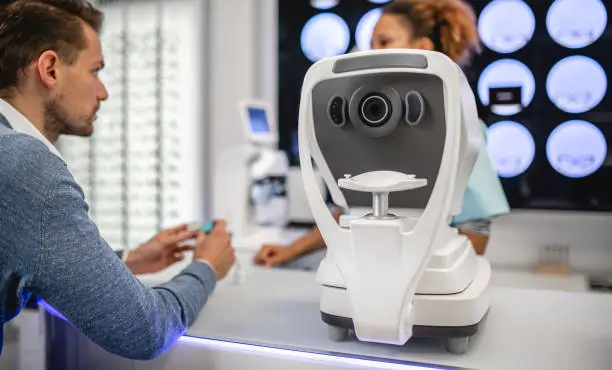
Eye care practices are constantly evolving to meet patient needs more efficiently. In eye exams, where precision and speed are essential, one of the biggest improvements has been the implementation of ophthalmology EMR software. These digital tools, designed specifically for eye care specialists, streamline the entire patient journey—from check-in to prescription—making it faster, smoother, and more accurate.
Why Traditional Eye Exams Often Slow Things Down
Many eye care clinics still rely on outdated workflows to manage records, despite advancements in technology. Paper charts, scattered files, or generic electronic systems not designed for eye care can significantly slow operations. When staff spend extra time locating patient histories, verifying lens prescriptions, or deciphering handwritten notes, appointments become longer and less organized. This increases the risk of errors and wastes valuable time that could be spent on patient care.
What Makes Ophthalmology EMR Software Different?
Unlike standard electronic medical records, ophthalmology EMR software is specifically designed to meet the needs of eye care professionals. It features specialized templates, exam tools, and data fields for ophthalmic diagnostics, refraction, visual acuity, intraocular pressure, and more. This customization allows providers to document findings quickly, access past records instantly, and create accurate prescriptions without switching between systems. By streamlining these processes, the software enables clinics to focus more on patient care and less on administrative tasks.
Improving the Patient Flow
Ophthalmology EMR software significantly improves clinic efficiency. Patients can check in faster, complete forms online, and spend less time waiting. Providers can easily access records, review test results, and compare current data with past exams in just a few clicks. This streamlined process not only reduces wait times but also enhances care quality. With less time spent on paperwork, providers can focus fully on their patients, leaving a positive and lasting impression.
Enhancing Diagnostic Accuracy
Ophthalmic conditions are often diagnosed by tracking small data points and subtle changes over time. An EMR system designed for ophthalmology simplifies this process by storing charts, images, and test results in one location. Providers can review retinal scans, visual field tests, and prescription histories side-by-side, which improves diagnostic accuracy and makes follow-up care more precise. These insights are vital for managing chronic conditions like glaucoma or diabetic retinopathy. Better data leads to better decisions, resulting in improved patient outcomes and greater confidence in the care provided.
Supporting Seamless Communication
In many practices, patient care extends beyond the ophthalmologist to include optometrists, technicians, and surgical specialists. An EMR system simplifies care coordination by giving all providers access to the same real-time data. Ophthalmology EMR software integrates secure messaging, referral tracking, and shared documentation into a single platform, eliminating the need for faxes or emails. This ensures everyone involved in a patient’s care remains informed and aligned. This coordinated approach also benefits patients, who are more likely to follow recommendations and return for future visits when they feel their care is well-managed.
Saving Time for Staff and Providers
Clinics often face high patient volumes and heavy administrative workloads. Ophthalmology EMR software helps reduce this pressure by automating time-consuming tasks like appointment reminders, billing, and documentation. Features such as one-click coding, pre-built templates, and drag-and-drop image uploads allow staff to spend less time on paperwork and more on patient support. This efficiency can lead to higher job satisfaction and reduced burnout. Faster workflows also enable clinics to see more patients without sacrificing care quality, ultimately improving both revenue and reputation.
Staying Compliant and Secure
Healthcare regulations require secure storage and handling of patient data, and ophthalmology EMR software helps clinics comply. These systems include safeguards like data encryption, user access controls, and automatic backups. A secure, cloud-based platform also protects records from data loss and ensures they are accessible during emergencies or audits, providing peace of mind for both the clinic and its patients.
Conclusion
As patient expectations rise and technology advances, clinics must adapt. Investing in specialized tools like ophthalmology EMR software ensures a practice not only meets today’s standards but is also prepared for the future. Patients value speed, accuracy, and convenience. Clinics that provide a modern experience from start to finish will stand out in a competitive healthcare landscape.
Read more: Is Your Home Leaking Money? How to Spot Hidden Inefficiencies
Common Childhood Oral Health Issues Every Parent Should Know
Dry and Drained: Understanding the Effects of Dehydration
