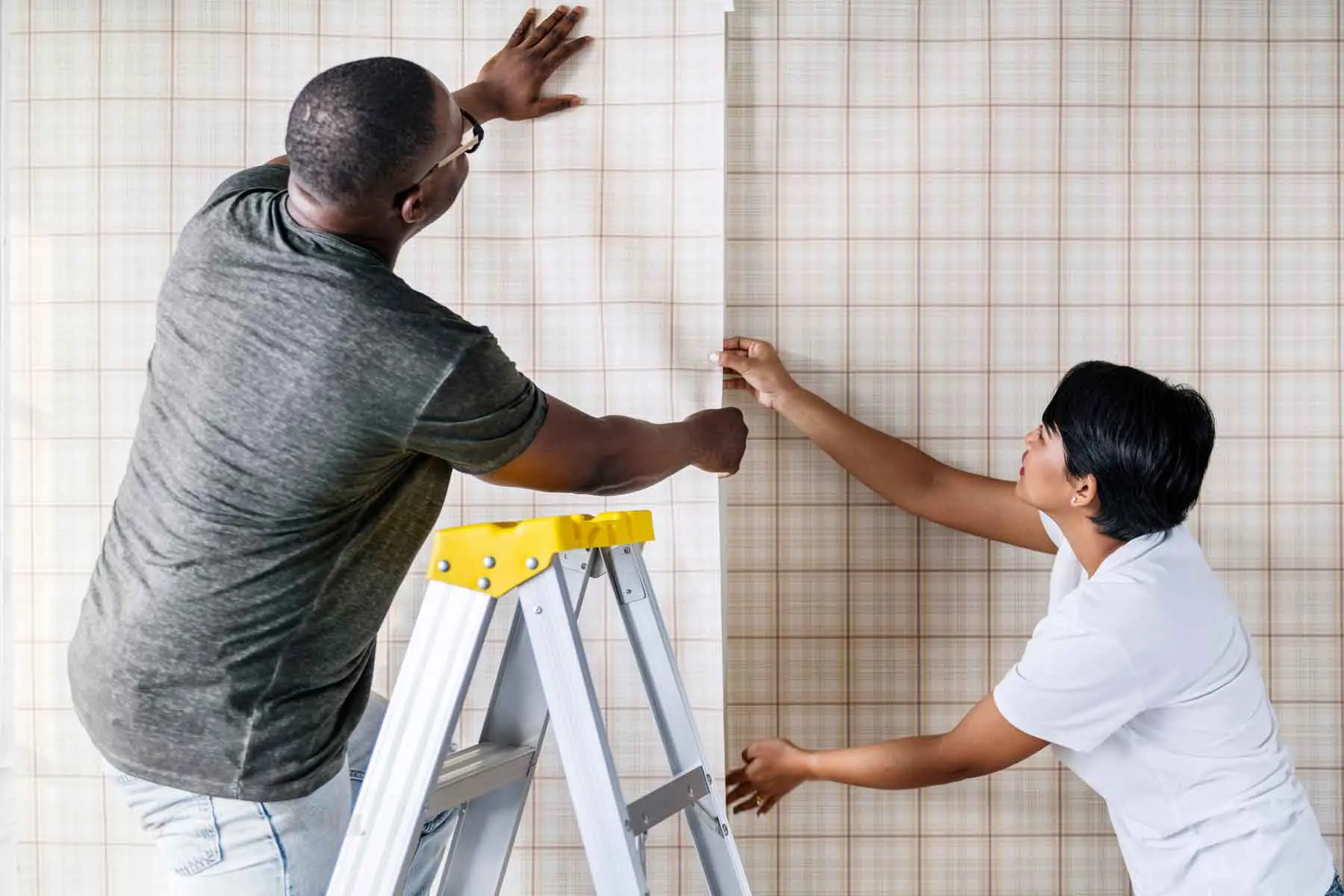
In Los Angeles, walls are rarely “just walls.” They’re backdrops for sunlight, art, and a lifestyle that leans bold one day and minimal the next. Wallpaper fits that energy perfectly, but only when the finish looks intentional—clean seams, straight pattern flow, and corners that don’t telegraph every tiny mistake.
If you’re searching for a wallpaper installer in Los Angeles, you’re probably balancing design ambition with real-life constraints: time, pets, kids, furniture, and the simple fact that LA homes can vary wildly from older plaster to crisp new drywall. The good news is that experienced local wallpaper installers know how to steer a project from “inspiration photo” to a wall that actually holds up in daily living.
This guide walks through what you should expect from local pros, how to spot the right team, and which details matter most when the job gets technical.
Wallpaper Installation in Los Angeles: What to Expect From Local Pros
A professional job starts before any paste hits the wall. A strong installer will look at the surface, the paint type, the wall texture, and the room conditions, because the best wallpaper in the world won’t hide uneven patches or flaking paint. In LA, that range is wide: a Spanish-style home with older walls behaves differently than a modern condo with brand-new drywall and sharp corners.
Expect an honest conversation about the wallpaper itself. Some materials are forgiving. Others punish even a one-millimeter drift. Pros typically plan the layout so the most visible focal wall reads perfectly, and they choose the starting point based on sightlines—not just the nearest corner.
Choosing a Wallpaper Installer: Signs You’re Hiring the Right Team
The easiest way to judge a wallpaper team is to notice what they ask you. If the questions are specific, the work usually is too. A serious wallpaper installer in Los Angeles will want to know what’s currently on your walls, whether there’s been prior wallpaper, how smooth the surface is, and where the wallpaper will meet trim, tile, or cabinetry. Those details decide the outcome.
Before you commit, it helps to listen for practical, verifiable signals. Here are a few indicators that you’re dealing with skilled local wallpaper installers rather than someone guessing their way through your project:
- They explain how they’ll protect floors, furniture, and outlets—and they mention power shutdown for safe plate removal.
- They talk about wall prep as a separate step, not a “quick wipe-down.”
- They ask for the wallpaper brand/material and confirm whether it’s pre-pasted, paste-the-wall, or unpasted.
- They discuss pattern matching and where seams will land, especially on focal walls.
- They provide clear timing: prep day vs installation day, plus realistic dry times.
None of this is flashy, and that’s the point. When a crew is comfortable with the unglamorous parts—prep, layout, protection—the finished wall usually looks effortless. That “effortless” look is never an accident.
Local Wallpaper Contractors vs. Solo Hanger: Who Fits Your Project?
Both can be excellent. The right choice depends on your space, schedule, and complexity. A solo hanger can be a great fit for a straightforward room with easy access, consistent wall conditions, and a wallpaper that doesn’t require intense pattern alignment.
Contractors, on the other hand, tend to shine when the project has moving parts. Think tall stairwells, multiple rooms, commercial spaces, or a tight timeline that can’t stretch. A contractor team can also coordinate prep, repairs, and installation with fewer gaps, which matters if you’re trying to finish before furniture delivery or a grand opening.
In Los Angeles specifically, logistics matter more than people expect. Parking, elevator reservations, building rules, and limited staging space can slow a job down. A well-run crew usually has a plan for those realities, and that alone can be worth it.
Wallpapering Prep: Walls, Measurements, and Material Planning
Wallpapering is a finish trade, which means it exposes everything underneath. If the wall has dents, rough patches, or uneven sheen, the wallpaper will highlight it—especially under LA’s bright daylight. The best installs often look “easy” because prep was handled with patience.
Measurement is another point where projects quietly go off the rails. Pros measure with the pattern repeat in mind, not just the square footage. A bold print with a large repeat can require extra material, even in a small room, because each drop has to align and waste is unavoidable when you want perfect continuity.
Material planning includes more than ordering enough rolls. It also means checking dye lots, inspecting edges, and making sure the wallpaper has acclimated properly to the room conditions. Small steps, big difference.
Installation Details Pros Don’t Skip: Seams, Corners, Outlets, Patterns
This is where quality becomes visible. Seams should feel tight without being overworked, because aggressive smoothing can stretch the material and create shrinkage gaps later. Corners are treated carefully too. A true professional rarely “wraps” wallpaper deep around an inside corner without strategy, since most walls aren’t perfectly square and the pattern can drift.
Outlets and switches are another giveaway. Clean cut lines, plates that sit flush, and pattern continuity around them take time. Pros remove plates, handle edges neatly, and avoid sloppy trimming that leaves tiny tears or jagged cuts.
When patterns are involved, the job becomes part math and part craftsmanship. The installer tracks the repeat, anticipates where alignment will be most noticeable, and uses the room’s focal points to guide decisions. If you want a wall that photographs well and still looks good when you’re standing two feet away, these details are non-negotiable.
If you’re comparing estimates and you want to understand why one price is higher, ask where the time goes. These are the steps that usually separate a quick install from a lasting one:
- Precise layout so the pattern lands where the eye naturally rests.
- Corner handling that keeps lines straight without forcing the material.
- Careful seam work that avoids lift, bubbles, and future shrink gaps.
- Clean outlet and trim cuts that look sharp even up close.
When these elements are done well, the room feels calmer. The wallpaper reads as architecture, not as a sticker on the wall. And if you ever decide to sell or remodel later, that level of finish holds its value.
Final Thoughts: When a Pro Wallpaper Hanger Makes the Biggest Difference
A pro wallpaper hanger matters most when the room has challenges: high ceilings, tricky corners, expensive wallcoverings, or a pattern that can’t be “eyeballed.” It also matters when you don’t have spare time to redo a mistake, because wallpaper is one of those projects where the second attempt often costs more than the first done properly.
If your goal is a wall that looks crisp in daylight and flawless at night, prioritize skill over speed. The right wallpaper installer in Los Angeles brings structure to the process, and experienced local wallpaper installers will protect your space, plan the layout, and deliver a finish that looks like it belongs in the room—because it does.
Also Read
- Review: Is SocialWick the Best Store for Multi-Platform Influence?
- Bridging Finance & Short-Term Property Loans — When and Why Businesses Use Them
- 8 Reasons Quality Matters in Ground Movement Equipment
