Maintaining your roof’s health is crucial to your home’s safety, comfort, and value. The roof is your property’s main line of defense against weather and environmental challenges, and even seemingly minor roofing issues can quietly develop into major, expensive repairs if left unnoticed. With a little regular attention, roof monitoring doesn’t have to be complicated or time-consuming. With practical know-how and regular observation, you can catch subtle warning signs before they escalate into emergencies and know when it’s a good time to consider options like metal roof replacement Kansas City for greater, lasting protection. Proactive care can dramatically extend your roof’s lifespan while saving money in the long term.
The sooner you identify and address roof damage, the more stress and money you’ll save in the long run. Damage that is overlooked can cause problems not just for the roof itself, but for your entire home leading to water intrusion, mold, ruined insulation, and expensive structural damage. From visual inspections to understanding the impact of seasonal weather, this guide will walk you through key steps to spot and prevent roof problems, helping ensure your home is always protected from the elements.
Conduct a Visual Inspection
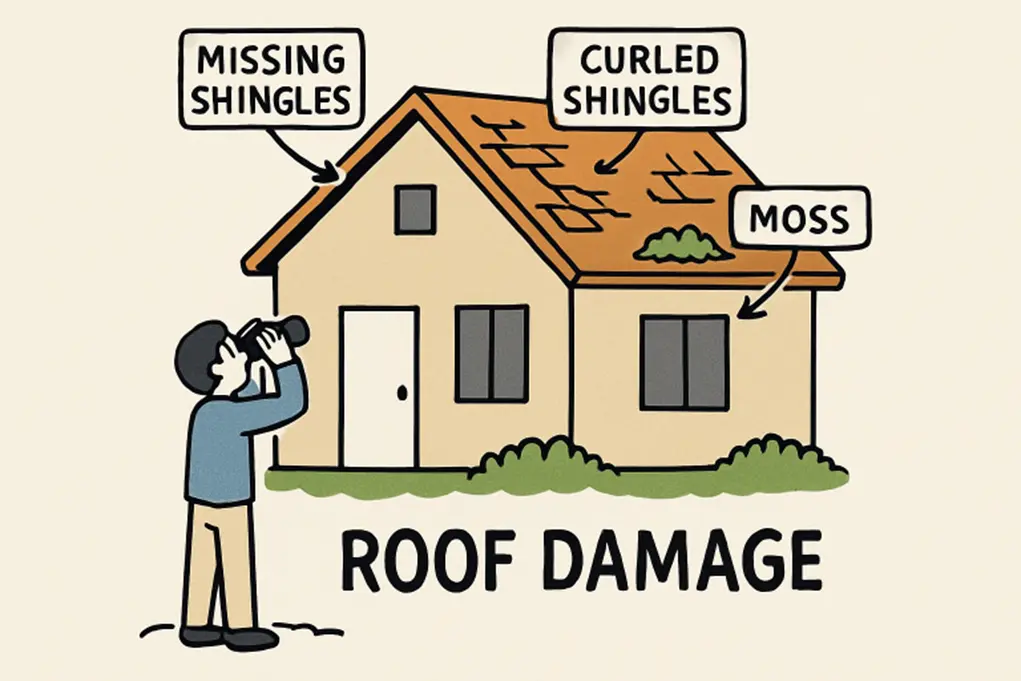
Begin your roof maintenance with a simple ground-level inspection. Walk around the outside of your house and look up, using binoculars or a camera’s zoom lens to get a closer view if needed. Examine the roof for visible problems such as missing or damaged shingles, cracked or curled edges, or granule loss that can leave bare spots. Any patchiness or uneven appearance warrants further investigation, as it may indicate shingles are becoming detached or weakened. Sagging sections or areas that appear darker than the rest may point to water retention, developing rot, or potential structural weakness, all of which warrant more immediate attention. According to Consumer Reports, these early warning signs are frequent precursors to serious leaks and major failures that can affect the entire home.
Don’t overlook the small stuff minor debris or plant growth can signal that water is being trapped in certain areas. Look out for signs of moss or mold, especially in shaded or damp spots, since these organic growths can trap moisture and degrade underlying roofing materials over time. After significant weather events such as heavy storms, high winds, or hail, schedule another inspection, as severe weather can accelerate roof deterioration and easily dislodge shingles or flashing. It’s also wise to periodically check flashing and joints from ground level, since these are critical leak points.
Look for Interior Signs of Damage
Much of roof damage reveals itself inside your home first, sometimes long before you see any obvious exterior problems. Water stains on your ceiling or running down the walls, often seen as discolored patches or streaks, are classic indicators of a leaky roof. These stains can appear after heavy rainfall or persistent wet weather and are a clear sign that water is seeping past the roof’s barriers. Bubbling or peeling paint, sagging drywall, or warping near the tops of your walls can also indicate moisture intrusion, sometimes caused by subtle roof leaks that go unnoticed for months.
Pay close attention to musty, unpleasant odors in rooms directly beneath the roof or upper stories of your home, especially after rain. Persistent dampness fosters the growth of mold and mildew, which can spread quickly, threatening indoor air quality and creating a cascade of health and structural risks. If you notice new stains, soft spots, or peeling, it’s a good idea to trace them upward toward the probable entry point of water it may be further up the roof slope than the stain itself. If left untreated, these issues don’t just damage interior finishes but can eventually undermine insulation and framing as well.
Check the Attic
The attic is often the first interior part of your house to show roof trouble, sometimes even before you notice any symptoms elsewhere. Bring a strong flashlight and look carefully for wet insulation or damp spots on structural timbers, which could indicate the roof leaks only during rain. Dark, moldy, or musty patches are warning signs, and the presence of rotting or warped wood is a clear red flag that roof water is entering. If you see daylight shining through the roof boards or around penetrations like vents or chimneys, it’s a sign of gaps or missing shingles that need to be fixed right away. Unusual drafts or temperature fluctuations in the attic hot in summer, cold in winter may also indicate an underlying ventilation problem linked to roof wear. Ensuring a dry, healthy attic is a cornerstone of preventative roof maintenance, according to Family Handyman. Proper attic ventilation and insulation not only prolong the life of your roof but also can keep your energy costs in check.
Inspect Flashing and Roof Penetrations
Flashing is the thin metal sheeting installed to seal the areas around chimneys, vents, skylights, and other roof penetrations. These are among the most common and vulnerable locations for leaks to develop, as they disrupt the roof surface’s continuity. Inspect these junctions closely for bends or warping, rust, or old sealant that may have become brittle or dislodged. Cracks, corrosion, or missing or peeling sealants are red flags if left unchecked; even a tiny separation can let water seep beneath the shingles, possibly rotting out roof decking or attic supports. Damaged flashing not only leads to leaks but can also compromise your home’s energy performance by allowing drafts or pests inside.
Maintain Gutters and Downspouts
Gutters play an important but often overlooked role: they’re designed to channel water off your roof and safely away from the home’s foundation. When gutters become clogged or damaged, water can back up under your roof’s edge or spill to the ground, potentially causing both roofing and foundation problems. Regularly clear gutters and downspouts of leaves, twigs, granules, and other debris (especially following storms or the autumn leaf drop). Inspect for any signs of sagging, disconnected sections, or rust. Confirm that downspouts are firmly attached and divert water several feet away from your home’s foundation to prevent soil erosion or basement flooding. Gutter guards or screens may help reduce clogging in heavily wooded areas, ensuring year-round water flow and reducing your maintenance workload.
Schedule Seasonal Inspections
Many types of roof damage are closely tied to weather changes and the stress that comes with seasonal cycles. Extreme heat and cold cause expansion and contraction in roofing materials, while ice dams and accumulated snow can put additional stress on older roofs, accelerating wear. Plan to inspect your roof at the end of winter—looking for ice damage, leaks, or missing shingles and again after summer’s peak to spot issues such as cracked shingles, exposed nail heads, or heat-induced warping. Fall is a good time for a general inspection and gutter cleaning, preparing your roof to handle winter’s rain, snow, or wind. Following hail or severe storms, even if you don’t see immediate problems, a thorough inspection can reveal hidden damage you might otherwise miss. Seasonal vigilance is one of the best ways to catch issues before they develop into emergencies.
Seek Professional Assessments
DIY roof inspections are helpful and recommended for ongoing maintenance, but the untrained eye may miss some issues. A trained roofing professional can identify less obvious problems, assess the overall state of the roofing structure, and recommend detailed preventive measures tailored to your roof’s specific construction, age, and exposure. They can also safely check steep or inaccessible areas you might not be able to reach. Annual or biannual professional assessments provide peace of mind by catching problems you might overlook and validating the effectiveness of your ongoing maintenance. Most pros offer detailed reports, including photos, which can be useful when filing an insurance claim or tracking your roof’s health over time. Investing in professional inspections helps avoid costly surprises and can extend your roof’s service life.
Conclusion
Regular, proactive roof inspections prevent minor issues from growing into major headaches. By recognizing the warning signs both inside and out you can safeguard your investment, keep your home safe and comfortable, and avoid expensive, disruptive repairs. Make roof maintenance a routine part of your home-care schedule, and don’t hesitate to use professional services when needed. Implementing these practices ensures your roof’s longevity and reliability, and you’ll be well positioned to make informed decisions about repairs or upgrades as needed.
Also Read-Marketing for Business Growth
