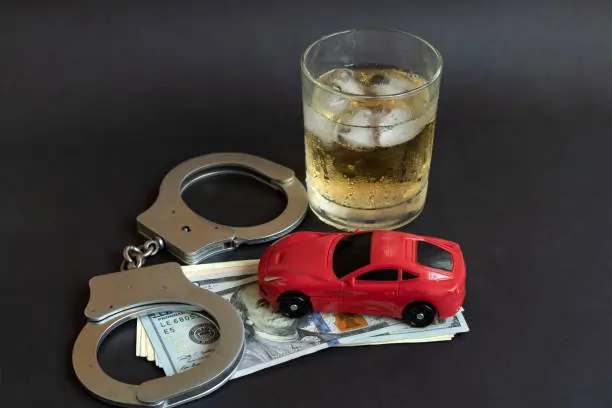
Being involved in a collision with a drunk driver is a traumatic experience. Beyond the immediate shock and potential for serious physical harm, victims are left to navigate a complex and often overwhelming aftermath. This includes dealing with medical treatments, vehicle repairs, and emotional distress. Understanding your rights and the steps to take is crucial for securing the financial compensation necessary to cover these damages and begin the process of recovery.
This guide outlines the essential actions to take after a drunk driving collision to protect your rights and build a strong compensation case.
Immediate Steps to Take at the Scene
The actions you take in the minutes and hours following the collision can significantly impact your ability to seek compensation later. If you are physically able, prioritize these steps.
Ensure Safety and Contact Authorities
First, check for injuries and move to a safe location away from traffic. Immediately call 911 to report the accident and request medical assistance. When law enforcement arrives, provide a clear and factual account of what happened. Be sure to mention that you suspect the other driver is intoxicated. An official police report is a critical piece of evidence.
Gather Essential Information
Collect the other driver’s name, contact information, driver’s license number, and insurance details. Also, get the names and contact information of any witnesses who saw the collision. Their testimony can be invaluable. Use your phone to take pictures of the accident scene, including the position of the vehicles, property damage, skid marks, traffic signals, and any visible injuries.
The Importance of Medical Documentation
Seeking medical attention is vital for both your health and your claim. Even if you feel fine immediately after the crash, some injuries may not present symptoms for hours or even days.
Seek a Prompt Medical Evaluation
Go to an emergency room or see your doctor as soon as possible. A thorough medical examination will identify any hidden injuries, such as concussions or internal damage. This creates an official record that links your injuries directly to the collision, which is essential for proving your damages.
Follow All Medical Advice
Adhere strictly to the treatment plan prescribed by your healthcare providers. This includes attending all follow-up appointments, physical therapy sessions, and taking prescribed medications. Failing to do so can give the at-fault driver’s insurance company an argument that you are not as injured as you claim.
Navigating the Insurance Claim Process
Once you have addressed your immediate safety and medical needs, you will need to start the process of filing an insurance claim.
Reporting the Incident
Notify your own insurance company about the accident promptly, but be careful about the details you provide. Stick to the basic facts. You will also need to file a claim with the at-fault driver’s insurance provider. Do not agree to give a recorded statement to their adjuster without first understanding your rights. Their goal is often to minimize the amount they have to pay.
Understanding Available Damages
Compensation in a drunk driving collision case can cover a wide range of losses. These may include:
- Medical Expenses: All costs related to your injuries, including hospital stays, surgeries, medication, and future rehabilitation.
- Lost Wages: Income you lose from being unable to work during your recovery.
- Property Damage: The cost to repair or replace your vehicle and any other damaged property.
- Pain and Suffering: Compensation for physical pain, emotional distress, and diminished quality of life.
In some cases, you may also be entitled to punitive damages, which are intended to punish the drunk driver for their reckless behavior.
When to Consider Legal Assistance
While some minor claims can be handled alone, drunk driving cases often involve complexities that require professional legal guidance. Insurance companies may try to offer a low settlement or dispute the severity of your injuries.
An experienced legal professional can manage all communications with the insurance companies, gather crucial evidence, and accurately calculate the full value of your claim. This support is especially important when navigating local laws and legal procedures. For instance, if you were in a collision in Utah, consulting with a knowledgeable injury attorney in West Valley City could help you understand your specific rights and options within the state’s legal framework. An attorney ensures you are not taken advantage of during a vulnerable time.
Conclusion
Seeking compensation after a drunk driving collision is about more than just money; it is about securing the resources you need to heal and rebuild your life. By taking the right steps immediately after the accident, documenting everything thoroughly, and understanding when to seek professional help, you can protect your rights and pursue the full compensation you deserve. This proactive approach allows you to focus on what matters most: your recovery.
Read more: Super88 Brand Overview in Slot Online Gaming
How Digital Marketing Helps Brands Stay Relevant and Competitive
How a Fitted Bedsheet for Natural Earthing Can Support Better Sleep and Daily Wellness
