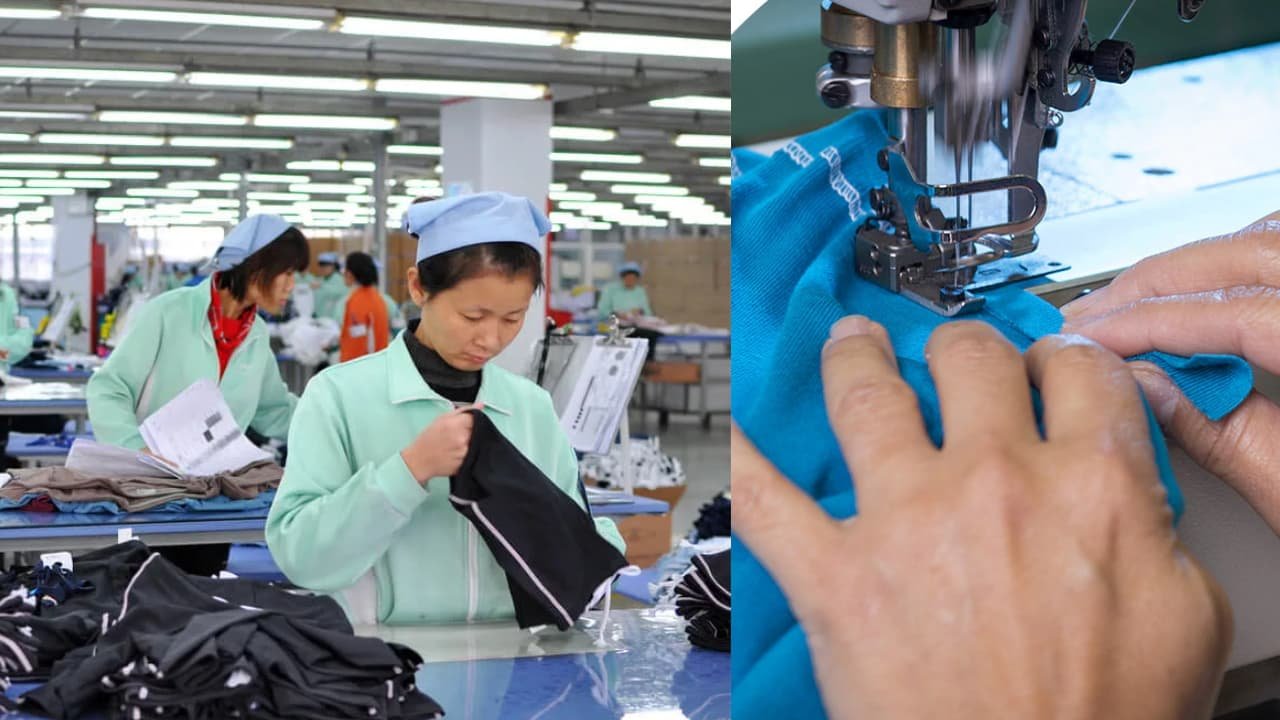
Choosing a Wholesale Manufacturing Partner China is one of the most important decisions a business can make—especially if you plan to scale. Whether you’re launching a new product line, expanding into retail, or aiming for global distribution, the manufacturer you work with can either accelerate your growth or quietly sabotage it one missed shipment at a time.
The good news? China remains one of the best places in the world for high-quality, cost-effective, scalable production. The challenge? Finding a partner who actually delivers what they promise. If you’ve ever tried messaging five suppliers only to get three random quotes, one emoji, and one reply asking if you need plastic chairs (when your product is skincare packaging), you already know the struggle.
Let’s break down how to choose the right manufacturing partner in China—and how to do it confidently.
Why China Still Leads in Wholesale Manufacturing
Despite rising competition in Southeast Asia and beyond, China continues to dominate global manufacturing for several reasons:
- Massive production capacity
- Deep supply chain ecosystems
- Competitive pricing
- Advanced manufacturing technology
- Skilled workforce
- Extensive export experience
When you choose the right Wholesale Manufacturing Partner China–based, you’re not just picking a supplier; you’re plugging into an entire infrastructure optimized for scale.
Step 1: Define Your Production Needs Clearly
Before you even think about messaging a supplier, get crystal clear about what you need. Manufacturers aren’t mind readers (although some act like they are).
Key Questions to Answer First:
- What materials will your product use?
- What certifications do you require (CE, FDA, RoHS, etc.)?
- What is your expected order volume now—and in 12 months?
- Do you need custom molds or tooling?
- What is your desired price per unit?
- What’s your packaging and branding requirement?
The clearer your requirements, the smoother your supplier search will be.
Step 2: Understand the Different Types of Manufacturers
Not all Chinese factories operate the same way. Understanding the categories helps you pick the right fit.
1. OEM (Original Equipment Manufacturer)
They produce based on your design. Ideal for custom products.
2. ODM (Original Design Manufacturer)
They offer pre-designed products you can brand. Great for faster scaling.
3. Trading Companies
Middlemen who work with multiple factories. Prices are higher, but communication is easier.
4. Specialized Factories
Smaller but highly skilled in one niche (e.g., silicone, electronics, wooden goods).
Choosing the right Wholesale Manufacturing Partner China option depends on your budget, customization needs, and long-term goals.
Step 3: Verify Supplier Legitimacy (Never Skip This Step)
There are fantastic Chinese manufacturers—and there are also companies that look like manufacturers but are actually outsourcing to whoever picks up the phone first.
Ways to Verify a Real Factory:
- Request their business license
- Look for factory audit reports
- Ask for on-site videos of production lines
- Check their Alibaba/1688 supplier age
- Review export history and certifications
If they hesitate to provide proof? That’s a red flag brighter than a neon sign in downtown Shanghai.
Step 4: Evaluate Communication Skills
Communication can make or break manufacturing relationships. A responsive supplier doesn’t just prevent misunderstandings—it saves you money.
Green Flags:
- Replies within 12–24 hours
- Clear answers to specific questions
- Transparent explanations about pricing
- Ability to provide technical details
- Provides updates without being asked
If a supplier responds with one-word answers or copy-pasted phrases, imagine what will happen when you’re negotiating lead times during peak season.
Step 5: Request and Evaluate Samples
Never skip samples. Even if the supplier seems perfect, samples reveal the truth.
When Evaluating Samples, Look For:
- Material quality
- Craftsmanship
- Consistency
- Packaging
- Functionality
- Branding accuracy
This is also your chance to observe how quickly they produce the sample and how much attention they pay to details.
Step 6: Discuss Scalability Early
Some factories love small orders. Some tolerate them. And some politely ghost you once you ask for 500 units instead of 5,000.
A strong Wholesale Manufacturing Partner China offers room for growth.
Talk About:
- Maximum monthly capacity
- Lead times for larger orders
- Ability to add production lines
- Flexibility during peak seasons
- Long-term pricing agreements
You want a partner who grows with you—not one who bottlenecks your success.
Step 7: Negotiate Wisely (And Respectfully)
Negotiation is expected, but culturally, it’s important to remain respectful.
A few things to keep in mind:
- Don’t lowball unrealistically
- Ask for tiered pricing
- Confirm what’s included (packaging, QC, shipping terms)
- Get all agreements in writing
- Clarify tooling/mold ownership
Remember: the goal isn’t to squeeze the lowest price—it’s to build a relationship built on trust and long-term cooperation.
Step 8: Implement Strong Quality Control Processes
Even great factories need oversight. Quality control prevents costly surprises.
QC Best Practices Include:
- Hiring a third-party QC inspector
- Setting clear quality standards
- Providing reference samples
- Checking goods before final payment
- Conducting random batch inspections
You wouldn’t buy a house without checking the foundation; don’t buy 5,000 units without checking the product.
Step 9: Start With a Smaller Test Order
Before committing to long-term bulk production, place a small test order. This helps evaluate:
- Production speed
- Consistency
- Communication flow
- Packaging quality
- Shipping accuracy
If things go well, scaling becomes much smoother. If things go badly, at least you’re not stuck with a warehouse full of products you can’t sell.
Step 10: Build a Real Relationship
Chinese manufacturing thrives on long-term partnerships. When you show loyalty and reliability, factories often reward you with:
- Better pricing
- Faster production
- Priority during peak demand
- Dedicated account managers
A strong Wholesale Manufacturing Partner China connection becomes an invaluable asset for scaling.
And yes, sending a thank-you message during Chinese New Year goes a long way.
Choosing the Right Partner = Scalable Growth
Your manufacturer is the backbone of your business. The right partner supports scaling, enhances product quality, and keeps your customers happy. The wrong partner… well, let’s just say your stress levels don’t need that kind of excitement.
Take your time. Do your research. Verify everything. And remember: with the right Wholesale Manufacturing Partner China arrangement, scaling becomes not just possible—but predictable and profitable.
Because a great product idea means nothing if the factory behind it can’t grow with you.
Also Read-Unselect vs Deselect: Which Term Should You Use in Tech? 🖱️💡
