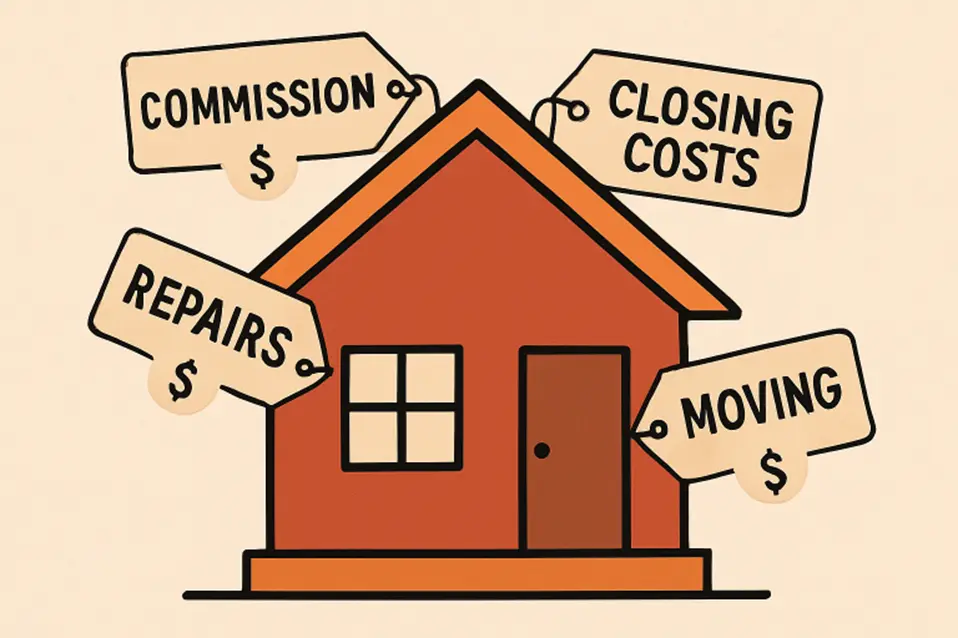
Selling your home fast is appealing, but speed shouldn’t come at the cost of your bottom line. Many sellers discover late-stage deductions on their settlement statements and wonder where their profits went. Hidden fees are common pitfalls in real estate, but with a proactive, research-driven approach, you can sell your property quickly and keep more cash in your pocket. Whether you’re downsizing, moving out of state, or cashing in equity, understanding the sources of common costs is essential. For those in the Redlands area seeking a seamless, hassle-free sale, consider resources like https://www.bluewavehomebuyers.com/we-buy-houses-fast-redlands/ for professional assistance.
Let’s break down the fees that chip away at your profits and how to address each proactively. By identifying these expenses early, you can set clearer expectations and devise strategies to minimize them. Selling your home doesn’t have to be fraught with financial surprises; it’s possible to maintain control and transparency at every turn.
Understand Real Estate Agent Commissions
Agent commissions are often the most visible expense when selling your home. They’re typically 5% to 6% of the sale price and split between the buyer’s and seller’s agents. However, you aren’t bound to a set rate. Research local norms, interview multiple agents, and don’t hesitate to negotiate. Some brokerages offer lower flat-rate or à la carte options for experienced sellers. Having transparency on commission structures allows you to compare real value with cost, ensuring you don’t pay more than necessary.
Be Aware of Closing Costs
Closing costs can total between 2% and 4% of your home’s sale price after fees, taxes, title insurance, and escrow charges. These can sneak up quickly if you haven’t received a detailed summary before entering escrow. Compare estimates from title companies, ask your agent to clarify ambiguous charges, and negotiate any redundant or excessive fees. Getting estimates for every line item in advance can help you budget accurately and avoid last-minute stress.
Prepare for Pre-Listing Expenses
To sell fast, your home must make a good first impression. This could involve professional cleaning, minor repairs, fresh landscaping, or cosmetic updates, such as new paint or fixtures. Many sellers spend between $500 and $3,000, but returns vary. Focus on essentials — buyers prioritize functional kitchens, bathrooms, and curb appeal.
Consider Staging and Marketing Costs
Professional staging and real estate photography boost your listing’s appeal, but costs can escalate. Staging may cost $750 to $2,000 for just a few rooms, while high-quality images typically range from $150 to $500 per session. For sellers looking to minimize expenses and streamline the selling process, companies like Blue Wave Investments – CA offer convenient solutions that eliminate the need for costly staging or photography. Instead, consider decluttering and using borrowed or rented furnishings. Many real estate photographers will negotiate rates, especially if they’re building their portfolio. If you plan to sell regularly or own an investment property, forming long-term relationships with local vendors can yield additional discounts.
Account for Moving Expenses
The cost of moving is sometimes overlooked until the last minute. Set aside funds for movers, trucks, supplies, and potential storage—especially if you’re downsizing or relocating for work. Getting multiple quotes from professional movers or exploring budget-friendly “you pack/we move” services helps keep costs transparent. Schedule your move during the off-season or on weekdays for discounts, and lighten your load by donating, selling, or recycling items you no longer need.
Stay Informed About Legal and Administrative Fees
Legal fees for closing, contract drafting, and paperwork processing can vary widely, depending on the complexity and location of your sale. Flat-fee attorneys or transaction coordinators are increasingly common alternatives to full-service representation. Further, if your home has risen significantly in value, you may face capital gains taxes. Consulting a qualified tax professional before listing your property ensures you’re prepared and aren’t caught off guard after closing.
Monitor Utility and Maintenance Costs
You remain responsible for utilities, insurance, and lawn or pool care until the property is sold. A vacant home can quickly attract costly maintenance surprises, including leaks, pests, or security issues. Coordinate with your agent for routine walk-throughs while the property is listed, and minimize non-essential services. Smart thermostats or timers can help keep costs down while showcasing the home to buyers.
Negotiate Buyer Concessions Wisely
Many buyers expect some concessions in a competitive market. Common requests include seller-paid closing costs, repair credits, or appliance upgrades. Set clear limits in advance and weigh whether concessions are offset by a quicker or more certain close. An experienced agent can help quantify these trade-offs. Remember, concessions should streamline the transaction—never erode your profit without strategic benefit.
By understanding the price tags attached to every stage of the home sale process, you safeguard your equity and move forward without budget-blowing surprises. Maintain documentation of all expenditures, seek competitive bids from service providers, and regularly review your transaction summary as you progress toward closing. For more in-depth tips tailored to your region or situation, reputable real estate sites and local investment companies are valuable resources.
Also Read–Innovative Approaches in Tailored Therapy Programs for Optimal Well-being
