Key Takeaways
- Programmatic advertising is revolutionizing the way ads are bought and sold on streaming TV platforms.
- Advancements in technology are enabling more precise audience targeting and real-time ad insertion.
- Industry standards are evolving to support the growth and efficiency of programmatic streaming TV.
The Rise of Programmatic Advertising in Streaming TV
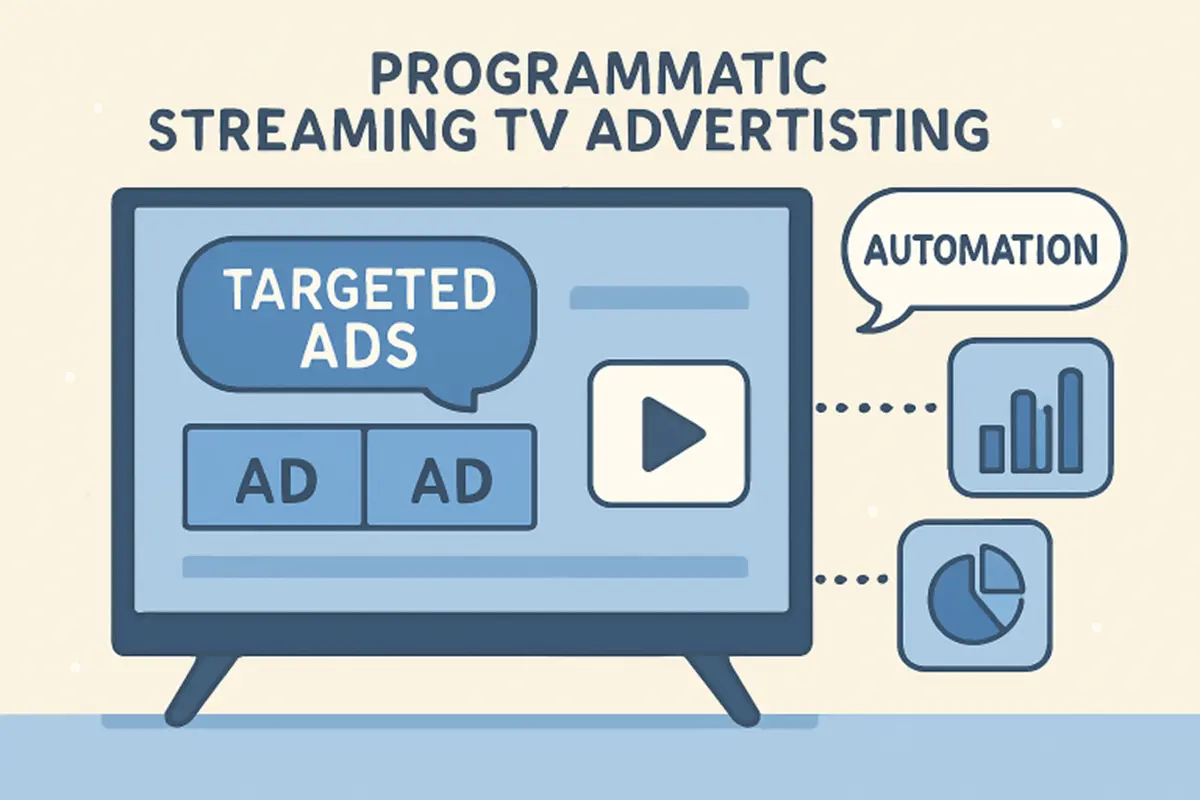
The rapid growth of streaming TV and the proliferation of digital content have triggered a massive shift in how brands reach viewers. Programmatic advertising automates the buying and selling of ad inventory, enabling advertisers to target audiences with unprecedented accuracy. As the industry shifts to digital-first approaches, connected TV and streaming TV advertising have become vital for marketers seeking to reach consumers across multiple devices and environments.
This evolution streamlines media purchasing and ensures that ads reach highly engaged viewers at precisely the right moment. With data-driven targeting and dynamic ad insertion, marketers can achieve greater efficiency and impact than with traditional linear TV campaigns. It’s clear that programmatic technology is now a foundational element in the modern advertising arsenal.
Advancements in Programmatic Ad Formats
Successful advertising relies on engaging users without disrupting their viewing experience. Programmatic advancements are transforming ad formats to better match this need. For example, networks like Fubo are pioneering pause ads on connected TV. These ads only surface when content is paused, making them less intrusive and more valuable for both viewers and advertisers. Research shows that such formats can increase brand engagement by over 30 percent compared to standard pre-roll or mid-roll ads. Brands now have the tools to reach customers with relevant content at optimal moments, helping foster positive brand associations and generate higher returns.
The expanding range of formats includes overlays, menu ads, and interactive experiences. As the ecosystem grows, viewers can expect less disruption, while advertisers gain access to more tailored solutions that genuinely meet audience needs. Leading publications such as The Wall Street Journal have noted this trend, recognizing that these innovations are redefining the economics and effectiveness of television advertising.
Standardizing Programmatic Practices
As more advertisers and publishers migrate to programmatic streaming TV, consistency and efficiency are paramount. Industry bodies like the IAB Tech Lab are rising to the challenge, providing clear guidelines and new resources to standardize core ad formats and transaction structures across platforms. Their updated “CTV Ad Portfolio” and “Guide to Programmatic CTV” define formats ranging from pause ads to overlays, supporting interoperability and scale. This push for standardization makes it easier for brands to execute campaigns across a fragmented media landscape and for publishers to monetize content efficiently.
Programmatic Solutions for Linear TV
While connected TV leads the programmatic charge, traditional linear TV is also benefiting from digital transformation. Innovations from companies like Comcast Advertising are enabling agencies and brands to buy targetable and biddable ads on linear broadcasts. This means advertisers can now plan, buy, and optimize campaigns across both digital and broadcast channels within a single workflow. As a result, the line between digital video and traditional TV continues to blur, helping brands maximize reach and deliver consistent messaging across platforms.
Enhancing Live Event Advertising
Live events such as sports games, award shows, and news broadcasts present unique opportunities for advertisers. Programmatic technology is transforming these high-value moments by leveraging real-time data and advanced stream management standards. Methods for monitoring active viewers, minimizing ad fatigue, and handling sudden spikes in audience size help marketers make faster, data-driven decisions about ad placement. These tools increase engagement and effectiveness during peak live-event moments, while also supporting smoother operations for streaming platforms and broadcasters.
Impact on Content Monetization
This fundamental shift to programmatic buying is driving content creators and broadcasters toward over-the-top (OTT) platforms for improved monetization. Leveraging detailed data aggregation and artificial intelligence, broadcasters can better predict viewer behavior, optimize ad breaks, and extract higher value from their inventory. More granular insights mean more relevant ads, which translate into better monetization and improved viewer satisfaction. This trend demonstrates that adopting programmatic strategies is now essential for staying competitive in a digital-first world.
Future Trends in Programmatic Streaming TV
The future of programmatic streaming TV is being shaped by a convergence of next-generation technologies and evolving consumer expectations:
- Artificial Intelligence and Machine Learning: These tools enable smarter bidding, dynamic creative optimization, and accurate predictions of ad performance, making campaigns more effective and automated.
- Contextual Targeting: As privacy concerns grow and third-party data access shrinks, advertisers are adopting contextual strategies that target ads based on surrounding content rather than specific user identifiers.
- Interactive and Shoppable Ads: Innovations in interactivity allow viewers to engage with brands instantly or even purchase directly from their screen, blending e-commerce and video in new ways.
These trends highlight a move toward personalization, automation, and user-centric advertising experiences in streaming environments.
As the adoption of programmatic streaming TV continues to grow, new opportunities for innovation and creativity will emerge. Advertisers are beginning to experiment with hybrid campaigns that blend traditional storytelling with data-driven techniques, amplifying their brand impact. Furthermore, streaming platforms are fostering collaborations with content creators, leveraging advanced programmatic tools to create bespoke user experiences. These developments are ensuring that both viewers and advertisers benefit from a more relevant, rewarding, and interactive media landscape. In the coming years, expect even more rapid change as new technology and consumer behaviors drive further evolution in streaming TV advertising.
Final Thoughts
Programmatic streaming TV is redefining the media and advertising ecosystem. More precise targeting, flexible ad formats, and industry-wide standardization are setting new benchmarks for how brands engage audiences. As technology continues to evolve, those who invest in programmatic solutions and adapt to emerging trends will be best positioned to maximize audience reach and boost ROI in a highly competitive and ever-changing media landscape.
Also Read
- Unselect vs Deselect: Which Term Should You Use in Tech? 🖱️💡
- Marketing for Business Growth
- How Online Grocery Delivery Is Changing Daily Life in Karachi
