Anyone who has tried to buy a week’s worth of groceries in Karachi on a Friday afternoon knows the drill: forty-five minutes stuck on Shahra-e-Faisal, circling for parking near a market that has no parking, bargaining with three different vendors, and returning home with everything except the one item that prompted the trip. Karachi is a city that runs on energy and improvisation, but its grocery shopping experience has long tested even the most patient residents. That is starting to change.
Karachi’s Unique Grocery Challenge
Karachi is not just Pakistan’s largest city—it is one of the most densely populated metropolitan areas on earth. Over 16 million people live in a city where infrastructure development has consistently lagged behind population growth. Traffic congestion is not an inconvenience; it is a defining feature of daily life. The average Karachiite spends an estimated 1.5 to 2 hours daily in transit, according to various urban planning surveys. Every errand competes with that time budget.
The grocery landscape reflects the city’s complexity. Kiryana stores—small neighbourhood shops selling staples—remain the backbone of daily purchasing for most households. Wholesale markets like Jodia Bazaar and Lee Market offer better prices on bulk items but require dedicated trips, physical stamina, and a tolerance for crowds. Supermarkets and hypermarkets serve middle and upper-income neighbourhoods but are concentrated in specific areas, leaving large swathes of the city underserved. For working families, particularly those where both partners hold jobs, fitting a proper grocery run into the week is a genuine logistical puzzle.
What Karachiites Are Ordering
The online grocery basket in Karachi tells you a lot about how the city eats and lives. Cooking oil—particularly Habib, Sufi, and Dalda brands—consistently ranks among the most ordered items. Basmati rice, wheat flour, and sugar follow closely, reflecting the staple-heavy Pakistani diet. Tea, both loose leaf and branded packets from Tapal and Lipton, is practically a utility in Karachi households, and online reordering ensures the supply never runs dry.
Beyond staples, snack categories have shown surprising strength. Biscuits, chips, namkeen, and instant noodles are frequent additions to online carts—often added by younger family members who have learned to navigate the household’s shared account. Cleaning supplies, detergents, and personal hygiene products round out the typical order. The average basket tends to be larger than what a consumer would pick up at a kiryana store, which makes economic sense: if you are paying for delivery, you might as well consolidate.
Ramadan and Wedding Season Surges
Karachi’s grocery demand is not evenly distributed across the calendar. Ramadan triggers a massive spike in purchases: dates, rooh afza, pakora mixes, chaat ingredients, and iftar essentials dominate orders for the entire month. The days leading up to Eid see another surge as families stock up for entertaining. Wedding season—stretching from October through March—creates demand for bulk cooking ingredients, disposable serveware, and the kind of large-quantity staple orders that are a nightmare to transport from a physical market. Online platforms that offer scheduled delivery and bulk pricing have captured significant share of this seasonal demand.
The Time Equation
The most compelling argument for grocery delivery in Karachi is not price—it is time. A trip to a supermarket in the city typically consumes 90 minutes to two hours when you factor in travel, parking, shopping, checkout queues, and the return journey. That same order placed online takes five to ten minutes of screen time. For a family placing two to three grocery orders per month, the time savings can exceed 15 hours monthly. In a city where commute times are already punishing, reclaiming those hours for work, family, or rest is a tangible quality-of-life improvement.
This calculation is especially relevant for working women in Karachi, who often bear the dual burden of professional responsibilities and household management. The ability to buy groceries online Karachi families need during a lunch break or after the kids are asleep has been described by many users as genuinely transformative—not in a grandiose sense, but in the daily, practical sense of having one fewer thing to worry about.
Delivery Realities and Expectations
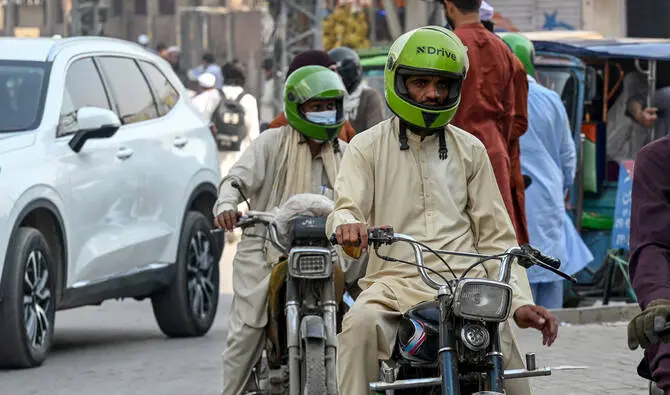
Karachi’s geography and traffic patterns create delivery challenges that are unique even by Pakistani standards. The city stretches roughly 80 kilometres from its northern tip to its southern coastline, with no metro rail system and a bus network that serves only a fraction of routes. Delivery riders navigate this sprawl on motorcycles, and their efficiency depends heavily on time of day, weather conditions, and the perpetually unpredictable Karachi road network.
Most platforms offer next-day delivery as standard, with same-day options available in select zones—typically DHA, Clifton, Gulshan-e-Iqbal, and North Nazimabad, where order density justifies the logistics investment. Areas further from central fulfilment hubs, such as Surjani Town or Bin Qasim, may face longer delivery windows. Consumers in these neighbourhoods still benefit from access to product variety and pricing they would not find locally, even if the delivery timeline is 48 hours rather than 12.
Online vs. the Market: Not an Either-Or
The framing of online grocery delivery as a replacement for traditional markets misses the point. Most Karachi families use both channels, choosing based on context. Fresh produce—tomatoes, onions, seasonal vegetables—is still something many consumers prefer to select by hand, and the prices at sabzi mandis remain hard to beat. Meat and fish, similarly, have a strong tradition of in-person purchasing from trusted butchers and fishmongers.
Where online delivery excels is in packaged goods, pantry staples, and household supplies—categories where quality does not vary between a supermarket shelf and a delivered box, and where the convenience advantage is most pronounced. The smart Karachi household is not choosing between the app and the market; it is using each for what it does best. And as delivery networks expand and freshness guarantees improve, the balance is gradually tilting toward more of the weekly shop happening through a screen.
What This Means for Karachi
Grocery delivery is not going to fix Karachi’s traffic or its infrastructure gaps. But it is quietly improving daily life for hundreds of thousands of families who have decided that their time is worth more than the marginal savings from haggling at a market stall. The service is still evolving—delivery windows will tighten, product freshness will improve, and coverage will expand into underserved areas—but the behaviour change has already taken root. In a city that demands so much of its residents, getting the groceries handled without leaving the house feels like a small but meaningful win.
Also Read
- From Dashboards to Decisions: The Real Scope of Data Analytics Consulting
- Commercial vs Residential Shade Sails: Which Solution Is Best for Your Business?
- Stopping Baccarat at a Defined Loss Point: What It Actually Protects
