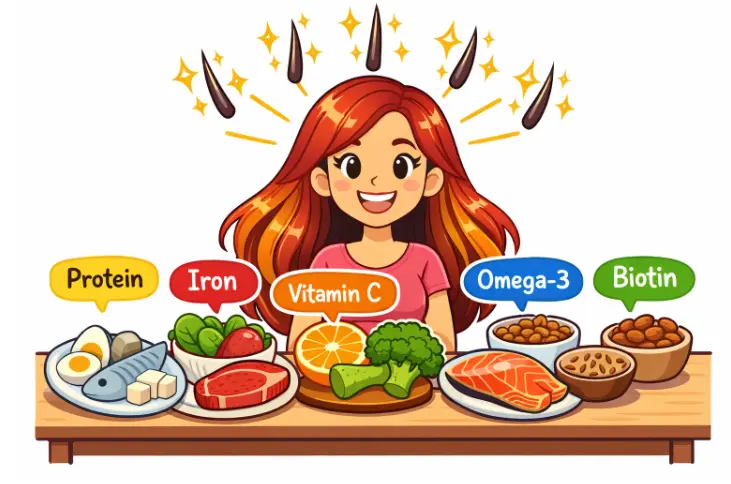
For many women, healthy, vibrant hair is more than just an aesthetic goal; it reflects overall well-being. While genetics and proper care play important roles, diet is a critical factor sustaining beautiful hair. Incorporating nutrient-rich foods and considering women’s hair products brands are effective strategies for enhancing hair strength and resilience from within.
Eating a wide variety of whole foods provides hair follicles with the nutrients needed for optimal growth and helps minimize the risk of hair thinning and breakage. Even minor deficiencies in certain vitamins and minerals can spark noticeable changes, sometimes leading to dullness, brittleness, or shedding. Achieving lush, healthy hair goes beyond surface-level products and involves nourishing your body with essential nutrients, which are the true foundation of healthy hair.
Many women discover that changes in their diet can transform hair texture, thickness, and shine. Understanding which nutrients are most beneficial, how to identify deficiencies, and which foods to choose empowers women to take a proactive role in hair care. Focusing on a nutrient-dense, balanced diet will not only revitalize hair but also support overall health.
Establishing a nutritious diet and understanding your hair’s unique needs can maximize growth potential across different life stages.
Protein: The Building Block of Hair
Hair consists primarily of keratin, a protein that forms the structure and integrity of each strand. Without sufficient dietary protein, your body will prioritize vital functions over hair growth. This can diminish hair production and leave hair weak and prone to breakage. Include protein sources such as eggs, lean poultry, tofu, fish, and legumes in your meals to maintain strong, healthy hair. Ensuring your protein intake meets your daily requirements is the most reliable way to support hair resilience and growth.
Iron: Essential for Oxygen Delivery
Iron deficiency, especially common among women, can lead to slowed hair growth or increased hair loss. Iron enables red blood cells to deliver oxygen to every tissue, including the tiny blood vessels feeding your hair follicles. If your diet lacks iron, new hair may not obtain enough nutrients to grow properly. To boost iron intake, add iron-rich foods such as lentils, chickpeas, spinach, and lean red meat. Eating these alongside vitamin C sources can amplify their absorption in the digestive tract.
Vitamin C: Enhancing Iron Absorption
Vitamin C enhances the absorption of non-heme iron from plant foods, which is crucial for women following vegetarian or vegan diets. Additionally, vitamin C accelerates collagen production, giving hair enhanced strength and flexibility. Fresh fruits, such as oranges, strawberries, and kiwis, as well as vegetables like bell peppers and broccoli, are excellent choices to help you meet your daily vitamin C needs and fortify your scalp’s foundation.
Omega-3 Fatty Acids: Nourishing the Scalp
Omega-3 fatty acids keep the scalp moisturized and elastic, preventing dryness and flakiness that can hinder hair growth. These healthy fats are inherent to cell membranes and amplify circulation in the scalp, creating a thriving environment for follicle development. To reap these benefits, eat fatty fish like salmon, sardines, and mackerel, or include flaxseeds, chia seeds, and walnuts for a plant-based approach. A steady supply of omega-3s also helps fight inflammation, which can negatively affect hair.
Biotin: Supporting Keratin Production
Biotin, one of the B-complex vitamins, helps form keratin, the protein that forms the actual structure of hair strands. Deficiency is uncommon but can cause hair thinning and stunted growth. You can support your daily biotin requirements by eating a variety of eggs, almonds, sunflower seeds, and whole grains. Many women notice improved hair texture and shine after optimizing biotin intake, as this nutrient supports robust keratin formation and scalp health.
Vitamin D: Stimulating Hair Follicles
Vitamin D influences hair follicle cycling and may play a role in the creation of new hair follicles. Inadequate levels have been linked to certain types of hair loss, especially in women with limited sun exposure. Safe sun exposure, fortified foods, mushrooms, and oily fish are all ways to obtain more vitamin D. If you suspect a deficiency, consult your healthcare provider about testing and supplementation for optimal hair growth and overall wellness. For additional reading on the effects of vitamin D on hair, visit Healthline’s article on vitamin D deficiency and hair loss.
Zinc: Maintaining Hair Tissue
Zinc is involved in tissue growth and repair, including the renewal of hair follicles. A lack of zinc can result in hair shedding and delayed recovery from damage. Foods such as oysters, pumpkin seeds, beef, lentils, and cashews are rich in zinc. Because zinc also stimulates sebum production, it keeps the scalp hydrated and helps minimize hair dryness or brittleness.
Vitamin A: Regulating Sebum Production
Vitamin A supports the production of sebum, the natural oil that protects, moisturizes, and nourishes both scalp and hair. This oil acts as a barrier, preventing hair from becoming dry or brittle. Sweet potatoes, carrots, dark leafy greens, and cantaloupe are all significant sources of beta-carotene, which the body converts to vitamin A. Enjoying a range of colorful produce ensures your scalp remains in peak condition for hair growth.
Conclusion
Building a balanced, nutrient-rich diet is fundamental for maintaining healthy hair and preventing hair issues in women. By understanding and targeting specific hair needs with proper nutrition, paired with the right products, you can improve strength, texture, and growth from the inside out. Prioritize whole foods, lean proteins, healthy fats, and a spectrum of colorful fruits and vegetables to give your hair every opportunity to thrive and achieve its full potential.
Also Read-
- 5 Ways Community Healthcare Providers Can Help You Remain Healthier In Passaic NJ
- Finding the Right Women’s Health Specialist for Personalized Care
- How Hormone Replacement Therapy for Men Supports Health and Vitality
