Last updated on December 15th, 2025 at 09:31 am
Corrosion is one of those things pipeline operators hope they never have to talk about, but it’s always lurking in the back of everyone’s mind. It’s like that one tiny problem you swear you’ll deal with “next month,” and suddenly, boom — you’re dealing with leaks, pressure drops, downtime, clean-up crews, and a whole lot of stress you didn’t ask for.
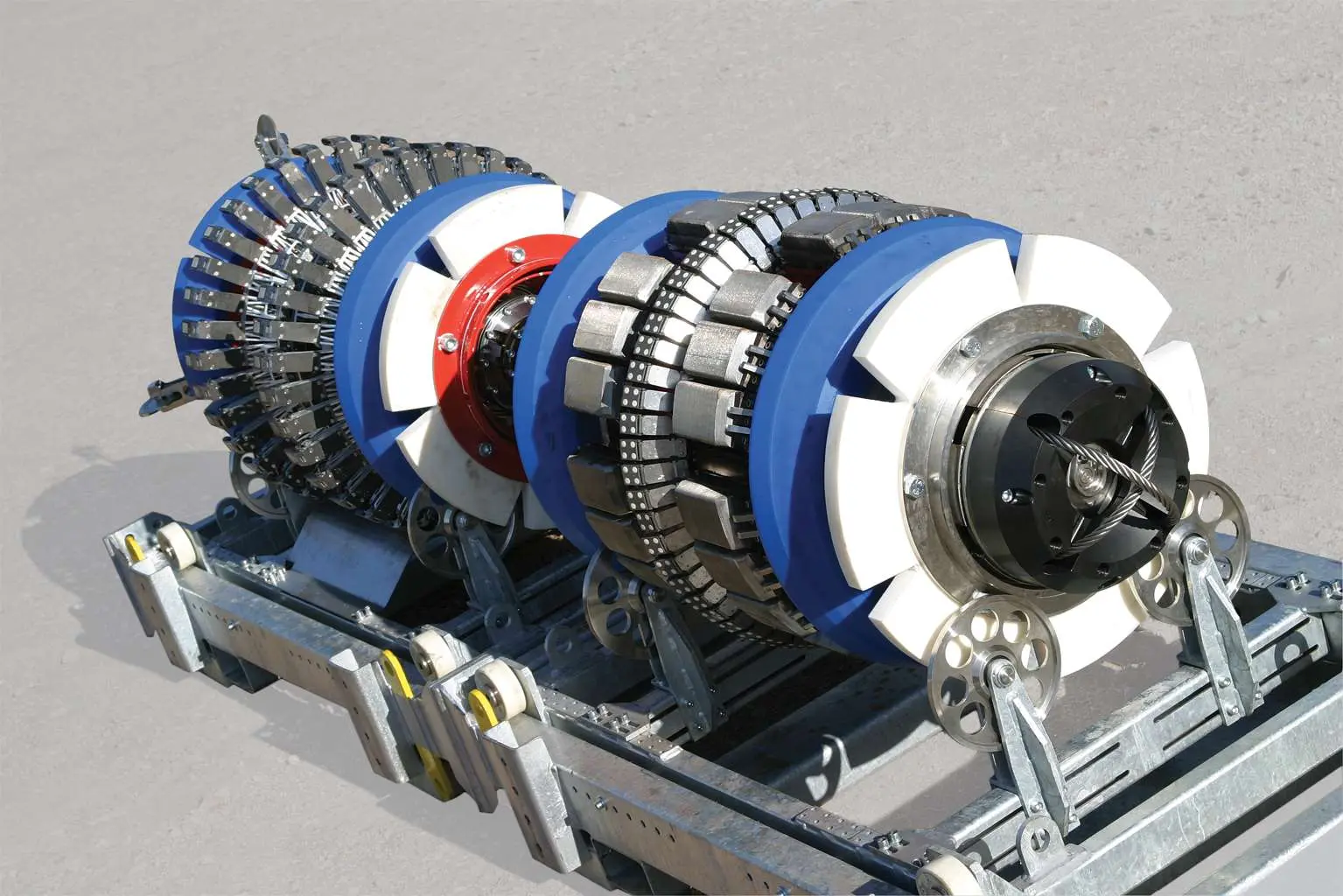
That’s exactly why Inline Inspection tools employed by pipeline inspection services professionals have become such a big deal in the past decade. They’re basically the superheroes of the pipeline world, except instead of capes and dramatic poses, they come in the form of “smart pigs” packed with sensors, magnets, and analytics that quietly do the work long before humans even notice something’s wrong.
And honestly? When you understand how these tools actually detect corrosion inside pipelines, it gives you a whole new appreciation for them. So let’s break it down in a way that doesn’t sound like a manual written by a robot.
What Exactly Are ILI Tools?
If you’re picturing a farm pig waddling through a pipe, trust me, you’re not alone — everybody has that mental image at first. But ILI “pigs” are more like high-tech robots. They travel through the pipeline using the product flow and scan the entire inside surface as they move.
Think of it like sending a medical device through your arteries to check for blockages — same concept, just more industrial and (hopefully) less terrifying.
These tools gather data on:
- Corrosion
- Dents
- Cracks
- Wall thinning
- Deformations
- Weld issues
Basically, if the pipe has secrets… an ILI tool knows them.
How ILI Tools Actually Detect Corrosion?
Corrosion inside pipelines is sneaky. Sometimes it forms slowly like surface pitting. Sometimes it expands like wall thinning. And sometimes it’s totally invisible until it’s already dangerous.
Here’s how ILI tools find it before it finds you:
1. Magnetic Flux Leakage (MFL)
This is the OG of corrosion detection. The tool magnetizes the pipe wall. If there’s metal loss (aka corrosion), the magnetic field “leaks,” and sensors pick it up.
It’s kind of like waving a magnet across a surface and noticing where it doesn’t grab as well — except, of course, with way more precision and zero guesswork.
2. Ultrasonic Testing (UT) ILI Tools
These use sound waves to measure pipe wall thickness. When corrosion has thinned the wall, the change in echo time tells the story.
It’s literally an ultrasound — not for babies, but for steel.
3. Electromagnetic Acoustic Transducers (EMAT)
These detect corrosion without needing a liquid couplant. They’re great for detecting stress corrosion cracking, especially in gas pipelines.
Think of it as listening for weird noises inside the pipe.
4. Geometry & Caliper Tools
These don’t read corrosion directly, but they spot dents, wrinkles, and buckles that might eventually lead to corrosion or compromise integrity.
Sometimes the “almost problems” are just as important to find as the real ones.
Preventing Corrosion Before It Gets Ugly
Detection is only half the story. ILI tools help prevent future corrosion through smart analytics. Modern ILI runs provide:
- Growth rate predictions
- Remaining life estimates
- Corrosion hotspots
- Coating failure indicators
- Repair prioritization lists
Instead of guessing what needs attention, operators and tank inspection services providers finally get something solid — usable data. And, let’s be real, nothing is more reassuring than having a report that says, “Here’s exactly what’s wrong and exactly what to fix first.”
Why ILI Still Matters?
Sure, we now have drones, crawlers, sensors, SCADA, real-time monitors… but ILI still holds its throne because:
- It covers long pipeline distances
- It gives highly accurate wall-loss measurements
- It finds issues people can’t see without digging
- It’s repeatable (so you can compare year to year)
Plus, operators trust it. After thousands of runs and millions of miles inspected, it’s become the standard for a reason.
Final Thoughts
Pipeline corrosion isn’t going anywhere — it’s just a part of the industry. But what’s changed is how early and how accurately we can spot it. Inline Inspection tools give operators the advantage of time: time to plan repairs, schedule maintenance, avoid failures, and most importantly, keep the entire system safe.
And honestly, having data that tells you exactly what’s happening inside your pipeline? That’s priceless.
Also Read-Unselect vs Deselect: Which Term Should You Use in Tech? 🖱️💡
