Introduction
Middle grades teachers stand at a pivotal point in the educational journey. They are not just instructors; they are mentors, innovators, and guides who play a vital role in equipping students with the skills and mindset needed for an unpredictable future. The evolving demands of society and technology call for educators prepared to meet the needs of a diverse student population and to harness new tools to enhance learning.
As the world transforms rapidly, a growing number of educators are pursuing advanced preparation, such as a middle grades education program, to stay ahead of these shifts. Students in this developmental stage benefit from teachers who are adept at integrating meaningful technology and applying forward-thinking instructional approaches, making a real impact on their ability to thrive now and in the future.
The role of a future-ready educator extends beyond simply delivering content. These teachers actively develop skills such as critical thinking, adaptability, collaboration, and digital fluency. This comprehensive support guides students to become resilient, lifelong learners prepared to navigate the complexity and constant evolution of tomorrow’s job market and society.
According to research from Education Week, innovative middle grades teachers who embrace evolving technologies and social learning strategies are already seeing dramatic improvements in student engagement, motivation, and academic achievement.
Embracing Technology in the Classroom
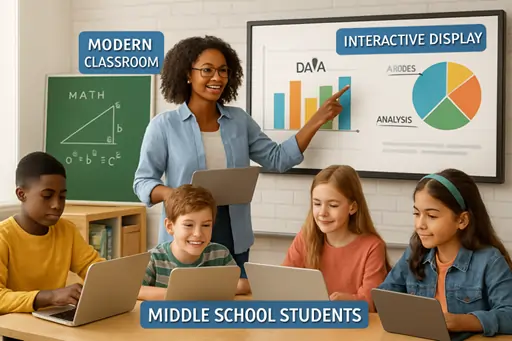
Technology in the classroom is no longer an enhancement; it is a necessity for preparing students for an interconnected, digital future. Future-ready teachers creatively implement technologies, such as AI-enhanced dashboards and adaptive learning platforms, to monitor student progress in real time, customizing instruction to maximize individual growth. For instance, platforms provide teachers with generative AI capabilities that allow them to identify learning gaps and adjust activities quickly, ensuring personalized learning experiences for each student.
Beyond AI, technologies such as collaborative digital whiteboards, classroom management apps, and student engagement tools like Poll Everywhere strengthen the teacher-student relationship and foster active participation. When used thoughtfully, these resources create inclusive, interactive environments that empower every learner to contribute and succeed.
Competency-Based Learning
Competency-based learning (CBL) fundamentally shifts the focus of education from time-based progression to mastery of skills and concepts. Middle grades teachers leveraging CBL provide students with learning pathways that respect their individuality and allow them to demonstrate understanding at their own pace. This model fosters deeper learning and self-reflection, enabling learners to build confidence as they advance.
Schools that implement CBL often prioritize projects and real-world applications, offering students opportunities to work on tasks that mirror professional and community challenges. This approach has proven effective in increasing student ownership over their learning and preparing middle schoolers for a world where adaptability and problem-solving are essential traits.
AI Integration in Education
Artificial intelligence is rapidly transforming the education landscape. In middle school classrooms, AI can analyze data to help teachers differentiate instruction, recommend appropriate resources, and even forecast which students might need extra support. This technology personalizes learning, making sure that every student has a pathway to growth and success.
Despite its promise, AI integration requires careful consideration of access and equity. Teachers must be mindful of potential disparities in technology availability and ensure that AI is used to complement, rather than replace, the unique value of human interaction.
Professional Development and Mentorship
The rapid pace of educational innovation demands continual professional development. Teachers who participate in ongoing learning opportunities are better prepared to adopt the latest research-backed practices, understand effective technology integration, and respond to evolving student needs. Districts and schools that invest in mentorship programs, pairing new educators with experienced colleagues, build a culture of support and professional growth.
Peer collaboration and professional learning communities not only improve teacher capacity but also increase teacher retention and satisfaction, which ultimately benefits students’ academic journeys. These programs are especially vital in the middle grades, where teachers must navigate the unique developmental shifts of early adolescence.
Community Engagement and Real-World Connections
Future-ready teachers understand that meaningful learning does not occur in isolation. By fostering strong relationships with local businesses, nonprofit organizations, and civic leaders, they bridge the gap between academic content and real-world application. These partnerships provide students with exposure to career paths and real-life challenges, helping them develop a sense of purpose and direction.
Service learning, internships, and collaborative community projects can anchor classroom instruction in practical, tangible experiences. This connection encourages students to become engaged citizens invested in their communities and futures.
Addressing Educational Inequality
Addressing disparities in educational opportunity is a core responsibility of every future-ready teacher. By leveraging inclusive practices and technology, educators can reach learners who may otherwise be left behind. Differentiated instruction, accessibility features, and proactive outreach to families all serve to close achievement gaps and foster equity.
It is also essential for teachers to advocate for systemic changes that advance educational justice, such as improved funding, access to high-quality instructional materials, and the integration of social-emotional supports. The effectiveness of these efforts is amplified when schools collaborate with community partners who share a commitment to equity and student success.
Final Thoughts
Future-ready middle grades teachers are making a tangible difference in the lives of young learners. By embracing technology, championing competency-based learning, investing in their own professional growth, and forming strong community connections, these teachers position students for lifelong success. The proactive efforts of these educators not only elevate academic achievement but also nurture curiosity, confidence, and resilience in the next generation.
Read more: Stopping Baccarat When You Hit a Set Loss: What It Really Helps (and What It Doesn’t)
How to Make Your Home Safer and More Efficient
How to Spot Roof Damage Before It Becomes a Problem
