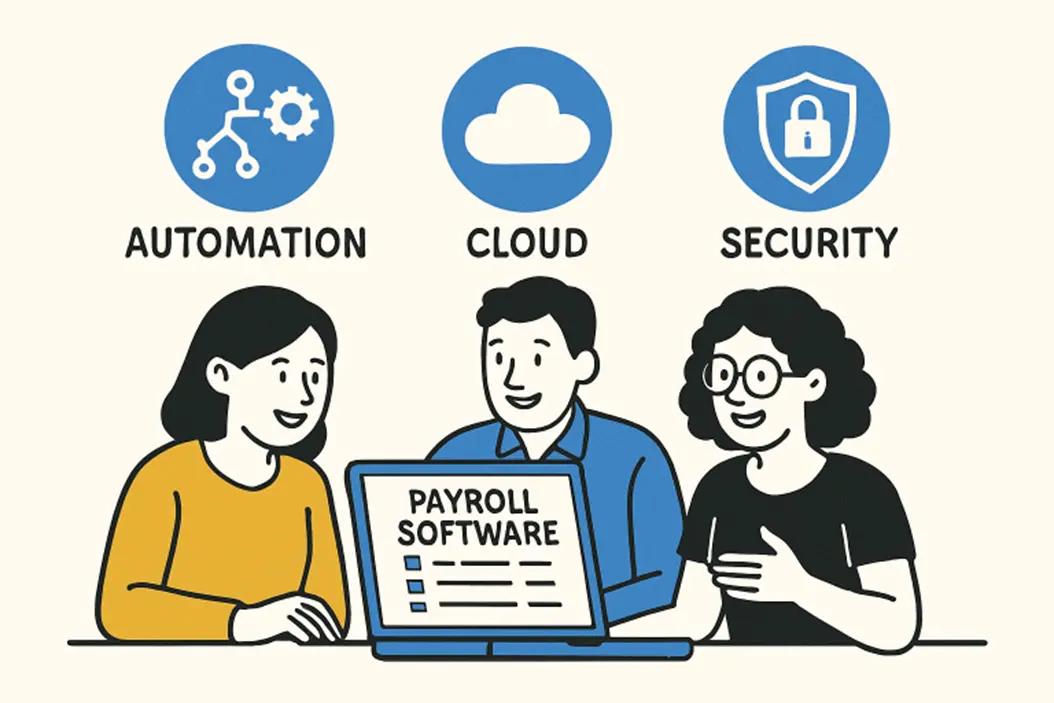
Managing payroll remains one of the most complex and time-consuming tasks for small businesses, particularly because they often operate with very limited resources, budgets, and personnel. Every pay period brings with it a series of important deadlines and critical calculations, from tracking employee hours and calculating overtime to deducting taxes and staying abreast of compliance rules. The evolution of digital solutions, especially cloud-based payroll software for small businesses, is revolutionizing how small teams manage payroll. These tools automate tedious processes, embed smarter compliance features, and are far easier to access than traditional manual methods, helping small business owners and HR professionals save valuable time while significantly reducing costly errors. As digital adoption grows, small businesses are poised to compete more effectively by leveraging these new efficiencies.
Adopting digital payroll systems is more than just a matter of convenience; it’s increasingly a strategic necessity for survival and success in today’s fast-moving business landscape. Streamlined payroll procedures not only save time and money but also contribute to improved employee satisfaction and retention, as staff benefit from timely payments and transparent record-keeping. Digital payroll also provides scalable solutions that can be easily adapted as teams expand, eliminating the need for repeated workflow overhauls. For small companies, the right technology can mean the difference between growth and stagnation. This article outlines the major advantages of this technological shift and explores how small businesses can benefit from the digital payroll revolution.
Time-Saving Automation
Manual payroll processing is not only repetitive but also demands a high level of accuracy, which can be resource-draining for small businesses. Employees or business owners end up spending hours on data entry, manual calculations, and chasing paperwork, all of which divert attention from growth-driving activities. Digital payroll tools can automate core payroll tasks such as calculating regular and overtime hours, automatically applying statutory deductions, and processing different pay rates for various job roles. As highlighted by the U.S. Small Business Administration, manual payroll systems take, on average, over six hours per month for even the smallest companies. Digital solutions can free up as much as 90 percent of that time, allowing small teams to focus on serving their customers and improving their businesses. With workflows set to run automatically and reminders in place, managers no longer have to worry about missing deadlines or making calculation mistakes due to fatigue or human error.
Error Reduction and Compliance
Errors in payroll can have serious consequences, from disgruntled employees to expensive penalties imposed by tax authorities. Manual efforts can easily lead to unintentional mistakes, such as misapplied deductions or miscalculations of overtime. Automated payroll tools address these challenges by incorporating built-in compliance checks and real-time updates to tax laws, reducing the possibility of errors and subsequent regulatory fines. These advanced platforms use intelligent algorithms to ensure that every payroll run is accurate, taxes are correctly withheld, and compliance requirements are met seamlessly in the background. This technology offers invaluable peace of mind to small business owners who cannot afford the time or resources to keep pace with frequent changes in employment or tax laws. With the ongoing integration of new technologies, payroll data accuracy is now higher than ever before, thanks to fewer manual interventions and more reliable audit trails.
Cloud-Based Flexibility
Cloud-based payroll systems represent a significant leap forward in terms of flexibility and accessibility for small businesses. Unlike legacy systems that require installation on specific devices or on-site servers, cloud-based solutions allow managers and payroll administrators to access information from virtually anywhere with an internet connection. This competency is particularly valuable for businesses with remote or hybrid teams, where employees and administrators might be distributed across different locations or even working in different time zones. With cloud access, tasks like running payroll, approving timesheets, or generating reports can be handled without being tied to a physical office, giving leaders the freedom to focus on business strategy rather than logistics. As teams grow, cloud payroll solutions also offer unparalleled scalability, expanding seamlessly as new employees are onboarded, all without extra hardware or major upgrades. Cloud providers typically manage security updates and system maintenance, eliminating the need for in-house IT expertise or costly infrastructure investments, which is especially advantageous for small organizations.
Integration with Other Business Systems
One of the hallmarks of modern payroll technology is its ability to integrate effortlessly with a range of other business systems, including accounting software, HR management tools, and time-tracking platforms. Seamless integration helps eliminate the risk of redundant data entry, which is not just time-consuming but also a common source of mistakes. Instead, payroll and financial data can be automatically synchronized across platforms, enabling real-time insights into business finances and supporting better decision-making. For example, solutions like the integration between Wave and Check provide full-service payroll features that work directly within an organization’s existing accounting platform, creating a single source of truth for financial data and helping more than 300,000 small businesses achieve greater accuracy and convenience. This interconnectedness not only boosts efficiency but also unlocks deeper analytical capabilities, allowing business owners and managers to get actionable insights into labor costs, trends, and cash flow at a glance.
Employee Self-Service Portals
Today’s digital payroll platforms give employees unprecedented access to their payroll and HR information through user-friendly self-service portals. These tools allow staff members to view and download pay stubs, annual tax forms, and benefits statements independently, without relying on HR for every update or request. Self-service functionality also enables employees to keep their personal details up to date, reducing the workload on small HR teams and minimizing the risk of outdated information causing payroll errors. Mobile applications further enhance accessibility, giving team members instant, secure access to payroll data from their smartphones or tablets, whether they’re in the office, at home, or on the move. This level of transparency improves employee trust and satisfaction, creating a more engaged workforce that feels empowered and informed about their compensation.
Cost Efficiency
For small businesses, controlling operating costs is a fundamental priority. Investing in reliable payroll software provides substantial long-term savings by reducing the risk and frequency of manual errors, avoiding penalties for late or incorrect filings, and reducing unnecessary labor hours tied to repetitive processes. Many digital payroll providers offer tiered pricing models, allowing even the smallest organizations to access powerful payroll features that were once out of reach. These cost-effective services scale as businesses grow, making it easy to add new employees without unpredictable expenses. For most small businesses, the return on investment is realized quickly, as streamlined processes lead to both fewer mistakes and improved productivity. By using digital tools to handle time-consuming tasks, valuable staff hours can be redirected to higher-value business activities that support further growth.
Enhanced Security
Payroll data is among the most sensitive information any business stores, containing details about employee compensation, tax IDs, and bank information. Protecting this data from cyber threats, data breaches, and even internal misuse is essential for legal compliance and maintaining employee trust. Digital payroll platforms are equipped with enterprise-grade security features, including end-to-end encryption, advanced user access controls, multi-factor authentication, and continuous automatic data backups. These safeguards ensure that only authorized individuals have access to confidential payroll records and minimize the risk of data loss through human error or technical failures. Security-focused design also helps businesses comply with increasingly strict data privacy laws, giving business owners confidence that their employee and financial data are protected at every step.
Conclusion
Digital payroll solutions have fundamentally changed the game for small teams, replacing time-consuming manual efforts with automation, accuracy, and better workforce experiences. From minimizing costly errors and staying on the right side of tax laws to unlocking flexibility for distributed workforces and protecting sensitive information with advanced security, few aspects of payroll management haven’t benefited from digital transformation. By embracing these easy-to-use technologies, small businesses can align their payroll processes with broader business goals and free up resources to focus on innovation and growth. Ultimately, digital payroll tools enable small business owners to keep their people happy, make better financial decisions, and thrive in a competitive, ever-evolving marketplace.
Also Read-Marketing for Business Growth
