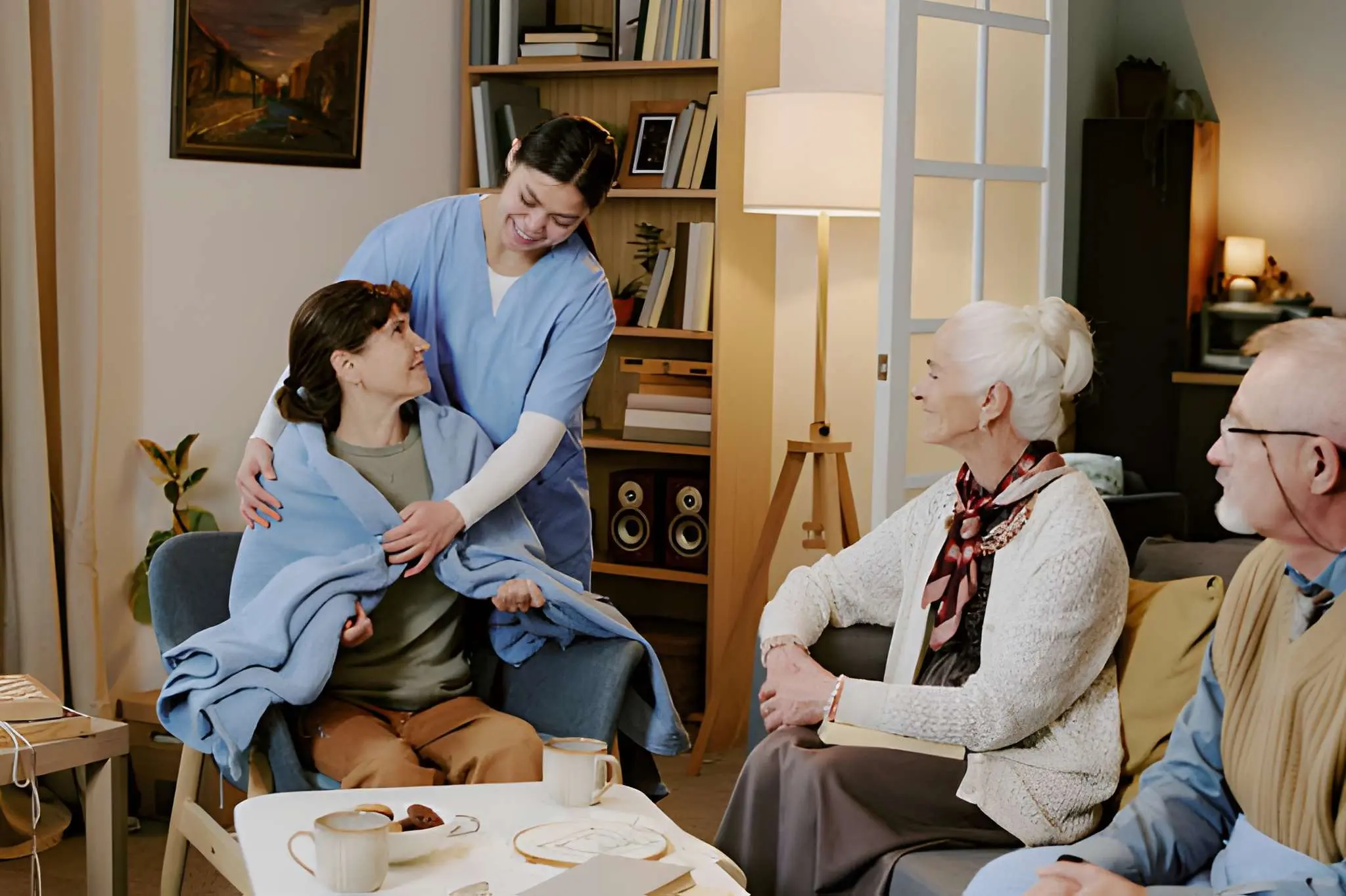
Recovering from illness, managing a long-term condition, or living with ongoing health needs can change how everyday life feels. Simple tasks may take more energy. Appointments become more frequent. The comfort of home matters even more than before.
Community nursing care delivered at home exists to support people through these moments. Rather than requiring constant trips to clinics or hospitals, care comes to where life happens. This approach doesn’t just support physical recovery—it protects independence, confidence, and peace of mind.
Why Healing Often Happens Best at Home
Home is familiar. It’s where routines are known, where people feel relaxed, and where recovery can happen without the stress of unfamiliar environments.
Community nursing care at home allows medical support to fit into daily life rather than interrupt it. Nurses can assist with wound care, medication management, health monitoring, and ongoing treatment—while the person remains in a comfortable, familiar space.
You see this approach reflected across many industries. Remote work improves productivity by reducing stress. Home-based learning supports focus and comfort. Healthcare follows the same logic: people often recover better when they feel safe and at ease.
Understanding home healthcare helps explain why bringing medical care into the home can improve both recovery outcomes and overall wellbeing.
Supporting Recovery Without Taking Over Daily Life
One of the strengths of community nursing care is balance. Care is provided where it’s needed, without taking away a person’s sense of control.
Instead of hospital routines dictating the day, care adapts to the individual’s schedule. Nurses work around meals, rest, and personal routines. This flexibility helps people stay engaged in daily life while receiving professional support.
In rehabilitation and physical therapy, maintaining independence during recovery is considered best practice. The more people participate in their own care, the more confident and capable they feel. Community nursing follows that same principle.
Encouraging Independence Through Skilled Support
Independence doesn’t mean doing everything alone. It means being supported in a way that allows people to do as much as they safely can.
Community nurses provide guidance, education, and reassurance. They may show someone how to manage medication, monitor symptoms, or care for wounds independently over time. This skill-building approach empowers people rather than creating reliance.
You see similar models in education and coaching, where guidance gradually reduces as confidence grows. Nursing care at home encourages self-management while ensuring professional support is always available when needed.
Reducing Hospital Visits and Disruptions
Frequent hospital visits can be tiring and disruptive, especially for people managing chronic conditions or recovering from surgery.
Community nursing care helps reduce unnecessary hospital visits by monitoring health at home, identifying issues early, and responding quickly when conditions change.
In preventative maintenance across industries, early intervention prevents larger problems later. In healthcare, early monitoring reduces complications and hospital readmissions. Home-based nursing care applies that same preventative mindset.
This continuity of care supports smoother recovery and greater stability.
Personalised Care That Fits Real Needs
Every recovery journey is different. Community nursing care is tailored to the individual’s condition, goals, and living environment.
Care plans adapt as needs change—whether support increases during recovery or decreases as independence grows. This responsiveness ensures care remains relevant and respectful.
In customer service and healthcare design, personalised experiences lead to better outcomes and satisfaction. Nursing care at home follows the same principle: one size does not fit all.
Supporting Families and Carers
Community nursing care doesn’t only support the individual—it also supports families and carers.
Loved ones often take on emotional and practical responsibilities during recovery. Knowing a qualified nurse is involved can reduce anxiety and provide reassurance.
Nurses can also guide families, answer questions, and share practical advice, helping everyone feel more confident and supported.
In team-based work environments, shared responsibility prevents burnout. Home-based nursing care brings that same shared-care approach into health support.
Maintaining Dignity and Routine
Receiving care at home allows people to maintain dignity and privacy during vulnerable times.
There’s no need to navigate crowded waiting rooms or unfamiliar facilities. Care happens quietly and respectfully within personal space.
This respect for dignity is central across healthcare ethics and patient-centred care models. People heal better when they feel respected, heard, and comfortable.
When Community Nursing Becomes Part of Everyday Life
Community nursing care often supports people not just during short-term recovery, but through ongoing health management.
This may include regular check-ins, long-term condition monitoring, or support during changes in health status. Over time, nurses become familiar with the person’s needs, preferences, and routines.
This continuity mirrors long-term care models in mental health and chronic disease management, where consistent relationships improve outcomes.
Midway through exploring support options, many individuals and families choose to learn more about get community nursing care at home to understand how professional nursing support can fit naturally into everyday life.
Confidence Grows When Support Feels Predictable
Predictability reduces stress. Knowing when care will arrive, what it involves, and who is providing it creates a sense of control.
Community nursing care offers that consistency. Regular visits, clear communication, and familiar faces help people feel secure and prepared.
In logistics, education, and healthcare, predictability improves outcomes. Home-based nursing care applies that same principle to recovery and independence.
Helping People Stay Connected to Life Outside Care
Receiving care at home doesn’t mean life stops. In fact, it often makes it easier to stay engaged with everyday activities.
When health needs are supported at home, people may have more energy for social connections, hobbies, or family time. Recovery becomes part of life—not the centre of it.
In wellbeing and mental health research, maintaining purpose and routine supports emotional recovery. Community nursing care helps protect those connections.
Final Thoughts: Care That Supports Living, Not Just Healing
Community nursing care at home is about more than medical tasks. It’s about supporting people through recovery while preserving independence, dignity, and confidence.
By delivering skilled care in familiar surroundings, community nurses help people heal at their own pace and on their own terms. They reduce disruption, build confidence, and create space for everyday life to continue.
When care supports independence instead of replacing it, recovery becomes stronger, steadier, and more sustainable.
Also Read-Unselect vs Deselect: Which Term Should You Use in Tech? 🖱️💡
