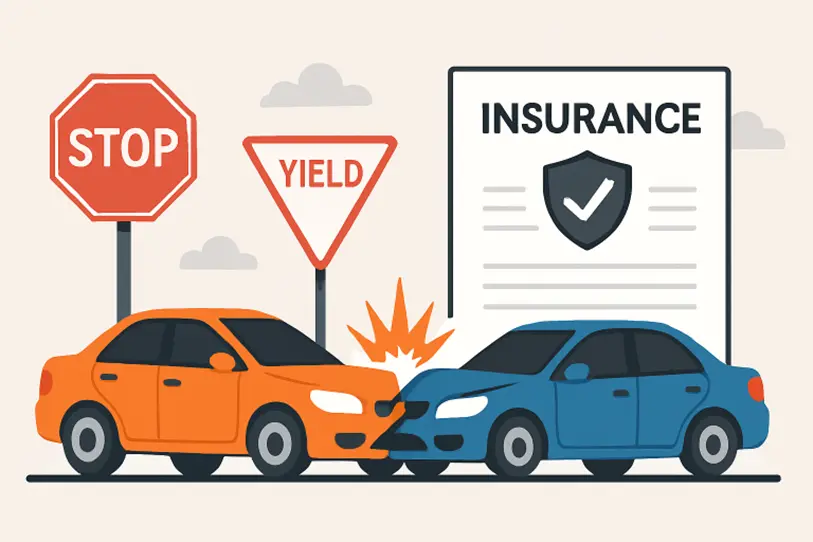
Car accident laws are a driving force behind how individuals recover from collisions and how safety strategies are implemented. These laws, however, are not uniform across the country. Variations in insurance requirements, liability, and legal pathways can significantly affect both financial recovery and the preventive measures drivers take on the road. Whether navigating the aftermath of an accident or seeking compensation for injuries, knowing the relevant laws is vital. For individuals in New York seeking legal assistance or guidance after a collision, this car accident lawyer resource at https://www.855dolor55.com/new-york/car-accident-lawyer/ provides valuable support tailored to local car accident claims.
These laws not only guide accident recovery but also create the foundation for safer traffic conditions. Many states consistently review and revise their car accident statutes, leading to significant shifts in insurance policies and legal interpretations. In recent years, states like California have updated their frameworks to address gaps in coverage, liability, and compensation. On the safety front, both federal initiatives and local programs continue to evolve, targeting everything from improved road infrastructure to stricter enforcement against risky behaviors. Being familiar with these legislative and practical elements allows drivers better to protect their rights and well-being on the road.
At-Fault vs. No-Fault Insurance Systems
One of the most influential distinctions in American car accident law is between at-fault and no-fault insurance systems. In at-fault states, the driver responsible for an accident is liable for damages, leading to claims against their insurer or direct legal action for larger losses. This approach can ensure greater recourse for the injured party, but often results in longer claim processes and more frequent lawsuits. In contrast, no-fault states streamline recovery by requiring each driver’s insurance to pay for their own damages, regardless of fault. Personal injury protection (PIP) is a core part of these systems, designed to speed up compensation following a crash. However, no-fault frameworks can also restrict the ability to bring lawsuits except in cases of serious injury. As an example, Michigan’s no-fault insurance approach continues to be the subject of intense policy debate over its impact on consumer premiums and coverage limits. More details about these systems and their effects can be found in this Kiplinger overview.
Recent Legislative Changes in Car Accident Laws
The legal landscape regarding vehicle accidents is not static. Legislative changes have a profound impact on both accident victims and daily drivers. In California, a significant round of reforms enacted in 2025 elevated minimum insurance requirements and introduced much stricter criteria for establishing fault in accidents, especially when traffic violations are involved. Some of the notable changes include:
- Revised Fault Standards: Black-and-white guidelines that make it easier for authorities and insurers to assign clear liability, especially in complex or multi-vehicle accidents.
- Higher Insurance Minimums: Requiring all drivers to carry upgraded bodily injury and property damage protections, which provide a stronger safety net in large or catastrophic collisions.
- Mandatory Uninsured/Underinsured Motorist Coverage: Ensuring no one is left financially exposed after an accident with an at-fault driver who lacks sufficient coverage.
Legislation like this not only streamlines the claims process but also aims to spur a culture of safety and preventive behavior on the roads. These moves have received considerable attention from policymakers and insurance advocates interested in replicating their success elsewhere.
Impact of Safety Programs on Accident Recovery
Safety programs have become a mainstay in cities aiming to reduce traffic injuries and fatalities. One of the stand-out initiatives is New York City’s Vision Zero program. Since its 2014 launch, Vision Zero has implemented a mix of lower speed limits, redesigned intersections, and increased enforcement against high-risk behaviors. The impact has been measurable, particularly in the dramatic reduction of pedestrian injuries over several years. While no program can promise to eliminate all traffic deaths, Vision Zero’s comprehensive approach demonstrates how deliberate public safety investments translate into real-world improvements in recovery and fatality reductions. The effectiveness and structure of these programs are frequently noted in coverage by mainstream outlets such as Time Magazine.
The Role of Seat Belt Legislation
Widespread seatbelt laws have been a cornerstone of traffic safety gains over the past several decades. The consistent enforcement of seat belt rules has directly correlated with a decline in passenger fatalities and injury severity. According to the National Highway Traffic Safety Administration, the routine use of seat belts cuts the risk of death in a car accident by 30 to 50 percent. In 2007 alone, seat belts are estimated to have saved over 15,000 lives nationwide. These figures reinforce that simple precautions, backed by strong legal mandates, are some of the most effective tools for minimizing highway harm and facilitating faster recovery after collisions. For more on the statistical impact of seat belt laws, review this comprehensive report from the Centers for Disease Control and Prevention.
Understanding Crash Incompatibility
Crash incompatibility is a technical but critical concept in traffic safety and recovery. It refers to the mismatch between vehicles of different sizes or designs, in which heavier or structurally reinforced vehicles can cause disproportionately severe damage to smaller cars in a collision. This dynamic not only raises serious concerns about vehicle design standards but also influences legislative priorities for future auto safety regulations. The unequal risks created by these incompatibilities stress the importance of continued improvement in vehicle safety engineering and thoughtful policymaking.
Distracted Driving and Legal Implications
Distracted driving remains a significant risk factor in modern motor vehicle accidents. Activities such as texting and the use of handheld devices behind the wheel have resulted in mounting fatalities and injuries. In 2015, more than 3,400 deaths and nearly 400,000 injuries were attributed to distracted driving. Legislation targeting these behaviors, which often includes outright bans on texting and strict penalties for violations, is designed to address liability and improve victims’ recovery odds. Understanding and adhering to these laws is essential, as any violation can seriously impact the outcome of legal claims and insurance coverage following an accident. The scope and implications of distracted driving laws are covered extensively on NHTSA’s official site.
Conclusion
Car accident laws, from insurance mandates to safety regulations, are fundamental in shaping both road safety and the recovery experience for accident victims. Staying informed about legislative changes, understanding local and national programs, and committing to best safety practices are key elements every driver should embrace. By taking knowledgeable action and respecting these laws, drivers contribute to a safer, more responsible driving environment for all.
Also Read
- Why structure and experience matter in extradition defense
- Bridging Finance & Short-Term Property Loans — When and Why Businesses Use Them
- Discovering Boston: A Traveler’s Guide to Exploring the City Hassle-Free
