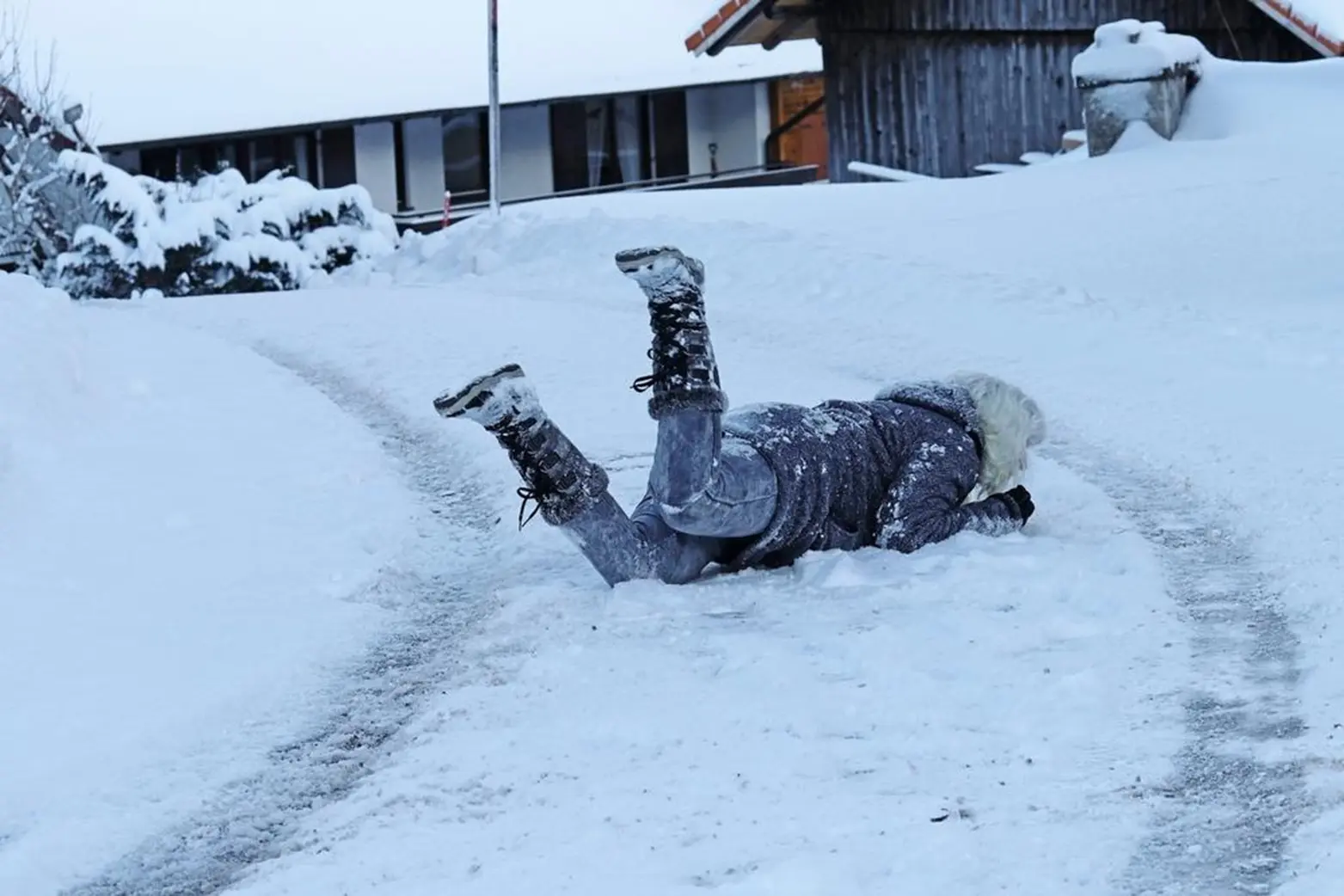
Icy and snowy conditions create serious hazards for pedestrians and drivers alike. Slippery sidewalks, black ice, and poorly maintained parking lots increase the risk of falls and accidents. A snow and ice accident lawyer often handles cases where these hidden dangers lead to severe injuries. Preventing ice-related accidents requires awareness of common risk areas, proper preparation, and adherence to safety measures.
Understanding how ice and snow affect surfaces and movement is the first step in protecting yourself during the winter months.
Understand the Risks of Ice and Snow
Ice is unpredictable. Thin, transparent layers, often called black ice, can appear on streets, sidewalks, and driveways, hiding beneath a light dusting of snow. Even a small patch can cause someone to lose balance and fall.
Slopes, uneven pavement, and shaded areas tend to accumulate ice more quickly, creating hidden threats. Parking lots, public walkways, and residential entrances are common sites for slips and falls. Being aware of these locations is the first step in prevention.
Knowing the risks also prepares you to act cautiously and reduces the chance of accidents that could lead to medical or legal complications, especially in cases where property owners might be negligent.
Take Preventive Measures Before Leaving Home
- Monitor Weather Conditions – Check forecasts and ice warnings before leaving home to plan your route and avoid unnecessary exposure.
- Wear Proper Footwear – Choose shoes or boots with good traction to reduce the risk of slipping on icy surfaces.
- Maintain Property Safety – If responsible for a property, clear snow promptly and apply salt or sand to prevent accidents for yourself and visitors.
- Use Support Tools – Carry items like ice grippers or a walking stick to improve stability on slippery ground.
- Take Precautions Seriously – Small, simple measures can prevent injuries; neglecting these precautions is a common factor in ice-related claims, as seen by a snow and ice accident lawyer.
Stay Alert While Walking or Driving
Vigilance is essential during the winter months. Walking carefully, observing the ground, and avoiding distractions can prevent slips. Take short steps and keep your center of gravity over your feet, especially on sloped or shaded areas. Handrails should be used when available, and extra caution is needed around entrances where snow may melt and refreeze.
Driving requires similar attention. Slower speeds, increased following distances, and careful braking reduce the risk of collisions caused by icy roads. Even minor incidents on ice can lead to severe injuries. Attention to surroundings is a continuous habit that can make all the difference in avoiding accidents.
Maintain Safe Property and Surroundings
Property maintenance is a shared responsibility. Homeowners, landlords, and business owners are legally required to provide safe walkways and entrances. Shoveling snow promptly and applying salt or sand to slippery areas minimizes risk. Adequate lighting improves visibility for pedestrians and drivers alike.
Signs warning of icy conditions can alert visitors and reduce liability. These efforts not only protect others but also reduce the likelihood of legal disputes. Proper maintenance shows that care was taken to prevent accidents and reinforces the standard expected under the law. This proactive approach can help avoid injuries and demonstrate responsibility in case of an incident.
Know Your Rights and Legal Protections
Even with precautions, accidents may still happen. Understanding your rights is important, particularly when injuries occur due to another party’s negligence.
Property owners have a duty to maintain safe conditions, and failing to do so can make them liable for injuries. Documenting the incident thoroughly is key. Take photographs, gather witness statements, and note the time and conditions of the accident.
Consulting a lawyer ensures that all evidence is collected in a way that aligns with legal standards. Legal guidance can help you recover medical costs, lost wages, and other damages while holding negligent parties accountable.
Steps to Take After an Ice-Related Accident
- Seek medical attention immediately to document injuries.
- Take clear photos of the accident scene, including ice patches or snow hazards.
- Gather contact information from any witnesses present.
- Record the time, location, and any details about the property or surrounding conditions.
- Consult a qualified lawyer to discuss liability and legal options.
Conclusion
Ice-related accidents are preventable, but they require careful attention, preparation, and awareness of surroundings. Walking cautiously, maintaining safe property, and understanding legal protections create a safer environment for everyone. Proper documentation and timely legal guidance ensure that victims of icy accidents can recover damages and hold negligent parties accountable.
A snow and ice accident lawyer can help navigate the complexities of these cases, securing both justice and financial protection. Staying alert, taking preventive steps, and knowing your rights are essential for making winter safer for yourself and those around you.
Also Read
- Making Eye Exams Smoother With Better Tech
- Marketing for Business Growth
- How Online Grocery Delivery Is Changing Daily Life in Karachi
