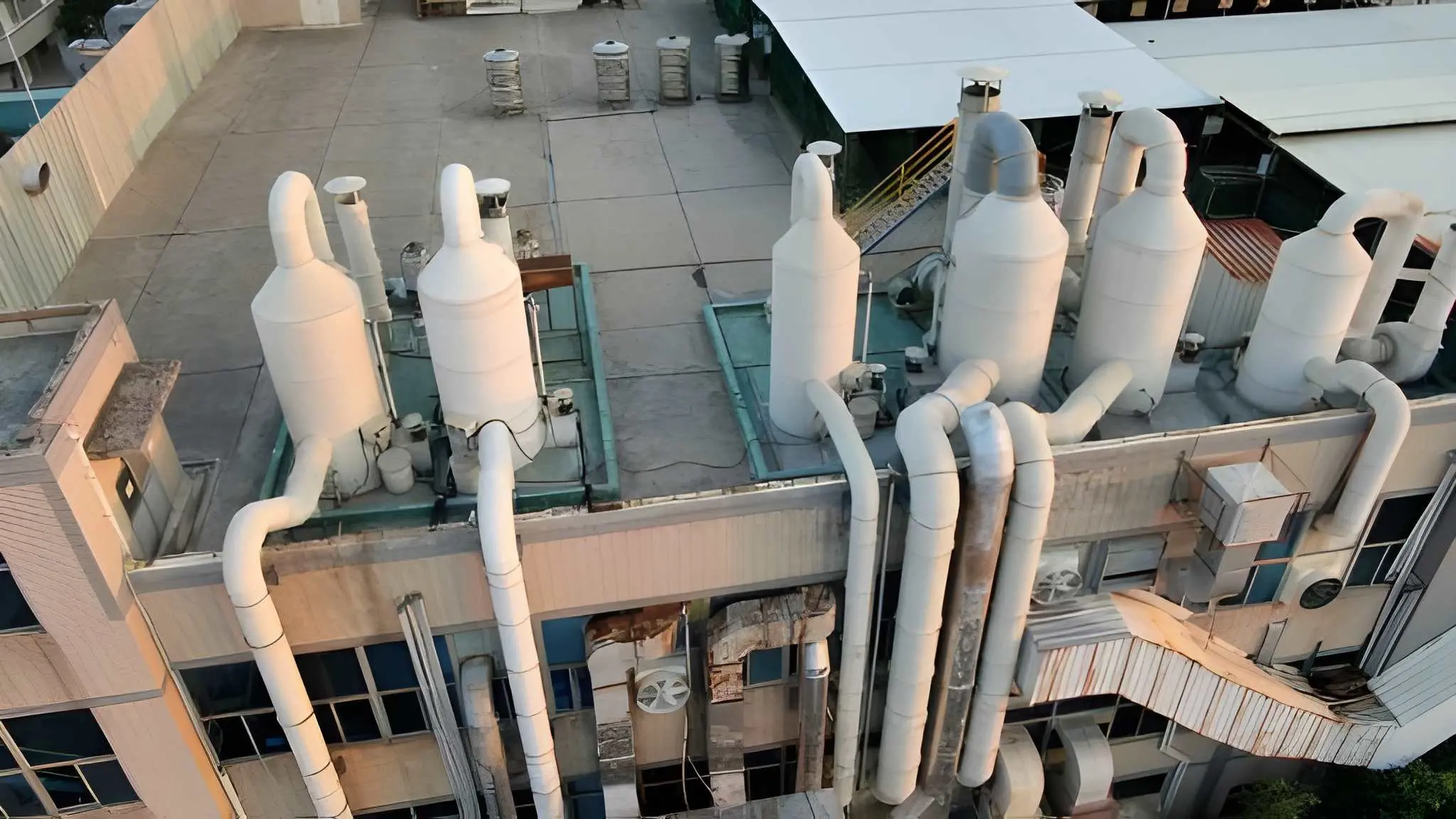
Industrial growth brings many benefits, but it also creates serious air pollution challenges. Factories that handle chemicals like hydrochloric acid (HCL) must manage harmful fumes carefully. One of the most effective solutions for this problem is a wet scrubber system, especially an hcl tank vent scrubber.
In this article, we will explain everything in simple and clear language. You will learn what an HCL tank vent scrubber is, how it works, why it is important, and how it helps industries meet environmental and safety standards. This guide is written to be easy to understand, SEO-friendly, and useful for manufacturers, engineers, and business owners.
What Is an HCL Tank Vent Scrubber?
An HCL tank vent scrubber is a type of wet scrubber used in industrial air purification systems. It removes hydrochloric acid fumes from air released through storage tank vents.
Hydrochloric acid is widely used in industries such as chemical manufacturing, metal processing, pharmaceuticals, food processing, and water treatment.
When HCL is stored in tanks, harmful vapors can escape through vents. These vapors are corrosive, toxic, and dangerous for both people and the environment. A tank vent scrubber captures and neutralizes these fumes before they are released into the atmosphere.
Why Controlling HCL Vapors Is Important
Health Risks of HCL Fumes
Hydrochloric acid vapors can cause serious health problems such as breathing difficulties, eye and skin irritation, long-term lung damage, and workplace safety hazards. Even low levels of exposure can be harmful if inhaled regularly.
Environmental Impact
HCL emissions can damage nearby vegetation, corrode buildings and equipment, contribute to air pollution, and violate environmental regulations. Because of these risks, industries must use reliable air pollution control systems.
How Does an HCL Tank Vent Scrubber Work?
Basic Working Principle
An HCL tank vent scrubber uses liquid, usually water or a chemical solution, to remove acid vapors from air. This process is known as wet scrubbing.
First, contaminated air from the tank vent enters the scrubber. The air then passes through a packed bed or spray section where it comes into contact with the scrubbing liquid. The HCL vapors dissolve into the liquid and are neutralized. Clean air is then safely released into the atmosphere, while the used liquid is collected for treatment or disposal.
Key Components of an HCL Tank Vent Scrubber
Scrubber Housing
The scrubber body is typically made from corrosion-resistant materials such as FRP, PVC, or polypropylene to withstand acidic conditions.
Packing Media
Packing media increases the surface area for gas and liquid contact, improving removal efficiency.
Spray Nozzles
Spray nozzles distribute the scrubbing liquid evenly throughout the system.
Mist Eliminator
A mist eliminator removes liquid droplets from the cleaned air before it exits the scrubber.
Circulation Tank and Pump
The scrubbing liquid is collected, circulated, and reused to improve performance and reduce operating costs.
Benefits of Using an HCL Tank Vent Scrubber
Using an HCL tank vent scrubber provides high removal efficiency, often exceeding 99 percent. It improves workplace safety by reducing harmful exposure to acid fumes. It also helps industries meet environmental regulations, protects nearby equipment from corrosion, and offers a cost-effective solution compared to other air pollution control technologies.
Industries That Use HCL Tank Vent Scrubbers
HCL tank vent scrubbers are commonly used in chemical manufacturing plants, metal pickling and processing facilities, pharmaceutical production units, food processing plants, and water treatment facilities where hydrochloric acid is stored or handled.
Types of Wet Scrubbers Used for HCL Control
Packed Bed Scrubbers
Packed bed scrubbers are the most commonly used type for HCL tank vents because they offer excellent gas-liquid contact and high efficiency.
Spray Tower Scrubbers
Spray tower scrubbers use liquid sprays to wash acid fumes from the air stream.
Venturi Scrubbers
Venturi scrubbers are used when very high removal efficiency is required, especially in systems with high gas velocities.
Design Considerations for an HCL Tank Vent Scrubber
When designing an HCL tank vent scrubber, factors such as airflow rate, acid concentration, material selection, maintenance accessibility, and compliance with local environmental regulations must be considered to ensure reliable operation.
Maintenance and Operation Tips
Regular inspection helps identify leaks, corrosion, or blockages early. Monitoring the pH level of the scrubbing liquid ensures effective neutralization. Cleaning packing media prevents pressure drops and performance loss. Replacing worn components on time and maintaining proper records improve system reliability and compliance.
Why Choose a High-Quality HCL Tank Vent Scrubber?
A high-quality scrubber system offers long service life, lower operating costs, better emission control, and consistent performance. Choosing the right manufacturer ensures the system is designed specifically for your industrial requirements.
Future of Industrial Air Pollution Control
As environmental regulations become more strict, the demand for efficient wet scrubbers continues to grow. Advancements in materials, automation, and monitoring systems are making HCL tank vent scrubbers more reliable and easier to operate.
Conclusion
An HCL tank vent scrubber is a vital solution for industries that store or use hydrochloric acid. It protects workers, equipment, and the environment by safely removing harmful acid vapors from vented air. With proper design, installation, and maintenance, these systems support safe operations and long-term environmental compliance while promoting cleaner air for everyone.
Also Read-Marketing for Business Growth
