Last updated on March 18th, 2026 at 04:34 pm
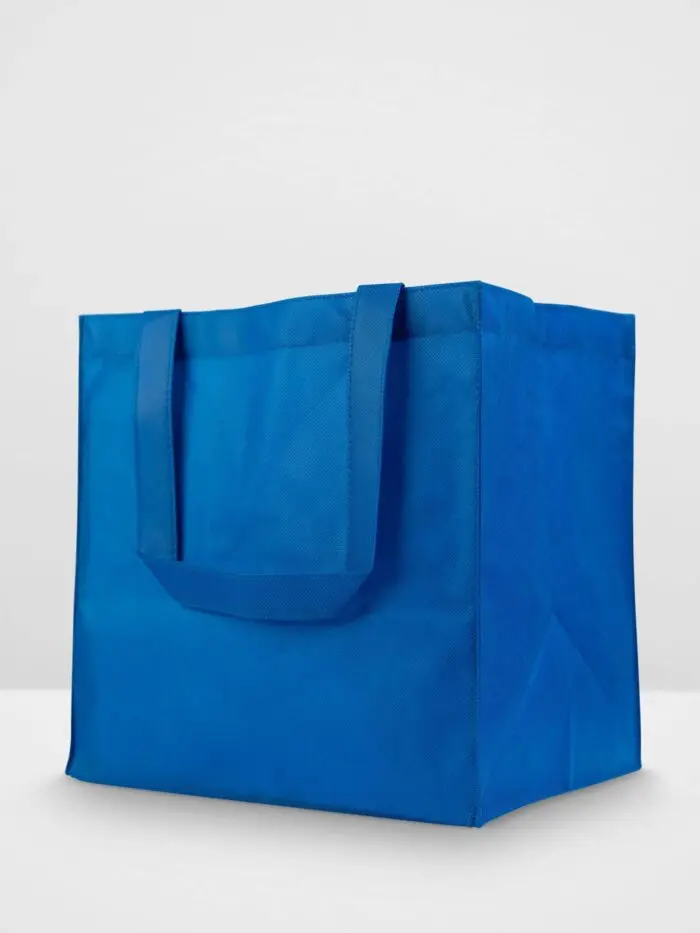
The retail packaging industry in Australia is poised to undergo significant transformations in the coming years. With a shift towards sustainability and eco-friendly solutions, the use of alternatives such as the Non woven bag by Claytons Australia is expected to rise. These changes are driven by both consumer demand and regulatory requirements that push for reduced environmental impact.
Trends Driving Change
One major trend influencing the future of retail packaging is the increased focus on sustainability. Consumers are more conscious of the environmental footprint of the products they purchase, leading retailers to adopt eco-friendly packaging solutions. Products like Calico bags wholesale are becoming popular as they provide a biodegradable and reusable alternative.
Another trend is the innovation in materials used for packaging. Companies are investing in research and development to create packaging that is not only sustainable but also durable and functional. This includes the use of recyclable materials and the development of new composites that can replace traditional plastics.
Regulatory Influence
Government regulations play a crucial role in shaping the packaging industry in Australia. Policies aimed at reducing plastic waste and promoting recycling have been implemented, which will likely continue to evolve. Retailers must adapt to these regulations by incorporating environmentally friendly packaging options into their offerings.
The Australian government’s focus on reducing carbon emissions is another factor influencing retail packaging. By aligning packaging solutions with these goals, companies can not only comply with regulations but also appeal to eco-conscious customers.
Innovations in Packaging Design
Innovation in design is crucial for the future of retail packaging. As consumer preferences shift, packaging designs must adapt to meet new demands such as convenience and sustainability. Durable solutions like durable drawstring bags are not only functional but also environmentally friendly, aligning with the current market trends.
Smart packaging solutions that incorporate technology to enhance the consumer experience are also gaining traction. Features such as QR codes for detailed product information or augmented reality experiences are becoming more common.
Challenges Facing the Industry
Despite the positive trends, the retail packaging industry in Australia does face several challenges. The cost of developing and implementing sustainable packaging solutions can be high, posing a barrier for some businesses. Additionally, there are logistical challenges in the supply chain when integrating new materials and designs.
Another significant challenge is educating both businesses and consumers about the benefits of sustainable packaging. While the demand for eco-friendly products is on the rise, there is still a need for more comprehensive education to make these solutions mainstream.
Opportunities for Growth
The evolving landscape of retail packaging presents numerous opportunities for growth. Businesses that can innovate and offer cost-effective, sustainable solutions will likely gain a competitive advantage. There is also potential for collaboration across industries to develop new technologies and materials that enhance the sustainability and functionality of packaging.
Companies that can successfully navigate the regulatory environment and meet consumer demand for sustainable products will be well-positioned to thrive in the future market.
The Role of Technology
Technology will have a significant impact on the future of retail packaging. From improving supply chain efficiency to developing smart packaging solutions that enhance user experience, technological advancements are crucial. Automation in production and recycling processes can reduce costs and increase the sustainability of packaging solutions.
The use of data analytics to optimise packaging design and functionality is another area where technology will play a pivotal role. By understanding consumer behaviour and preferences, companies can tailor their packaging solutions to better meet the needs of the market.
Conclusion
The future of retail packaging in Australia is shaped by sustainability, innovation, and technology. As the industry evolves, businesses must be proactive in adopting eco-friendly solutions and leveraging technology to stay competitive. By doing so, they can not only comply with regulations but also cater to the growing consumer demand for sustainable products.
Also Read
- Making Eye Exams Smoother With Better Tech
- Marketing for Business Growth
- Breathedivinity Clothing – Where Faith, Fashion, and Meaning Unite
