Breastfeeding is a journey that blends instinct, nutrition, and scientific guidance. For new mothers, providing optimal nourishment to their babies while maintaining their own health can often feel overwhelming. Understanding the science behind breast milk lactation, tracking milk supply, and accessing supportive tools empowers mothers to navigate this critical period with confidence and ease.
With the right combination of professional guidance, nutritional support, and modern technology, breastfeeding can be both effective and enjoyable. Early intervention, targeted strategies, and digital tools help mothers monitor progress, manage challenges, and optimize their lactation outcomes. By leveraging these resources, both mother and child can thrive during this pivotal stage of early development.
Understanding the Benefits of Breast Milk Lactation
Breast milk lactation is the foundation of infant nutrition, providing essential nutrients, antibodies, and bioactive compounds that support immunity and development. Establishing and maintaining consistent milk production is crucial for the health of both mother and baby.
Key Insights on Breast Milk Lactation
- Nutritional Excellence: Breast milk contains the perfect balance of proteins, fats, and carbohydrates that adapt to a baby’s needs, supporting growth and brain development.
- Immunity Support: Rich in antibodies and immune cells, breast milk helps newborns fight infections and build a stronger immune system.
- Digestive Health: Easily digestible nutrients promote healthy gut microbiota and prevent digestive issues in infants.
- Emotional Bonding: Lactation encourages skin-to-skin contact, releasing oxytocin and strengthening the emotional connection between mother and baby.
- Maternal Health Benefits: Regular breastfeeding can aid uterine contraction, support postpartum weight management, and reduce the risk of certain cancers.
- Long-Term Development: Research shows children who are breastfed often demonstrate better cognitive outcomes and healthier growth patterns.
Supplements to Help Produce Breast Milk
Maintaining milk supply can be challenging, and supplements to help produce breast milk provide an additional layer of support for mothers. Nutritional, herbal, and vitamin-based supplements can complement a balanced diet and enhance lactation efficiency.
Effective Supplement Strategies
- Herbal Galactagogues: Ingredients like fenugreek, fennel, and blessed thistle are commonly used to stimulate milk production naturally.
- Vitamin and Mineral Support: Adequate levels of B vitamins, vitamin D, and iron are essential for sustaining energy levels and promoting milk synthesis.
- Hydration and Electrolytes: Proper fluid intake maintains milk volume and prevents dehydration, a key factor in lactation success.
- Protein-Rich Diets: Including quality protein sources ensures the amino acids needed for producing nutrient-rich breast milk.
- Omega-3 Fatty Acids: DHA and EPA from fish oil or plant sources improve the quality of breast milk for brain and eye development.
- Personalized Supplement Plans: Consulting lactation specialists helps mothers choose supplements that fit their specific nutritional needs.
Strategies for Boosting Milk Supply
For many mothers, the best way to boost milk supply involves a combination of lifestyle adjustments, proper techniques, and consistent monitoring. Small changes can have a significant impact on lactation outcomes.
Proven Techniques to Enhance Milk Production
- Frequent Feeding: Nursing on demand stimulates the breasts to produce more milk through increased prolactin release.
- Proper Latch and Positioning: Ensuring the baby latches correctly prevents discomfort and promotes more effective milk transfer.
- Breast Compression and Pumping: Gentle compression during feeding or using a breast pump can encourage additional milk flow.
- Balanced Diet and Rest: Adequate nutrition and sleep support hormone regulation and energy levels necessary for sustained lactation.
- Avoiding Stress: High stress can negatively affect milk let-down; mindfulness and relaxation techniques help maintain supply.
- Tracking Output: Monitoring diaper counts and weight gain provides reassurance and helps adjust feeding schedules as needed.
Monitoring Lactation with Modern Tools
Integrating technology into breastfeeding routines can improve monitoring and efficiency. Tools designed to track intake, feeding times, and pumping sessions empower mothers to make informed decisions about their lactation.
Key Features of Lactation Tools
- Digital Feeding Logs: Apps allow mothers to record feeding frequency, duration, and output, providing insights into patterns and trends.
- Pump Usage Tracking: Monitoring pumping sessions ensures consistent milk removal, which is crucial for maintaining supply.
- Growth and Development Metrics: Linking feeding data to infant weight and milestones helps assess nutritional adequacy.
- Reminders and Alerts: Notifications for scheduled feeds or pumping times help busy mothers maintain routine.
- Data Sharing with Specialists: Secure platforms allow lactation consultants or pediatricians to review progress and offer personalized advice.
- Analysis and Trends: Graphical summaries and analytics help identify potential issues early, supporting timely interventions.
Optimizing Diet and Lifestyle for Lactation
Diet, hydration, and lifestyle choices are central to successful breastfeeding. Incorporating nutrient-rich foods and maintaining overall wellness supports both the quantity and quality of breast milk.
Essential Lifestyle Considerations
- Balanced Meal Planning: Incorporating whole grains, lean proteins, fruits, and vegetables provides the nutrients needed for optimal lactation.
- Regular Hydration: Water intake should be consistent, as dehydration can reduce milk volume.
- Moderate Exercise: Gentle postpartum exercise helps regulate metabolism and energy levels without compromising milk production.
- Stress Management: Mindfulness, meditation, and adequate rest reduce cortisol levels that can impact milk let-down.
- Avoiding Harmful Substances: Limiting caffeine, alcohol, and certain medications ensures milk safety and maternal health.
- Nutrient Timing: Consuming snacks rich in protein or healthy fats around feeding times can improve milk composition and maternal energy.
Combining Expert Guidance and Digital Support Through the Mylo Pregnancy App
The Mylo Pregnancy App offers mothers a comprehensive digital companion to navigate every stage of pregnancy and postnatal care. By combining expert guidance from certified healthcare professionals with interactive tools, the app helps track nutrition, breastfeeding schedules, and maternal wellness. Features such as reminders for feeding, hydration, and supplement intake empower mothers to maintain consistency in their routines. Additionally, personalized insights and educational content provide evidence-based recommendations to enhance milk production and infant health. Integration with lactation tracking and wellness monitoring ensures that mothers receive timely feedback on progress. With the Mylo Pregnancy App, mothers can confidently balance daily responsibilities while optimizing both maternal and infant well-being.
Conclusion
Supporting lactation requires a multi-faceted approach, combining nutrition, supplements, lifestyle adjustments, and modern monitoring tools. From maintaining breast milk lactation to incorporating supplements to help produce breast milk, tracking patterns with technology, and applying practical strategies to boost supply, mothers can confidently manage breastfeeding challenges.
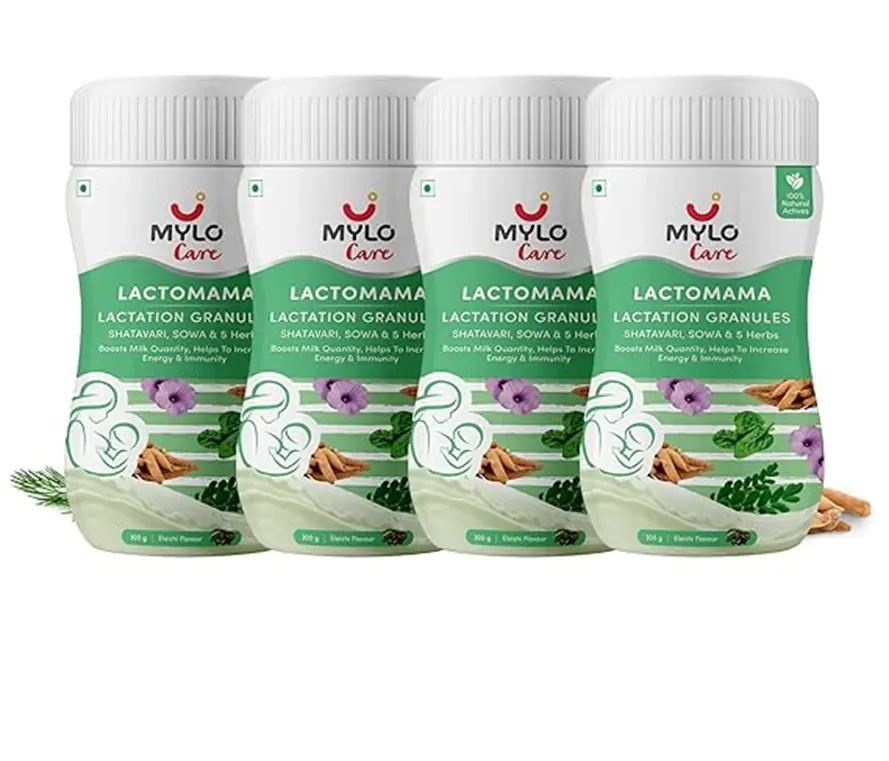
Mylo offers a holistic solution with Mylo Lactomama Granules, helping nursing mothers maintain healthy milk production and overall wellness. Through science-backed formulations and supportive tools, Mylo empowers mothers to navigate the breastfeeding journey with confidence, convenience, and care, ensuring both maternal and infant health flourish.
Also Read
- Making Eye Exams Smoother With Better Tech
- Marketing for Business Growth
- How Online Grocery Delivery Is Changing Daily Life in Karachi
