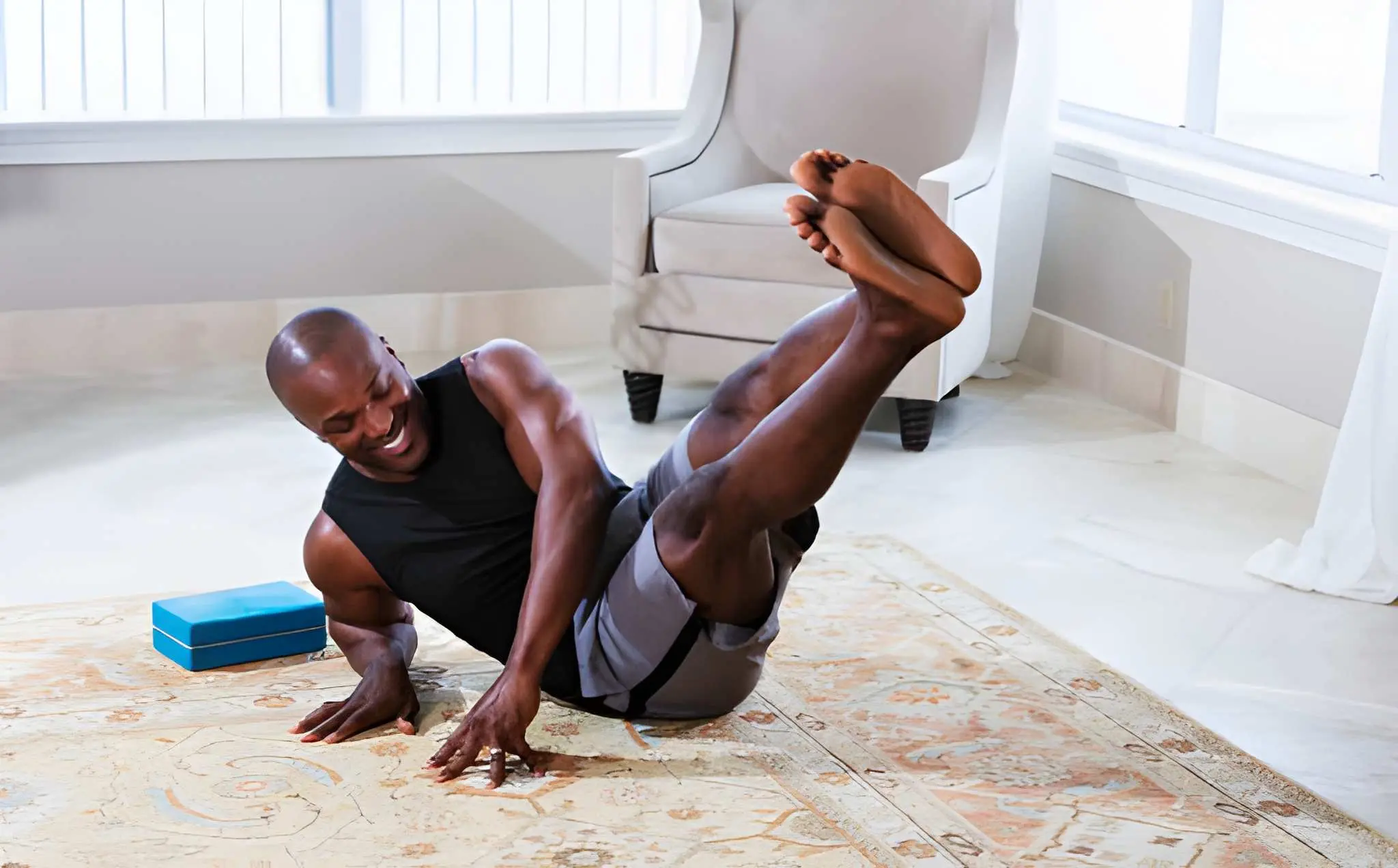
Training your core at home sounds simple—until you actually try to stay consistent. Life gets busy, motivation fluctuates, and floor exercises don’t always feel friendly on tired backs or tight hips. That’s why many people start exploring abs trainer devices: tools designed to help activate core muscles more effectively without turning workouts into a chore.
But with so many options available, finding the right abs trainer for your routine can feel overwhelming. The best choice isn’t about trends or promises of quick results. It’s about fit—how well a device matches your lifestyle, comfort level, and fitness goals.
Why Core Training Matters More Than You Think
The core isn’t just about appearance. It’s the central support system for nearly every movement you make—standing, bending, lifting, and even sitting. When your core is engaged and strong, everyday tasks feel easier and more stable.
Think about industries like construction or logistics, where workers rely on proper lifting techniques to avoid injury. Core strength plays a huge role there. The same principle applies at home: carrying groceries, picking up kids, or spending long hours at a desk all depend on a stable midsection.
Many people struggle to engage their core properly during traditional exercises like crunches or planks. That’s where abs trainer devices come in. They help create awareness and activation, especially for beginners or those returning to fitness after a break.
Understanding Different Types of Abs Trainer Devices
Not all abs trainers work the same way. Some rely on resistance, others on movement guidance, and some use electrical muscle stimulation (EMS) to activate muscles through gentle pulses. Understanding these differences helps narrow down what might work best for you.
EMS-based devices, for example, send small electrical signals to the muscles, which then contract. This mirrors how your brain naturally signals muscles during movement. The concept has been used for years in physical therapy and athletic recovery, and it’s now adapted for home use.
If you’re curious about how muscle activation works from a scientific perspective, learning about electrical muscle stimulation can offer a helpful background on how external signals interact with muscle fibers.
The key takeaway? No device replaces movement entirely. The best abs trainers support your workouts—they don’t do the work for you.
What to Look for When Choosing an Abs Trainer
Choosing the right device is less about features and more about how those features fit into your routine. Here are some practical things to consider:
Comfort and Adjustability
If a device isn’t comfortable, it won’t get used. Look for adjustable intensity levels, flexible straps, or ergonomic designs that fit different body shapes. Comfort encourages consistency, which matters far more than intensity.
In wearable technology industries—like fitness trackers or ergonomic office chairs—design always prioritizes comfort for long-term use. Abs trainers should follow the same principle.
Ease of Use
The best abs trainer is one you don’t have to think about too much. Simple controls, clear instructions, and quick setup make it easier to integrate into daily life. If using a device feels like a project, it’s more likely to gather dust.
Versatility
Some devices work best when paired with movement, while others can be used during rest or recovery. Versatility allows you to adapt usage based on energy levels. Busy day? Use it while relaxing. High-energy day? Pair it with bodyweight exercises.
How Abs Trainers Fit Into Real-Life Routines
One of the biggest advantages of abs trainer devices is flexibility. They’re not limited to workout time. Many people use them while watching TV, reading, or winding down in the evening.
This mirrors trends in workplace wellness, where small, consistent habits—like standing desks or short stretch breaks—are favored over intense but irregular efforts. Abs trainers support that same philosophy: steady engagement over time.
They’re also helpful for people easing back into fitness. After injury, pregnancy, or long breaks, traditional ab exercises can feel intimidating. Abs trainers offer a gentler way to reconnect with core muscles without strain.
Pairing Abs Trainers With Movement for Better Results
While abs trainers can work on their own, they’re most effective when combined with simple movement. Wearing one during exercises like squats, bridges, or seated twists can increase muscle awareness and engagement.
Athletes train this way all the time. They don’t rely on a single drill—they layer tools and techniques. Abs trainers become one layer that enhances the overall routine.
This approach also helps build a mind-muscle connection, which is essential for long-term progress. Feeling your core engaged makes it easier to activate during everyday movements.
Finding Balance Between Convenience and Expectations
It’s important to set realistic expectations. Abs trainer devices support core activation, but they’re not shortcuts. They work best alongside healthy habits like regular movement, hydration, and rest.
Think of them like posture supports or resistance bands. Helpful? Absolutely. Magic? No—and that’s okay. Sustainable fitness comes from tools that fit into real life, not ones that promise instant change.
For those researching options and comparing features, exploring a dedicated product page for the best Abs trainer device at home can provide clarity on how these devices are designed to support home routines without complicating them.
Who Benefits Most From Abs Trainer Devices
Abs trainers can be useful for a wide range of people:
- Beginners who struggle with traditional ab exercises
- Desk workers who want better core engagement and posture
- Busy parents fitting workouts into short windows.
- Fitness enthusiasts looking to supplement existing routines.
- Those in recovery phases who need low-impact activation
Across industries—from rehabilitation to professional sports—the focus is shifting toward smarter, rather than harder, training. Abs trainers align well with that mindset.
Final Thoughts: Choosing What Works for You
Finding the right abs trainer device isn’t about chasing trends or copying someone else’s routine. It’s about choosing a tool that fits your lifestyle, comfort level, and goals.
The best device is one you’ll actually use—consistently, comfortably, and confidently. When paired with movement and healthy habits, abs trainers can help you build a stronger, more engaged core without adding stress to your schedule.
In the end, home fitness works best when it feels supportive rather than demanding. With the right abs trainer, core training becomes less intimidating and more sustainable—one small, effective step at a time.
Also Read-What Playtech Slot Has The Biggest Hit Frequency?
