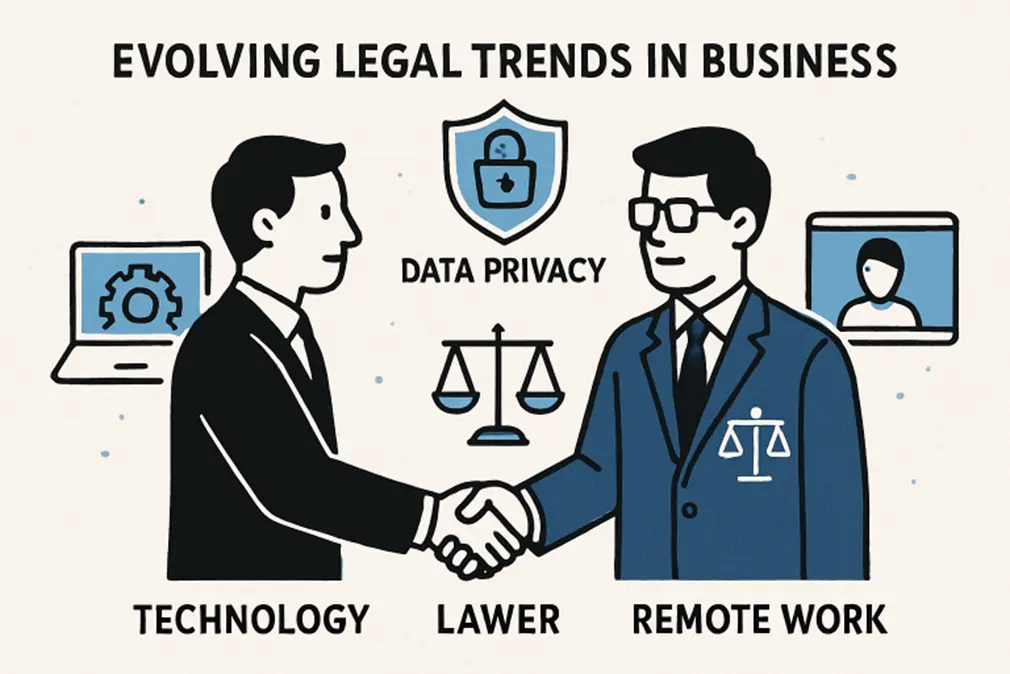
Businesses in every sector are facing a rapid evolution of legal challenges and opportunities as new technology, regulatory changes, and client demands reshape the legal landscape. Staying informed about these trends is crucial for any company seeking to secure adequate legal representation and future-proof its operations. Companies seeking strategic guidance can benefit significantly from seasoned attorneys in Colorado for businesses who understand these shifting dynamics. Proactive engagement and adaptation to these legal developments enable organizations to navigate complex regulatory environments, ensure compliance, and maintain a competitive edge.
The emerging trends are not only shaping; strong governance frameworks must accompany the use of AI by law firms to innovate and deliver more transparent, efficient, and client-focused services. Business leaders and their attorneys must stay attuned to regulatory changes, cybersecurity needs, and evolving work models, while also leveraging cutting-edge technologies and alternative legal service options.
AI Integration in Legal Practices
Artificial Intelligence (AI) has swiftly become a transformative force in the legal industry. From automating repetitive document reviews to powering advanced legal research, AI tools enable lawyers to perform their duties more efficiently and with greater accuracy. This shift reduces operational costs, allowing legal professionals to devote more time to strategic and high-value client matters. Major law firms are increasingly incorporating AI in everything from contract analysis to litigation predictions, indicating widespread acceptance of technology as an essential legal tool.
However, as the American Bar Association notes, these innovations raise new ethical questions. Strong governance frameworks must accompany the use of AI to prevent algorithmic bias, protect client confidentiality, and ensure that human oversight remains at the forefront of decision-making. Ultimately, AI augments, rather than replaces, the role of qualified attorneys; however, firms must ensure that their staff and processes are adequately trained and monitored.
Alternative Legal Service Providers
Parallel to technological advancements, the rise of Alternative Legal Service Providers (ALSPs) is dramatically altering the delivery of legal services. These organizations specialize in targeted tasks, including e-discovery, litigation support, and regulatory compliance. Due to lower overhead and the use of novel delivery models, ALSPs frequently offer their services at a fraction of the cost of traditional firms. This has led to rapid market growth, particularly among small to mid-sized businesses and corporations seeking scalable and cost-effective solutions.
Law firms are responding by either forming alliances with ALSPs or developing their own internal service arms to remain competitive and meet modern client expectations. According to a report by Thomson Reuters, the ALSP market has grown to an estimated $28.5 billion, driven by an 18% compound annual growth rate from 2021 to 2023, underscoring its integral role in today’s legal ecosystem.
Cybersecurity and Data Privacy
With business operations increasingly reliant on digital platforms, the legal landscape surrounding cybersecurity and data privacy becomes more complex every year. Major breaches—such as those affecting financial institutions, healthcare systems, and governmental agencies—have prompted stricter privacy regimes and increased the stakes for non-compliance. In the United States, regulations such as the California Consumer Privacy Act (CCPA) and the expansion of the General Data Protection Regulation (GDPR) in the European Union force businesses to adopt more rigorous data governance, risk assessment, and response protocols.
Businesses must closely coordinate with legal advisors to ensure that all processes, from employee training to cloud storage solutions, comply with relevant data protection and privacy laws. Proper risk mitigation isn’t just about preventing costly data breaches; it’s also about safeguarding brand reputation and client trust. Firms attuned to these regulatory shifts provide immense value by navigating legal complexities in a world where even minor security lapses can prove devastating.
Remote and Hybrid Work Models
The evolution toward remote and hybrid work environments, propelled by the global pandemic, has become a core part of the business legal dialogue. Remote work introduces specific compliance and liability issues related to employment regulations, workplace safety, tax implications, and cybersecurity. Employers must adapt contracts, onboarding processes, and internal policies to ensure consistency with labor laws and emerging best practices.
Legal professionals play a crucial role in shaping company policy and supporting swift adjustments to local, state, and federal regulations. Addressing contractual rights, insurance coverage, and digital communication safeguards allows organizations to maintain compliance while attracting and retaining diverse, distributed talent. Flexible work models, supported by thorough legal risk assessments, are rapidly becoming industry norms and a competitive edge for forward-thinking companies.
Client-Centric Services
In today’s business environment, clients demand more than just legal expertise—they seek trusted partners who are genuinely invested in their long-term success. This client-centric shift is reflected in practices such as transparent and flexible billing, consistent communication with actionable insights, and a proactive approach that anticipates potential challenges before they arise. Law firms that develop customized legal strategies, provide ongoing education, and tailor solutions to each client’s unique needs foster loyalty and enduring professional relationships. Technology has amplified this trend, enabling clients to access case updates, essential documents, and billing information in real time through secure online portals. Firms that combine deep legal knowledge with a seamless, client-focused experience are redefining industry standards, delivering measurable value, and building partnerships that extend well beyond individual cases.
Conclusion
Staying competitive and safeguarded in today’s rapidly changing legal landscape demands more than just compliance—it requires vigilance, adaptability, and strategic collaboration. Businesses must remain informed about emerging regulations, technological advancements, and shifting market dynamics to protect their interests and maintain a competitive edge. Partnering with both established legal providers and innovative new entrants enables organizations to access a broader range of expertise, from traditional corporate law to cutting-edge fields such as artificial intelligence, cybersecurity, and data privacy. The future of business legal representation emphasizes proactive engagement, creative problem-solving, and ongoing evolution, ensuring that legal strategies align with both current regulations and forward-looking opportunities. By embracing innovation and collaboration, companies can navigate complex challenges while safeguarding assets, reputation, and long-term growth.
Also Read-Marketing for Business Growth
