Providing quality care means being ready for emergencies. Accidents and sudden medical issues can happen anytime. Caregivers, healthcare workers, and staff need the right training to respond quickly and safely.
Certified emergency skills give confidence and knowledge to act correctly. Read on to learn how certified emergency skills can improve care quality and safety for everyone.
The Importance of Emergency Skills
Emergencies are often sudden and unpredictable. Without proper training, caregivers may hesitate or make mistakes. Certified emergency skills teach clear steps to follow in these situations.
Being prepared reduces stress for both caregivers and patients. People feel safer when staff can act confidently. Families also trust caregivers more when they know emergencies will be handled professionally.
Emergency skills are not just about doing tasks. They also teach communication, decision-making, and teamwork. These abilities help caregivers provide care that is safe, effective, and timely.
Key Components of Certification
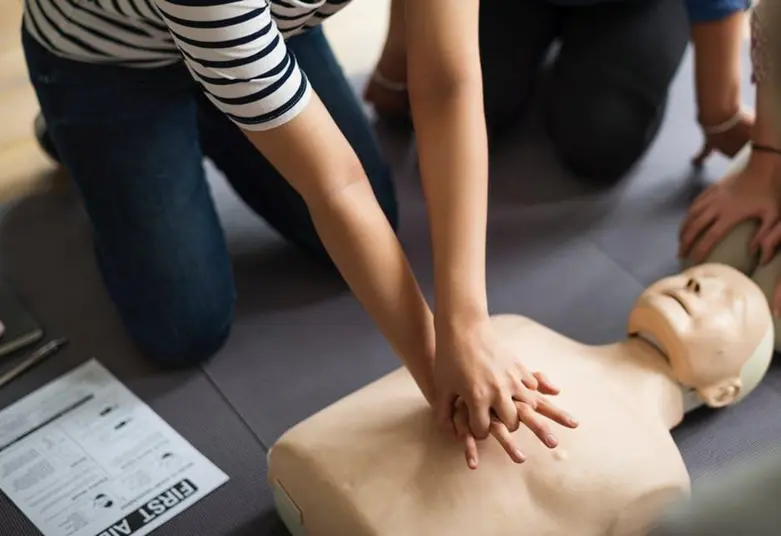
Certification programs cover the most important emergency skills. CPR, or cardiopulmonary resuscitation, helps restart the heart and maintain blood flow during a cardiac emergency.
First aid teaches caregivers how to treat injuries, burns, cuts, and sudden illnesses. Choking response skills help clear blocked airways to prevent suffocation. Learning to use an automated external defibrillator guides staff in safely restarting a heart.
Hands-on practice is a key part of these programs. Real-life scenarios give caregivers the confidence to act quickly. Some courses also allow professionals to get BLS certified, which is often required in workplaces that handle emergencies.
Building Confidence in Care
One major benefit of certified emergency skills is confidence. Trained staff know what to do without hesitation. This improves patient safety and reduces panic in stressful situations.
Confident caregivers can also notice risks before they become serious. Being prepared prevents accidents or complications. This creates a safer environment for patients, visitors, and staff alike.
Standardizing Skills Across Teams
Certification ensures all staff have the same knowledge. This is important in hospitals, schools, and offices. When everyone is trained the same way, teams work better together.
Communication improves, and mistakes are less likely. Patients receive consistent care, no matter who assists them. Standardized training also helps workplaces meet legal and industry requirements.
Continuous Training and Updates
Emergency skills can fade if not practiced regularly. Certification programs often require renewal every one to two years to keep caregivers ready and up to date.
Regular updates teach new methods and introduce better techniques. Ongoing training helps staff stay sharp and confident. Teams are always prepared for emergencies.
Improving Patient Outcomes
The main goal of certified emergency skills is better care. Quick and correct action reduces the severity of injuries. Trained staff can stabilize patients until further help arrives. Minor issues are less likely to become major problems.
Patients recover faster and families feel reassured. Facilities with certified staff are often rated higher in trust and satisfaction. Families feel safer leaving loved ones in trained hands.
Learn All About Certified Emergency Skills
Certified emergency skills are essential for anyone caring for others. CPR, first aid, and emergency training improve safety, confidence, and teamwork. Ongoing practice keeps skills sharp and ready.
By investing in certification, workplaces and caregivers provide better care. Staff can act quickly, prevent accidents, and improve patient outcomes. Prioritizing emergency training elevates care quality and builds trust for everyone.
Did you find this article helpful? Check out the rest of our blog for more!
Also Read
- Making Eye Exams Smoother With Better Tech
- Pure Mist Topicals LLC: Understanding CBD Topical Formulations for Pain Relief
- What Business Owners Should Know Before Starting a Commercial Construction Project
