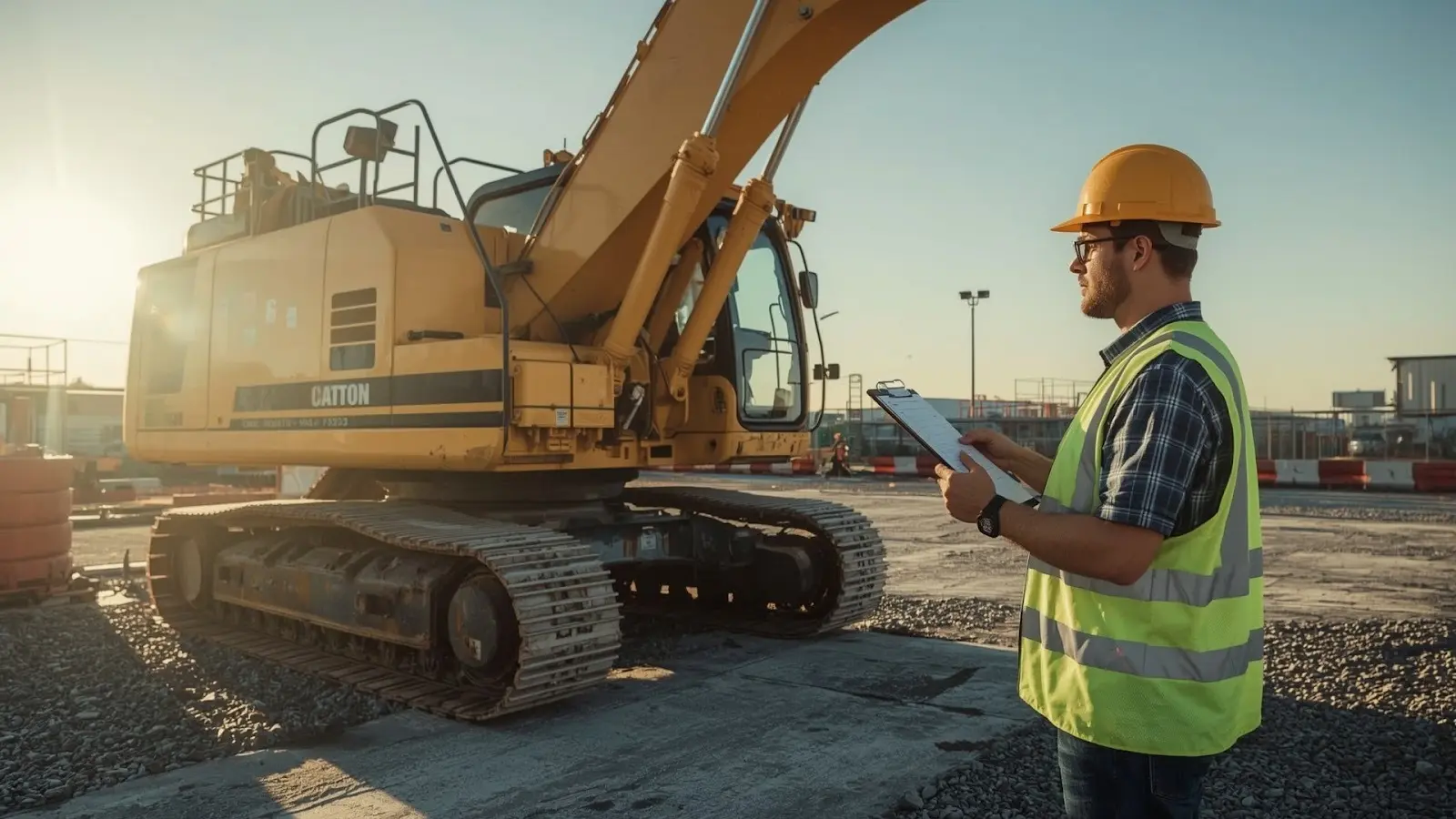
Every piece of heavy equipment on a construction site carries risk. A missed crack in a crane hook, a worn hydraulic line on an excavator, or a faulty brake on a boom lift can turn a normal workday into a catastrophe. Construction equipment inspection is the structured process that catches these problems before they become tragedies.
Inspection is not just a box to check for compliance. It is an active risk management tool that protects workers, controls liability, and keeps project timelines on track. Understanding how it works, what it covers, and who should perform it is essential for any site manager or equipment owner.
Key Takeaways
- Inspections are legally required: OSHA standards mandate regular inspection of cranes, lifts, and other heavy equipment on construction sites.
- Three inspection types exist: Pre-shift, frequent, and periodic inspections each serve a different purpose and frequency.
- Qualified personnel matter: Not all inspections can be done by an operator. Some require a certified or accredited inspector.
- Documentation is not optional: Written records protect your company during audits, insurance claims, and legal disputes.
- Local expertise adds value: Working with a crane inspection company in Cary or your specific region ensures familiarity with local jobsite conditions and regulations.
What Is Construction Equipment Inspection and Why Does It Matter?
Quick Answer: Construction equipment inspection is a formal evaluation of machinery condition, safety systems, and structural integrity. It matters because OSHA 29 CFR 1926 Subpart CC requires it, and uninspected equipment is a leading cause of construction fatalities and project shutdowns.
Inspection covers everything from physical wear and structural damage to load ratings, fluid levels, and safety device functionality. The goal is simple: confirm the equipment can perform its intended task without putting anyone at risk.
Beyond safety, inspections reduce unplanned downtime. Catching a failing component during a pre-shift check costs far less than an emergency repair mid-project. Insurance carriers also use inspection records to evaluate claims, so proper documentation directly affects your financial exposure.
What Are the Three Types of Construction Equipment Inspections?
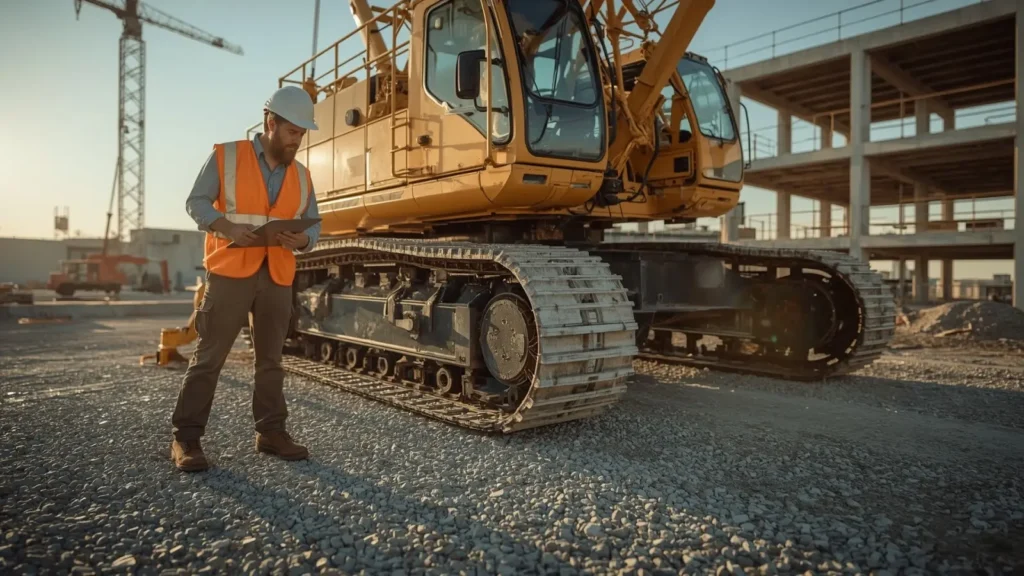
Quick Answer: The three types are pre-shift (daily), frequent (weekly to monthly), and periodic (annual or manufacturer-defined). Each targets different failure modes. Pre-shift checks focus on obvious defects; periodic inspections involve dismantling components for deep assessment.
Pre-Shift Inspections
Operators perform pre-shift inspections before each use. These cover visible structural damage, fluid leaks, tire or track condition, controls, and safety devices like horns and lights. The process typically takes 10 to 20 minutes and should follow a written checklist.
Frequent Inspections
Frequent inspections occur weekly or monthly, depending on equipment use intensity. A qualified person, meaning someone with relevant training and authority to remove equipment from service, conducts these. They go deeper than daily checks, examining wire ropes, hoist chains, brakes, and load indicators.
Periodic Inspections
Periodic inspections happen annually or as defined by the manufacturer. These require a certified inspector and may involve disassembly, load testing, and non-destructive evaluation techniques like ultrasonic or magnetic particle testing. This is where professional crane inspectors Cary NC and similar certified professionals provide the most critical value.
Which Equipment Requires Formal Inspection Under OSHA Standards?
Quick Answer: OSHA requires formal inspection for cranes, derricks, aerial lifts, forklifts, and excavators on construction sites. Cranes fall under 29 CFR 1926.1412, which specifies inspection frequency, qualified person requirements, and documentation standards.
| Equipment Type | Governing Standard | Inspection Frequency | Inspector Requirement | Load Test Required |
|---|---|---|---|---|
| Cranes and Derricks | 29 CFR 1926.1412 | Pre-shift, frequent, annual | Certified (NCCCO or equivalent) | Yes, after modification |
| Aerial Work Platforms | 29 CFR 1926.453 | Daily before use | Qualified operator | No standard requirement |
| Forklifts (Industrial) | 29 CFR 1910.178 | Daily before each shift | Trained operator | No standard requirement |
| Excavators | 29 CFR 1926.602 | Pre-use daily check | Qualified operator | No standard requirement |
| Hoists and Rigging | 29 CFR 1926.1416 | Pre-shift and periodic | Qualified or certified person | Yes for rated loads |
What Qualifications Should a Construction Equipment Inspector Have?
Quick Answer: Crane inspectors must hold NCCCO certification or an equivalent accredited credential. For other heavy equipment, OSHA requires a “qualified person,” defined as someone with recognized training, knowledge, and the authority to take equipment out of service.
Certification programs through the National Commission for the Certification of Crane Operators (NCCCO) set the benchmark for crane inspection competency. Inspectors typically complete written and practical exams, maintain continuing education credits, and recertify on a five-year cycle.
For site managers evaluating vendors, always request proof of current certification, liability insurance, and familiarity with the specific equipment manufacturer’s inspection criteria. A qualified crane inspection company in Cary will provide all three without hesitation.
How Should You Document Construction Equipment Inspections?
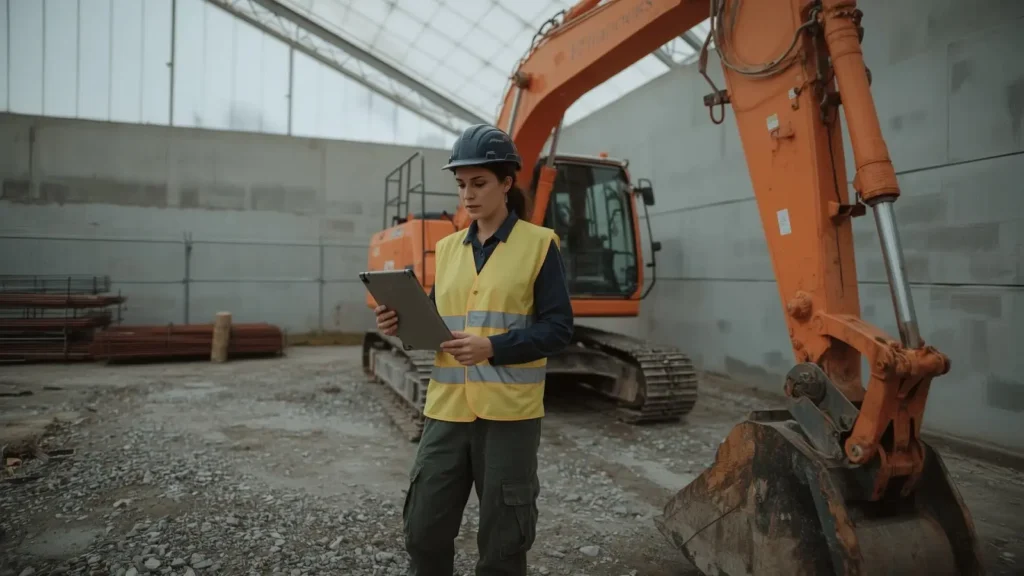
Quick Answer: Documentation must include the date, inspector name and credentials, equipment identifier, specific items checked, defects found, and corrective actions taken. OSHA requires crane inspection records to be available on the jobsite for the life of the equipment.
Digital inspection platforms have replaced paper logs on most modern jobsites. These tools timestamp entries, attach photos, and auto-flag out-of-tolerance readings. They also make records instantly available during an OSHA audit or insurance review, which can mean the difference between a fine and a cleared inspection.
Even with digital tools, consistency matters more than the platform you use. A simple checklist completed every day beats a sophisticated app used randomly.
What Happens If Equipment Fails an Inspection?
Quick Answer: Equipment that fails inspection must be immediately removed from service and tagged out. OSHA prohibits using defective equipment regardless of project deadlines. It cannot return to service until a qualified person confirms repairs are complete and documents the clearance.
Tagging out equipment is not a suggestion. Operating tagged machinery exposes your company to OSHA citations starting at $16,131 per violation for serious infractions, with willful violations reaching $161,323. Beyond fines, liability in a worker injury case increases substantially when inspection records are incomplete or ignored.
Frequently Asked Questions
How often do cranes need to be inspected on a construction site?
Cranes require a pre-shift inspection before every use, a frequent inspection weekly or monthly depending on service conditions, and a periodic inspection at least annually. OSHA 29 CFR 1926.1412 governs all three levels. After any significant repair or modification, an additional inspection and load test are required before returning the crane to service.
Can an equipment operator perform their own inspection?
Operators can and should perform pre-shift inspections. However, frequent and periodic inspections must be conducted by a qualified or certified person with the training and authority to remove equipment from service. Operators conducting their own periodic inspections without proper credentials creates a compliance gap and legal exposure.
What is the difference between a qualified person and a certified inspector?
A qualified person has training, knowledge, and experience recognized for a specific task, but does not hold a formal accredited credential. A certified inspector has passed an accredited examination, such as NCCCO, and maintains ongoing certification requirements. Cranes specifically require certified inspectors for periodic inspections under OSHA Subpart CC.
What should I look for when hiring an equipment inspection company?
Verify that inspectors hold current NCCCO certification or equivalent credentials for the equipment type involved. Ask for proof of general liability and errors and omissions insurance. Confirm they have direct experience with your specific equipment models and can provide written reports that meet OSHA documentation standards.
Also Read
- Making Eye Exams Smoother With Better Tech
- Marketing for Business Growth
- How Online Grocery Delivery Is Changing Daily Life in Karachi
