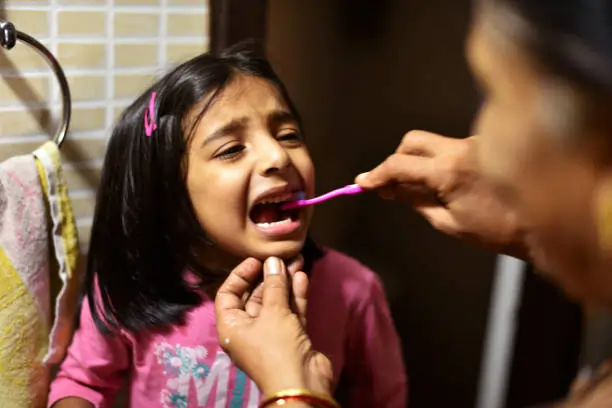
Ensuring your child maintains a bright and healthy smile goes far beyond the occasional reminder to brush before bed. Oral hygiene is a critical component of overall health, yet it is often one of the most overlooked aspects of pediatric care until a problem arises. From the moment that first tooth erupts, a child’s mouth becomes susceptible to a variety of conditions that can affect their development, nutrition, and self-esteem.
Understanding potential dental hurdles is the first step toward prevention. While many oral health issues are common, they are not inevitable. By staying informed about the signs and symptoms of dental distress, parents can intervene early, preventing minor concerns from evolving into complex, painful, and expensive procedures. Here are several common oral health issues parents should be aware of to protect their children’s smiles for years to come.
1. Tooth Decay and Cavities
Despite being largely preventable, tooth decay remains the single most common chronic disease among children aged 6 to 19. Cavities occur when sticky plaque builds up on the surface of the teeth. The bacteria in this plaque feed on sugars from food and drinks, producing acids that eat away at the tooth enamel.
Young children are particularly vulnerable because their enamel is softer and thinner than that of permanent adult teeth. “Baby bottle tooth decay” is a specific concern for infants and toddlers, often caused by prolonged exposure to sugary liquids like milk, formula, or fruit juice, especially if put to bed with a bottle. If left untreated, cavities can lead to infection and early tooth loss, which impacts the spacing of permanent teeth. Parents can combat this by wiping gums with a clean cloth before teeth emerge and supervising brushing until the child is around seven or eight years old.
2. Gingivitis and Gum Disease
We often think of gum disease as an adult problem, but it is surprisingly prevalent in children. Gingivitis is the first stage of gum disease and is characterized by swollen, red, or bleeding gums. It is usually a direct result of poor oral hygiene, specifically inconsistent brushing and a lack of flossing.
When plaque accumulates near the gum line, it irritates the soft tissue. If a child complains that their gums hurt when they brush, or if you notice blood on their toothbrush, it is likely a sign of inflammation. The good news is that gingivitis is reversible. Re-establishing a rigorous routine of brushing twice a day and flossing daily typically resolves the issue. However, if ignored, it can advance to more serious periodontal disease, causing gum recession and potential bone damage.
3. Thumb Sucking and Oral Habits
Thumb sucking and pacifier use are natural self-soothing reflexes for infants. However, if these habits persist beyond the toddler years—typically past age three or four—they can cause significant alignment issues. The constant pressure of a thumb or pacifier against the roof of the mouth and the front teeth can cause an “open bite,” where the upper and lower front teeth do not touch even when the mouth is closed.
This can lead to speech impediments, such as a lisp, and may require extensive orthodontic correction later in life. Most children stop these habits on their own, but if the behavior continues as permanent teeth begin to erupt, intervention may be necessary. Positive reinforcement and gentle reminders are usually the best first steps before consulting a dental professional for appliances that discourage the habit.
4. Tooth Sensitivity
If your child winces when eating ice cream or drinking hot cocoa, they may be suffering from sensitive teeth. Sensitivity can be caused by thinner enamel, cavities, or even cracks in a tooth. In some cases, it is a result of bruxism, or teeth grinding, which often happens at night due to stress or airway issues.
Sensitive teeth can make mealtimes difficult and may discourage children from maintaining proper hygiene because brushing becomes painful. Using a toothpaste designed for sensitive teeth can help, but it is crucial to identify the root cause. If the sensitivity is due to decay or a fracture, a filling or sealant might be required to protect the nerve and restore comfort.
5. Early Tooth Loss
Accidents happen, especially with active children learning to walk, run, and play sports. Whether due to a fall or decay, losing a primary tooth prematurely can create a domino effect of problems. Baby teeth act as placeholders for permanent teeth. When one is lost too early, the surrounding teeth may drift into the empty space, causing crowding and alignment issues when the adult tooth is finally ready to come in.
If a tooth is knocked out or must be extracted, a dentist may recommend a space maintainer. This device holds the gap open to ensure the permanent tooth can erupt correctly. Promptly addressing trauma or decay ensures that the structural integrity of the child’s bite remains intact.
6. Dental Anxiety and Phobias
While not a physical ailment, dental anxiety is a significant barrier to oral health. Fear of the dentist can prevent children from receiving necessary routine cleanings and exams, allowing minor issues to fester. This fear often stems from the unknown or past negative experiences.
Creating a positive dental home is vital. Parents should speak positively about dental visits and avoid using words like “pain” or “shot.” Finding a dental practice that specializes in pediatric care can make a world of difference. For example, a children’s dentist in South Jordan will have a specialized environment designed to be welcoming and less intimidating for young patients, helping to build a foundation of trust.
Conclusion
Protecting your child’s oral health is a continuous process that involves daily hygiene, a balanced diet, and regular professional monitoring. By staying vigilant for signs of decay, gum inflammation, and harmful oral habits, parents can prevent many of the common issues that plague childhood smiles. Early detection not only saves families from stress and expense but also sets children up for a lifetime of healthy habits and confidence. Prioritizing these checkups ensures that any developmental concerns are caught early, keeping your child’s smile bright and pain-free.
Read more: Dry and Drained: Understanding the Effects of Dehydration
How to Seek Compensation After a Drunk Driving Collision
Super88 Brand Overview in Slot Online Gaming
