Last updated on January 22nd, 2026 at 07:33 am
Stepping into the Australian sun, the distinction between a simple backyard retreat and a commercial enterprise’s functional space becomes clear through one critical element: shade. The choice between a residential and a commercial shade sails solution is far more than a matter of size or budget—it’s about matching engineering, safety, and durability to the specific demands of the space and its users. Whether you’re a homeowner envisioning a cool patio oasis or a business owner responsible for a bustling outdoor dining area, a school playground, or a customer car park, understanding this fundamental difference is the key to a successful, lasting investment. This guide will illuminate the distinct paths of residential and commercial shading, helping you navigate the crucial considerations of design, compliance, and value to select the perfect canopy for your needs in Melbourne.
What is the Core Difference Between Commercial and Residential Shade Sails?
At first glance, a shade sail might just look like a piece of fabric stretched between posts. However, the engineering philosophy behind a sail designed for a family home versus one built for a public or business space is worlds apart. The core difference lies in the intended use and the corresponding duty of care.
A residential shade sail is primarily designed for private, low-traffic use. Its key purpose is to enhance personal living space by providing sun protection and aesthetic appeal for a single household. The design considerations, while important, revolve around personal taste, budget, and the specific microclimate of a private garden.
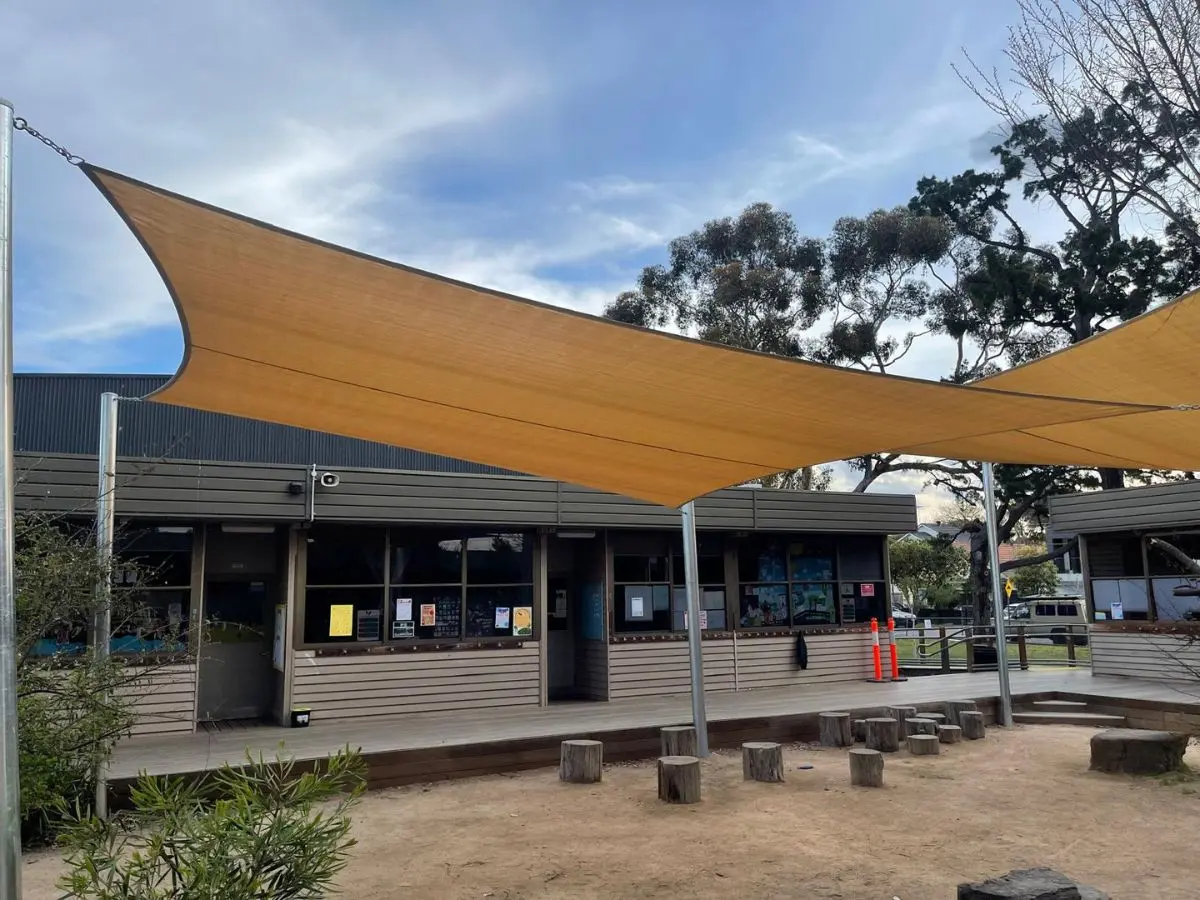
In stark contrast, a commercial shade sails project is a public-facing asset with serious responsibilities. These structures are built to safeguard patrons, employees, students, or the public in high-traffic environments. This fundamental shift in purpose triggers a cascade of different requirements. Every aspect, from the fabric’s tensile strength to the depth of the concrete footings, is governed by a higher standard of safety, durability, and often, public liability. Choosing the correct type isn’t just about shade; it’s about ensuring a safe, compliant, and functional environment for daily business operations.
How Do Design and Material Requirements Differ?
The divergence in purpose leads directly to significant differences in physical construction. A residential sail might prioritize color and cost, while a commercial solution is engineered for maximum performance and longevity under stress.
For residential applications, homeowners often choose from standard shapes like triangles, squares, or rectangles. Fabrics typically offer good UV protection (around 90-95% block) and come in various colors to complement the house. The support structure often relies on fixing points to the existing home or lighter-grade steel posts.
Commercial projects demand a more robust approach. The fabrics are heavier-duty, with a higher denier count and UV block rating, frequently reaching 98-99% to ensure consistent protection. They are often made from knitted polyethylene or PVC-coated polyester for extra strength and, in some cases, full waterproofing. The design itself is more complex, frequently involving multiple interconnected sails, custom shapes to cover irregular areas, or even retractable shade systems for flexibility. The support almost always involves engineered, hot-dip galvanized steel posts set in substantial concrete footings, designed by a qualified engineer to meet specific wind load ratings for the site.
Residential Focus: Aesthetic integration, personal budget, garden layout.
Commercial Imperative: Public safety, maximum durability, engineered load capacity, and functional coverage for business operations.
Why are Safety Standards and Council Compliance Critical?
This is arguably the most crucial area of differentiation. When installing a shade sail at home, you generally need to ensure it is structurally sound for your family’s safety. For a commercial installation, you are entering a realm of legal and regulatory obligations.
Commercial shade sails are required to comply with stringent Australian Standards, particularly AS/NZS 1170, which details wind load actions for structural design. A certified engineer must calculate the specific wind loads for the site and design the structure accordingly. This engineering certification is not just a best practice; it is often a mandatory requirement for council approval and for validating your public liability insurance.
Most local councils in Melbourne require a building permit for commercial shade structures. The application process involves submitting these engineering plans and specifications. The council’s primary concern is the safety of the public. Failure to obtain proper certification and permits can result in fines, forced removal of the structure, and could void insurance in the event of an incident. For business owners, this formal compliance is non-negotiable. Reputable providers like Shadescape Sails and Structures manage this complex process as part of their service, ensuring every project meets all necessary regulations from the outset.
What is the Real Cost Difference Between Commercial and Residential Projects?
It’s natural to wonder about the commercial vs residential shade sails cost. While a residential sail might be priced as a single product, a commercial project is priced as a construction and engineering undertaking. The cost disparity is significant and reflects the substantial differences in materials, labor, and professional services.
For a standard residential shade sail, pricing is often influenced by the size and the type of fabric selected. Commercial projects incur additional, necessary costs that are fundamental to their safety and legality.
| Cost Component | Residential Consideration | Commercial Requirement |
| Engineering & Design | Often minimal or based on standard calculations. | Mandatory site-specific structural engineering by a certified professional. |
| Materials | Standard-grade steel posts, consumer-grade fabric. | Industrial-grade, hot-dip galvanized steel; heavy-duty commercial fabric. |
| Installation | Can sometimes be a DIY project or simpler install. | Professional installation by certified tradespeople, often requiring concrete work. |
| Compliance | Typically limited to homeowner responsibility for safety. | Includes council permit fees, certification, and potential regular safety inspections. |
| Scale & Complexity | Generally a single sail over a defined area. | Often large spans, multiple sails, and complex configurations for complete coverage. |
While the initial investment for a commercial structure is higher, it protects a far greater asset: your business, its reputation, and the people who use it. It is a capital investment in infrastructure, not just a cosmetic purchase. Exploring the specific requirements for commercial shade sails with an expert will provide a transparent and accurate quote tailored to your site’s unique challenges.
How Should You Choose the Right Provider for Your Project?
Selecting a provider is where your understanding of the project type becomes action. The skills required to install a backyard sail are not the same as those needed to engineer a school yard cover or a restaurant courtyard solution.
For a residential project, you might look for a provider with a good portfolio of home installations, positive customer reviews, and clear communication about timelines and product warranties. It’s about trust and quality craftsmanship for your personal space.
For any business, school, or community project, you must partner with a specialist. Look for a company that explicitly offers commercial services. Key indicators include:
- In-house or partnered engineering expertise.
- A portfolio showcasing completed commercial projects (schools, cafes, car parks).
- A clear understanding of local council processes in Melbourne.
- The ability to provide a comprehensive service from design and permitting to installation and certification.
- Use of materials and methods that explicitly meet Australian Standards for public structures.
A provider like Shadescape Sails and Structures, which specializes in both markets, understands these distinct lanes. They can assess your needs accurately from the first consultation, ensuring a home project is beautifully executed and a business project is engineered, compliant, and built to last for years of reliable service.
Frequently Asked Questions
Can I use a residential-grade shade sail for my small business?
It is not recommended. Even for a small business, you have a higher duty of care to employees and customers. Residential sails are not engineered to withstand the constant use or meet the potential public liability requirements of a commercial setting. The risk of failure and liability is too great.
Do all commercial shade sails require council approval?
In almost all cases within Melbourne metropolitan areas, yes. The requirement is typically triggered by the structure’s size, its permanence, and its use in a public or commercial setting. A professional installer will always advise you on the specific requirements for your local council.
How long does a commercial shade sail last compared to a residential one?
Due to the superior quality of materials and engineering, a properly installed commercial shade sail can have a service life of 15-20 years or more with basic maintenance. A residential sail, while durable, typically has a lifespan of 7-12 years, depending on fabric quality and exposure.
Is maintenance different for commercial sails?
The principles are similar—regular cleaning and inspection—but the stakes are higher. For commercial properties, it is advisable to have a scheduled maintenance plan, often provided by the installer, to check structural integrity, fabric tension, and hardware. This proactive approach is part of responsible risk management for a business.
Can a shade sail be fully waterproof for commercial use?
Yes, absolutely. For applications like outdoor dining where rain protection is essential, commercial-grade PVC-coated polyester fabrics are available. These create a fully waterproof canopy while still offering exceptional UV protection and strength, allowing businesses to utilize their outdoor space in almost any weather.
Choosing between a residential and a commercial shading solution defines the safety, functionality, and longevity of your outdoor space. For your home, the choice brings comfort and style to your personal sanctuary. For your business, it represents a strategic investment in infrastructure, customer experience, and regulatory compliance. The path forward requires honest assessment: is this for private enjoyment or public service? By understanding the profound differences in design, safety, and cost, you can partner with the right experts to bring a successful project to life. For ventures where public trust and safety are paramount, investing in a properly engineered commercial shade sails system is the only responsible choice. It ensures the space you create is not just shaded, but secure, compliant, and built for the future.
Also Read-Why Custom Merchandise Is Becoming Essential for Australian Businesses
