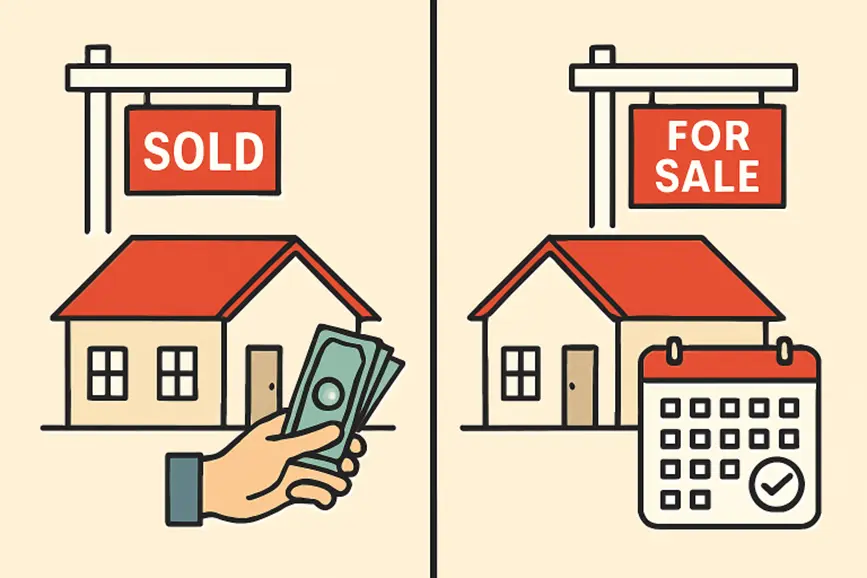
The decision to sell your home can come with a range of considerations, but speed is often at the top of the list for many homeowners. In today’s competitive real estate landscape, understanding whether a cash sale or a traditional listing will move your property more quickly is crucial. As the market evolves, sellers navigating these options must weigh the benefits of saving time against the potential for a higher sale price. If you’re hoping to sell quickly, learn more about your options with https://www.theturnerhometeam.com/sell-your-house-fast-goldsboro-north-carolina/.
From fluctuating market trends to buyer preferences, each selling method presents unique opportunities and challenges. Homeowners who are relocating, facing life changes, or seeking financial flexibility should understand how these methods compare—particularly as cash offers become increasingly common in many neighborhoods. A sharp understanding of the pros and cons of each approach will help sell your property with confidence and peace of mind.
Whether you’re looking for a rapid, stress-free transaction or the highest possible offer, making an informed choice ensures a smoother selling experience. For homeowners seeking local, trusted buyers, NC Cash Home Buyers offers valuable expertise for a range of selling situations.
Understanding Cash Sales
Cash sales involve a buyer purchasing the property without financing, loans, or mortgages. This method is especially appealing to sellers who value certainty and speed. By eliminating lender approvals and appraisal contingencies, homeowners sidestep delays that often accompany the financing process. As a result, transactions can proceed rapidly, with many cash deals closing in as little as seven days from accepting the offer to handing over the keys.
This efficiency is especially beneficial for those facing foreclosure, job relocations, or urgent financial needs. Cash buyers—often investors or companies—seek properties in various conditions, allowing homeowners to sell “as-is” without costly repairs or staging for showings.
Traditional Listings Explained
Traditional listings, typically managed by real estate agents, involve placing the property on the open market to attract a wide range of buyers. The process encompasses marketing, hosting open houses, responding to offers, and negotiating contracts. Most buyers in this scenario rely on mortgages, requiring appraisal visits, home inspections, and underwriting procedures.
This method allows sellers to net a higher price, especially in competitive markets or desirable locations. However, the additional exposure may come at the cost of prolonged timelines. Deals may fall through if buyers are unable to secure financing or if surprises arise during inspections or appraisals. According to Realtor.com, the average time it takes to close a traditional real estate transaction—taking into account marketing, inspections, and mortgage approval—often ranges from 30 to 60 days but can easily extend beyond that if complications arise.
Speed Comparison: Cash vs. Listing
The primary advantage of a cash sale is speed. With no lender involved and fewer contingencies to satisfy, closing timelines can shrink dramatically—from weeks (or even months) on the open market to just a handful of days. This rapid pace is especially attractive to homeowners facing imminent life changes or urgent financial considerations.
By comparison, the average time it takes to close a traditional real estate transaction—taking into account marketing, inspections, and mortgage approval—often ranges from 30 to 60 days but can easily extend beyond that if complications arise. For sellers prioritizing a fast transaction, a cash offer delivers unmatched convenience and reliability, greatly reducing the chances of deals collapsing at the last minute.
Market Trends in 2026
Current housing trends reveal that cash transactions are becoming a significant force, especially at the extremes of the price spectrum. In the first half, cash buyers accounted for nearly one-third (32.8%) of all U.S. home sales. This growth spans modestly priced homes—where almost 66% under $100,000 are cash deals—as well as luxury properties, with about 40% of homes over $1 million selling for cash. These statistics highlight a shift in buyer preferences toward certainty and speedy transactions, as noted in Realtor.com’s recent market research.
As high interest rates and economic uncertainty persist, the appeal of avoiding mortgage loans grows for both buyers and sellers. This pattern is expected to continue as more Americans seek streamlined paths to closing real estate transactions in 2026 and beyond.
Pros and Cons of Each Method
Cash Sales
- Pros: Accelerated closing process, fewer contingencies, minimal risk of sale falling apart, and flexible terms (including selling as-is).
- Cons: Lower average sale price, typically fewer offers and reduced competition, limited to buyers with significant capital.
Traditional Listings
- Pros: Access to a larger pool of potential buyers, higher sale prices possible through competitive bidding, and agent expertise in negotiations.
- Cons: Lengthier timeline to close, greater likelihood of last-minute issues related to financing or property condition and preparation, and repair demands on the seller.
Making the Right Choice for Your Situation
The optimal way to sell your home depends entirely on your priorities, personal situation, and the current state of your local real estate market. If you’re under a time crunch, value certainty, or need to avoid extensive repairs and showings, a cash sale could check all your boxes. On the other hand, if maximizing profit is your top priority and you have flexibility regarding timing, a traditional market listing might be your best option.
Ultimately, consulting with a local real estate expert and weighing both market data and your personal needs will help you make a clear decision. Consider reaching out to trusted professionals specializing in both cash offers and traditional brokerage services to ensure you’re making the best possible move for your unique circumstances.
Also Read
- How Community Nursing Care at Home Supports Recovery and Independence
- How to Avoid Hidden Fees When Selling Your Home Quickly
- The Homeowner’s Guide to Fast Bed Bug Treatment Without the Stress
