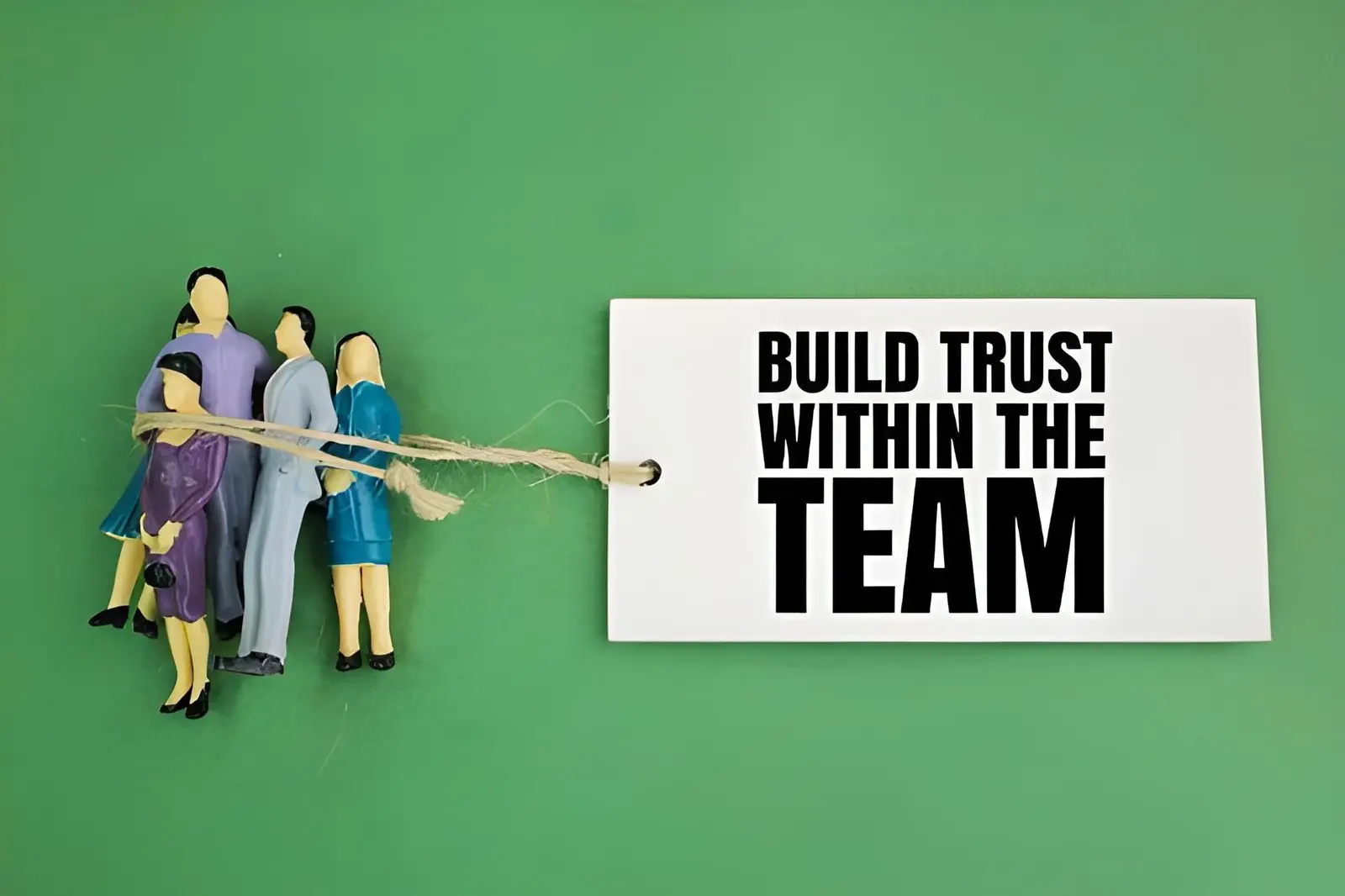
In today’s rapidly shifting business landscape, high-functioning teams grounded in trust are critical for sustained success. Fostering trust among leadership can make or break an organization’s capacity for innovation, collaboration, and resilience. Leaders who intentionally develop trust within their teams will likely experience stronger engagement and lower turnover, establishing a more adaptable and robust organizational culture. To discover more about evaluating and developing leadership in your organization, visit talogy.com.
Trust not only strengthens collaboration but also creates a transparent environment where expectations are clear and contributions are recognized. When transparency and reliability are prioritized, team members feel empowered, which leads to higher accountability throughout the group. In an era defined by uncertainty and constant change, the ability to cultivate and maintain trust defines the leading organizations of today and tomorrow.
The Importance of Trust in Leadership
Establishing trust within a leadership team is much more than simply creating a pleasant work environment; it drives real business results. Research consistently shows that organizations with high-trust leadership are more innovative, adaptable, and productive. According to Harvard Business Review, employees in high-trust organizations report 74% less stress and 106% more energy at work compared to their counterparts in low-trust workplaces. The ripple effect extends from retention to morale, ultimately fueling sustainable growth and competitive advantage.
Trust shapes the way teams collaborate, solve problems, and navigate crises. Without it, even the most talented groups can become mired in conflict, miscommunication, and disengagement. With trust as the foundation, teams operate more autonomously and confidently, responding swiftly to challenges and identifying new opportunities.
Strategies for Building Trust
1. Transparent Communication
Open, honest communication is the starting point for trust-building. Leaders should make it a priority to share pertinent information in a timely manner and actively solicit feedback from their teams. Transparent conversations remove ambiguity, build mutual understanding, and ensure that everyone moves forward with aligned priorities. Creating forums for open discussion, regular team updates, and fostering a culture of feedback help reinforce these principles.
2. Consistency and Reliability
Reliability breeds confidence. When leaders deliver on their promises and behave consistently over time, team members come to depend on their guidance and decisions. This consistency, whether in communication, policy enforcement, or project management, sets a clear standard for the rest of the team, providing stability even during turbulent times. Cultivating this standard not only strengthens interpersonal bonds but also enhances the organization’s credibility as a whole.
3. Empowering Team Members
Empowerment is central to building a culture of trust and accountability. When leaders delegate decision-making authority and trust their teams to follow through, it signals respect and confidence in each team member’s abilities. Empowered teams not only perform better but also innovate more, take calculated risks, and bring creative solutions forward. Leaders who invest in professional development and provide resources for growth help cultivate this environment. As outlined by Forbes, the most successful teams are those where members feel supported to take initiative and ownership of their work.
When trust is woven into the very fabric of a team, each member feels safe to express their ideas and raise concerns. This psychological safety is the root of continuous improvement and resilient organizations.
Overcoming Challenges in Trust-Building
Developing trust is seldom a linear process. Leaders often contend with skepticism, previous negative experiences, or entrenched cultural differences within their teams. Addressing these challenges takes time and intentional action. It starts with active listening, empathetic communication, and a genuine willingness to acknowledge and address grievances. Leaders must recognize the value in different perspectives and prioritize inclusivity when seeking solutions.
Overcoming trust barriers also requires consistency in addressing issues as they arise rather than ignoring or minimizing them. Transparent conflict resolution processes and clear guidelines for communication can also help in managing and ultimately reducing friction points within diverse teams.
Measuring Trust Within Teams
Trust cannot remain an abstract concept if leaders hope to foster and maintain it. Measurement methods such as team surveys, anonymous feedback systems, and regular one-on-one check-ins enable organizations to assess the state of trust within their teams. Performance metrics like engagement scores and retention rates can provide further evidence of underlying trust, or lack thereof. Regular assessments allow leaders to identify trends, celebrate progress, and address challenges before they hinder performance or morale.
Leading organizations use these approaches not only as a diagnostic tool but as a catalyst for continuous improvement. Honest self-assessment prompts open dialogue, actionable insights, and ongoing refinement of trust-building strategies.
Case Studies: Successful High-Trust Teams
Organizations that intentionally build high-trust teams frequently report excellent outcomes across many performance indicators. One example is Google’s Project Aristotle, which found that psychological safety, a key byproduct of trust, was the most important characteristic of high-performing teams. In these environments, team members are encouraged to speak openly, ask questions, and learn from mistakes without fear of punishment. These conditions lead to significantly higher creativity and collaboration, benefiting both the team and the broader organization. More on this can be found in the coverage of Project Aristotle at The New York Times.
Similarly, companies recognized for cultivating strong trust cultures, such as Netflix and Salesforce, routinely appear on “Best Places to Work” lists. These organizations experience elevated loyalty, sustained innovation, and the ability to attract top talent due to their emphasis on trust-centered leadership and open communication.
Conclusion
Building high-trust leadership teams is an ongoing commitment that demands focus, energy, and humility. By embedding transparent communication, consistency, and empowerment into their daily practices, leaders can lay the groundwork for a thriving organizational culture. Trust is more than a feel-good principle; it is the engine that drives long-term growth and team excellence. A consistent focus on authentic engagement and assessment ensures that trust remains central as businesses continue to evolve.
Also Read
- Unselect vs Deselect: Which Term Should You Use in Tech? 🖱️💡
- Marketing for Business Growth
- Managing Financial Life While a Lawsuit Is Still Unresolved
