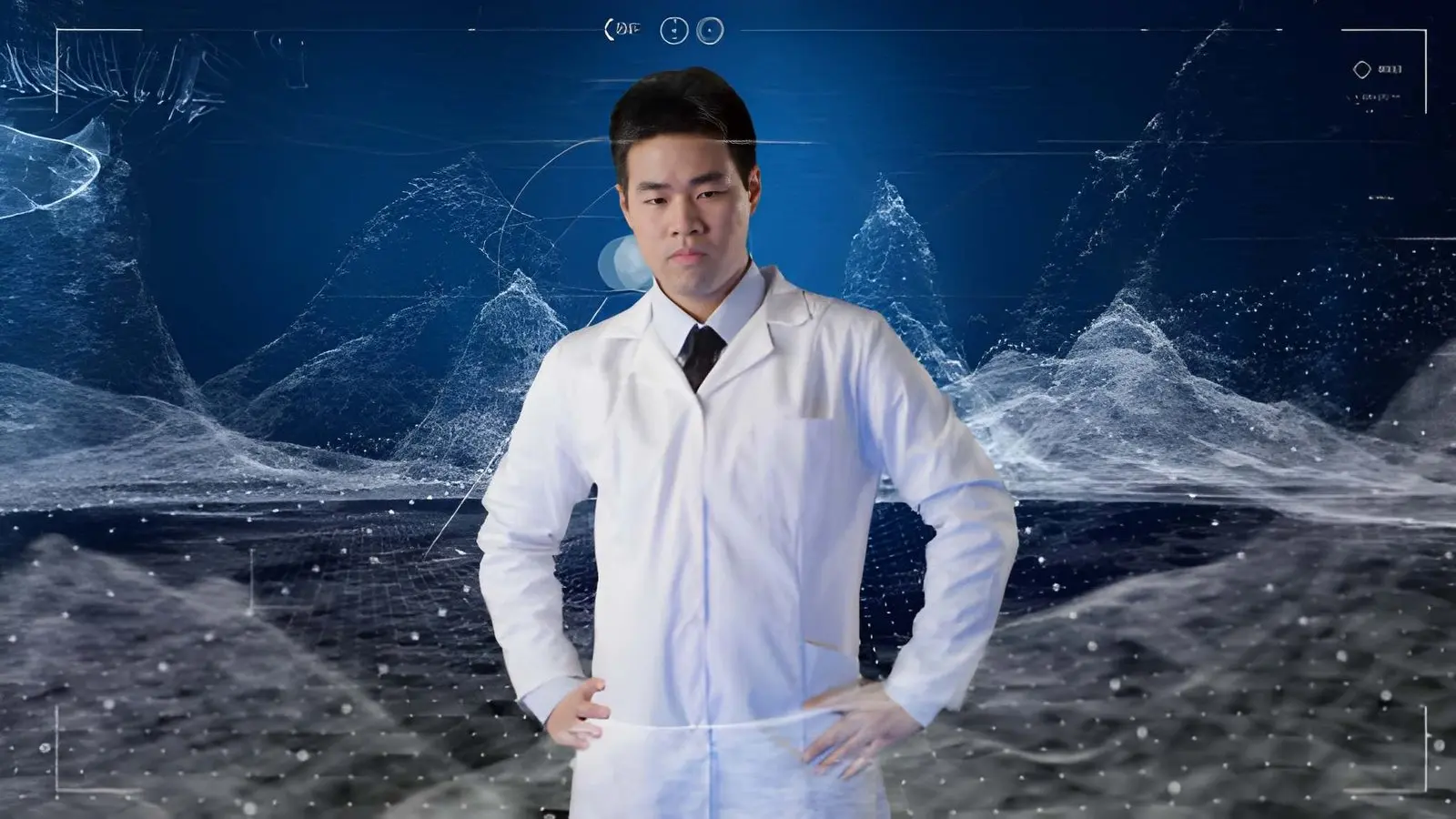
Artificial intelligence is increasingly becoming a major component of healthcare, but it is not a panacea on its own. The true breakthroughs occur when doctors and developers collaborate, combining hands-on knowledge and technical understanding. Dr Andrew Ting shows why, without collaboration, even the most advanced AI systems may overlook key information or fail to satisfy the demands of patients and physicians in real-world settings.
Why Clinicians Are Critical to AI Success
Doctors contribute more than just knowledge; they provide perspective. Every patient case is unique, and medical judgments frequently rely on minor elements that do not appear in spreadsheets. AI systems designed without this perspective may be technically correct but ineffective in practice.
Clinicians might point out instances in which algorithms may overlook complexity, such as unique symptom patterns, or when an AI recommendation conflicts with practical realities, such as staffing constraints, patient preferences, or regulatory requirements. Including clinicians in the development process guarantees that AI enhances rather than disrupts patient care.
Translating Medical Needs Into Technology
Communication is one of the most challenging aspects of healthcare AI. Doctors consider symptoms, risk factors, and treatment outcomes. Developers consider data models, training sets, and measurements. Bridging this linguistic divide is critical for developing tools that assist professionals in executing their jobs.
Andrew Ting emphasizes that cross-disciplinary teams can translate complex medical goals, such as improving diagnostic accuracy or reducing unnecessary testing, into clear technical specifications. This method enables AI systems to become practical tools rather than speculative experiments.
Fitting AI Into Daily Clinical Workflows
If it doesn’t fit into a doctor’s timetable, even the smartest AI is useless. Hospitals are busy places with plenty of paperwork, strict deadlines, and regular emergencies. A system is unlikely to be adopted if it slows work or requires extra steps.
For this reason, developers need to assess AI technologies in actual healthcare environments. To make sure the system is easy to use, integrates with electronic records, and saves time, pilots, feedback sessions, and phased rollouts are used. Adoption can be greatly increased by making small improvements, including revealing important advice at the right moment.
Ethics, Responsibility, and Patient Safety
From algorithmic bias to decision-making transparency, AI raises serious ethical issues. Clinicians are crucial to identifying situations where AI can inadvertently harm specific patient groups.
By working together, medical professionals and technologists can create precise accountability standards, carry out regular performance evaluations, and ensure that AI advances moral, secure patient care. Patients need to understand that technology is a tool, not a substitute for human judgment; thus, these exchanges also help preserve their trust.
Learning From Feedback
AI systems improve in terms of algorithmic bias and decision-making transparency, but AI also raises serious ethical issues. Clinicians are crucial to identifying situations where AI can inadvertently harm specific patient groups.
By working together, medical professionals and technologists can create precise accountability standards, carry out regular performance evaluations, and ensure that AI advances moral, secure patient care. Patients need to understand that technology is a tool, not a substitute for human judgment; thus, these exchanges also help preserve their trust.
Education and Understanding
Collaboration works best when both parties understand one another. Clinicians do not need to become programmers, and developers do not require medical degrees, but a fundamental understanding of each other’s worlds goes a long way. Workshops, co-development programs, and hospital immersion experiences help teams understand the issues and constraints faced by both sides.
This mutual understanding fosters respect, enhances problem-solving abilities, and accelerates invention. When doctors and engineers communicate in the same language, AI becomes a tool that improves treatment rather than confusing
Sustaining Collaboration Through Continuous Iteration
After deployment, physicians and AI developers can continue to work together effectively. AI systems must adapt to keep pace with the rapidly evolving healthcare environment and medical knowledge. Developers can change models in response to new clinical discoveries, evolving protocols, or patient outcomes by creating continuous feedback loops. In these iterative cycles, clinicians are essential because they provide real-time insights on what works, what doesn’t, and what could be improved.
AI technologies can be developed without interfering with care through regular interdisciplinary discussions, data-driven performance reviews, and adaptable system designs. AI solutions remain current, dependable, and aligned with evolving patient needs and medical best practices thanks to this constant iteration. AI can significantly improve healthcare outcomes if development is approached as a dynamic collaboration rather than a one-time undertaking.
Final Thoughts
The future of healthcare innovation depends on collaboration. AI can do incredible things, but only when clinicians’ real-world experience guides it. Dr Andrew Ting emphasizes that bridging the gap between medicine and technology is essential for creating tools that improve patient outcomes, support doctors, and advance healthcare safely and responsibly. By working together, clinicians and developers can ensure that AI truly makes a difference in people’s lives.
Also Read
- How Future-Ready Middle Grades Teachers Make a Difference
- Bridging Finance & Short-Term Property Loans — When and Why Businesses Use Them
- How to Navigate a Competitive Real Estate Market as a Buyer
