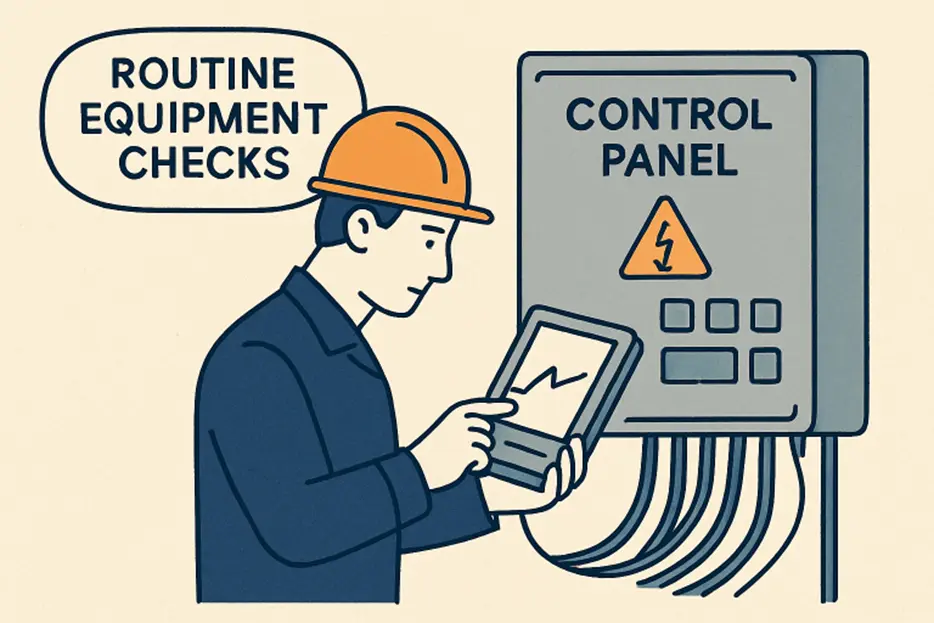
Routine diagnostics of electrical systems are not merely an optional best practice; they are a fundamental necessity for any organization that wants to maximize safety, efficiency, and the longevity of its operations. Electrical systems are at the heart of virtually every modern facility, and their continuous, reliable function is crucial for both day-to-day operations and long-term success. By proactively detecting electrical issues before they escalate, businesses greatly reduce the risk of dangerous accidents or catastrophic system failures. This commitment to proactive maintenance ensures a safer environment for everyone in the workplace and significantly decreases the chances of injury, property damage, or even loss of life. Engaging in professional evaluations—such as through specialized services like electrical equipment testing services—places your business in a strong position to stay ahead of potential issues. These diagnostics help protect valuable assets, safeguard workers, and provide peace of mind, knowing that the unseen elements of your infrastructure aren’t being neglected.
Enhancing Safety
The safety of both personnel and property is a top priority for every facility. When it comes to electrical systems, hazards like exposed wiring, faulty breakers, deteriorated insulation, or corroded connections can lead directly to catastrophic outcomes. These risks are among the leading causes of industrial accidents, fires, and system-wide shutdowns. By conducting regular and thorough diagnostics, facility managers and electrical staff can catch looming problems, such as electrical shorts, arc flashes, or overloaded circuits, far in advance. Addressing these threats early helps prevent both minor incidents and more severe emergencies, including potential fires, explosions, or dangerous electric shocks. Leveraging modern diagnostic methods enables teams to map the current state of the system and identify unusual fluctuations in voltage or current that might otherwise go unnoticed. Ultimately, by investing in comprehensive testing and evaluation routines, organizations drastically reduce the number of workplace incidents, fulfill more stringent insurance requirements, and establish a solid reputation for safety within their industry.
Preventing Costly Downtime
Unanticipated equipment failures are among the most disruptive and costly events a business can encounter. When key electrical components suddenly fail, operations can grind to a halt, jeopardizing contracts, customer relationships, and revenue streams. Consistent diagnostics and real-time monitoring enable the identification of early warning signs—like vibration in motors, unexplained circuit trips, or rising component temperatures—that often precede equipment failure. By diagnosing and correcting these minor anomalies before they snowball into major breakdowns, companies gain critical control over their operational schedules. Maintenance can be strategically planned around regular downtimes or off-peak hours rather than occurring in response to crises. In addition to protecting productivity, this approach helps lower emergency repair costs and allows for better inventory management of spare parts. The U.S. Department of Energy reports that well-designed preventative maintenance programs can cut downtime by half and unlock substantial savings, making proactive diagnostics a powerful investment in both operational stability and the bottom line.
Improving Energy Efficiency
Electrical inefficiency doesn’t just inflate your utility bills; it often goes hand in hand with avoidable wear, overheating, and system instability. Faulty or outdated components—such as miscalibrated sensors, leaky capacitors, or overloaded distribution panels—can drain much more power than is actually needed. Through targeted diagnostics, facilities can identify and rectify sources of energy loss before they escalate into systemic waste. This process includes measuring load distributions, thermally profiling equipment for hot spots, and evaluating the overall power quality to prevent voltage sags and harmonic distortions. Making these corrections can quickly translate into noticeable savings while simultaneously contributing toward more ambitious sustainability goals.
Ensuring Compliance with Regulations
Compliance with constantly evolving electrical codes and regulatory standards is essential for any organization. State and federal guidelines, such as NFPA 70E for electrical safety and OSHA rules concerning workplace hazards, carry significant legal and financial weight. Failing to meet these standards can result in severe penalties, shutdowns, or even criminal liability in the event of a major incident. Routine diagnostics not only ensure that electrical infrastructure operates within legal requirements but also provide up-to-date, documented proof of compliance. This is critically important when undergoing audits or seeking insurance coverage, as inspectors will look for clear evidence of systematic maintenance and testing. Even in less-regulated industries, aligning with best practices reduces liability exposure and positions companies as diligent, responsible operators in their sectors. By prioritizing regular assessments, businesses can minimize legal risks, protect their reputation, and provide a safer workplace for everyone.
Extending Equipment Lifespan
Industrial electrical assets often represent some of the largest investments on a company’s balance sheet, with equipment such as switchgear, transformers, and control systems carrying hefty price tags. Premature failures eat into budgets and can disrupt long-term capital planning. Diagnostics enable maintenance teams to address relatively minor issues—such as loose connectors, bent contacts, dust and dirt accumulation, or signs of moisture intrusion—before they cause more serious damage or total asset loss. Prolonging the useful life of electrical equipment means organizations defer expensive replacements, smooth out budgeting, and maximize their return on investment year over year. A robust maintenance and diagnostics strategy ensures that machinery operates at its designed performance levels, preventing damaging surges, overloads, or failures that can severely impact business continuity.
Implementing Effective Diagnostic Strategies
Regular Inspections
Effective scheduling and execution of routine electrical inspections form the backbone of an effective preventive maintenance program. Inspections should be tailored to the specific types of equipment in use, the age and service history of those assets, and the unique operational risks present in each facility. Clear documentation from every diagnostic assessment becomes a valuable resource, helping technical teams identify patterns, prioritize upgrades, and plan for future needs. Proactively planning these checks ensures that minor anomalies are identified and addressed before they escalate, thereby supporting budget predictability and effective asset management.
Use of Advanced Diagnostic Tools
Modern electrical diagnostics have evolved well beyond visual inspections and basic multimeter readings. Advanced tools—such as infrared thermal imaging, ultrasonic listening devices, power quality analyzers, and continuous digital monitoring systems—equip technicians to identify invisible or hard-to-detect problems. These tools not only accelerate the troubleshooting process but also enable remote, real-time system status updates, which is ideal for large or complex facilities where early warning is crucial. By utilizing technology, maintenance professionals improve diagnostic accuracy, optimize resources, and ensure faster, more decisive intervention when problems arise.
Training and Education
Technology is only as effective as the people who use it. Ensuring that your staff is well trained to spot early signs of trouble—such as unusual sounds, smells, heat, or performance inconsistencies—empowers employees to take immediate action or seek expert help. Regular, up-to-date training boosts both individual competence and overall workplace safety culture. When employees are familiar with the latest diagnostic technologies and safety protocols, the business benefits from faster reporting, less downtime, and more thorough investigations. Continuous education keeps your workforce engaged, motivated, and ready to adapt as technology and regulations evolve.
Final Thoughts
Routine electrical diagnostics are one of the most effective ways organizations can safeguard their operations, protect employees, and reduce long-term costs. By adopting a proactive approach—not just responding to problems, but actively preventing them—businesses strengthen every aspect of their electrical infrastructure. From boosting energy efficiency to extending equipment lifespan, each diagnostic step contributes to a safer, more reliable, and more compliant workplace. Investing in consistent testing, modern diagnostic tools, and ongoing staff training enables companies to prevent unexpected failures and maintain optimal performance. Ultimately, prioritizing electrical diagnostics is not just smart maintenance—it’s a strategic decision that supports operational stability, cost savings, and long-term success.
Also Read-Unselect vs Deselect: Which Term Should You Use in Tech? 🖱️💡
